Wang Jianwei, Yu Lili, Sun Yulong, Zhang Liangming, Tu Mingshu, Cai Liqing, Yin Xiaoqing, Pan Xiaojie, Wang Tao, Huang Yi
Provincial Clinical College, Fujian Medical University, Fuzhou, 350001, People's Republic of China.
Department of Clinical Laboratory, Fujian Provincial Hospital South Branch, Fuzhou, 350008, People's Republic of China.
Cancer Manag Res. 2021 Nov 5;13:8341-8352. doi: 10.2147/CMAR.S337497. eCollection 2021.
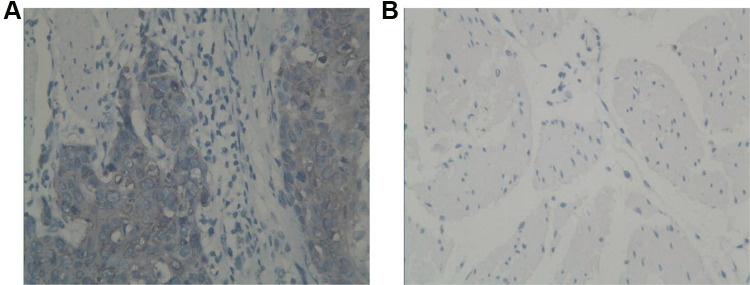
Our pilot study has shown that cystatin SN (CST1) protein is highly expressed in esophageal squamous cell carcinoma (ESCC) tissues. We intend to develop a chemiluminescent enzyme immunoassay (CLEIA) available for serum CST1 detection and define the diagnostic value of CST1 detection for early ESCC patients, and establish a panel of CST1 with traditional tumor markers to improve the diagnostic sensitivity for early ESCC.
Detection performance of CLEIA for CST1 was evaluated by linearity, detection limit, accuracy, precision, anti-interference and stability. Diagnostic performance of CST1 for early ESCC was evaluated by detecting CST1 of 112 early ESCC, 107 esophageal benign lesions (EBL), and 151 healthy controls (HC). CEA, CYFRA21-1 and SCC-Ag were detected by chemiluminescence immunoassay (CLIA).
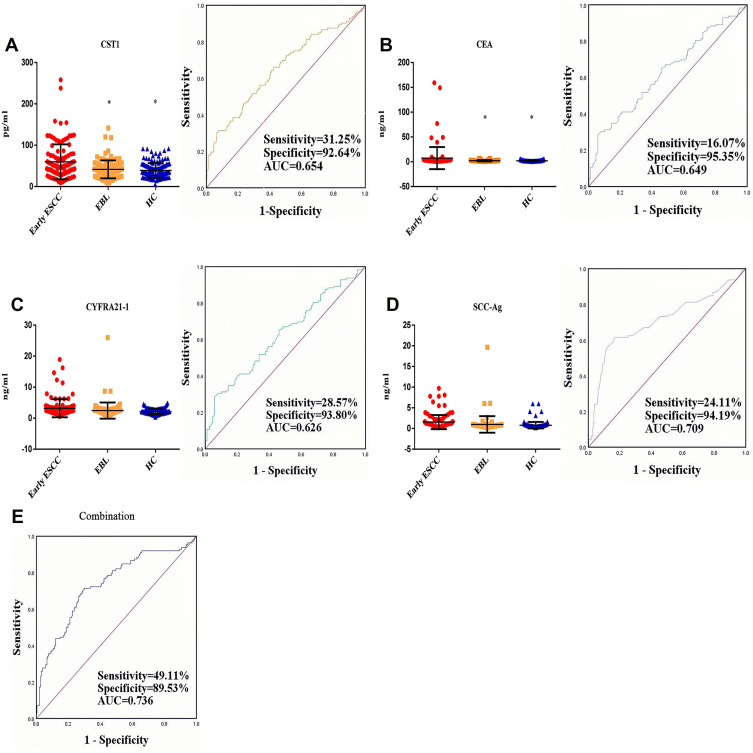
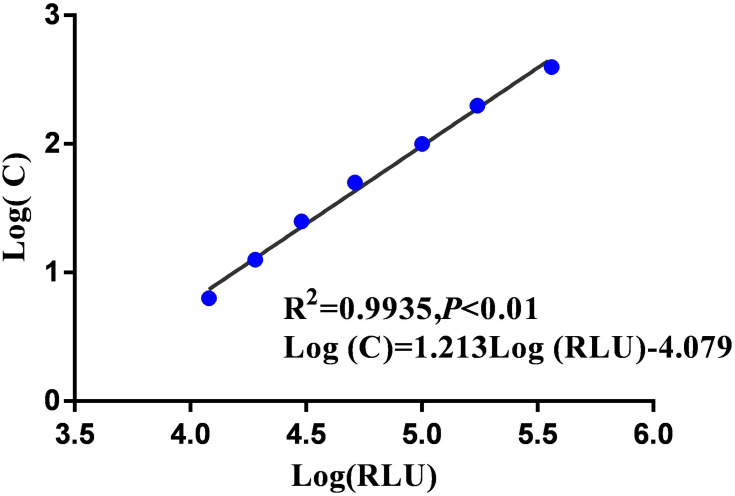
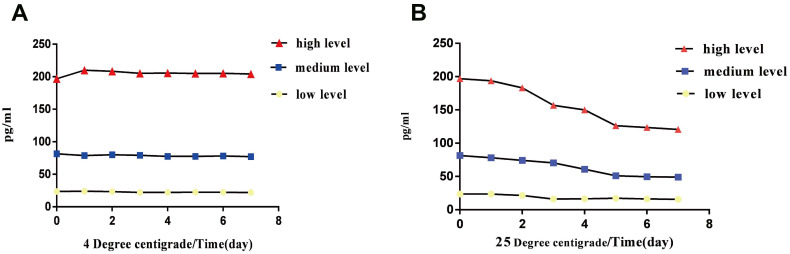
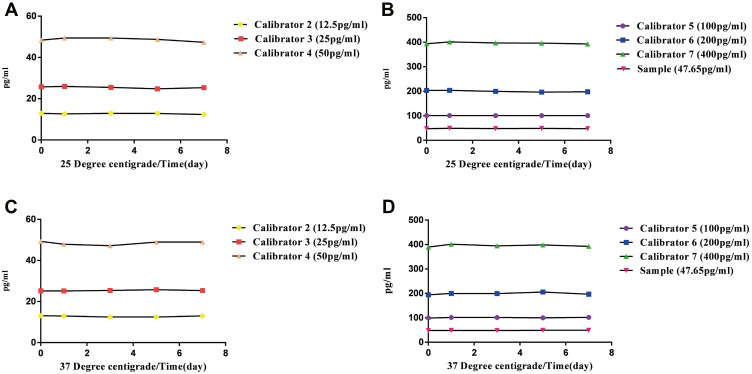
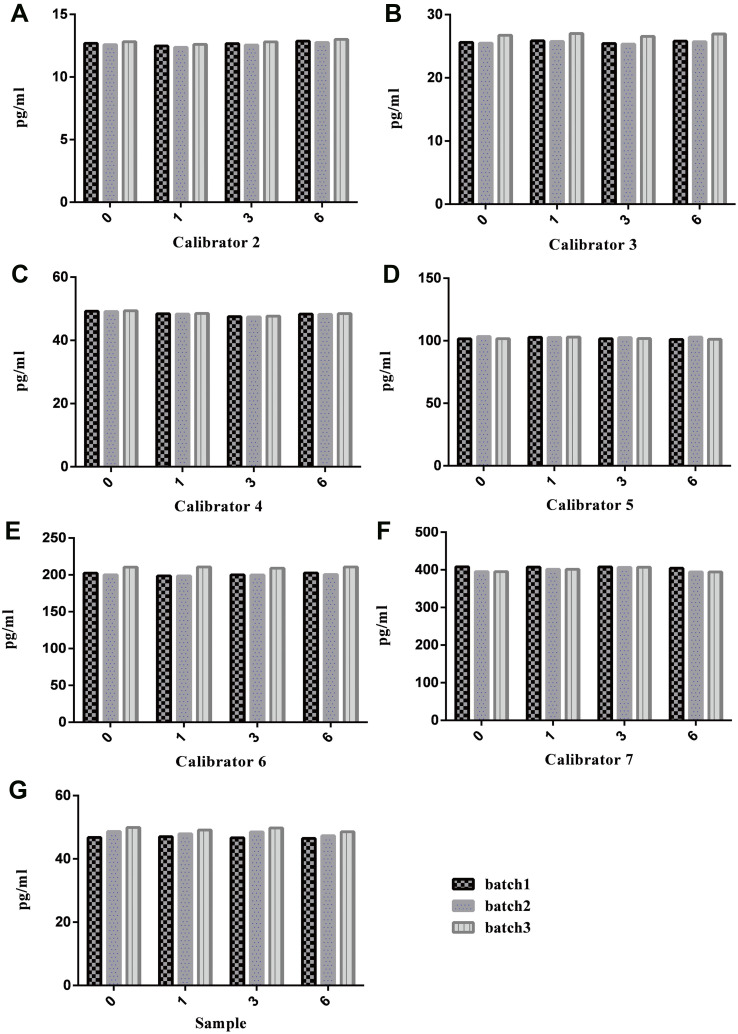
The linear range and detection limit of CLEIA for CST1 were 6.25-400 pg/mL and 1.35 pg/mL, respectively; the average recovery rate was 102.65%; CVs of intra-batch precision and inter-batch precision were <1/4 TEa and <1/3 TEa, respectively; 8 interferents including 7 common interferents and CST4 had no interference on CST1 detection; stability evaluation showed good sample and reagent stability. The level and positive rate of CST1 in early ESCC group were significantly higher than those in EBL/HC groups (<0.05). The diagnostic sensitivity of CST1 for early ESCC was 31.25% (specificity 92.64%, AUC 0.654). The diagnostic sensitivity of traditional tumor markers ranged from 16.07% to 28.57%, at >93.0% specificity, and SCC-Ag showed the highest AUC (0.709). Combination of CST1 and CEA, SCC-Ag exhibited the highest AUC up to 0.736 (sensitivity 49.11%, specificity 89.53%).
CLEIA has excellent detection performance for CST1. CST1 might be a prospective serological biomarker for early diagnosis of ESCC, while combination of CST1 and CEA, SCC-Ag might improve the early diagnostic performance.
我们的初步研究表明,胱抑素SN(CST1)蛋白在食管鳞状细胞癌(ESCC)组织中高表达。我们打算开发一种可用于血清CST1检测的化学发光酶免疫分析(CLEIA)方法,确定CST1检测对早期ESCC患者的诊断价值,并建立CST1与传统肿瘤标志物的联合检测方法以提高早期ESCC的诊断敏感性。
通过线性、检测限、准确性、精密度、抗干扰性和稳定性评估CLEIA对CST1的检测性能。通过检测112例早期ESCC、107例食管良性病变(EBL)和151例健康对照(HC)的CST1来评估CST1对早期ESCC的诊断性能。通过化学发光免疫分析(CLIA)检测癌胚抗原(CEA)、细胞角蛋白19片段(CYFRA21-1)和鳞状细胞癌抗原(SCC-Ag)。
CLEIA对CST1的线性范围和检测限分别为6.25 - 400 pg/mL和1.35 pg/mL;平均回收率为102.65%;批内精密度和批间精密度的变异系数分别<1/4 TEa和<1/3 TEa;包括7种常见干扰物和CST4在内的8种干扰物对CST1检测无干扰;稳定性评估显示样本和试剂稳定性良好。早期ESCC组中CST1的水平和阳性率显著高于EBL/HC组(P<0.05)。CST1对早期ESCC的诊断敏感性为31.25%(特异性92.64%,曲线下面积[AUC] 0.654)。传统肿瘤标志物的诊断敏感性在16.07%至28.57%之间,特异性>93.0%,SCC-Ag的AUC最高(0.709)。CST1与CEA、SCC-Ag联合检测的AUC最高可达0.736(敏感性49.11%,特异性89.53%)。
CLEIA对CST1具有出色的检测性能。CST1可能是早期诊断ESCC的一种有前景的血清学生物标志物,而CST1与CEA、SCC-Ag联合检测可能会提高早期诊断性能。