Department of Chemical, Biological, Pharmaceutical, and Environmental Science, University of Messina, 98166 Messina, Italy.
Department of Biomedical and Dental Sciences and Morphofunctional Imaging, University of Messina, 98166 Messina, Italy.
Int J Mol Sci. 2021 Oct 21;22(21):11388. doi: 10.3390/ijms222111388.
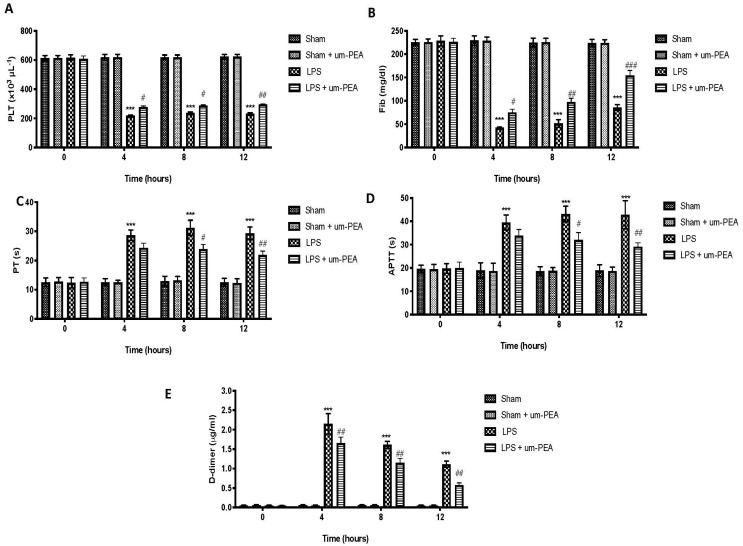
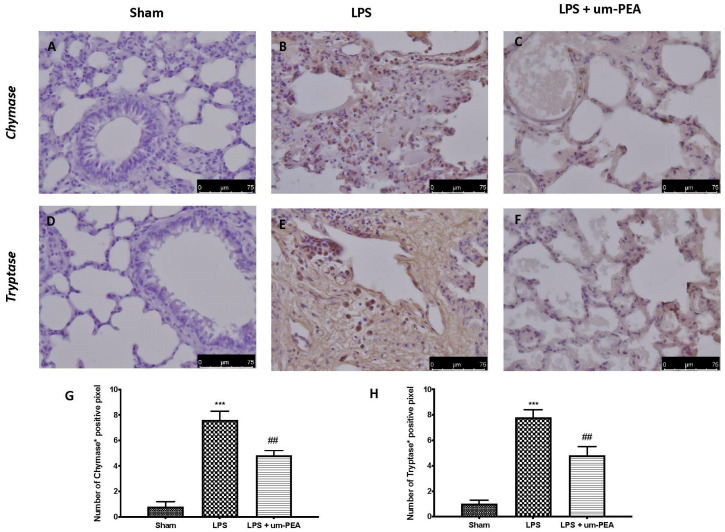
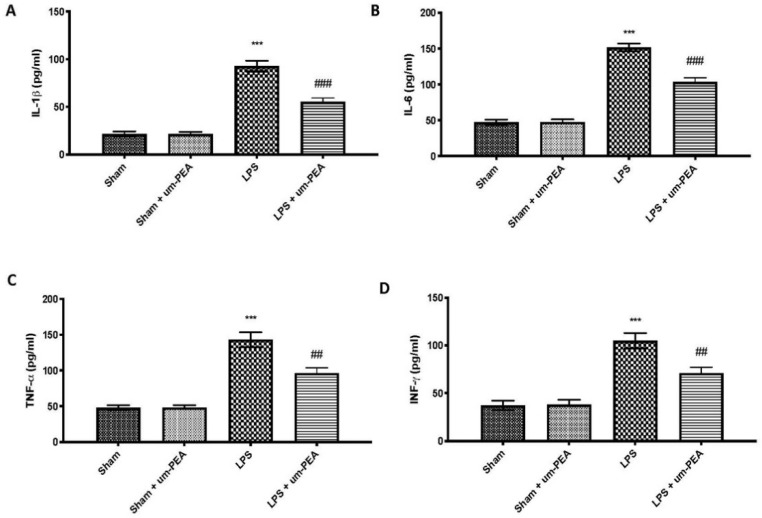
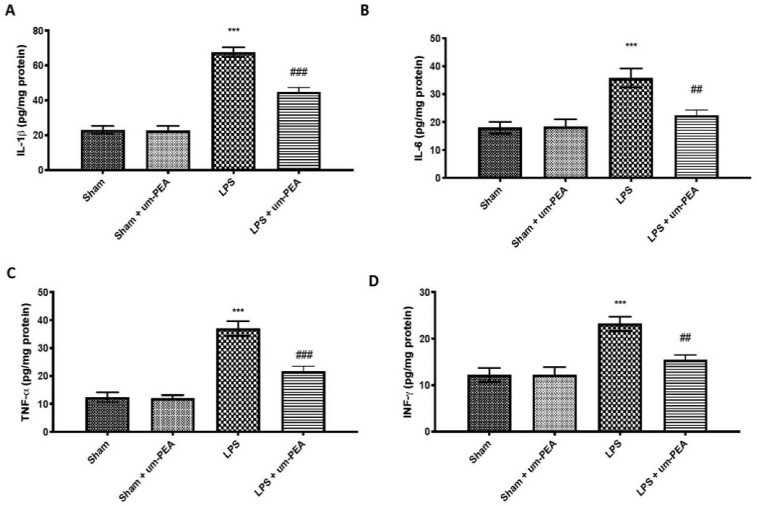
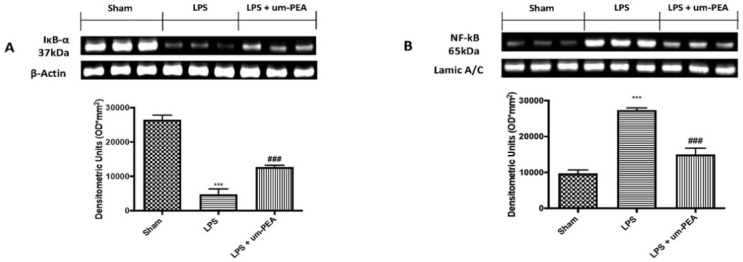
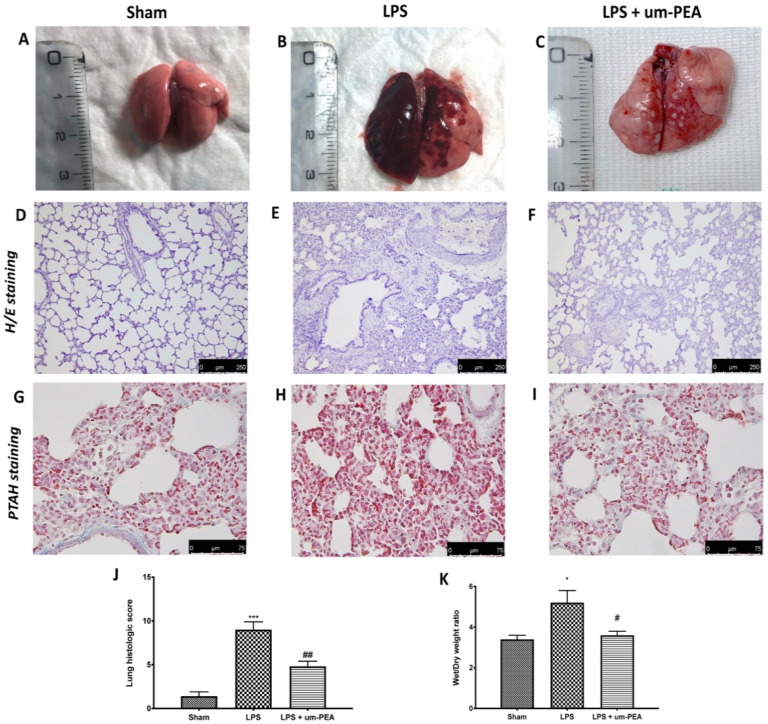
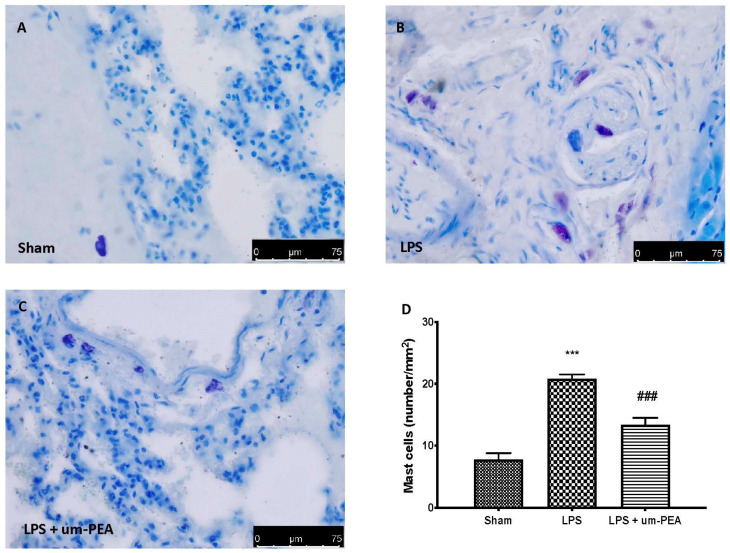
Disseminated intravascular coagulation (DIC) is a severe condition characterized by the systemic formation of microthrombi complicated with bleeding tendency and organ dysfunction. In the last years, it represents one of the most frequent consequences of coronavirus disease 2019 (COVID-19). The pathogenesis of DIC is complex, with cross-talk between the coagulant and inflammatory pathways. The objective of this study is to investigate the anti-inflammatory action of ultramicronized palmitoylethanolamide (um-PEA) in a lipopolysaccharide (LPS)-induced DIC model in rats. Experimental DIC was induced by continual infusion of LPS (30 mg/kg) for 4 h through the tail vein. Um-PEA (30 mg/kg) was given orally 30 min before and 1 h after the start of intravenous infusion of LPS. Results showed that um-PEA reduced alteration of coagulation markers, as well as proinflammatory cytokine release in plasma and lung samples, induced by LPS infusion. Furthermore, um-PEA also has the effect of preventing the formation of fibrin deposition and lung damage. Moreover, um-PEA was able to reduce the number of mast cells (MCs) and the release of its serine proteases, which are also necessary for SARS-CoV-2 infection. These results suggest that um-PEA could be considered as a potential therapeutic approach in the management of DIC and in clinical implications associated to coagulopathy and lung dysfunction, such as COVID-19.
弥散性血管内凝血(DIC)是一种严重的疾病状态,其特征是全身微血栓形成伴有出血倾向和器官功能障碍。在过去的几年中,它是 2019 年冠状病毒病(COVID-19)最常见的后果之一。DIC 的发病机制很复杂,凝血和炎症途径之间存在相互作用。本研究的目的是研究超微棕榈酸乙醇酰胺(um-PEA)在 LPS 诱导的大鼠 DIC 模型中的抗炎作用。通过尾静脉持续输注 LPS(30mg/kg)4 小时诱导实验性 DIC。在 LPS 静脉输注开始前 30 分钟和 1 小时给予 um-PEA(30mg/kg)口服。结果表明,um-PEA 可减轻 LPS 输注引起的凝血标志物改变以及血浆和肺组织中促炎细胞因子的释放。此外,um-PEA 还具有预防纤维蛋白沉积和肺损伤形成的作用。此外,um-PEA 能够减少肥大细胞(MCs)的数量及其丝氨酸蛋白酶的释放,这也是 SARS-CoV-2 感染所必需的。这些结果表明,um-PEA 可被视为管理 DIC 以及与凝血功能障碍和肺功能障碍相关的临床并发症(如 COVID-19)的潜在治疗方法。