Department of Psychology, Universidad Loyola Andalucía, Dos Hermanas, 41704 Seville, Spain.
Int J Environ Res Public Health. 2021 Oct 22;18(21):11130. doi: 10.3390/ijerph182111130.
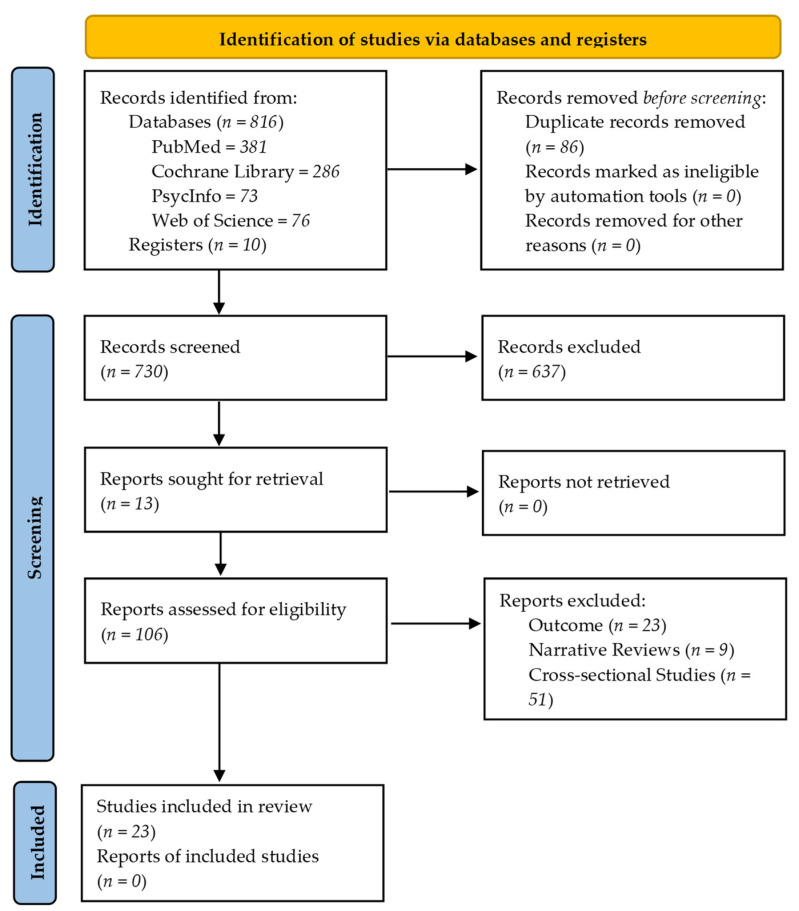
Eating behaviour is a complex construct that is liable to be modified by external factors. Due to the outbreak of coronavirus disease 2019 (COVID-19), many restrictive measures were carried out with the aim of reducing the impact of this disease. As a result, lifestyles were disrupted, which could affect eating behaviours. The aim of this systematic review of longitudinal studies was to assess changes in eating behaviour during the COVID-19 pandemic by establishing a comparison of eating behaviours before and after the outbreak of the pandemic. This study followed the PRISMA guidelines (PROSPERO: CRD42020203246), whereas to assess the quality of the studies, the Newcastle-Ottawa Quality Assessment Scale (NOS) was applied. Out of a set of 826 studies, 23 were included in this systematic review. The main findings provided information about a shift towards modified eating behaviours, characterized by an increased snack frequency and a preference for sweets and ultra-processed food rather than fruits, vegetables, and fresh food. Additionally, an increased alcohol consumption was found among different countries. Consequently, adherence to healthy diets decreased. These findings are relevant to future policies and strategies to assess nutrition in cases of alarming situations such as the current COVID-19 pandemic.
饮食习惯是一种复杂的结构,容易受到外部因素的影响。由于 2019 年冠状病毒病(COVID-19)的爆发,采取了许多限制措施,旨在减少这种疾病的影响。因此,生活方式被打乱,这可能会影响饮食习惯。本系统评价对纵向研究的目的是通过建立大流行前后饮食习惯的比较来评估 COVID-19 大流行期间饮食习惯的变化。本研究遵循 PRISMA 指南(PROSPERO:CRD42020203246),同时应用纽卡斯尔-渥太华质量评估量表(NOS)评估研究质量。在 826 项研究中,有 23 项被纳入本系统评价。主要发现提供了关于饮食习惯改变的信息,表现为零食频率增加,以及偏爱甜食和超加工食品,而不是水果、蔬菜和新鲜食品。此外,不同国家的酒精摄入量也有所增加。因此,健康饮食的依从性下降。这些发现与未来的政策和战略有关,以评估在当前 COVID-19 大流行等令人担忧的情况下的营养状况。