Institute of Automation, University of Rostock, 18119 Rostock, Germany.
Center of Life Science Automation (celisca), 18119 Rostock, Germany.
Sensors (Basel). 2021 Nov 4;21(21):7347. doi: 10.3390/s21217347.
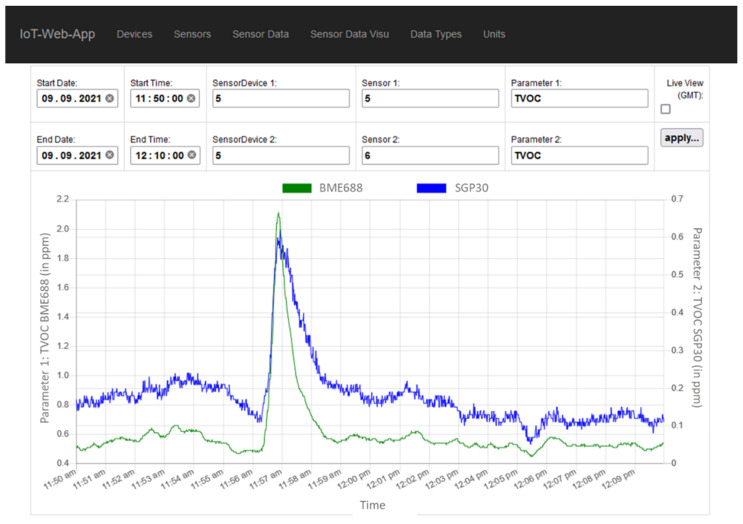
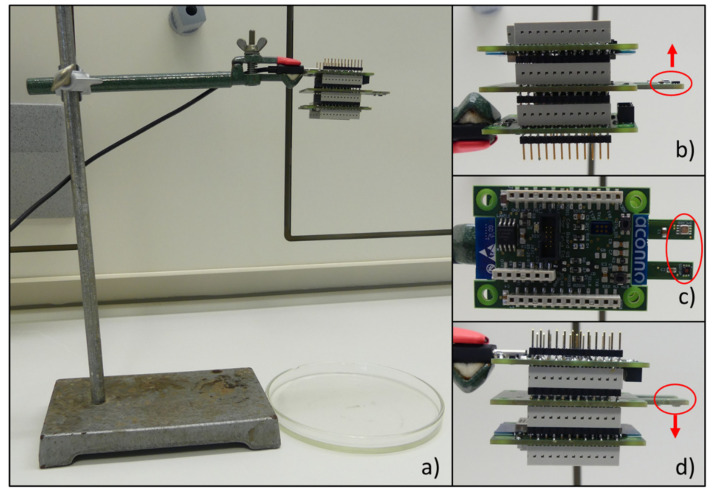
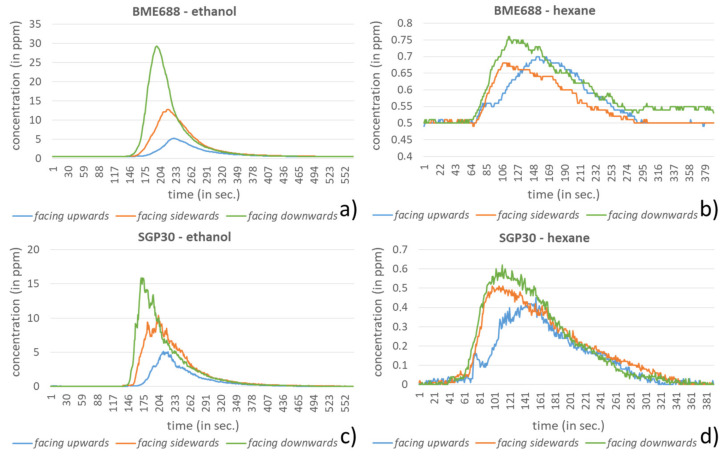
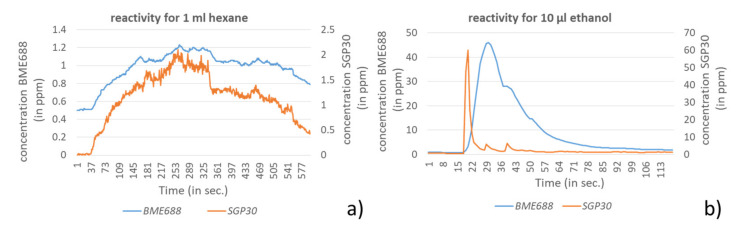
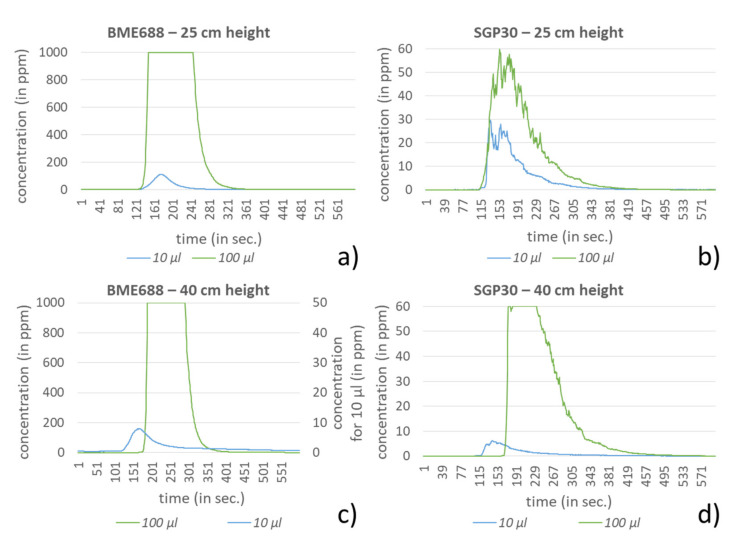
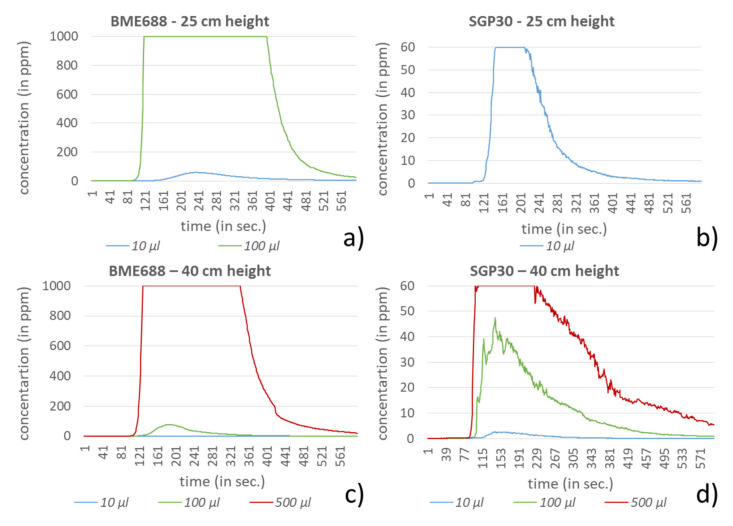
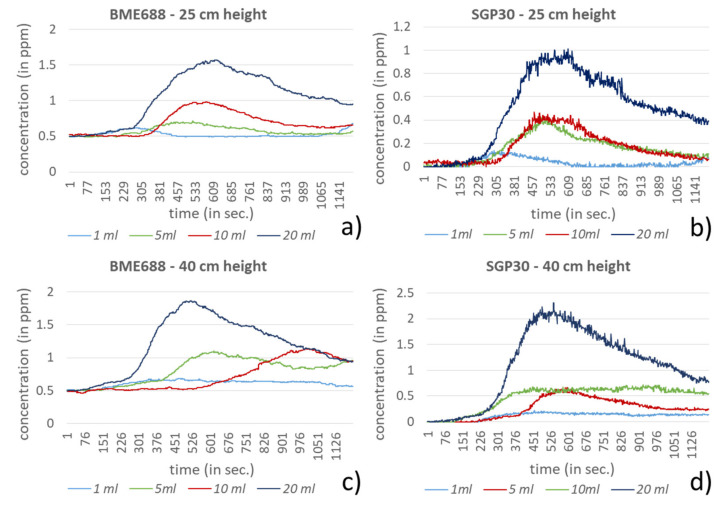
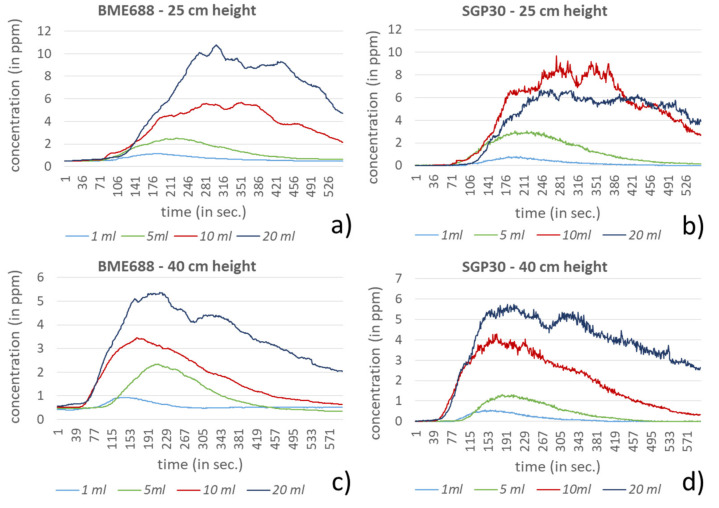
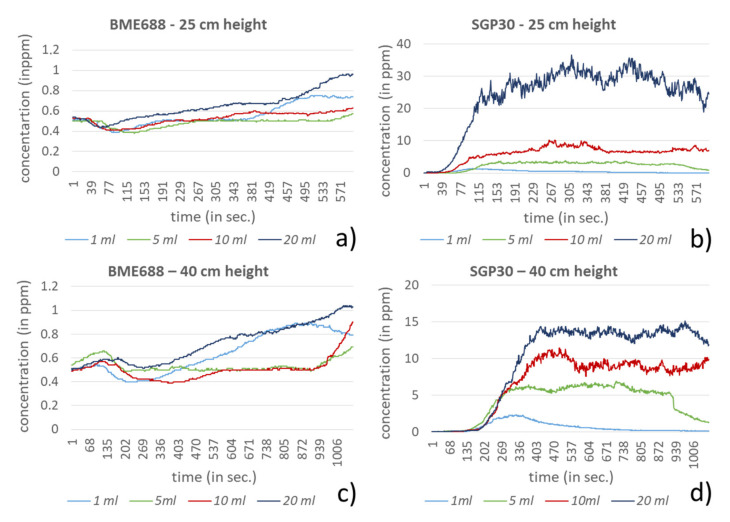
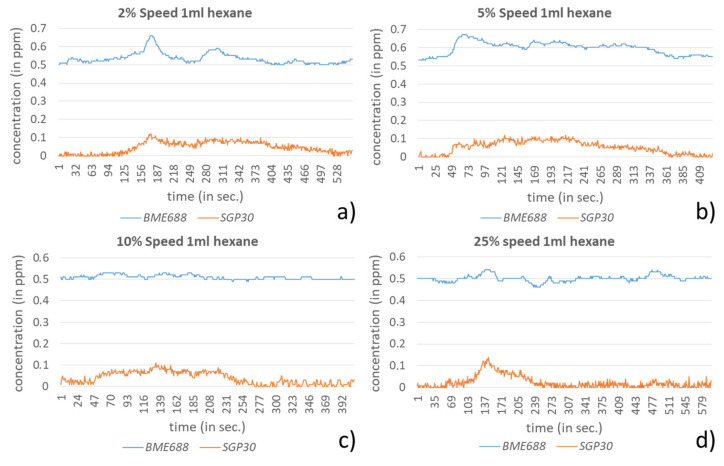
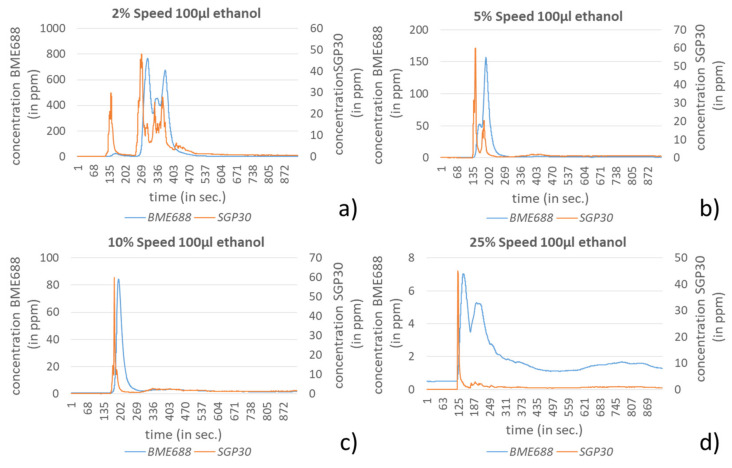
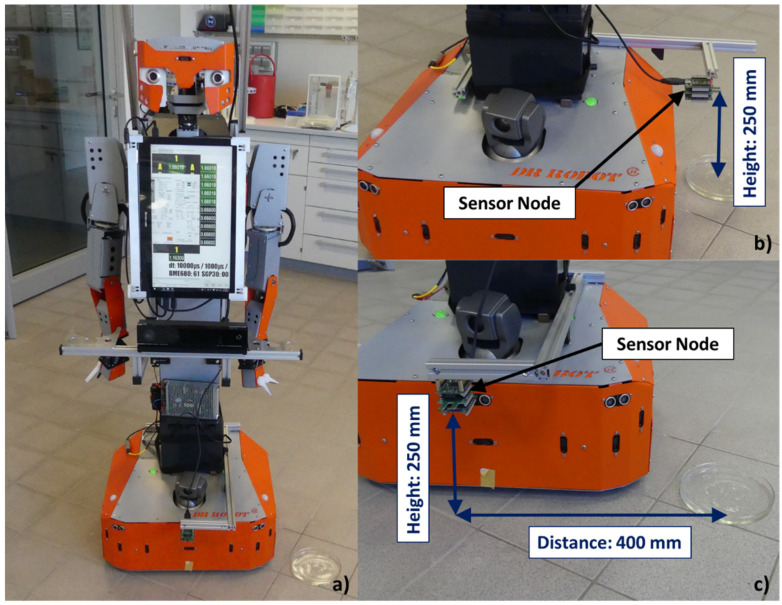
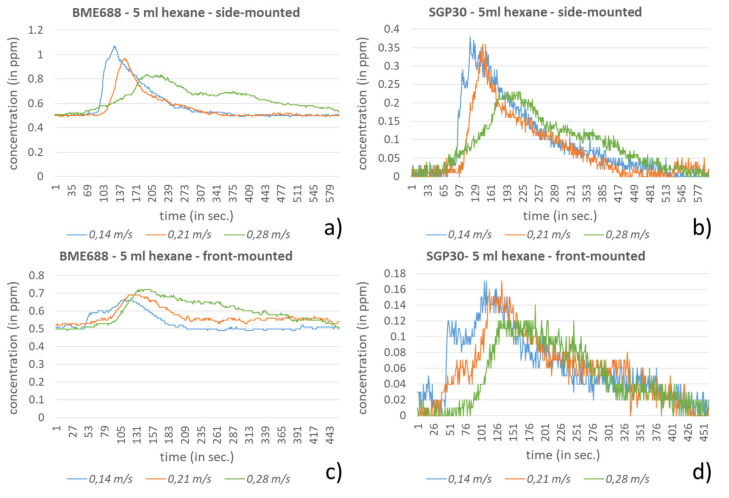
In recent years the degree of automation in life science laboratories increased considerably by introducing stationary and mobile robots. This trend requires intensified considerations of the occupational safety for cooperating humans, since the robots operate with low volatile compounds that partially emit hazardous vapors, which especially do arise if accidents or leakages occur. For the fast detection of such or similar situations a modular IoT-sensor node was developed. The sensor node consists of four hardware layers, which can be configured individually regarding basic functionality and measured parameters for varying application focuses. In this paper the sensor node is equipped with two gas sensors (BME688, SGP30) for a continuous TVOC measurement. In investigations under controlled laboratory conditions the general sensors' behavior regarding different VOCs and varying installation conditions are performed. In practical investigations the sensor node's integration into simple laboratory applications using stationary and mobile robots is shown and examined. The investigation results show that the selected sensors are suitable for the early detection of solvent vapors in life science laboratories. The sensor response and thus the system's applicability depends on the used compounds, the distance between sensor node and vapor source as well as the speed of the automation systems.
近年来,通过引入固定式和移动式机器人,生命科学实验室的自动化程度有了显著提高。这一趋势需要加强对协作人类的职业安全考虑,因为机器人使用挥发性低的化合物,这些化合物部分会释放出有害蒸气,如果发生事故或泄漏,这些蒸气尤其会产生。为了快速检测此类或类似情况,开发了一种模块化物联网传感器节点。该传感器节点由四个硬件层组成,可根据基本功能和不同应用重点的测量参数进行单独配置。在本文中,传感器节点配备了两个气体传感器(BME688、SGP30),用于进行连续的总挥发性有机化合物测量。在受控实验室条件下的研究中,对不同 VOC 和不同安装条件下的一般传感器行为进行了研究。在实际研究中,展示并检查了将传感器节点集成到使用固定式和移动式机器人的简单实验室应用中的情况。研究结果表明,所选传感器适用于早期检测生命科学实验室中的溶剂蒸气。传感器的响应以及因此系统的适用性取决于所用的化合物、传感器节点和蒸气源之间的距离以及自动化系统的速度。