Clinical Brain Networks Group, QIMR Berghofer Medical Research Institute, Brisbane, Queensland, Australia.
Department of Neuroimaging, Institute of Psychiatry, Psychology & Neuroscience, Kings College London, London, UK.
Hum Brain Mapp. 2022 Feb 1;43(2):733-749. doi: 10.1002/hbm.25682. Epub 2021 Nov 23.
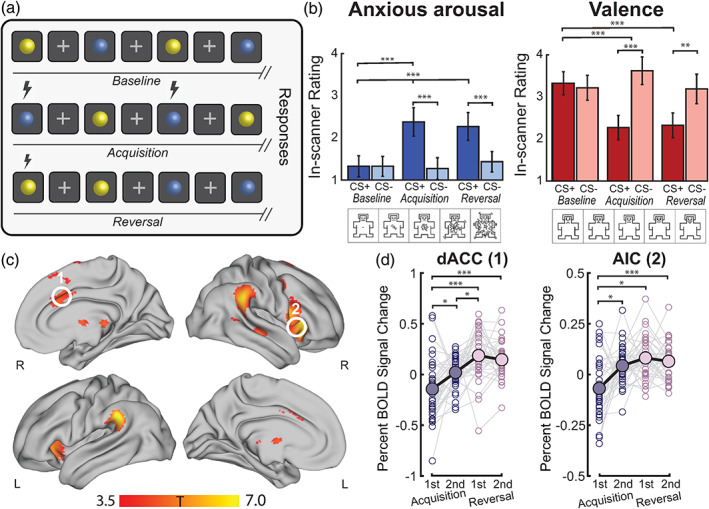
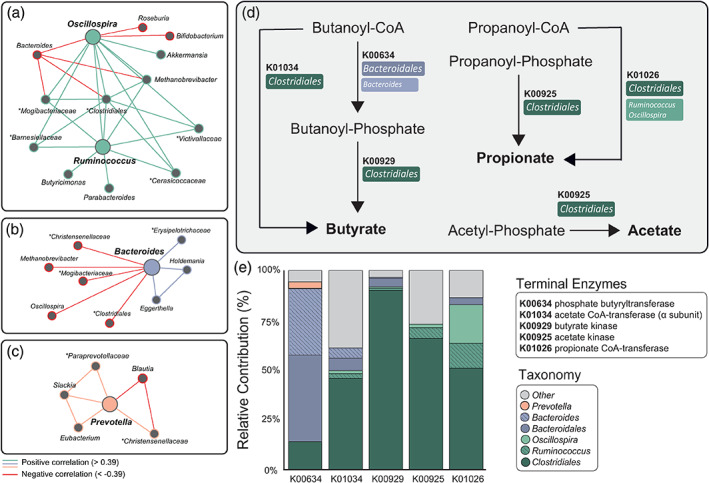
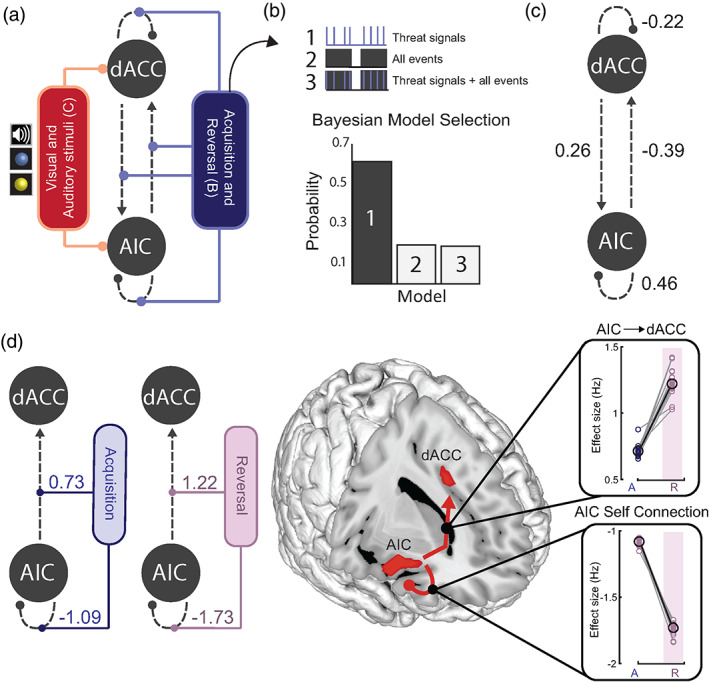
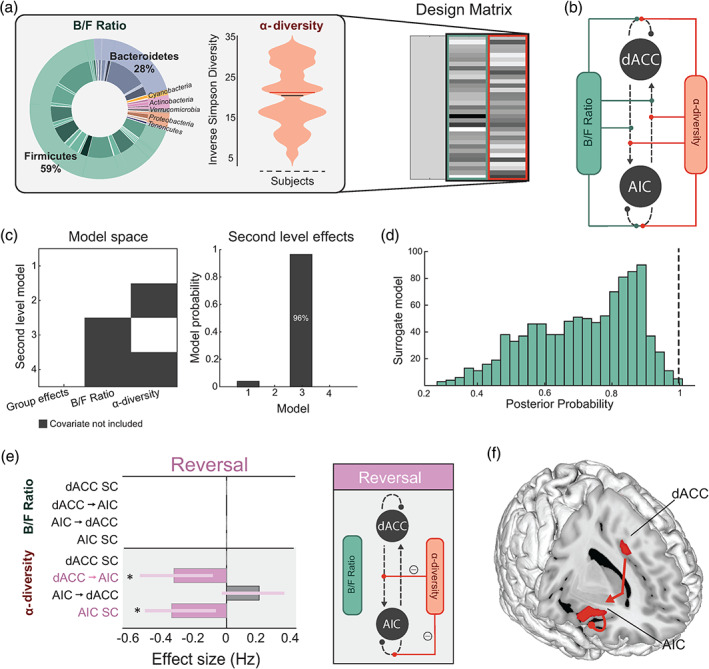
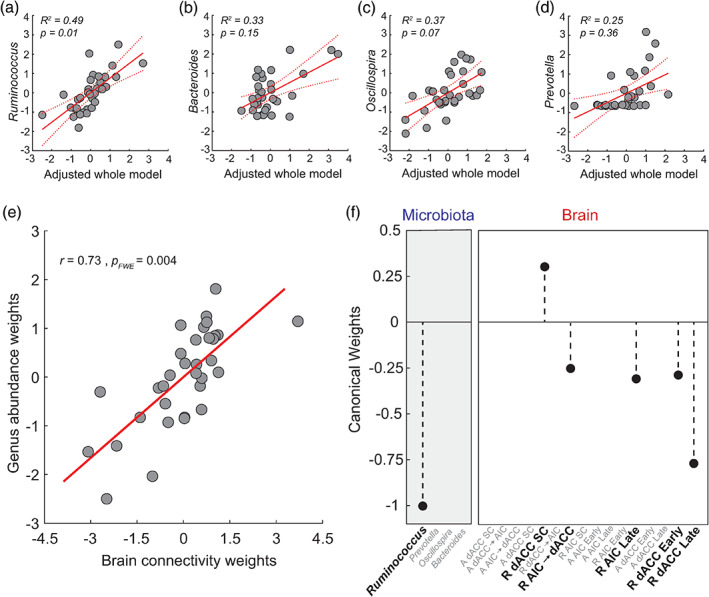
There is growing recognition that the composition of the gut microbiota influences behaviour, including responses to threat. The cognitive-interoceptive appraisal of threat-related stimuli relies on dynamic neural computations between the anterior insular (AIC) and the dorsal anterior cingulate (dACC) cortices. If, to what extent, and how microbial consortia influence the activity of this cortical threat processing circuitry is unclear. We addressed this question by combining a threat processing task, neuroimaging, 16S rRNA profiling and computational modelling in healthy participants. Results showed interactions between high-level ecological indices with threat-related AIC-dACC neural dynamics. At finer taxonomic resolutions, the abundance of Ruminococcus was differentially linked to connectivity between, and activity within the AIC and dACC during threat updating. Functional inference analysis provides a strong rationale to motivate future investigations of microbiota-derived metabolites in the observed relationship with threat-related brain processes.
越来越多的人认识到,肠道微生物组的组成会影响行为,包括对威胁的反应。与威胁相关的刺激的认知-内脏感知评估依赖于前岛叶(AIC)和背侧前扣带皮层(dACC)之间的动态神经计算。如果微生物群落以何种程度以及如何影响这种皮质威胁处理回路的活动尚不清楚。我们通过在健康参与者中结合威胁处理任务、神经影像学、16S rRNA 分析和计算模型来解决这个问题。结果表明,高水平生态指数与与威胁相关的 AIC-dACC 神经动力学之间存在相互作用。在更精细的分类学分辨率下,瘤胃球菌的丰度与威胁更新过程中 AIC 和 dACC 之间的连通性以及 AIC 和 dACC 内的活动呈差异相关。功能推理分析为未来研究与威胁相关的大脑过程中观察到的微生物衍生代谢物提供了强有力的理由。