Hung King L, Yost Kathryn E, Xie Liangqi, Shi Quanming, Helmsauer Konstantin, Luebeck Jens, Schöpflin Robert, Lange Joshua T, Chamorro González Rocío, Weiser Natasha E, Chen Celine, Valieva Maria E, Wong Ivy Tsz-Lo, Wu Sihan, Dehkordi Siavash R, Duffy Connor V, Kraft Katerina, Tang Jun, Belk Julia A, Rose John C, Corces M Ryan, Granja Jeffrey M, Li Rui, Rajkumar Utkrisht, Friedlein Jordan, Bagchi Anindya, Satpathy Ansuman T, Tjian Robert, Mundlos Stefan, Bafna Vineet, Henssen Anton G, Mischel Paul S, Liu Zhe, Chang Howard Y
Center for Personal Dynamic Regulomes, Stanford University School of Medicine, Stanford, CA, USA.
Janelia Research Campus, Howard Hughes Medical Institute, Ashburn, VA, USA.
Nature. 2021 Dec;600(7890):731-736. doi: 10.1038/s41586-021-04116-8. Epub 2021 Nov 24.
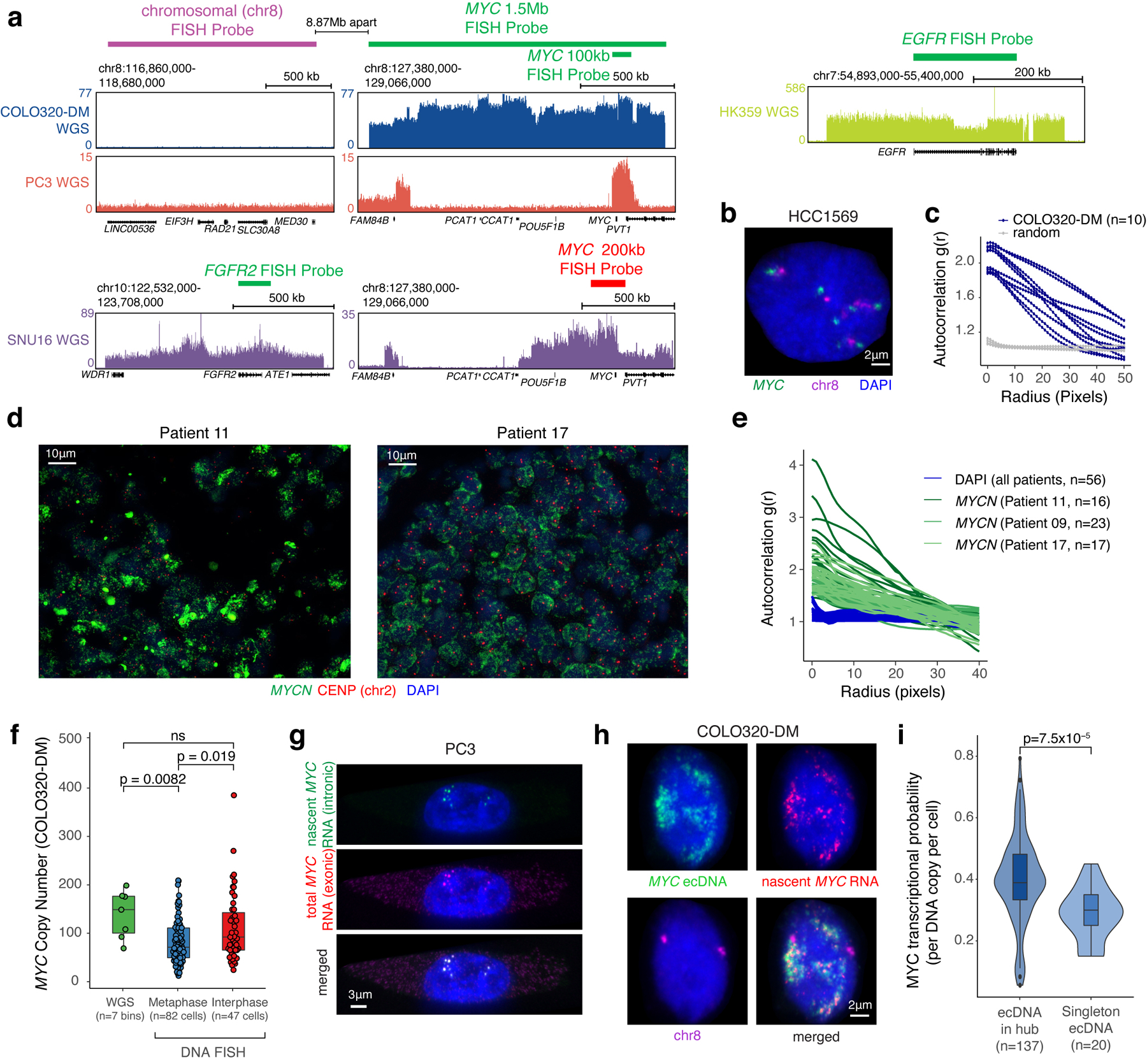
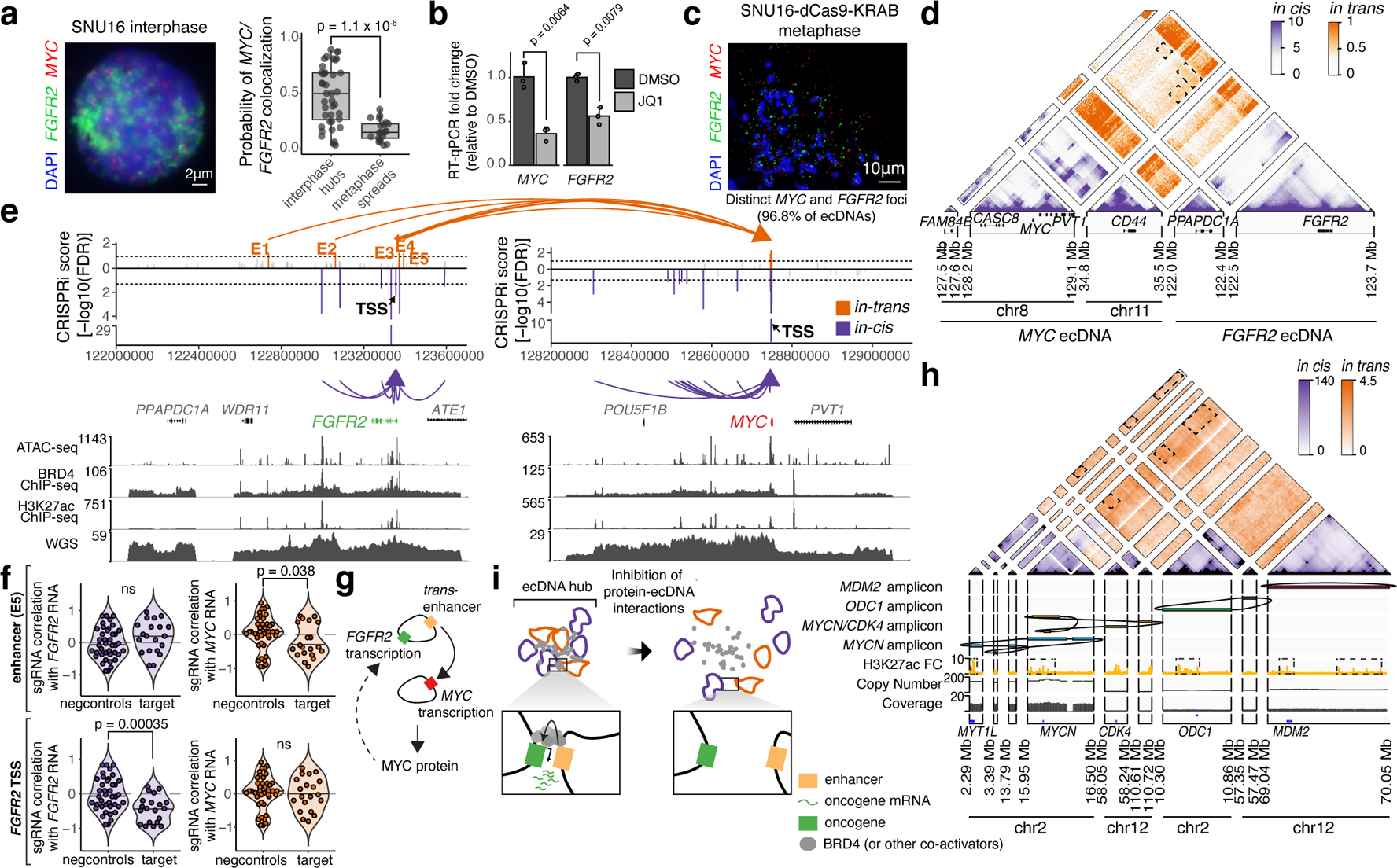
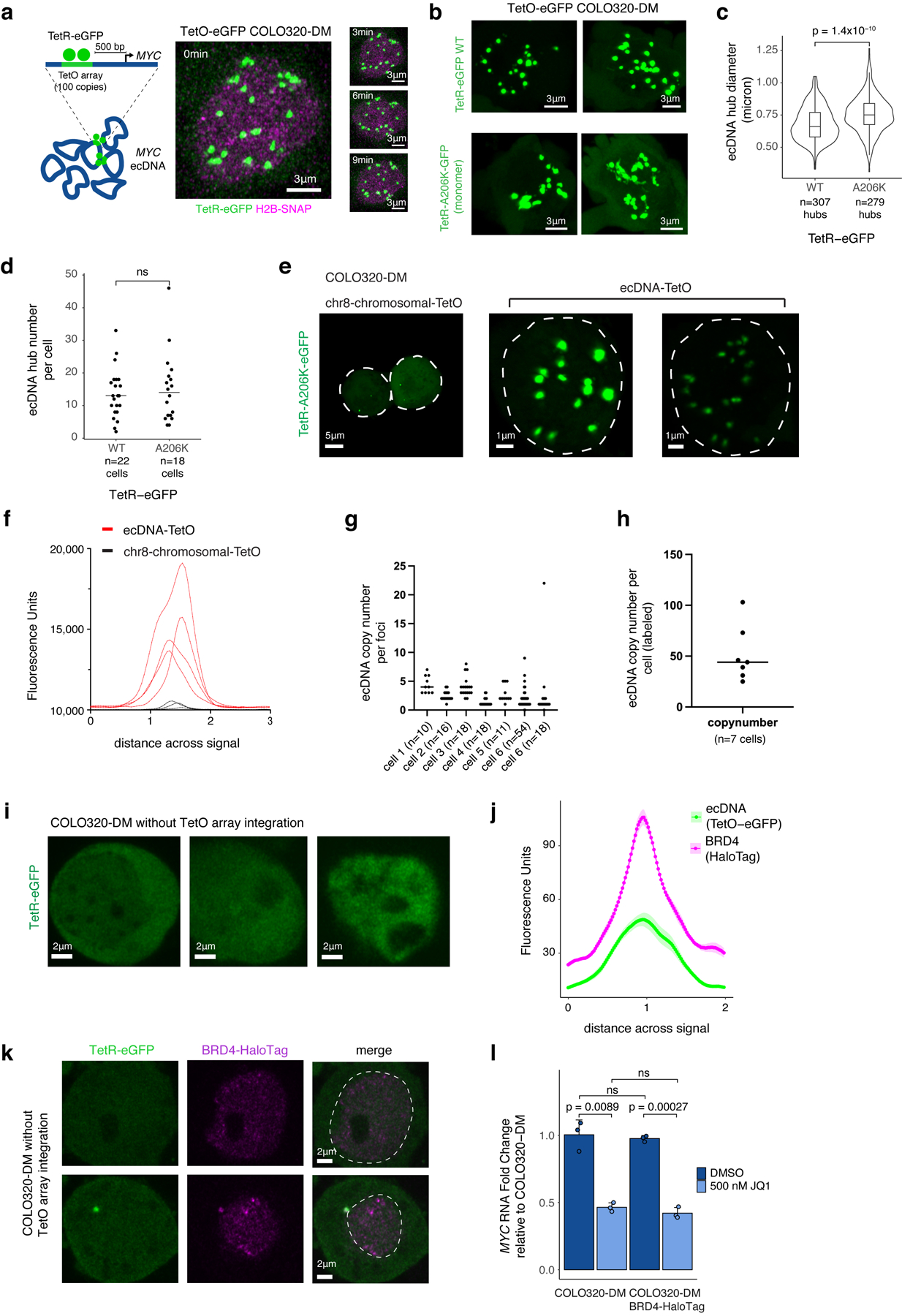
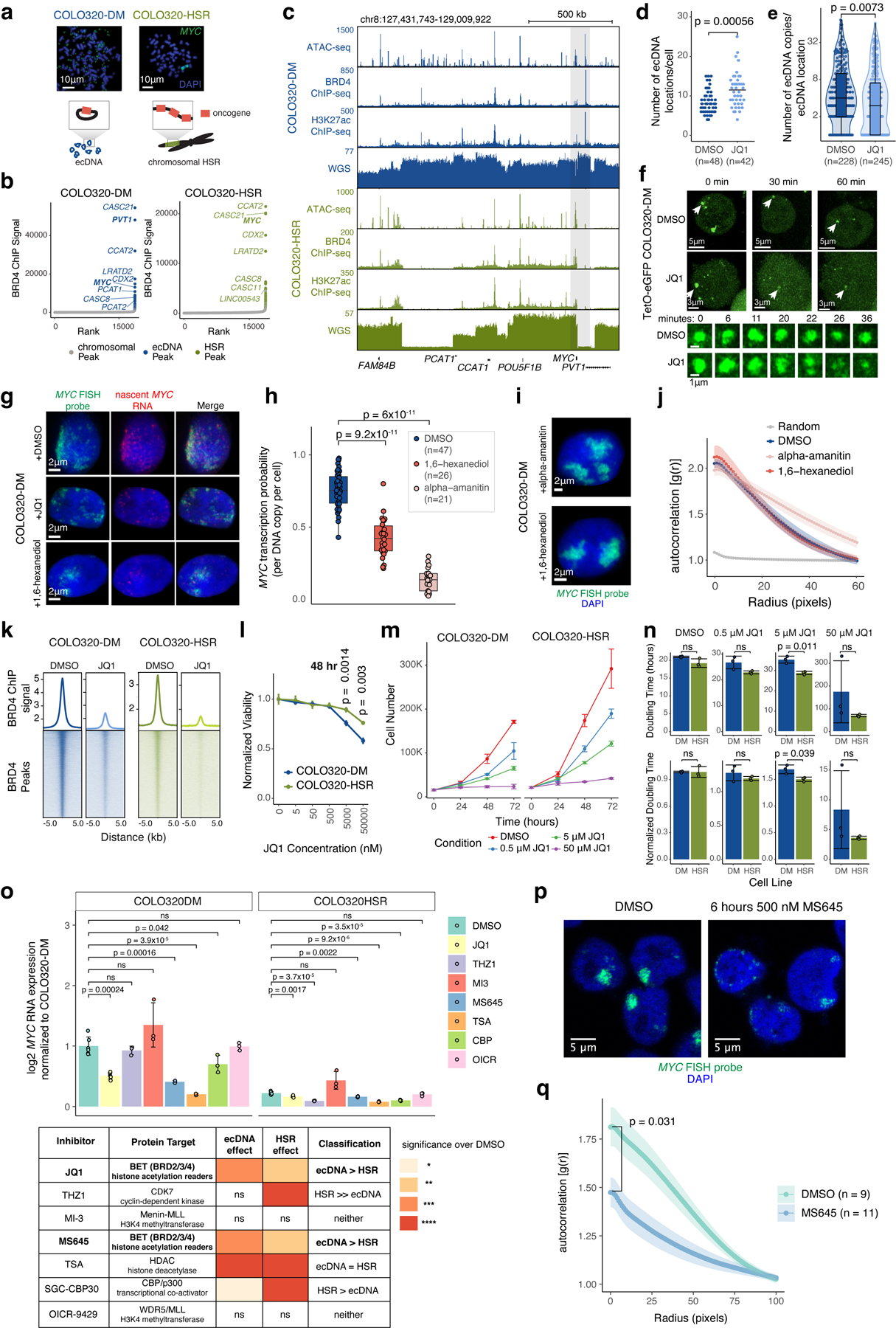
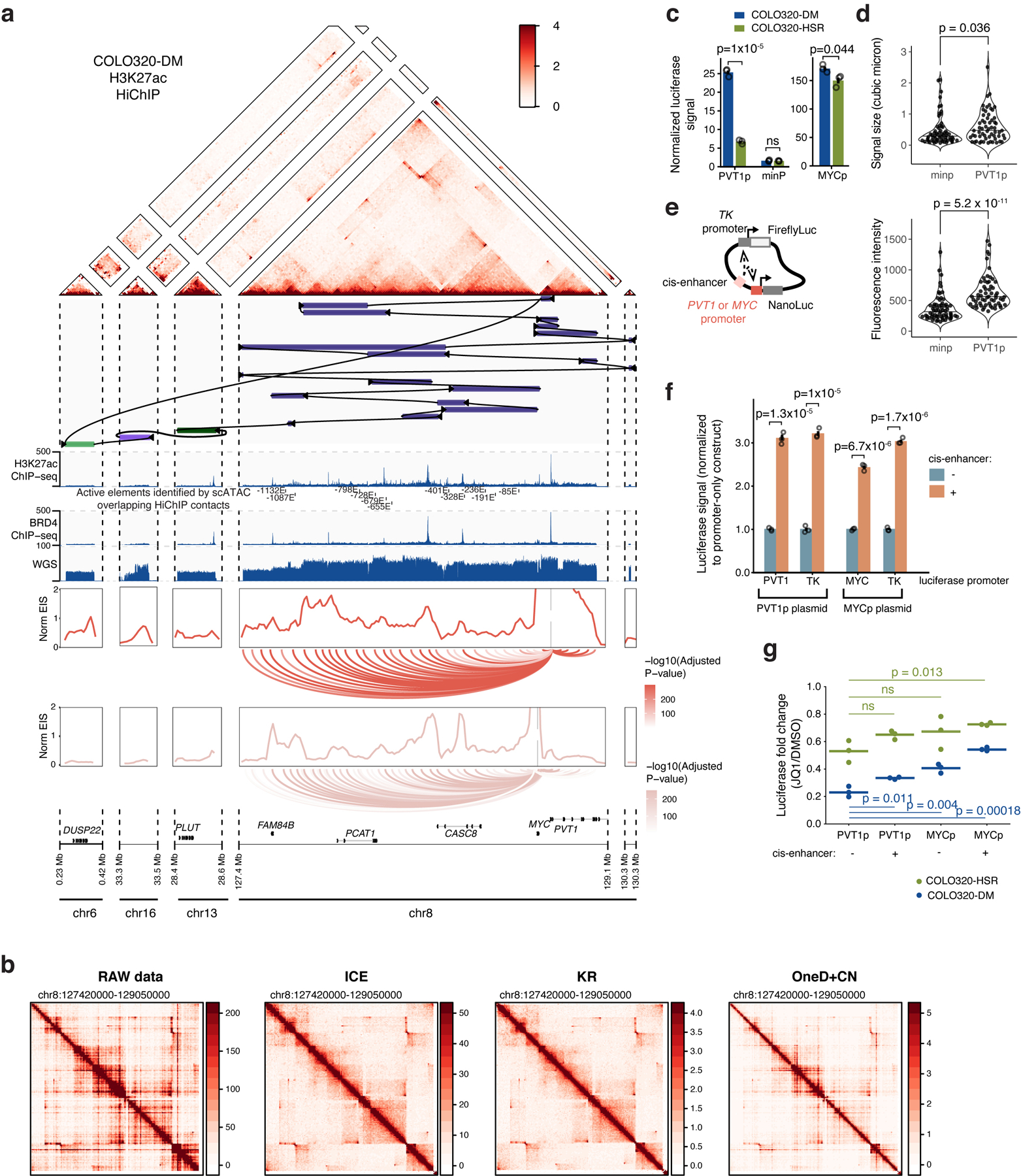
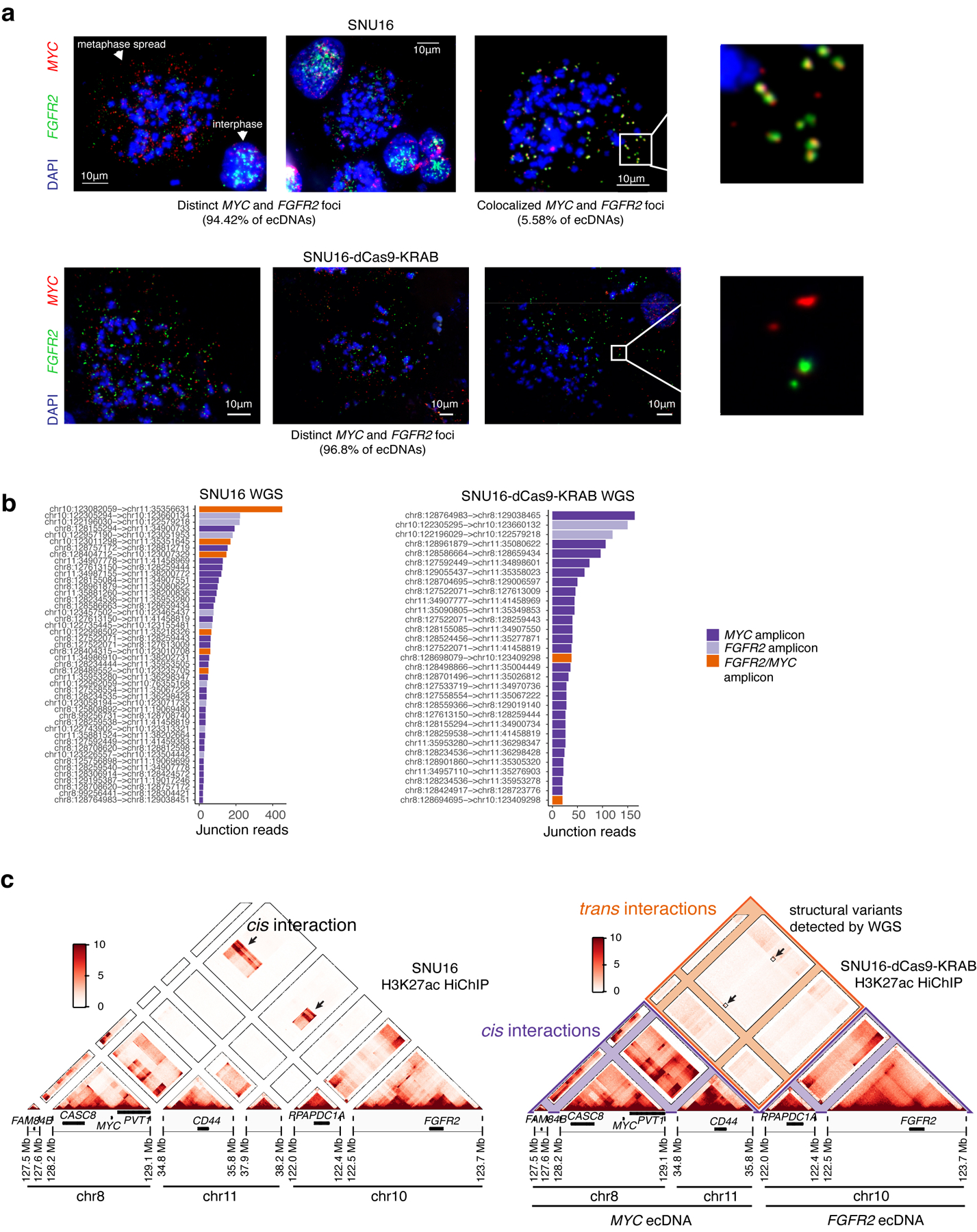
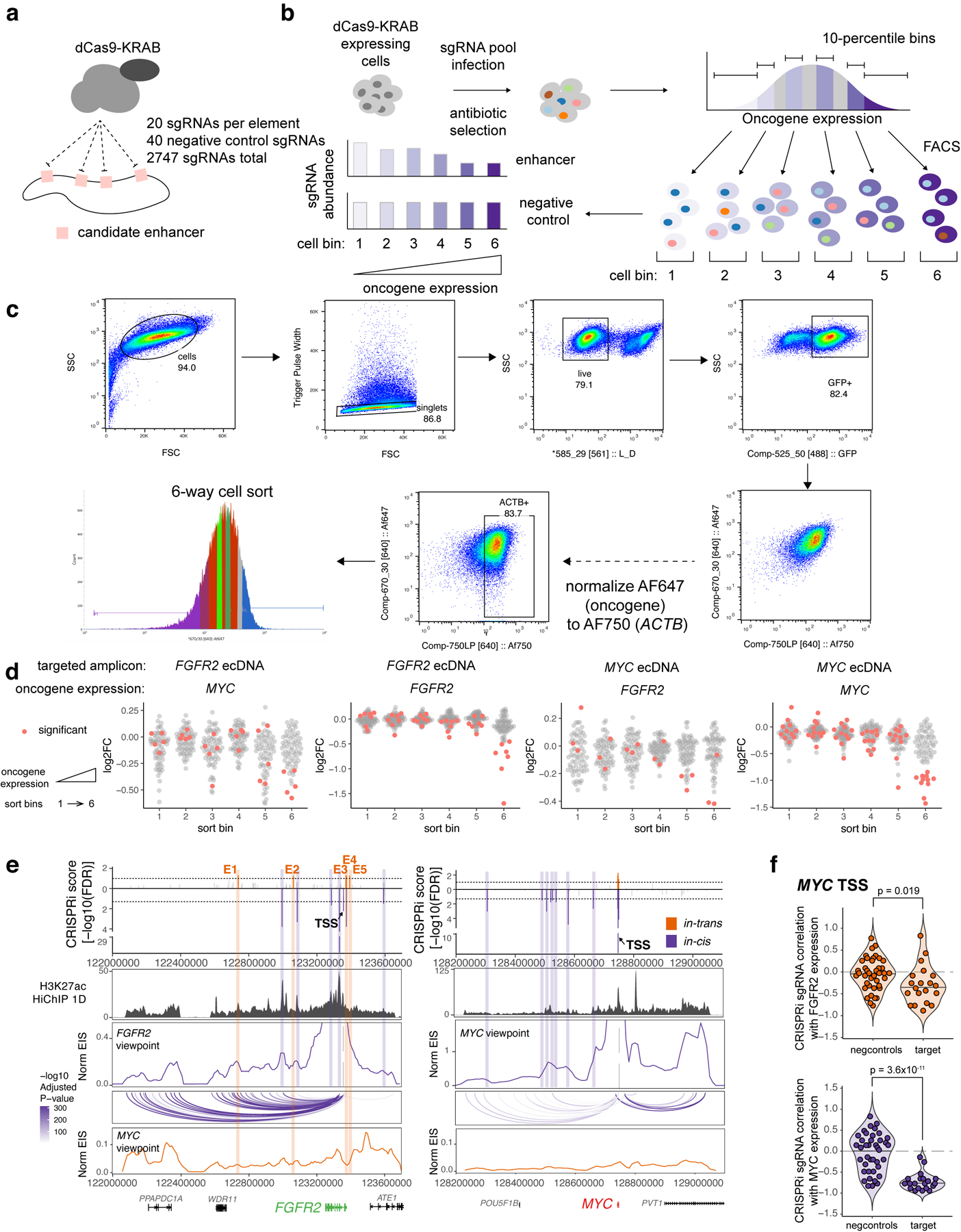
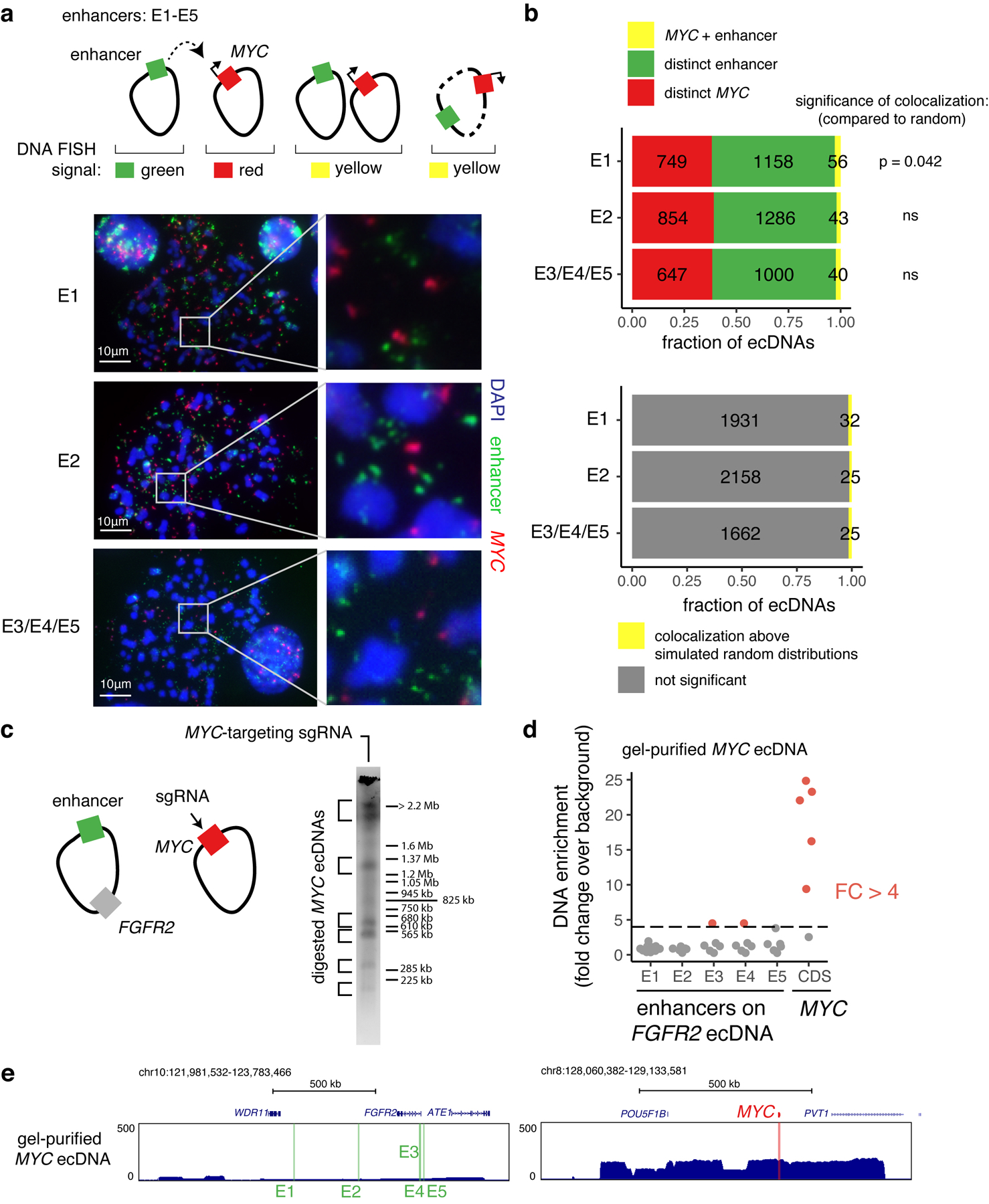
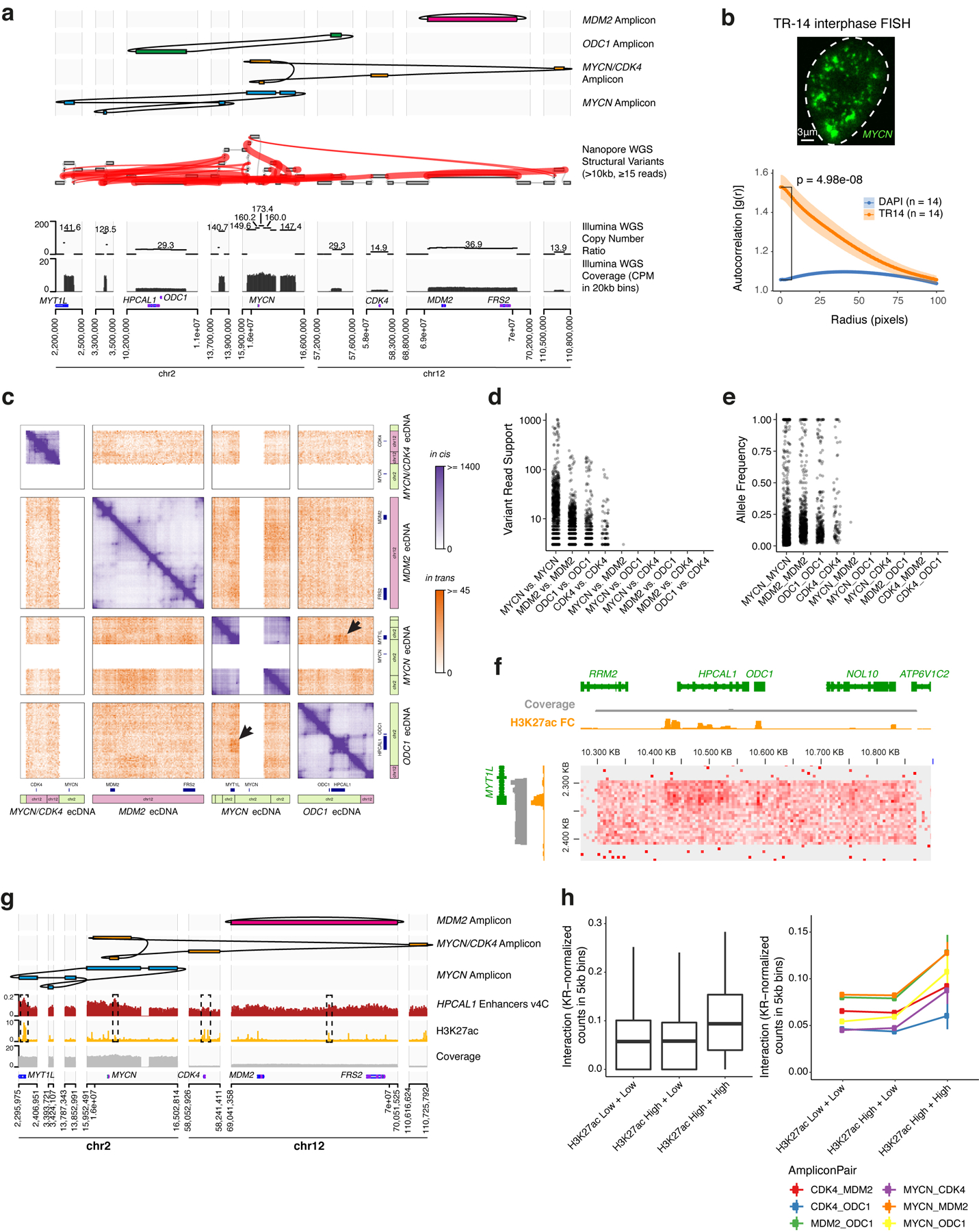
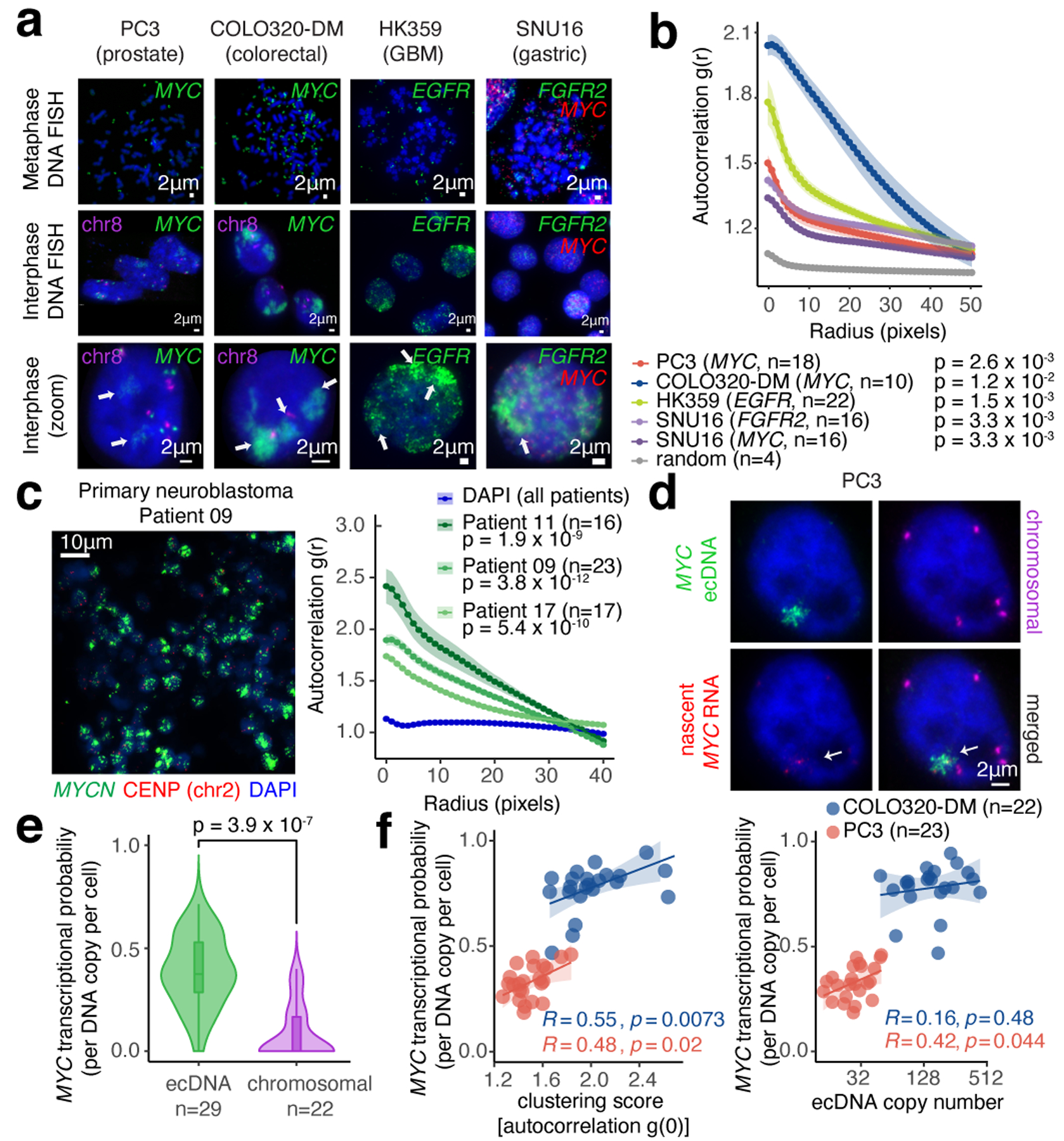
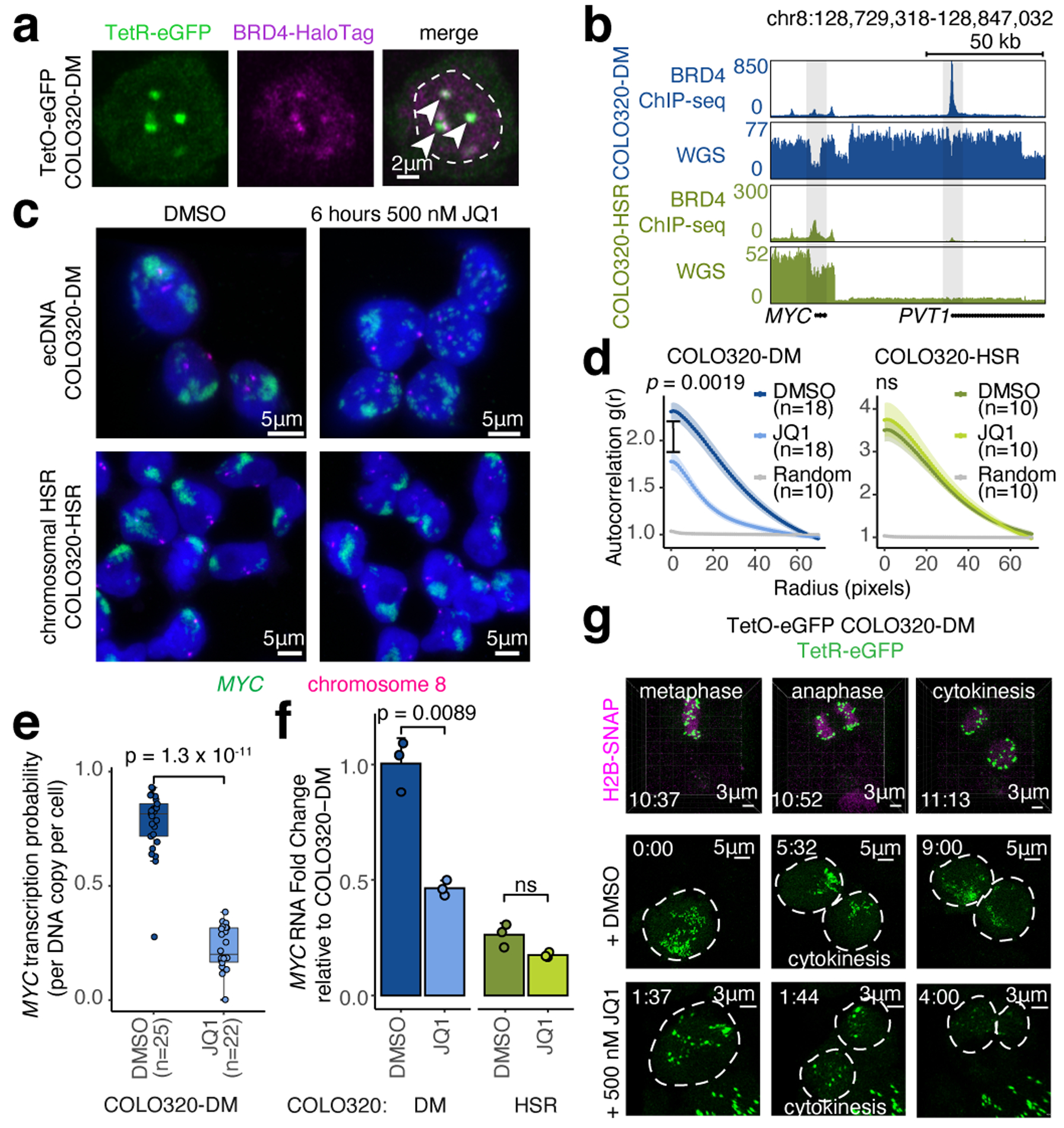
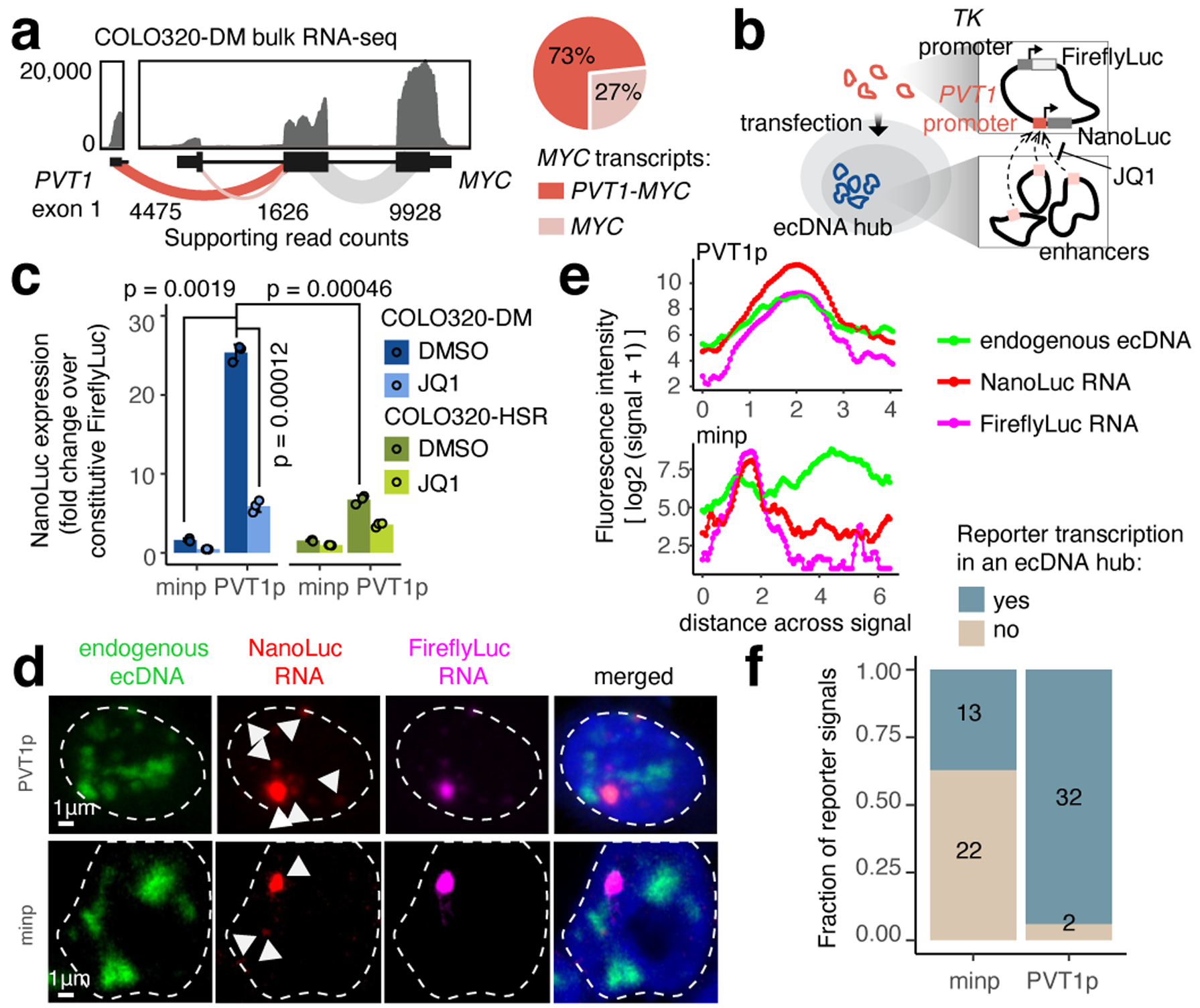
Extrachromosomal DNA (ecDNA) is prevalent in human cancers and mediates high expression of oncogenes through gene amplification and altered gene regulation. Gene induction typically involves cis-regulatory elements that contact and activate genes on the same chromosome. Here we show that ecDNA hubs-clusters of around 10-100 ecDNAs within the nucleus-enable intermolecular enhancer-gene interactions to promote oncogene overexpression. ecDNAs that encode multiple distinct oncogenes form hubs in diverse cancer cell types and primary tumours. Each ecDNA is more likely to transcribe the oncogene when spatially clustered with additional ecDNAs. ecDNA hubs are tethered by the bromodomain and extraterminal domain (BET) protein BRD4 in a MYC-amplified colorectal cancer cell line. The BET inhibitor JQ1 disperses ecDNA hubs and preferentially inhibits ecDNA-derived-oncogene transcription. The BRD4-bound PVT1 promoter is ectopically fused to MYC and duplicated in ecDNA, receiving promiscuous enhancer input to drive potent expression of MYC. Furthermore, the PVT1 promoter on an exogenous episome suffices to mediate gene activation in trans by ecDNA hubs in a JQ1-sensitive manner. Systematic silencing of ecDNA enhancers by CRISPR interference reveals intermolecular enhancer-gene activation among multiple oncogene loci that are amplified on distinct ecDNAs. Thus, protein-tethered ecDNA hubs enable intermolecular transcriptional regulation and may serve as units of oncogene function and cooperative evolution and as potential targets for cancer therapy.
染色体外DNA(ecDNA)在人类癌症中普遍存在,并通过基因扩增和改变基因调控介导癌基因的高表达。基因诱导通常涉及与同一条染色体上的基因接触并激活它们的顺式调控元件。在这里,我们表明,ecDNA中心——细胞核内由大约10-100个ecDNA组成的簇——能够实现分子间增强子-基因相互作用,从而促进癌基因的过表达。编码多种不同癌基因的ecDNA在多种癌细胞类型和原发性肿瘤中形成中心。当与其他ecDNA在空间上聚集时,每个ecDNA转录癌基因的可能性更大。在一个MYC扩增的结直肠癌细胞系中,ecDNA中心由溴结构域和额外末端结构域(BET)蛋白BRD4锚定。BET抑制剂JQ1可分散ecDNA中心,并优先抑制ecDNA衍生的癌基因转录。与BRD4结合的PVT1启动子异位融合到MYC并在ecDNA中复制,接受混杂的增强子输入以驱动MYC的高效表达。此外,外源性附加体上的PVT1启动子足以以JQ1敏感的方式介导ecDNA中心的反式基因激活。通过CRISPR干扰对ecDNA增强子进行系统沉默,揭示了在不同ecDNA上扩增的多个癌基因位点之间的分子间增强子-基因激活。因此,蛋白质锚定的ecDNA中心能够实现分子间转录调控,并可能作为癌基因功能和协同进化的单位以及癌症治疗的潜在靶点。