Liu Yalin, Cai Guangping, Chen Peng, Jiang Tiejian, Xia Zhuying
Department of Endocrinology, Endocrinology Research Center, Xiangya Hospital of Central South University, Changsha, China.
Department of Orthopedic, Xiangya Hospital of Central South University, Changsha, China.
PeerJ. 2021 Nov 18;9:e12253. doi: 10.7717/peerj.12253. eCollection 2021.
Osteoporosis has gradually become a public health problem in the world. However, the exact molecular mechanism of osteoporosis still remains unclear. Senescence and osteogenic differentiation inhibition of bone marrow mesenchymal stem cells (BMSCs ) are supposed to play an important part in osteoporosis.
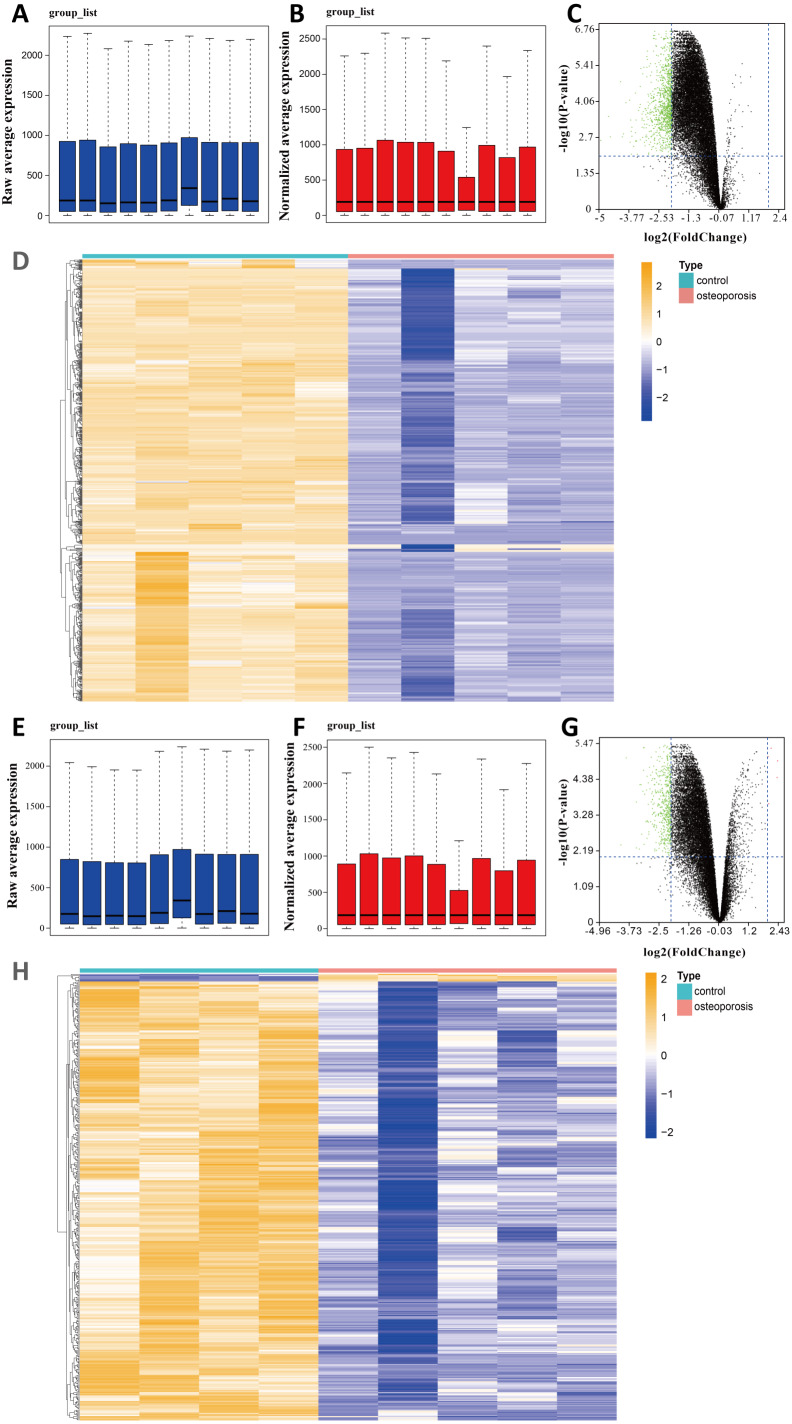
We used two gene expression profiles (GSE35956 and GSE35958) associated with osteoporosis and selected the promising gene Ubiquitin-conjugating enzyme E2 E3 (UBE2E3). We then verified its function and mechanism by experiments.
UBE2E3 was highly expressed in the bone marrow and positively associated with osteogenesis related genes. Besides, UBE2E3 expression reduced in old BMSCs compared with that in young BMSCs. In experiments, knockdown of UBE2E3 accelerated cellular senescence and inhibited osteogenic differentiation of young BMSCs. On the other hand, overexpression of UBE2E3 attenuated cellular senescence as well as enhanced osteogenic differentiation of old BMSCs. Mechanistically, UBE2E3 might regulate the nuclear factor erythroid 2-related factor (Nrf2) and control its function, thus affecting the senescence and osteogenic differentiation of BMSCs.
UBE2E3 may be potentially involved in the pathogenesis of osteoporosis by regulating cellular senescence and osteogenic differentiation of BMSCs.
骨质疏松症已逐渐成为一个全球性的公共卫生问题。然而,骨质疏松症的确切分子机制仍不清楚。骨髓间充质干细胞(BMSCs)的衰老和成骨分化抑制被认为在骨质疏松症中起重要作用。
我们使用了两个与骨质疏松症相关的基因表达谱(GSE35956和GSE35958),并筛选出有前景的基因泛素结合酶E2 E3(UBE2E3)。然后我们通过实验验证了它的功能和机制。
UBE2E3在骨髓中高表达,且与成骨相关基因呈正相关。此外,与年轻BMSCs相比,老年BMSCs中UBE2E3表达降低。在实验中,敲低UBE2E3加速了年轻BMSCs的细胞衰老并抑制其成骨分化。另一方面,过表达UBE2E3减轻了老年BMSCs的细胞衰老并增强了其成骨分化。机制上,UBE2E3可能调节核因子红细胞2相关因子(Nrf2)并控制其功能,从而影响BMSCs的衰老和成骨分化。
UBE2E3可能通过调节BMSCs的细胞衰老和成骨分化而潜在地参与骨质疏松症的发病机制。