Scheidemann Erin R, Shajahan-Haq Ayesha N
Lombardi Comprehensive Cancer Center, Department of Oncology, Georgetown University Medical Center, Washington, DC 20057, USA.
Int J Mol Sci. 2021 Nov 14;22(22):12292. doi: 10.3390/ijms222212292.
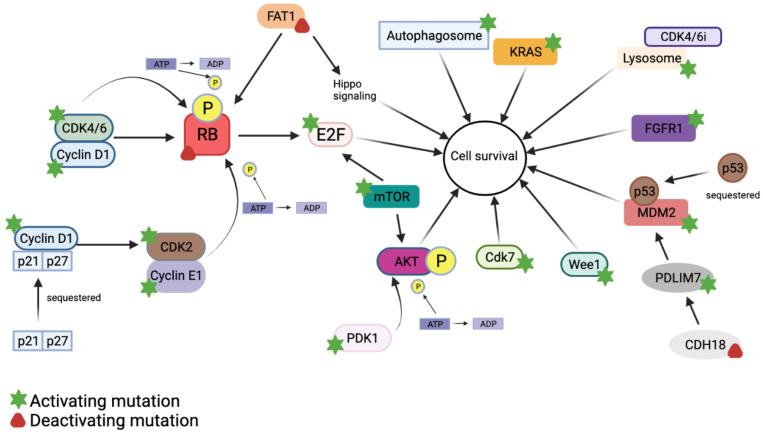
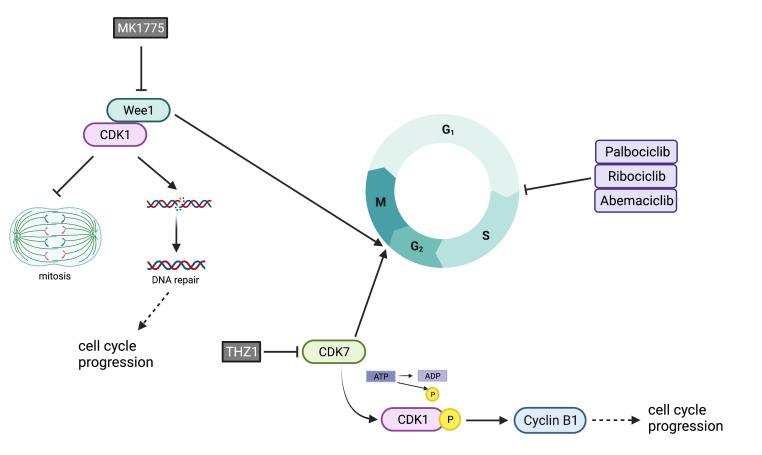
Estrogen receptor-positive (ER+) breast cancer is the most common form of breast cancer. Antiestrogens were the first therapy aimed at treating this subtype, but resistance to these warranted the development of a new treatment option. CDK4/6 inhibitors address this problem by halting cell cycle progression in ER+ cells, and have proven to be successful in the clinic. Unfortunately, both intrinsic and acquired resistance to CDK4/6 inhibitors are common. Numerous mechanisms of how resistance occurs have been identified to date, including the activation of prominent growth signaling pathways, the loss of tumor-suppressive genes, and noncanonical cell cycle function. Many of these have been successfully targeted and demonstrate the ability to overcome resistance to CDK4/6 inhibitors in preclinical and clinical trials. Future studies should focus on the development of biomarkers so that patients likely to be resistant to CDK4/6 inhibition can initially be given alternative methods of treatment.
雌激素受体阳性(ER+)乳腺癌是最常见的乳腺癌形式。抗雌激素药物是针对这种亚型的第一种治疗方法,但对这些药物产生的耐药性促使人们开发新的治疗选择。CDK4/6抑制剂通过阻止ER+细胞的细胞周期进程来解决这一问题,并已在临床上被证明是成功的。不幸的是,对CDK4/6抑制剂的固有耐药性和获得性耐药性都很常见。迄今为止,已经确定了许多耐药发生的机制,包括主要生长信号通路的激活、肿瘤抑制基因的缺失以及非经典细胞周期功能。其中许多机制已被成功靶向,并在临床前和临床试验中显示出克服对CDK4/6抑制剂耐药性的能力。未来的研究应专注于生物标志物的开发,以便最初就可以为可能对CDK4/6抑制耐药的患者提供替代治疗方法。