Faculty of Dentistry, University of Toronto, Toronto, ON M5G 1G6, Canada.
Division of Pure and Applied Biochemistry, Center of Applied Life Sciences, Lund University, 223 62 Lund, Sweden.
Int J Mol Sci. 2021 Nov 15;22(22):12343. doi: 10.3390/ijms222212343.
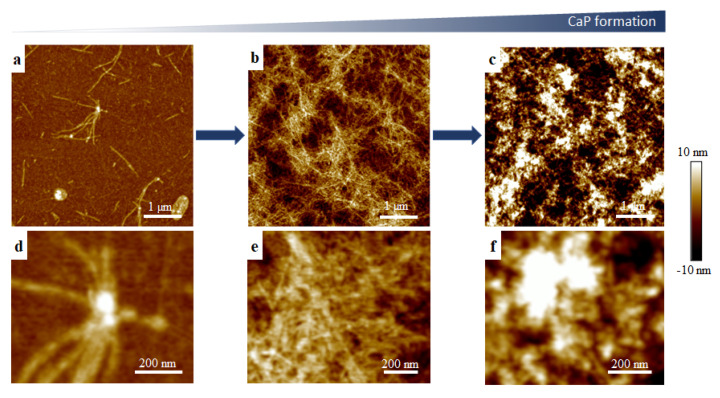
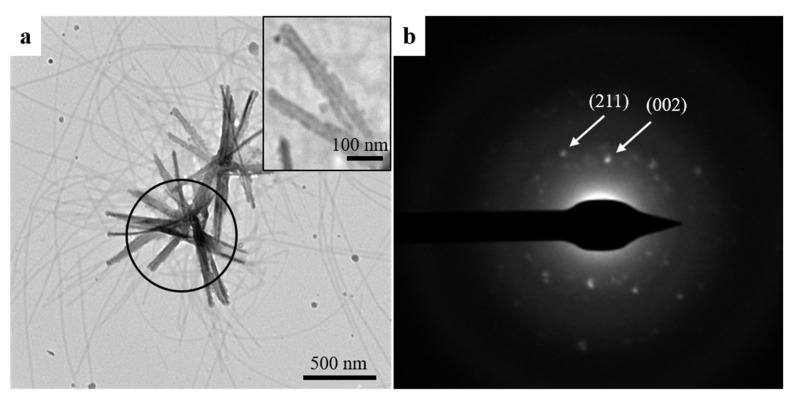
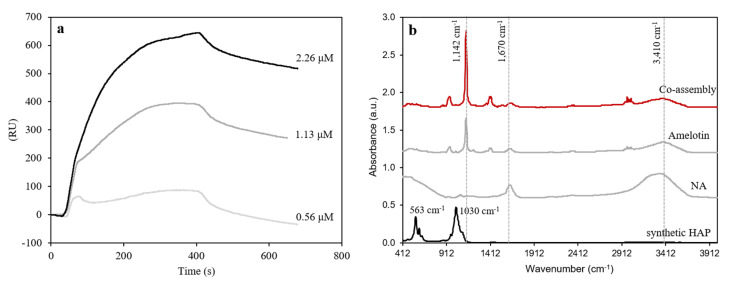
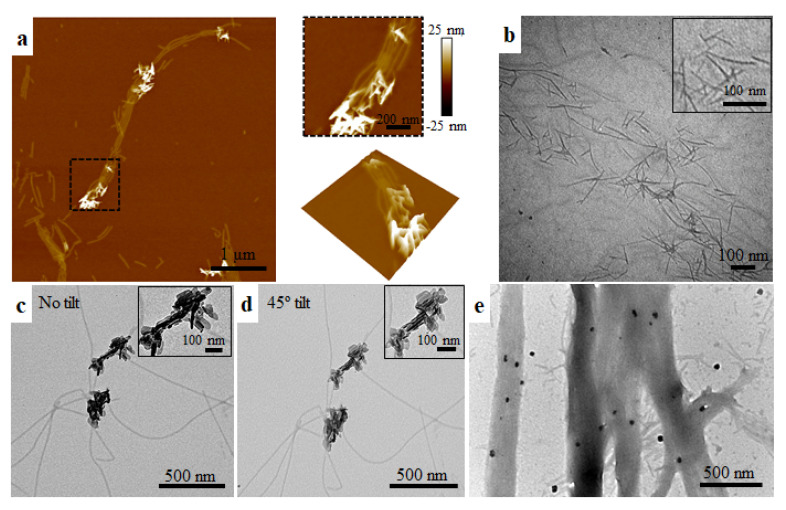
Biomineralization is a crucial process whereby organisms produce mineralized tissues such as teeth for mastication, bones for support, and shells for protection. Mineralized tissues are composed of hierarchically organized hydroxyapatite crystals, with a limited capacity to regenerate when demineralized or damaged past a critical size. Thus, the development of protein-based materials that act as artificial scaffolds to guide hydroxyapatite growth is an attractive goal both for the design of ordered nanomaterials and for tissue regeneration. In particular, amelogenin, which is the main protein that scaffolds the hierarchical organization of hydroxyapatite crystals in enamel, amelogenin recombinamers, and amelogenin-derived peptide scaffolds have all been investigated for in vitro mineral growth. Here, we describe uniaxial hydroxyapatite growth on a nanoengineered amelogenin scaffold in combination with amelotin, a mineral promoting protein present during enamel formation. This bio-inspired approach for hydroxyapatite growth may inform the molecular mechanism of hydroxyapatite formation in vitro as well as possible mechanisms at play during mineralized tissue formation.
生物矿化是一个关键的过程,通过这个过程,生物体产生矿化组织,如用于咀嚼的牙齿、用于支撑的骨骼和用于保护的贝壳。矿化组织由分级组织的羟基磷灰石晶体组成,当脱矿质或损坏超过临界尺寸时,其再生能力有限。因此,开发作为人工支架引导羟基磷灰石生长的基于蛋白质的材料,既是设计有序纳米材料的一个有吸引力的目标,也是组织再生的一个有吸引力的目标。特别是釉原蛋白,它是支架羟基磷灰石晶体在釉质中分级组织的主要蛋白质,釉原蛋白重组蛋白和釉原蛋白衍生的肽支架都已经被用于体外矿物生长的研究。在这里,我们描述了在纳米工程化釉原蛋白支架上的单轴羟基磷灰石生长,同时还研究了釉蛋白,这是釉质形成过程中存在的一种促进矿物质生长的蛋白质。这种仿生的羟基磷灰石生长方法可以为体外羟基磷灰石形成的分子机制以及矿化组织形成过程中可能发挥作用的机制提供信息。