Harvard Medical School Initiative for RNA Medicine, Harvard Medical School, Boston, MA 02115, USA.
Harvard Stem Cell Institute, Harvard Medical School, Boston, MA 02115, USA.
Cells. 2021 Nov 2;10(11):2986. doi: 10.3390/cells10112986.
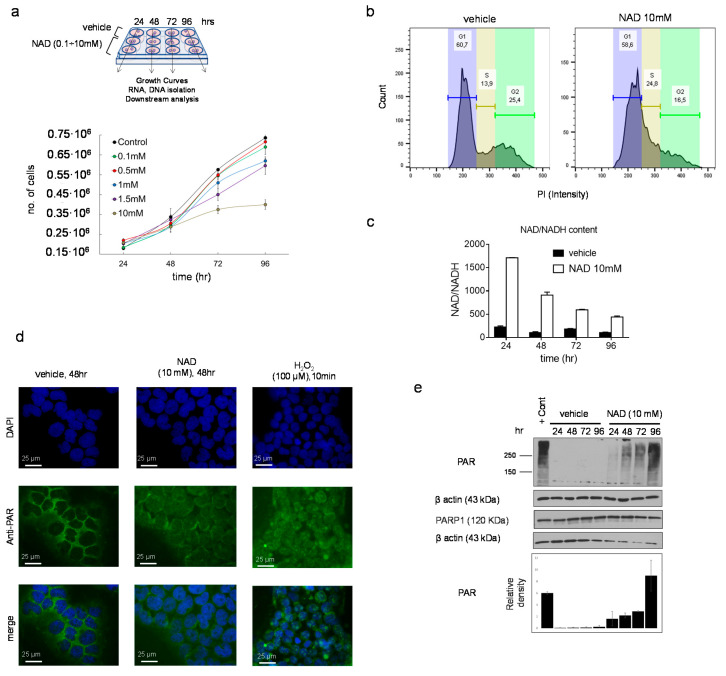
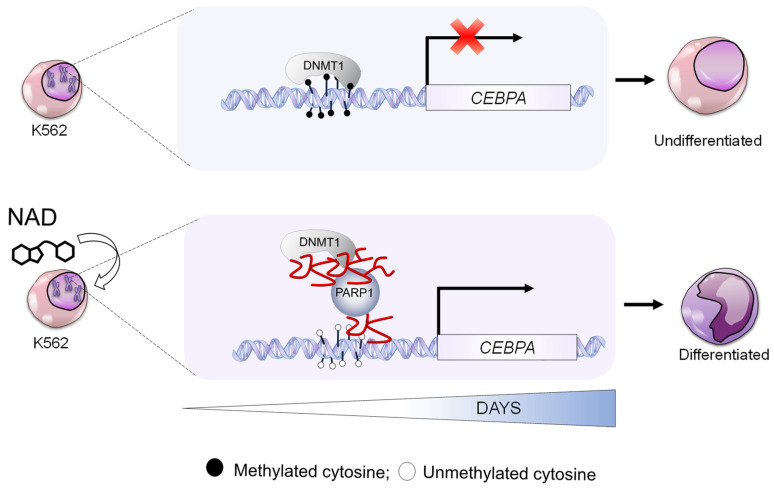
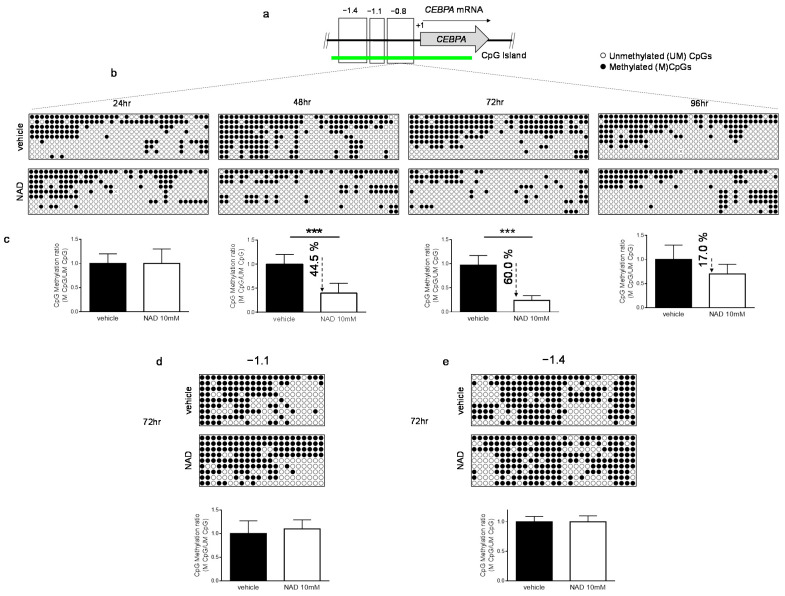
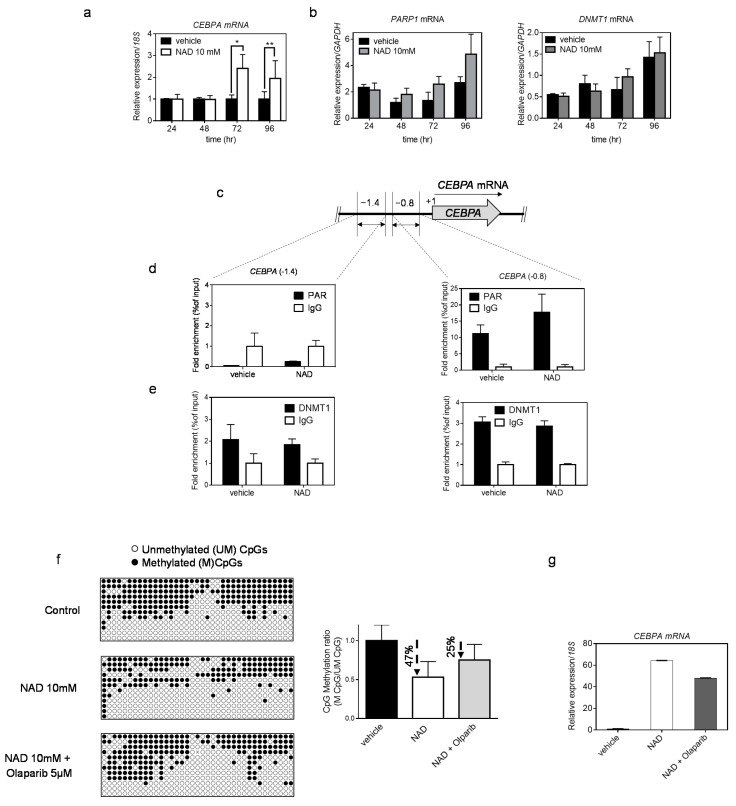
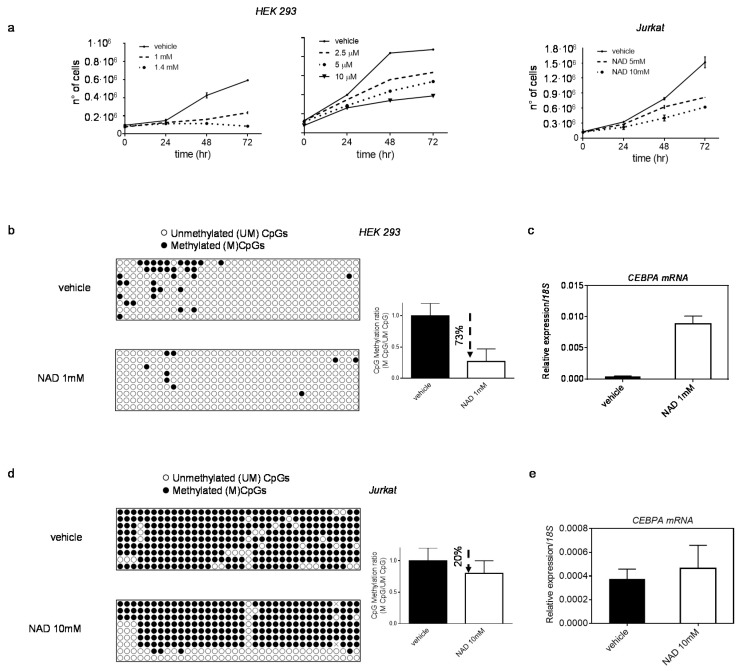
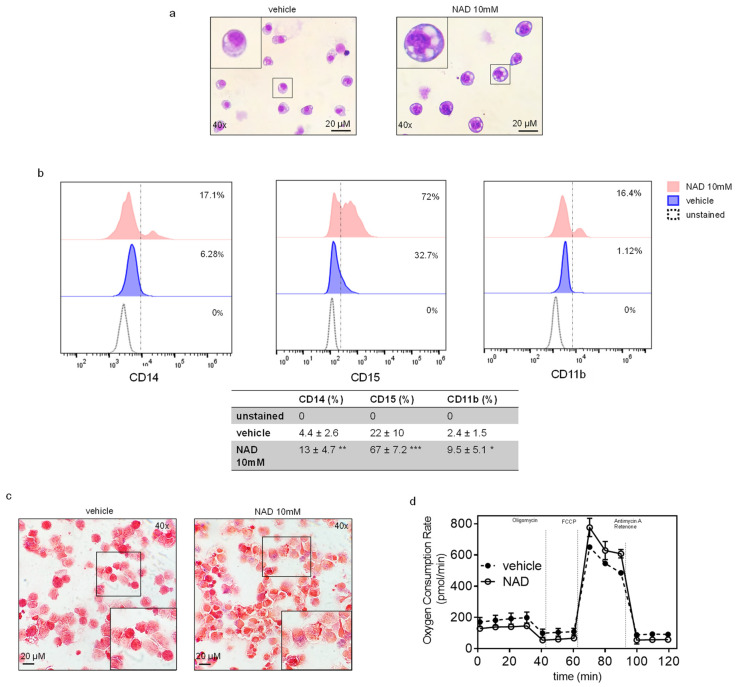
Nutritional intake impacts the human epigenome by directing epigenetic pathways in normal cell development via as yet unknown molecular mechanisms. Consequently, imbalance in the nutritional intake is able to dysregulate the epigenetic profile and drive cells towards malignant transformation. Here we present a novel epigenetic effect of the essential nutrient, NAD. We demonstrate that impairment of DNMT1 enzymatic activity by NAD-promoted ADP-ribosylation leads to demethylation and transcriptional activation of the gene, suggesting the existence of an unknown NAD-controlled region within the locus. In addition to the molecular events, NAD- treated cells exhibit significant morphological and phenotypical changes that correspond to myeloid differentiation. Collectively, these results delineate a novel role for NAD in cell differentiation, and indicate novel nutri-epigenetic strategies to regulate and control gene expression in human cells.
营养摄入通过未知的分子机制指导正常细胞发育中的表观遗传途径,从而影响人类的表观基因组。因此,营养摄入的不平衡能够使表观遗传特征失调,并促使细胞向恶性转化。在这里,我们提出了必需营养素 NAD 的一种新的表观遗传效应。我们证明,NAD 促进的 ADP-核糖基化对 DNMT1 酶活性的损害导致 基因的去甲基化和转录激活,这表明在该基因座内存在未知的 NAD 控制区域。除了分子事件外,NAD 处理的细胞还表现出与髓样分化相对应的显著形态和表型变化。总之,这些结果描绘了 NAD 在细胞分化中的新作用,并表明了新的营养 - 表观遗传策略,以调节和控制人类细胞中的基因表达。