Nonoyama Shun, Karakida Takeo, Chiba-Ohkuma Risako, Yamamoto Ryuji, Ujiie Yuko, Nagano Takatoshi, Yamakoshi Yasuo, Gomi Kazuhiro
Department of Periodontology, School of Dental Medicine, Tsurumi University, 2-1-3 Tsurumi, Tsurumi-ku, Yokohama 230-8501, Japan.
Department of Biochemistry and Molecular Biology, School of Dental Medicine, Tsurumi University, 2-1-3 Tsurumi, Tsurumi-ku, Yokohama 230-8501, Japan.
Cells. 2021 Nov 4;10(11):3011. doi: 10.3390/cells10113011.
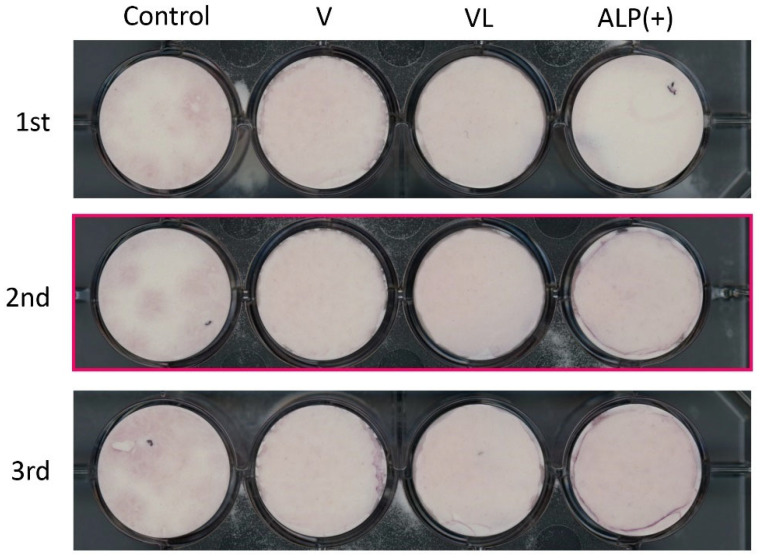
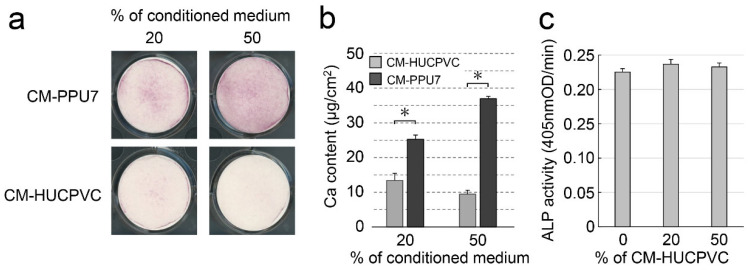
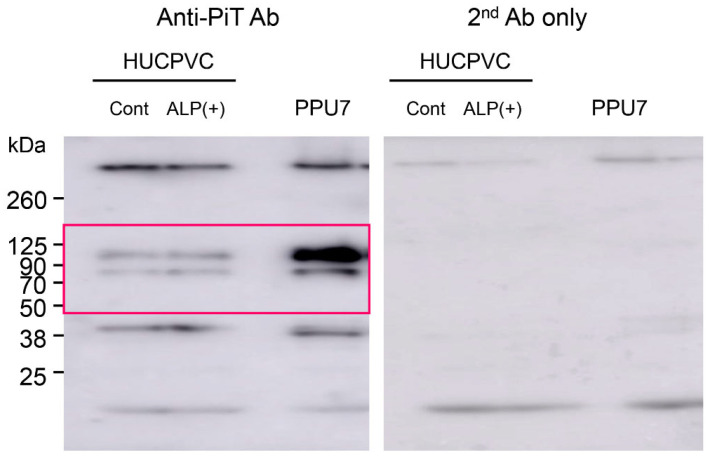
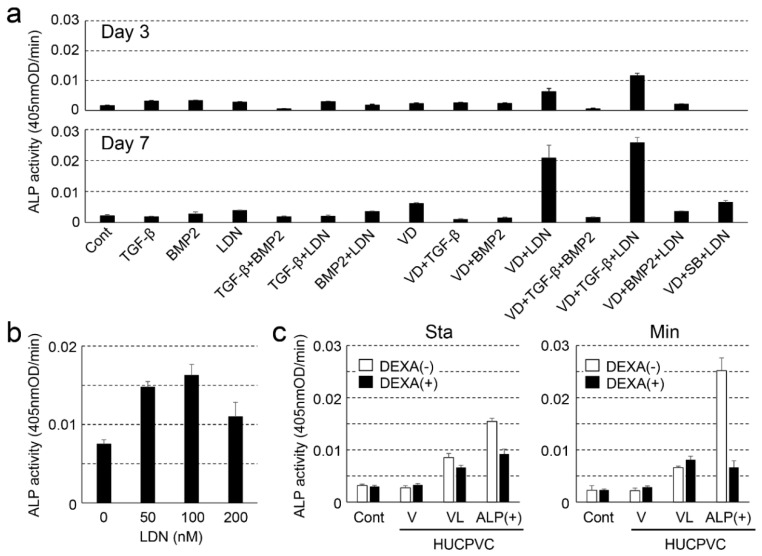
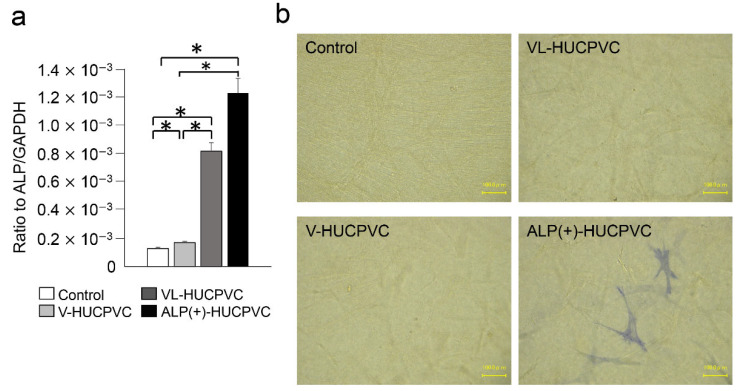
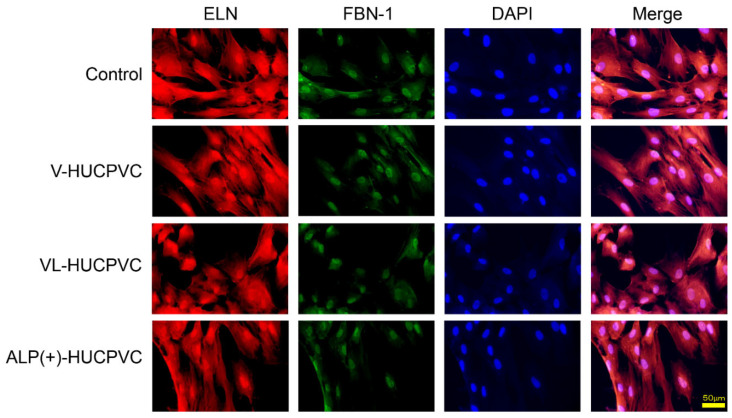
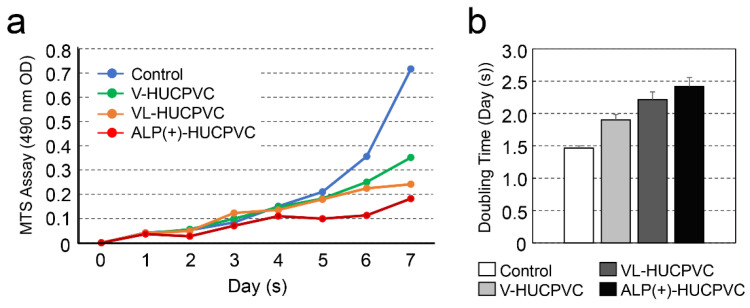
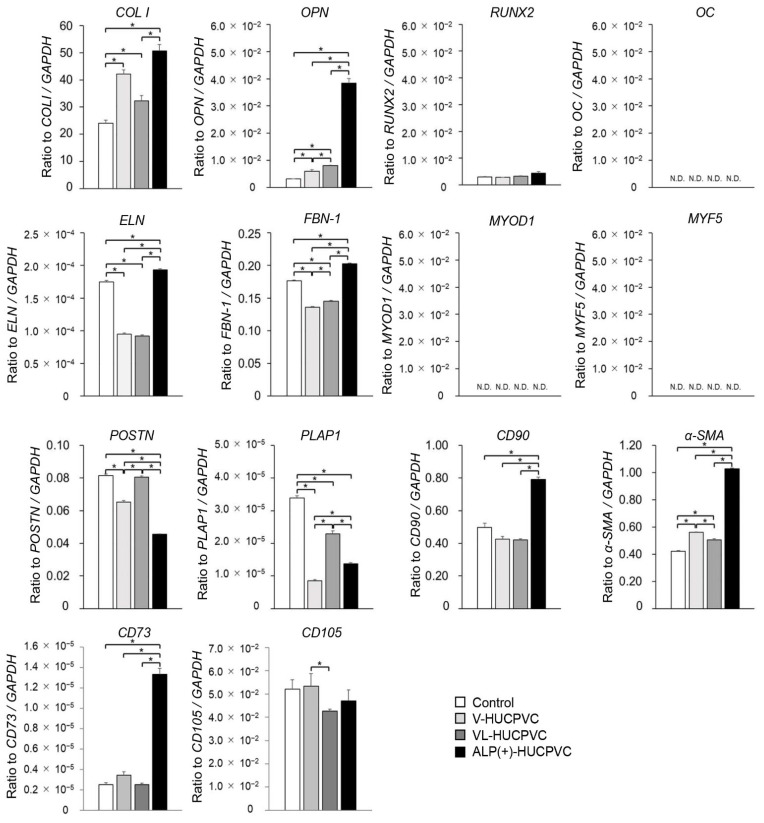
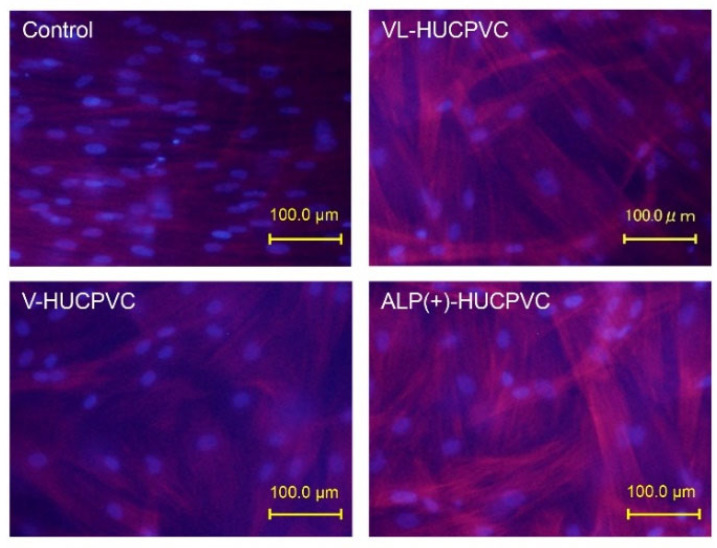
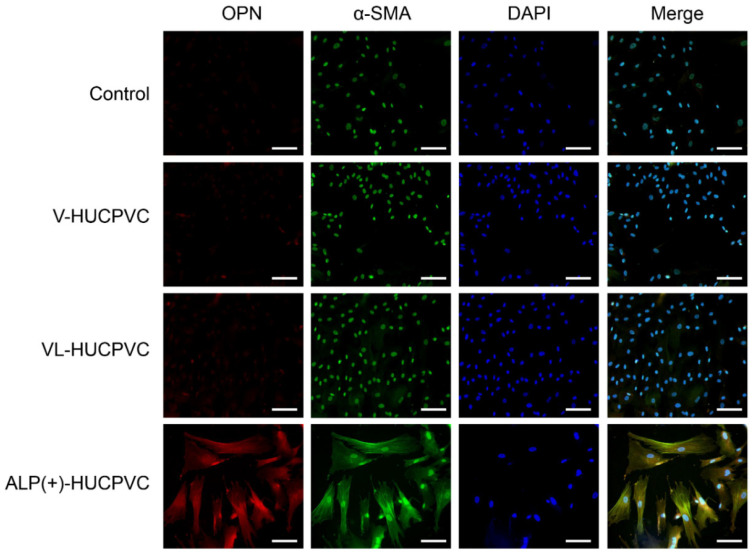
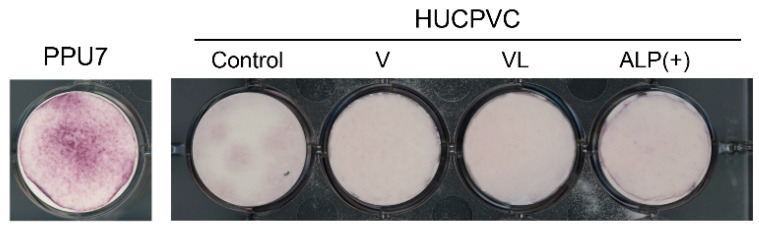
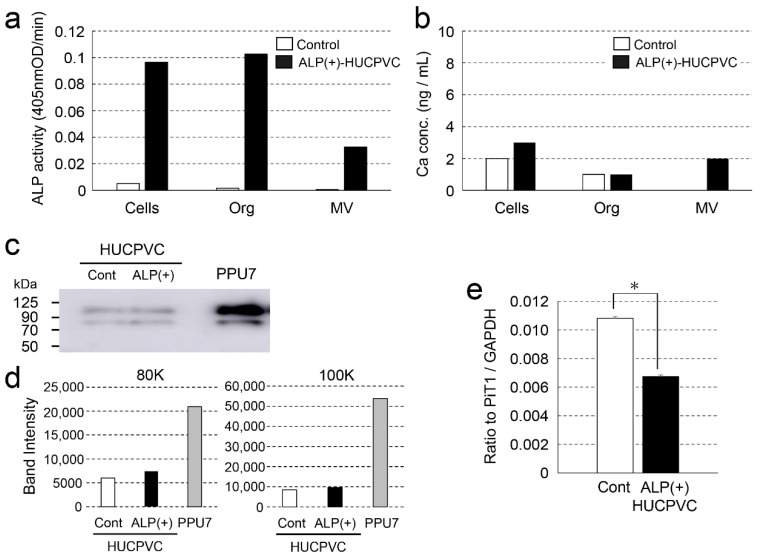
Human umbilical cord perivascular cells (HUCPVCs), harvested from human umbilical cord perivascular tissue, show potential for future use as an alternative to mesenchymal stromal cells. Here, we present the results for the characterization of the properties alkaline phosphatase-positive HUCPVCs (ALP(+)-HUCPVCs). These ALP(+)-HUCPVCs were created from HUCPVCs in this study by culturing in the presence of activated vitamin D3, an inhibitor of bone morphogenetic protein signaling and transforming growth factor-beta1 (TGF-β1). The morphological characteristics, cell proliferation, gene expression, and mineralization-inducing ability of ALP(+)-HUCPVCs were investigated at the morphological, biological, and genetic levels. ALP(+)-HUCPVCs possess high ALP gene expression and activity in cells and a slow rate of cell growth. The morphology of ALP(+)-HUCPVCs is fibroblast-like, with an increase in actin filaments containing alpha-smooth muscle actin. In addition to ALP expression, the gene expression levels of type I collagen, osteopontin, elastin, fibrillin-1, and cluster of differentiation 90 are increased in ALP(+)-HUCPVCs. ALP(+)-HUCPVCs do not have the ability to induce mineralization nodules, which may be due to the restriction of phosphate uptake into matrix vesicles. Moreover, ALP(+)-HUCPVCs may produce anti-mineralization substances. We conclude that ALP(+)-HUCPVCs induced from HUCPVCs by a TGF-β1 stimulation possess myofibroblast-like properties that have little mineralization-inducing ability.
从人脐带血管周围组织中获取的人脐带血管周围细胞(HUCPVCs)显示出未来有望作为间充质基质细胞的替代物。在此,我们展示了碱性磷酸酶阳性HUCPVCs(ALP(+)-HUCPVCs)特性表征的结果。在本研究中,这些ALP(+)-HUCPVCs是通过在活化维生素D3、骨形态发生蛋白信号抑制剂和转化生长因子-β1(TGF-β1)存在的条件下培养从HUCPVCs产生的。在形态学、生物学和遗传学水平上研究了ALP(+)-HUCPVCs的形态特征、细胞增殖、基因表达和矿化诱导能力。ALP(+)-HUCPVCs在细胞中具有高碱性磷酸酶基因表达和活性,且细胞生长速率缓慢。ALP(+)-HUCPVCs的形态呈成纤维细胞样,含α-平滑肌肌动蛋白的肌动蛋白丝增加。除碱性磷酸酶表达外,I型胶原、骨桥蛋白、弹性蛋白、原纤维蛋白-1和分化簇90的基因表达水平在ALP(+)-HUCPVCs中也有所增加。ALP(+)-HUCPVCs没有诱导矿化结节的能力,这可能是由于基质小泡对磷酸盐摄取的限制。此外,ALP(+)-HUCPVCs可能产生抗矿化物质。我们得出结论,由TGF-β1刺激从HUCPVCs诱导产生的ALP(+)-HUCPVCs具有类肌成纤维细胞特性,矿化诱导能力较弱。