Wu Yanyan, Yang Guang, van der Mei Henny C, Shi Linqi, Busscher Henk J, Ren Yijin
University of Groningen and University Medical Center of Groningen, Department of Orthodontics, Hanzeplein 1, 9700 RB Groningen, The Netherlands.
State Key Laboratory of Medicinal Chemical Biology, Key Laboratory of Functional Polymer Materials, Ministry of Education, Institute of Polymer Chemistry, College of Chemistry, Nankai University, Tianjin 300071, China.
Pharmaceutics. 2021 Oct 29;13(11):1809. doi: 10.3390/pharmaceutics13111809.
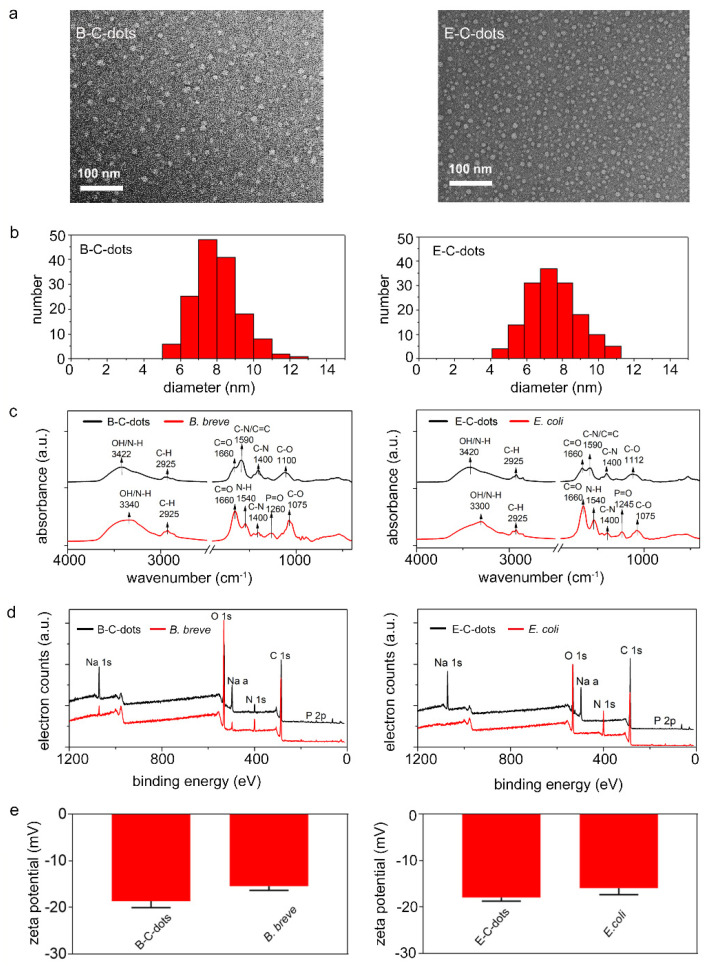
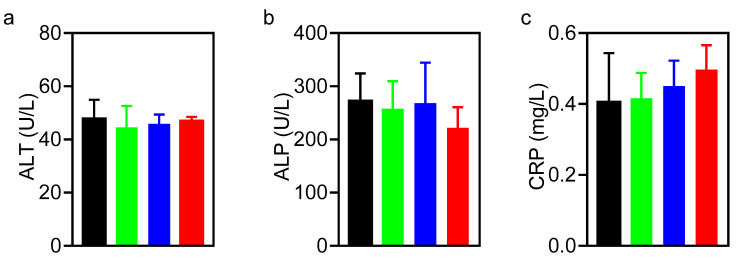
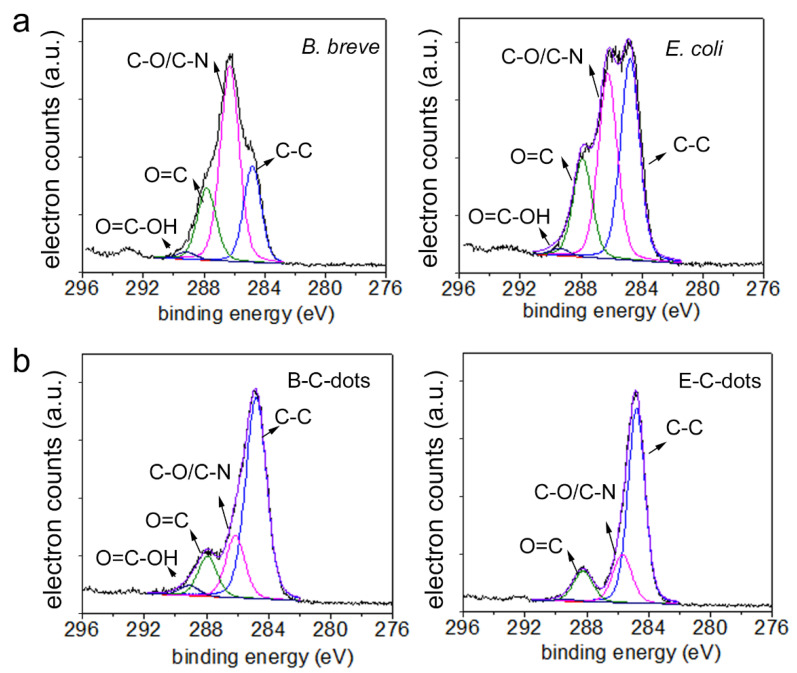
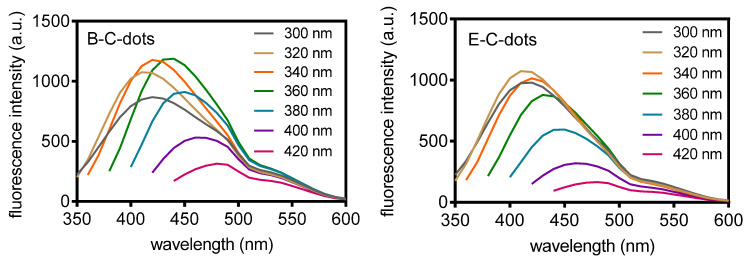
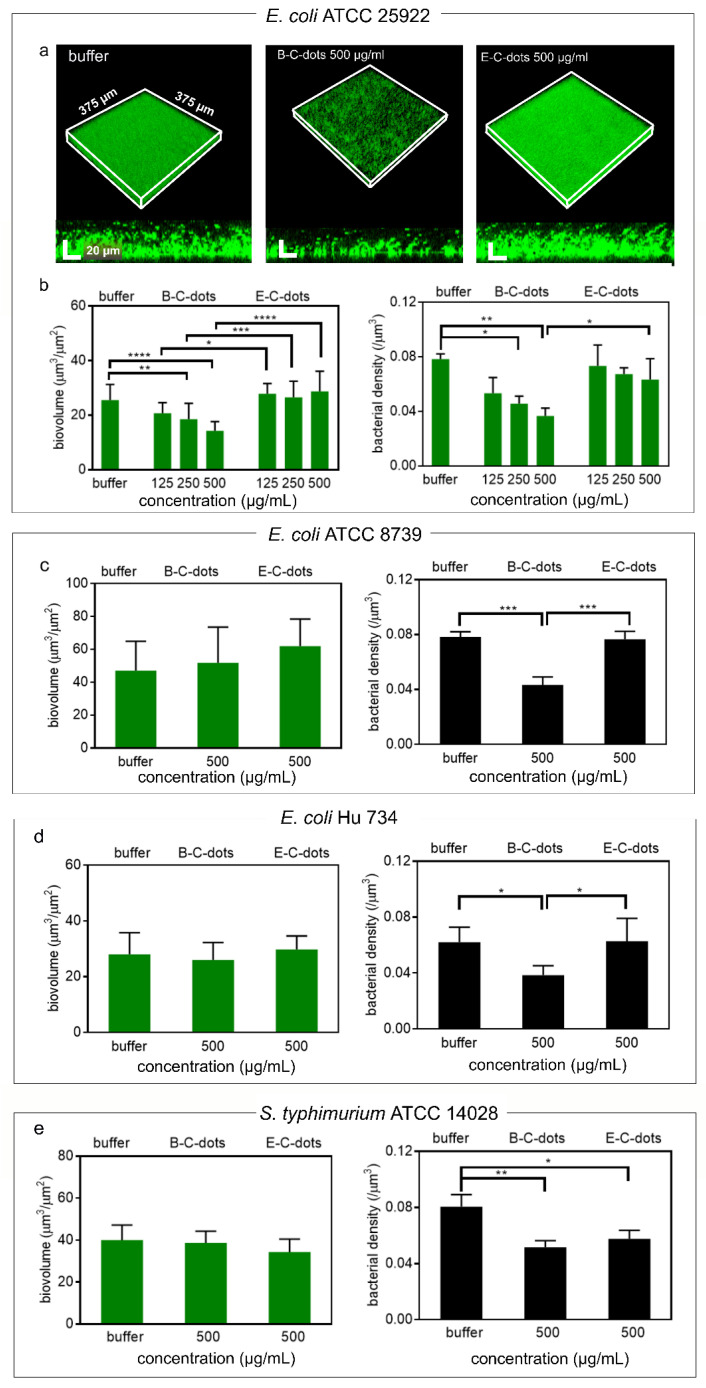
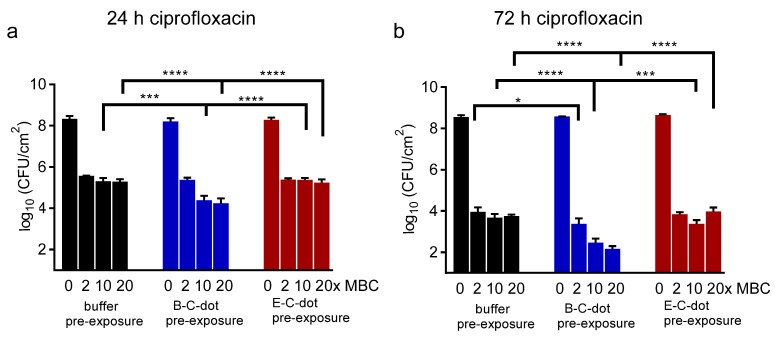
Orally administrated probiotic bacteria can aid antibiotic treatment of intestinal infections, but their arrival at their intestinal target site is hampered by killing in the gastrointestinal tract and by antibiotics solely intended for pathogen killing. Carbon-quantum-dots are extremely small nanoparticles and can be derived from different sources, including bacteria. Here, we hypothesize that carbon-quantum-dots inherit antibacterial activity from probiotic source bacteria to fulfill a similar role as live probiotics in intestinal infection therapy. Physico-chemical analyses indicated that carbon-quantum-dots, hydrothermally derived from (B-C-dots), inherited proteins and polysaccharides from their source-bacteria. B-C-dots disrupted biofilm matrices of and biofilms through extensive reactive-oxygen-species (ROS)-generation, causing a decrease in volumetric bacterial-density in biofilms. Decreased bacterial densities leave more open space in biofilms and have enhanced ciprofloxacin penetration and killing potential in an biofilm pre-exposed to probiotic B-C-dots. Pathogenic carbon-quantum-dots hydrothermally derived from (E-C-dots) did not disrupt pathogenic biofilms nor enhance killing potential by ciprofloxacin. B-C-dots were biosafe in mice upon daily administration, while E-C-dots demonstrated a decrease in white blood cell and platelet counts and an increase in C-reactive protein levels. Therefore, the way is paved for employing probiotic carbon-quantum-dots instead of viable, probiotic bacteria for synergistic use with existing antibiotics in treating intestinal infections.
口服益生菌可辅助肠道感染的抗生素治疗,但其到达肠道靶位点的过程会受到胃肠道内的杀灭作用以及仅用于杀灭病原体的抗生素的阻碍。碳量子点是极其微小的纳米颗粒,可来源于包括细菌在内的不同来源。在此,我们假设碳量子点从益生菌源细菌继承了抗菌活性,以在肠道感染治疗中发挥与活益生菌类似的作用。物理化学分析表明,通过水热法从(B - C - 点)衍生而来的碳量子点从其源细菌继承了蛋白质和多糖。B - C - 点通过大量产生活性氧(ROS)破坏了 和 生物膜的生物膜基质,导致生物膜中细菌体积密度降低。细菌密度降低使生物膜中留出更多开放空间,并增强了环丙沙星在预先暴露于益生菌B - C - 点的 生物膜中的渗透和杀灭潜力。通过水热法从(E - C - 点)衍生而来的致病性碳量子点既不破坏致病性生物膜,也不增强环丙沙星的杀灭潜力。每日给小鼠施用时,B - C - 点是生物安全的,而E - C - 点则显示白细胞和血小板计数减少以及C反应蛋白水平升高。因此,为使用益生菌碳量子点而非活的益生菌与现有抗生素协同用于治疗肠道感染铺平了道路。