Nioi Matteo, d'Aloja Ernesto, Fossarello Maurizio, Napoli Pietro Emanuele
Forensic Medicine Unit, Department of Medical Sciences and Public Health, University of Cagliari, 09040 Cagliari, Italy.
Department of Surgical Sciences, Eye Clinic, University of Cagliari, 09124 Cagliari, Italy.
Vaccines (Basel). 2021 Nov 3;9(11):1274. doi: 10.3390/vaccines9111274.
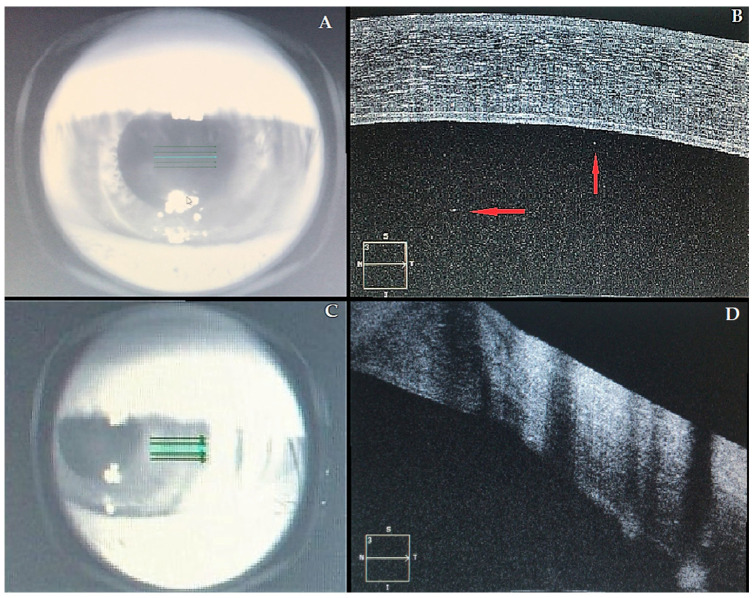
Present mass vaccination against Coronavirus Disease-19 (COVID-19) is the most widely used health policy and the most promising approach to curb the severe acute respiratory syndrome coronavirus 2 (SARS-CoV-2) pandemic globally. However, new side effects are emerging from the mass vaccination not described during the experimental stages. In the present study, we discuss a case of acute corneal graft rejection, which has occurred 25 years after transplantation and 13 days after the administration of the BNT162b2 vaccine (Comirnaty, BioNTech/Pfizer), which was followed-up for a period of six months. In this period, the corneal inflammation appeared twice but was successfully managed with topical therapy and supplementation of Vitamin D. A risk of corneal graft rejection must be included in the list of potential vaccine complications, in order to inform the transplanted patient to undergo a preliminary and a follow-up ocular examination, and eventually to include corneal graft in the list of contraindications to vaccination.
目前针对冠状病毒病-19(COVID-19)的大规模疫苗接种是全球使用最广泛的卫生政策,也是遏制严重急性呼吸综合征冠状病毒2(SARS-CoV-2)大流行最有前景的方法。然而,大规模疫苗接种正在出现一些在实验阶段未描述的新副作用。在本研究中,我们讨论了一例急性角膜移植排斥反应病例,该病例发生在移植后25年和接种BNT162b2疫苗(Comirnaty,BioNTech/辉瑞)13天后,随访期为6个月。在此期间,角膜炎症出现了两次,但通过局部治疗和补充维生素D成功得到控制。角膜移植排斥反应的风险必须列入潜在疫苗并发症清单,以便告知移植患者进行初步和随访眼部检查,并最终将角膜移植列入疫苗接种禁忌清单。