Division of Cardiology, Massachusetts General Hospital, Boston, MA, USA.
Cardiovascular Research Center, Massachusetts General Hospital, Boston, MA, USA.
Nat Genet. 2022 Jan;54(1):40-51. doi: 10.1038/s41588-021-00962-4. Epub 2021 Nov 26.
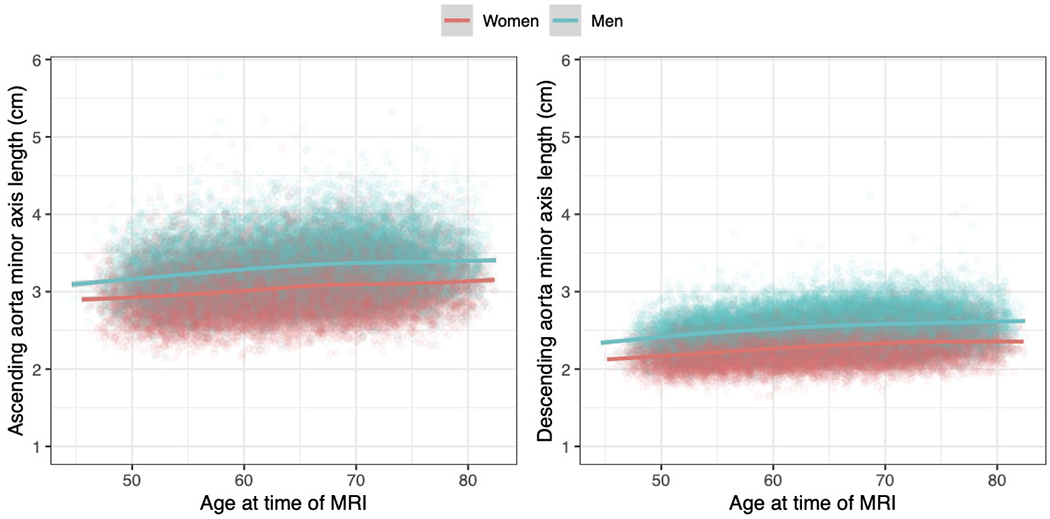
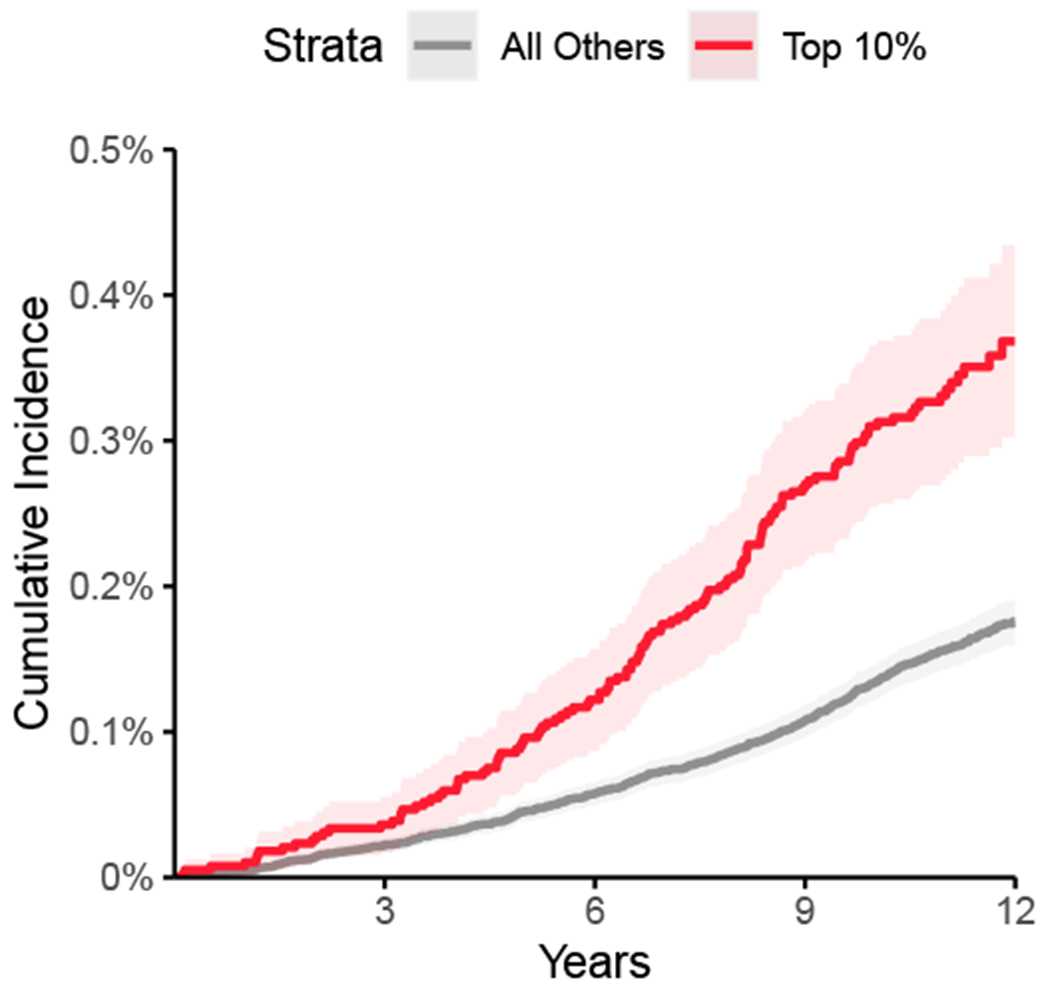
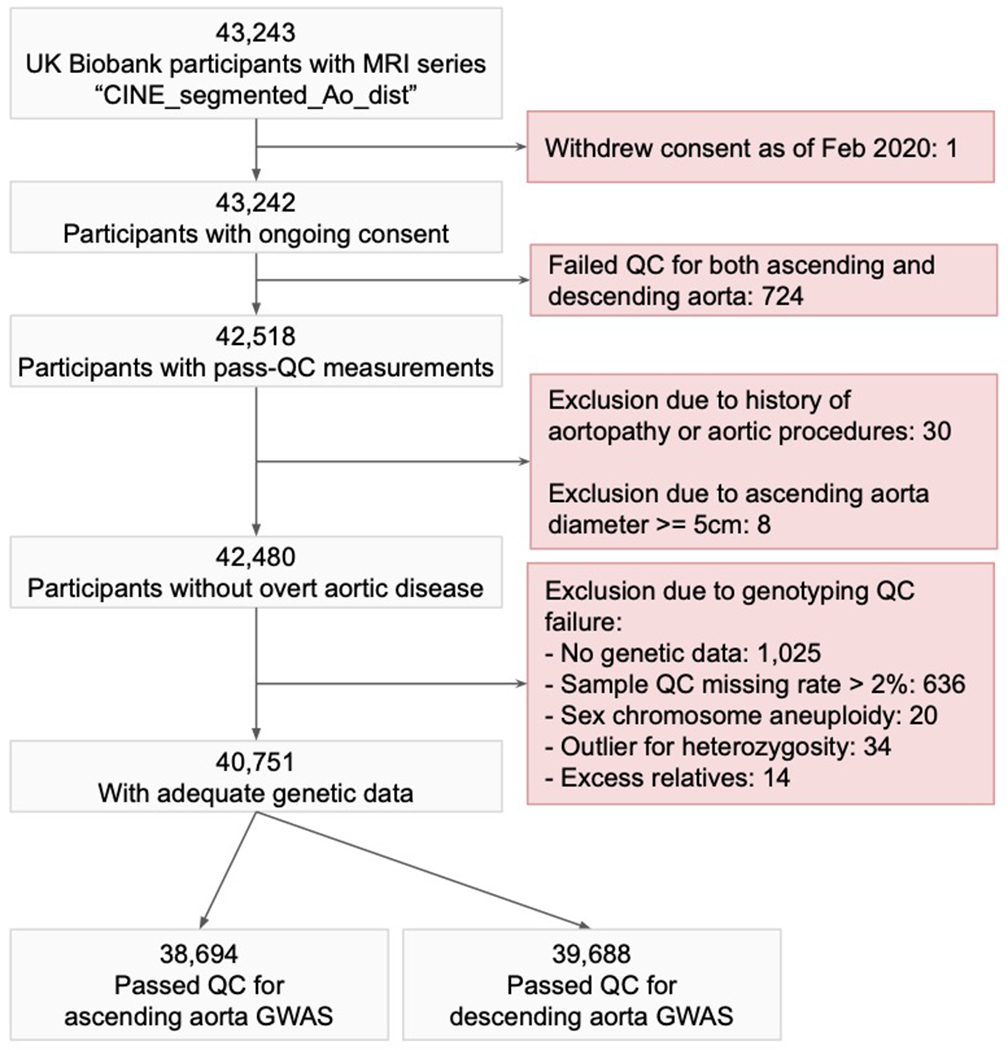
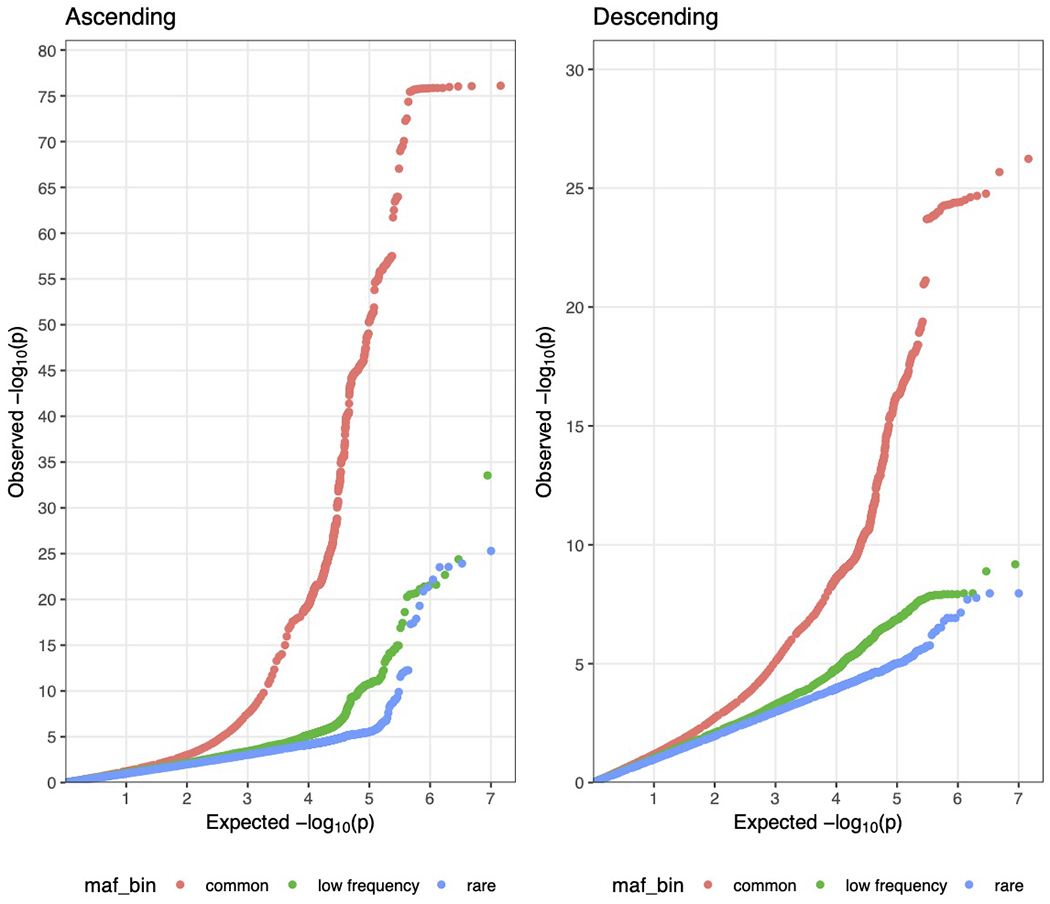
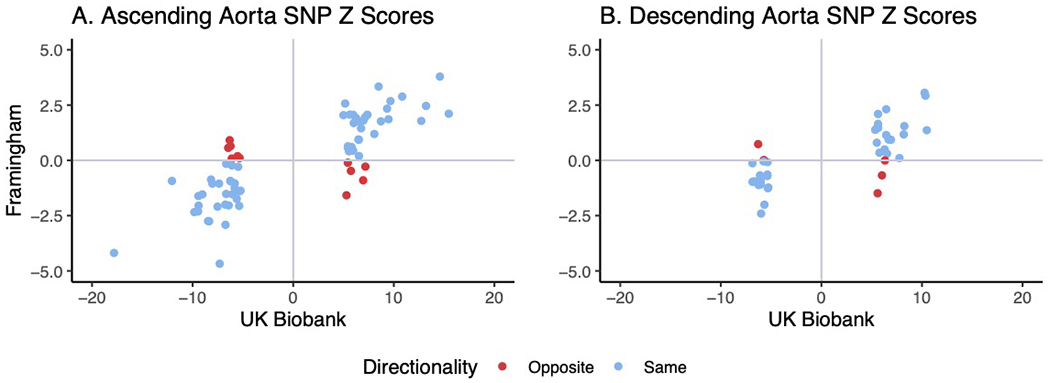
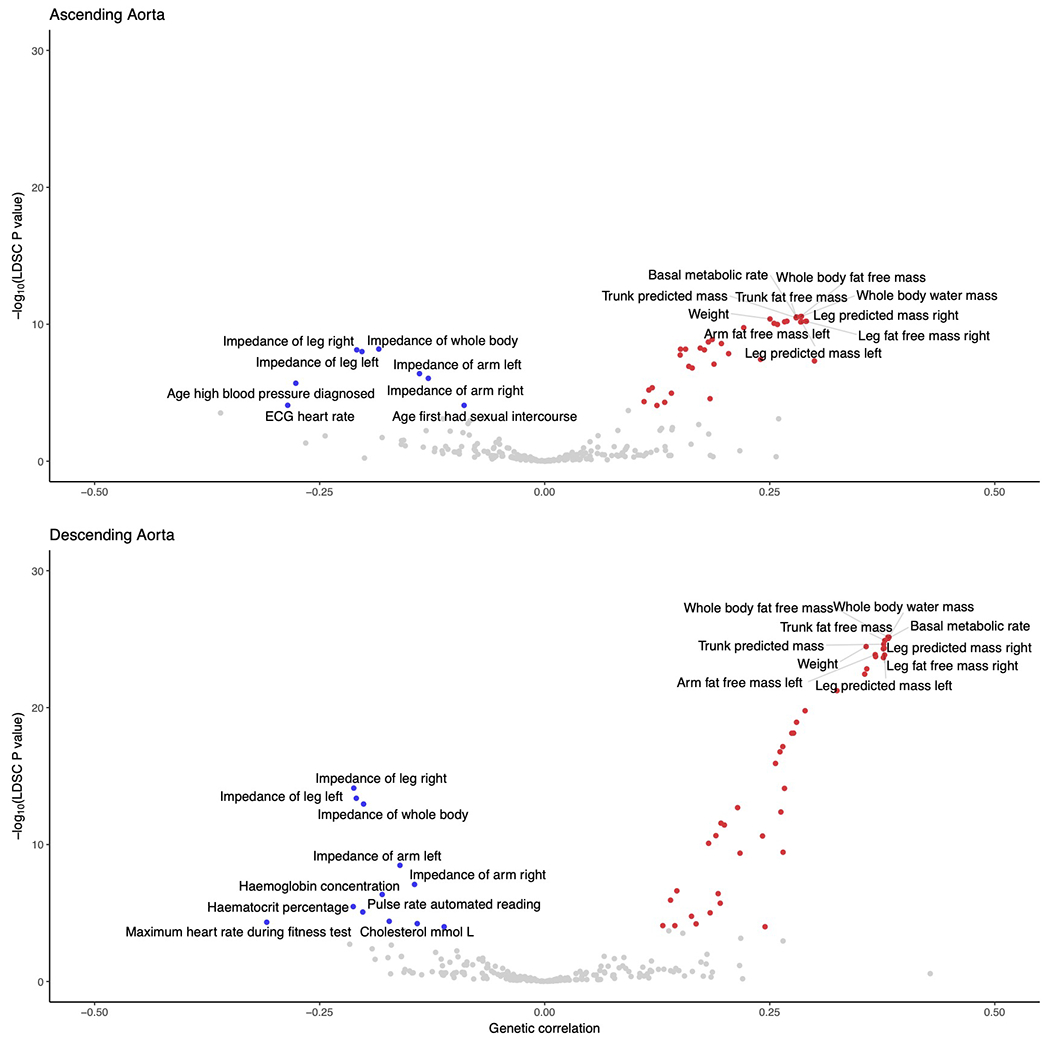
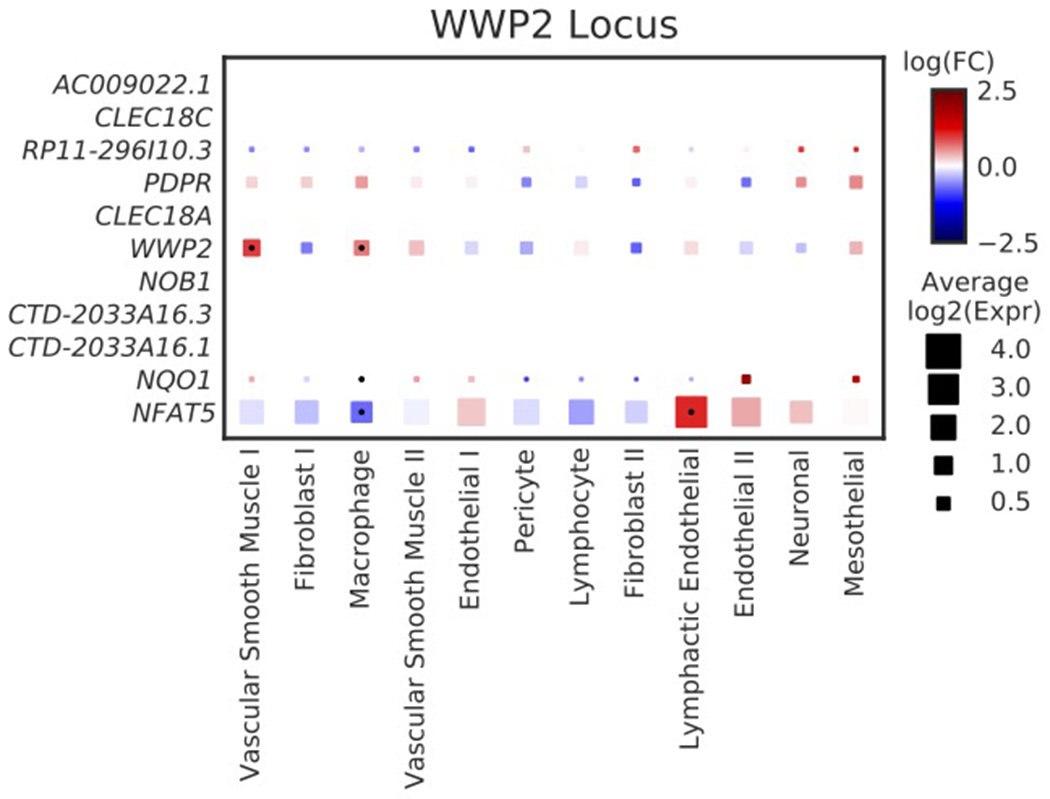
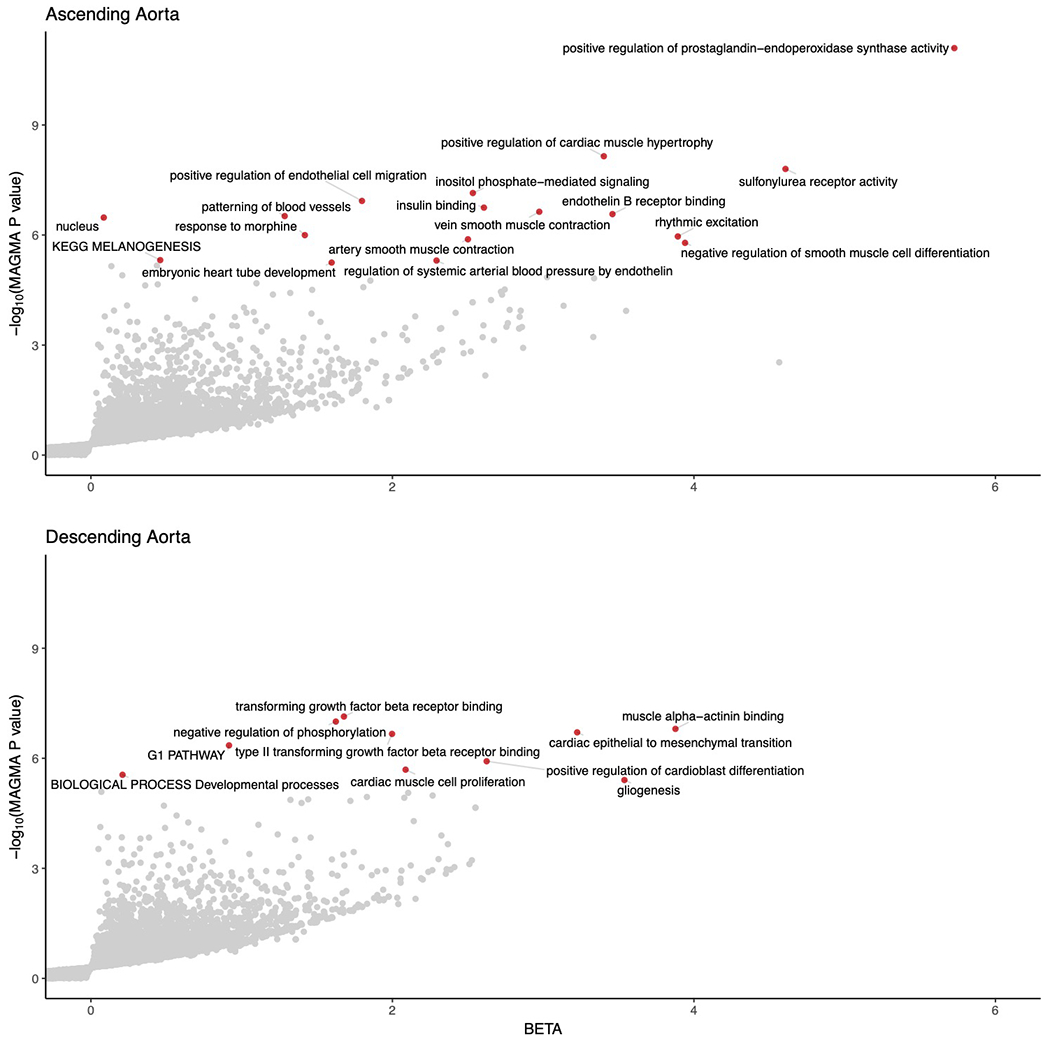
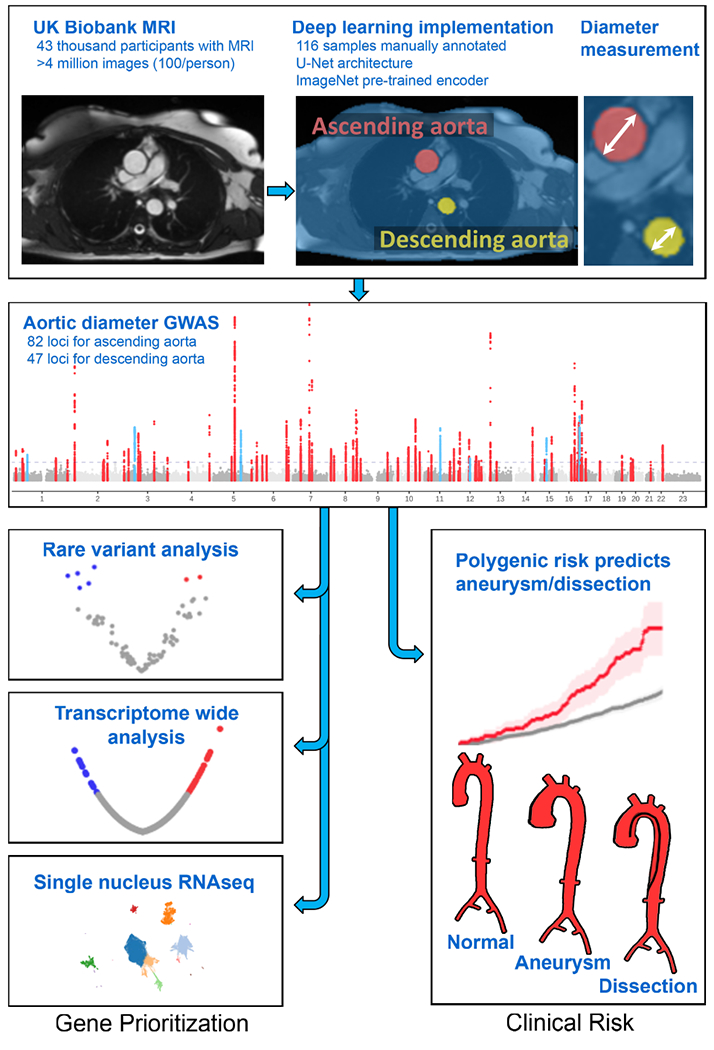
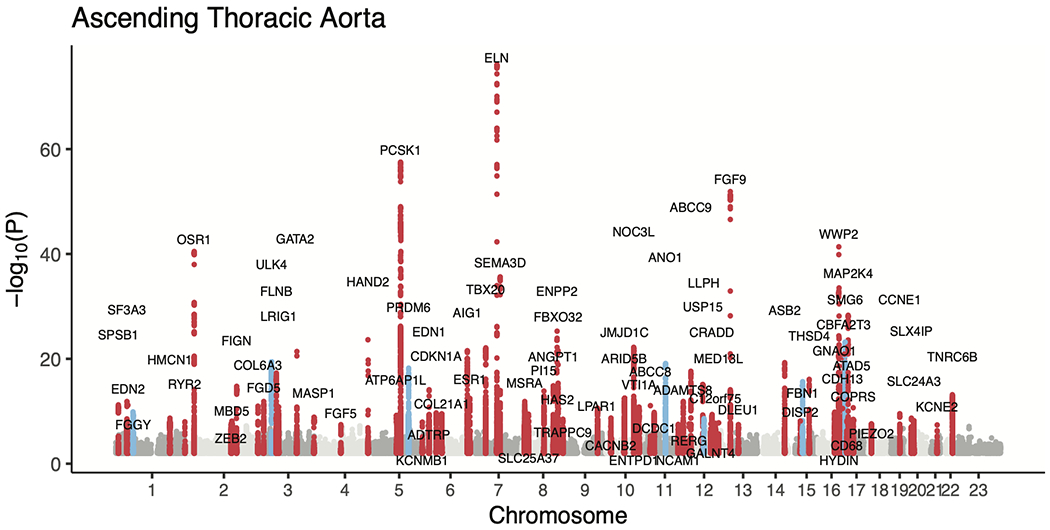
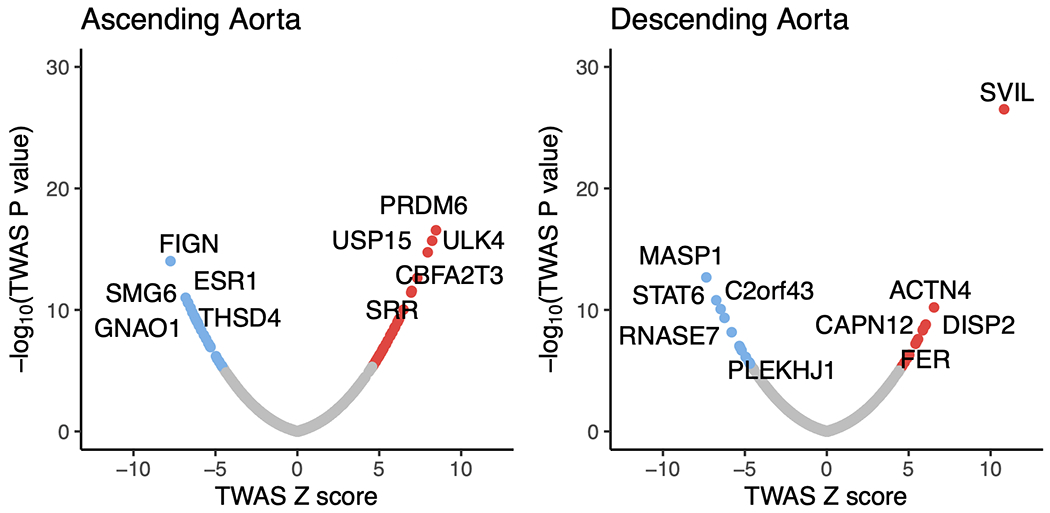
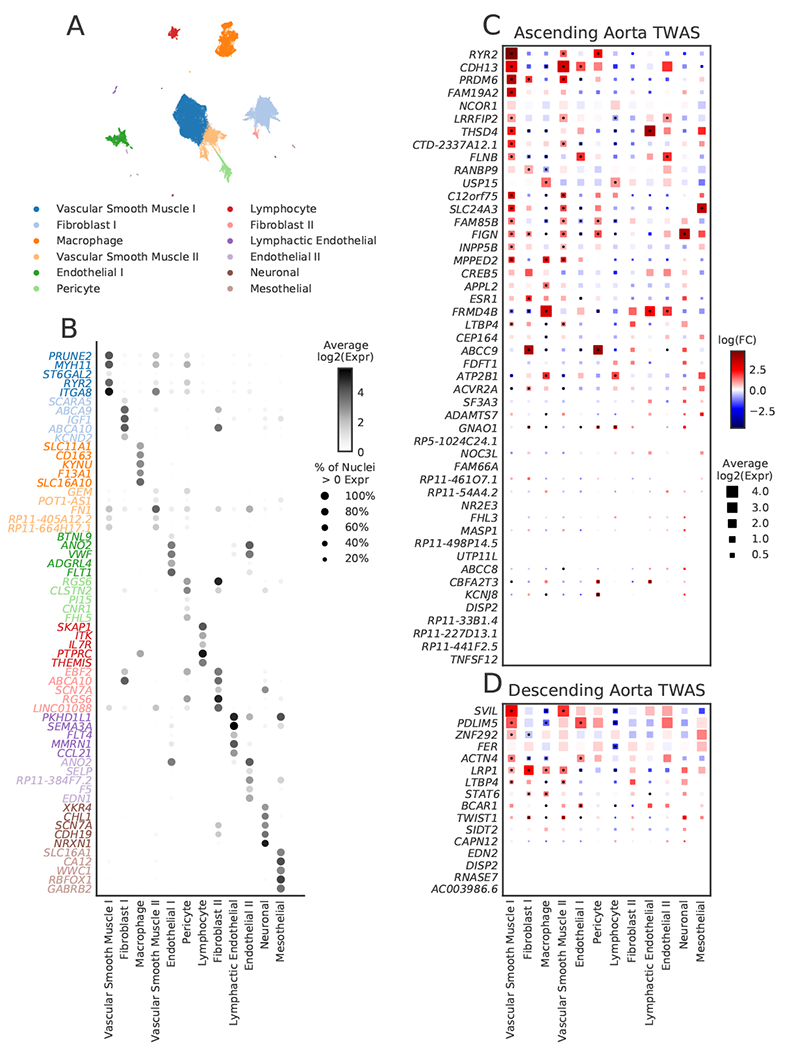
Enlargement or aneurysm of the aorta predisposes to dissection, an important cause of sudden death. We trained a deep learning model to evaluate the dimensions of the ascending and descending thoracic aorta in 4.6 million cardiac magnetic resonance images from the UK Biobank. We then conducted genome-wide association studies in 39,688 individuals, identifying 82 loci associated with ascending and 47 with descending thoracic aortic diameter, of which 14 loci overlapped. Transcriptome-wide analyses, rare-variant burden tests and human aortic single nucleus RNA sequencing prioritized genes including SVIL, which was strongly associated with descending aortic diameter. A polygenic score for ascending aortic diameter was associated with thoracic aortic aneurysm in 385,621 UK Biobank participants (hazard ratio = 1.43 per s.d., confidence interval 1.32-1.54, P = 3.3 × 10). Our results illustrate the potential for rapidly defining quantitative traits with deep learning, an approach that can be broadly applied to biomedical images.
主动脉扩大或瘤变可导致夹层,这是猝死的一个重要原因。我们使用深度学习模型对英国生物库 460 万例心脏磁共振图像中的升主动脉和降主动脉尺寸进行了评估。然后,我们在 39688 名个体中进行了全基因组关联研究,确定了 82 个与升主动脉直径相关的位点和 47 个与降主动脉直径相关的位点,其中 14 个位点重叠。转录组范围分析、罕见变异负担测试和人类主动脉单细胞 RNA 测序优先考虑了包括 SVIL 在内的基因,该基因与降主动脉直径密切相关。升主动脉直径的多基因评分与英国生物库 385621 名参与者的胸主动脉瘤相关(风险比=每标准差 1.43,置信区间 1.32-1.54,P=3.3×10)。我们的研究结果表明,深度学习在快速定义定量特征方面具有潜力,这种方法可以广泛应用于生物医学图像。