School of Rehabilitation Sciences, West China School of Medicine.
Department of Rehabilitation Medicine Center, West China Hospital, Sichuan University.
Int J Rehabil Res. 2022 Jun 1;45(2):99-108. doi: 10.1097/MRR.0000000000000509. Epub 2021 Nov 24.
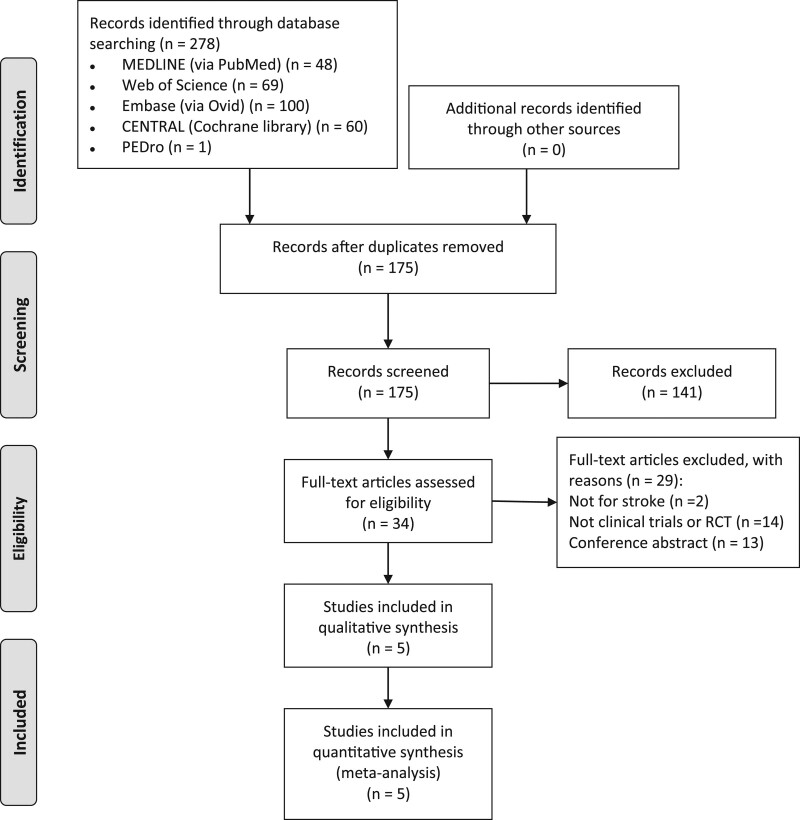
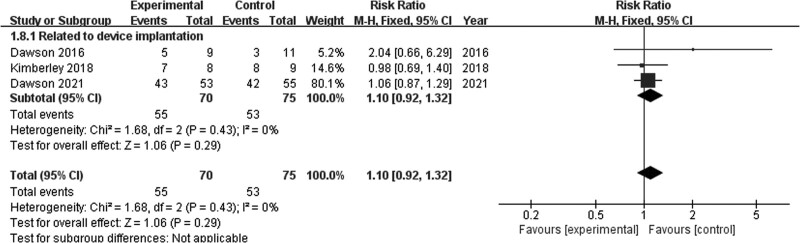
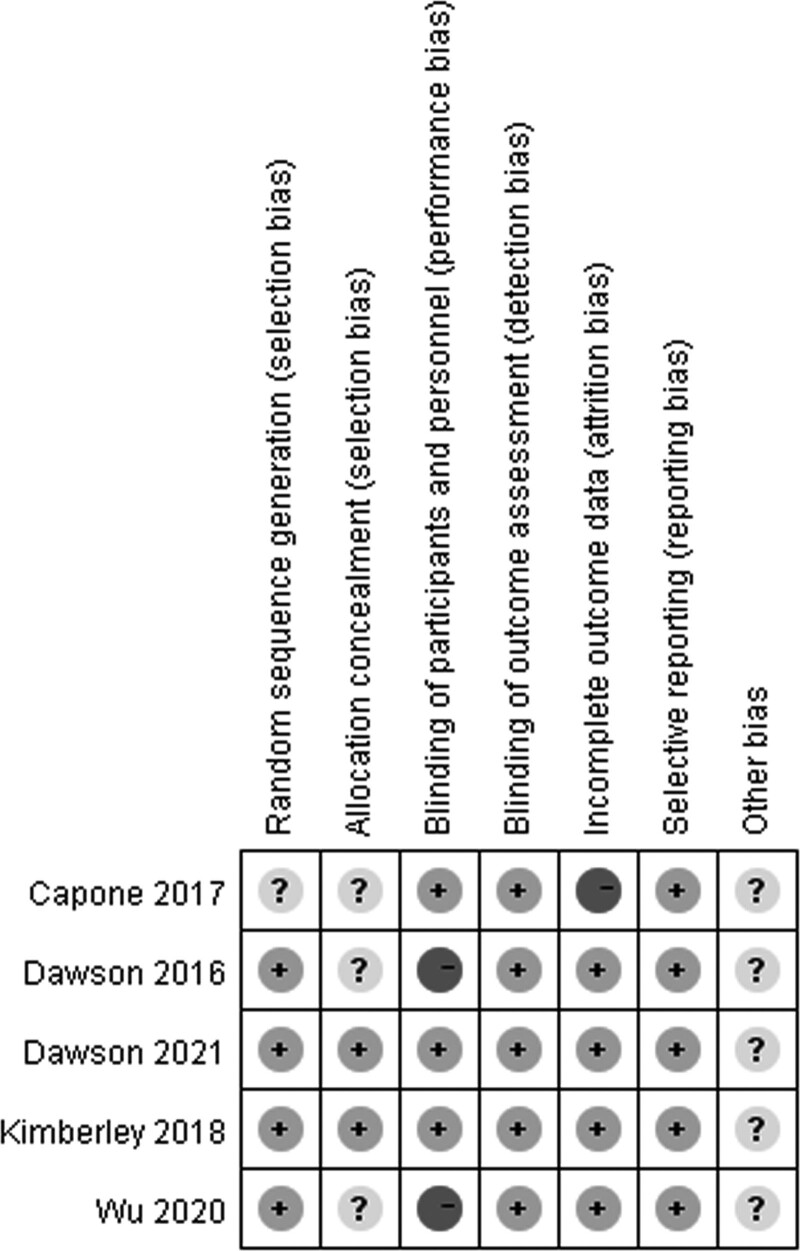
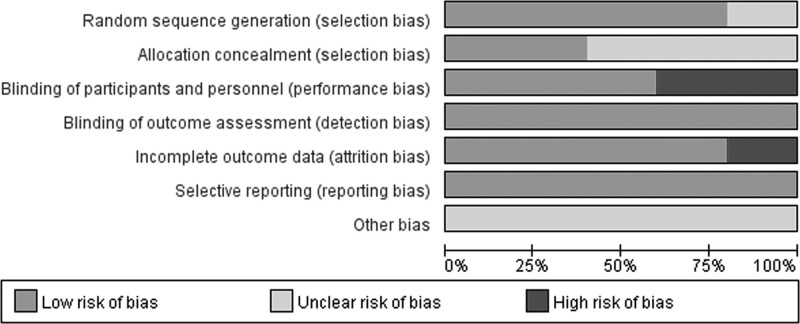
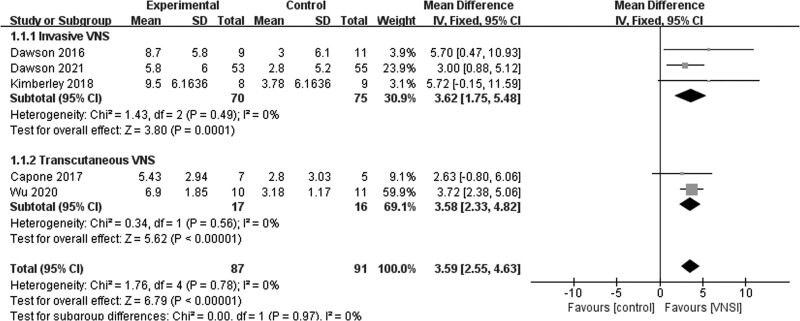
Vagus nerve stimulation (VNS) could potentially facilitate arm function recovery after stroke. The aim of this review was to evaluate the effect of VNS paired with rehabilitation on upper limb function recovery after stroke. We considered randomized controlled trials (RCTs) that used VNS paired with rehabilitation for the improvement of upper limb function after stroke and were published in English. Eligible RCTs were identified by searching electronic databases, including MEDLINE, Web of Science, Embase, CENTRAL and PEDro, from their inception until June 2021. Quality of included studies was assessed using PEDro score and Cochrane's risk of bias assessment. A meta-analysis was performed on the collected data. Five studies with a total of 178 participants met the inclusion criteria. Overall, the present meta-analysis revealed a significant effect of VNS on Fugl-Meyer Assessment for Upper Extremity (FMA-UE, MD = 3.59; 95% CI, 2.55-4.63; P < 0.01) when compared with the control group. However, no significant difference was observed in adverse events associated with device implantation between the invasive VNS and control groups (RR = 1.10; 95% CI, 0.92-1.32; P = 0.29). No adverse events associated with device use were reported in invasive VNS, and one was reported in transcutaneous VNS. This study revealed that VNS paired with rehabilitation can facilitate the recovery of upper limb function in patients with stroke on the basis of FMA-UE scores, but the long-term effects remain to be demonstrated.
迷走神经刺激(VNS)可能有助于中风后手臂功能的恢复。本综述的目的是评估 VNS 联合康复治疗对中风后上肢功能恢复的影响。我们考虑了使用 VNS 联合康复治疗以改善中风后上肢功能的随机对照试验(RCT),并以英文发表。通过搜索电子数据库,包括 MEDLINE、Web of Science、Embase、CENTRAL 和 PEDro,从成立到 2021 年 6 月,确定了合格的 RCT。使用 PEDro 评分和 Cochrane 偏倚风险评估来评估纳入研究的质量。对收集的数据进行了荟萃分析。五项研究共纳入 178 名参与者符合纳入标准。总体而言,本荟萃分析显示,与对照组相比,VNS 对上肢 Fugl-Meyer 评估(FMA-UE,MD = 3.59;95%CI,2.55-4.63;P < 0.01)有显著效果。然而,在与器械植入相关的不良事件方面,侵入性 VNS 与对照组之间没有观察到显著差异(RR = 1.10;95%CI,0.92-1.32;P = 0.29)。在侵入性 VNS 中未报告与器械使用相关的不良事件,而在经皮 VNS 中报告了 1 例。这项研究表明,VNS 联合康复治疗可以在 FMA-UE 评分的基础上促进中风患者上肢功能的恢复,但长期效果仍有待证明。