Javanshir Nahid, Hosseini Golsa Nayeb Ghanbar, Sadeghi Mahdieh, Esmaeili Ramtin, Satarikia Fateme, Ahmadian Gholamreza, Allahyari Najaf
Department of Industrial and Environmental Biotechnology, National Institute of Genetic Engineering and Biotechnology. (NIGEB), P.O. Box: 14155-6343, Tehran, Iran.
Department of Microbial Biotechnology, Tehran University, Tehran, Iran.
Biol Proced Online. 2021 Dec 1;23(1):23. doi: 10.1186/s12575-021-00160-w.
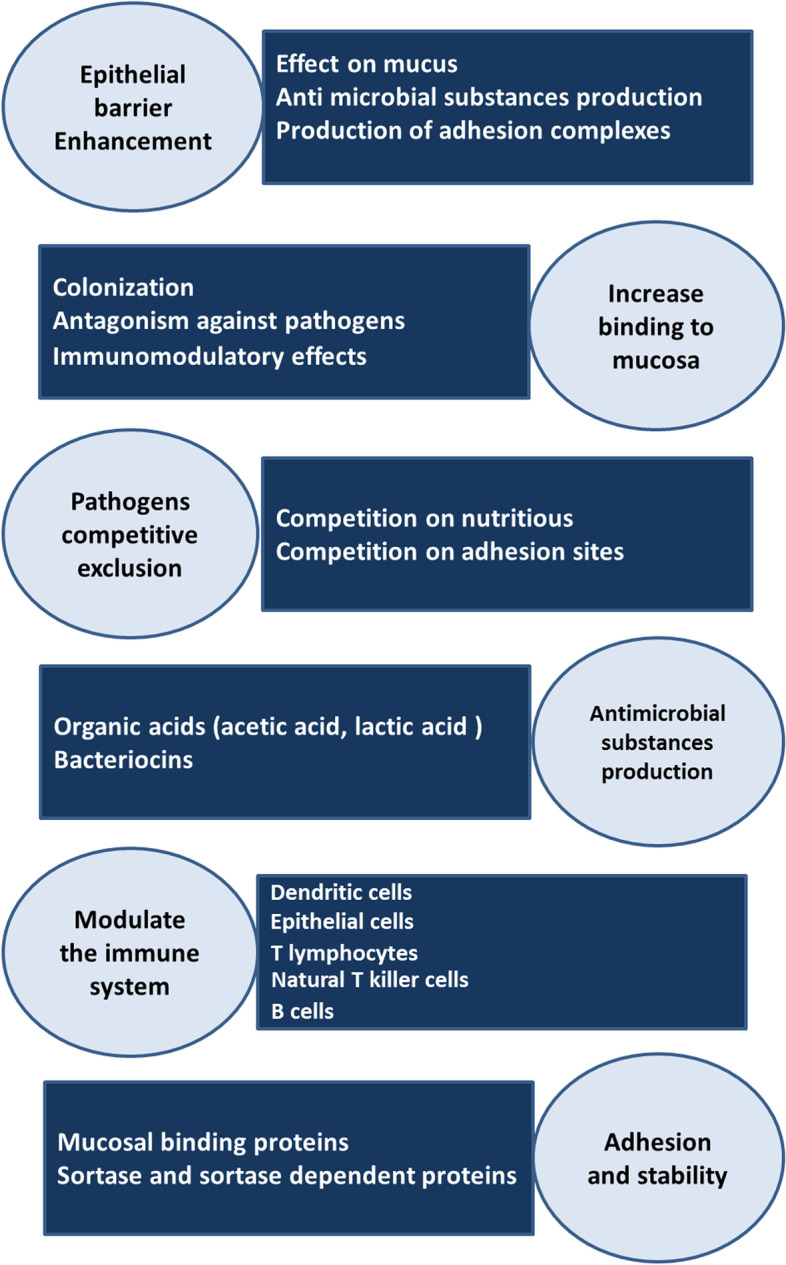
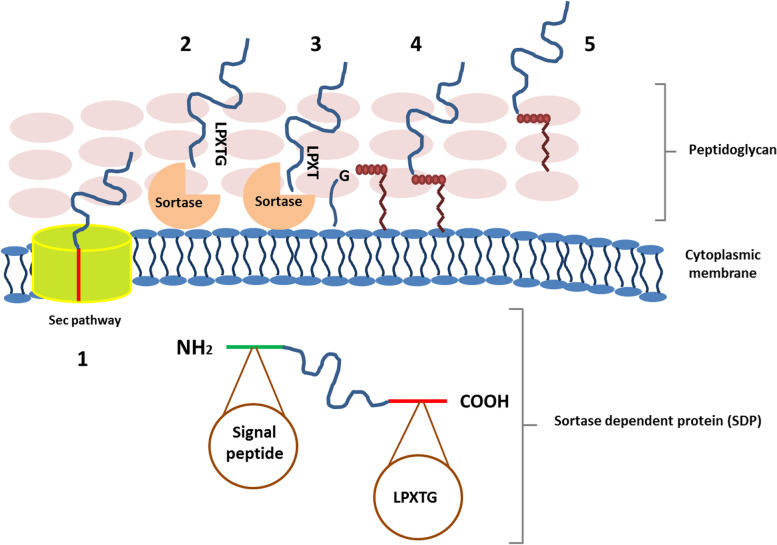
Due to the importance of using cost-effective methods for therapeutic purposes, the function of probiotics as safe microorganisms and the study of their relevant functional mechanisms have recently been in the spotlight. Finding the mechanisms of attachment and stability and their beneficial effects on the immune system can be useful in identifying and increasing the therapeutic effects of probiotics. In this review, the functional mechanisms of probiotics were comprehensively investigated. Relevant articles were searched in scientific sources, documents, and databases, including PubMed, NCBI, Bactibace, OptiBac, and Bagel4. The most important functional mechanisms of probiotics and their effects on strengthening the epithelial barrier, competitive inhibition of pathogenic microorganisms, production of antimicrobials, binding and interaction with the host, and regulatory effects on the immune system were discussed.In this regard, the attachment of probiotics to the epithelium is very important because the prerequisite for their proper functioning is to establish a proper connection to the epithelium. Therefore, more attention should be paid to the binding effect of probiotics, including sortase A, a significant factor involved in the expression of sortase-dependent proteins (SDP), on their surface as mediators of intestinal epithelial cell binding. In general, by investigating the functional mechanisms of probiotics, it was concluded that the mechanism by which probiotics regulate the immune system and adhesion capacity can directly and indirectly have preventive and therapeutic effects on a wide range of diseases. However, further study of these mechanisms requires extensive research on various aspects.
由于使用具有成本效益的方法用于治疗目的的重要性,益生菌作为安全微生物的功能及其相关功能机制的研究近来备受关注。找出其附着和稳定性机制以及它们对免疫系统的有益作用,对于识别和增强益生菌的治疗效果可能会有所帮助。在这篇综述中,对益生菌的功能机制进行了全面研究。在包括PubMed、NCBI、Bactibace、OptiBac和Bagel4在内的科学资源、文献和数据库中搜索了相关文章。讨论了益生菌最重要的功能机制及其对加强上皮屏障、竞争性抑制病原微生物、产生抗菌物质、与宿主结合和相互作用以及对免疫系统的调节作用。在这方面,益生菌与上皮的附着非常重要,因为其正常发挥功能的前提是与上皮建立适当连接。因此,应更多关注益生菌的结合作用,包括分选酶A,它是参与分选酶依赖性蛋白(SDP)表达的一个重要因素,作为肠道上皮细胞结合的介质存在于它们的表面。总体而言,通过研究益生菌的功能机制得出结论,益生菌调节免疫系统和黏附能力的机制可直接或间接对多种疾病产生预防和治疗作用。然而,对这些机制的进一步研究需要在各个方面进行广泛探索。