Jiang Dun, Tan Mingtao, Wu Shuai, Zheng Lin, Wang Qing, Wang Guirong, Yan Shanchun
School of Forestry, Northeast Forestry University, 150040, Harbin, P. R. China.
Key Laboratory of Sustainable Forest Ecosystem Management-Ministry of Education, Northeast Forestry University, 150040, Harbin, P. R. China.
Hortic Res. 2021 Dec 1;8(1):245. doi: 10.1038/s41438-021-00671-3.
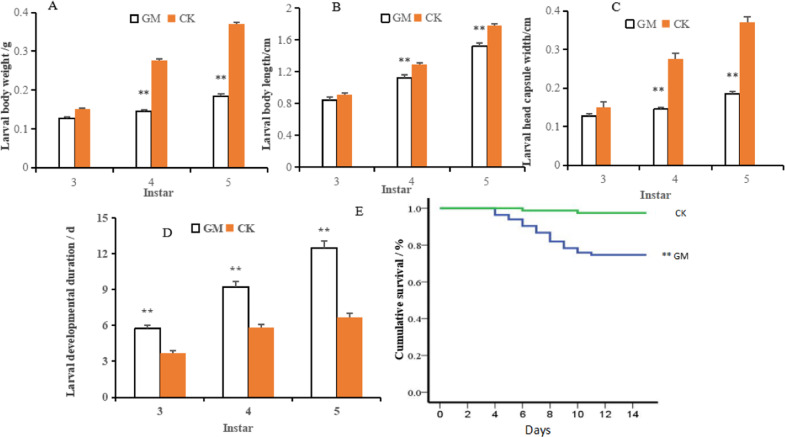
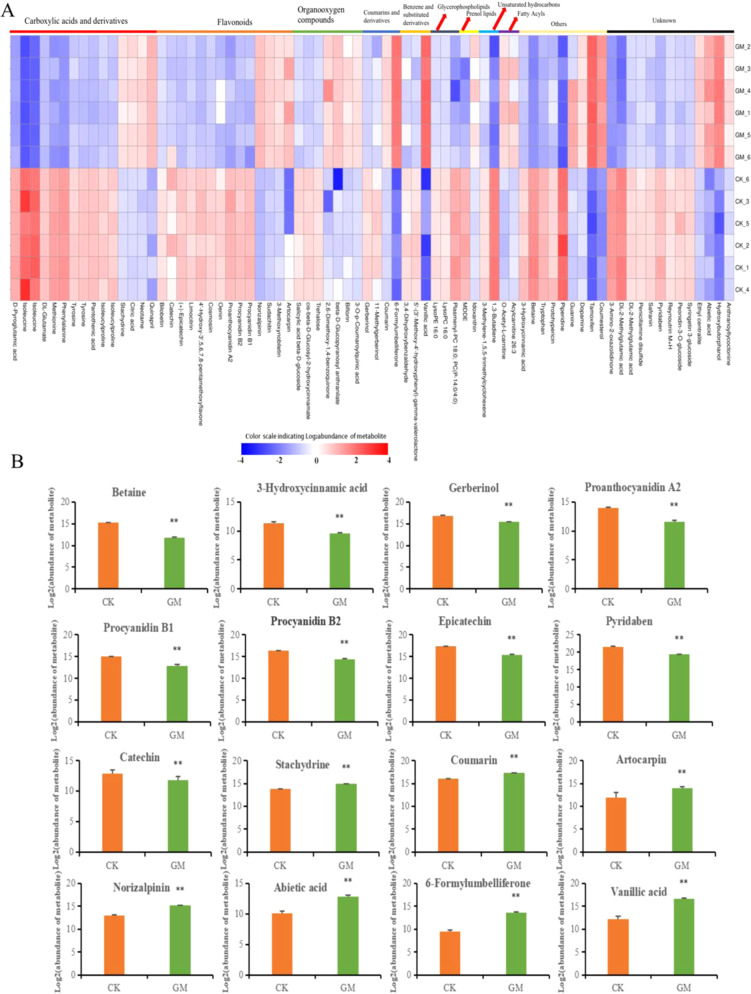
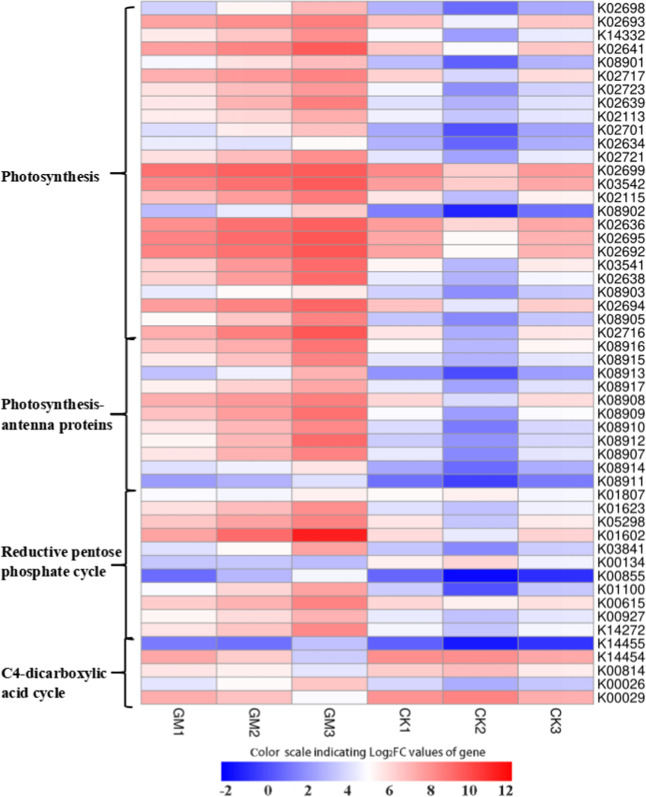
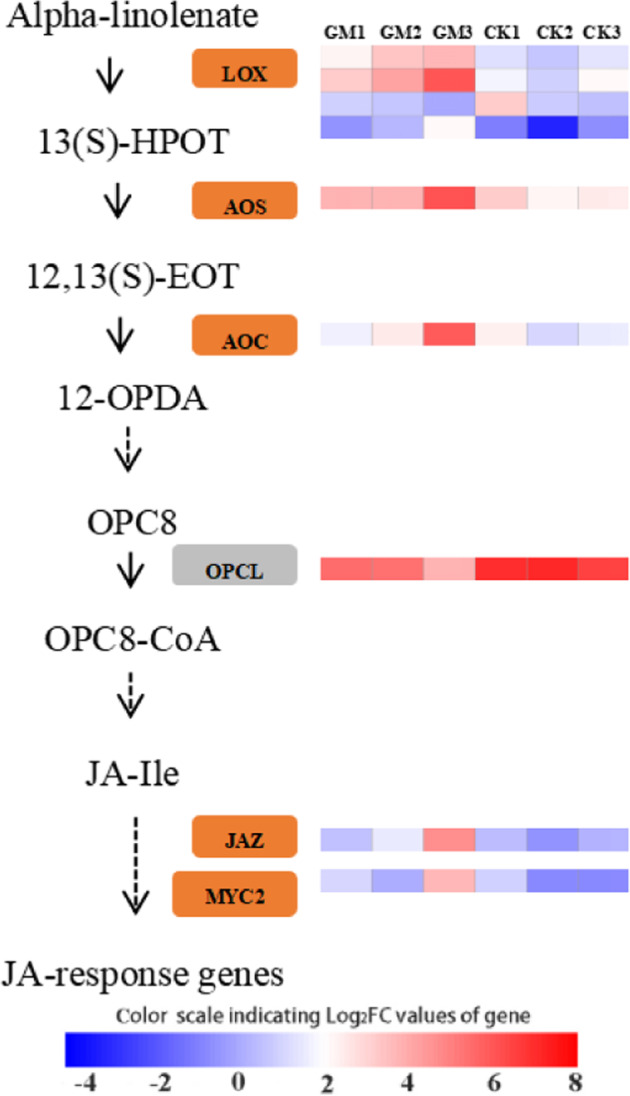
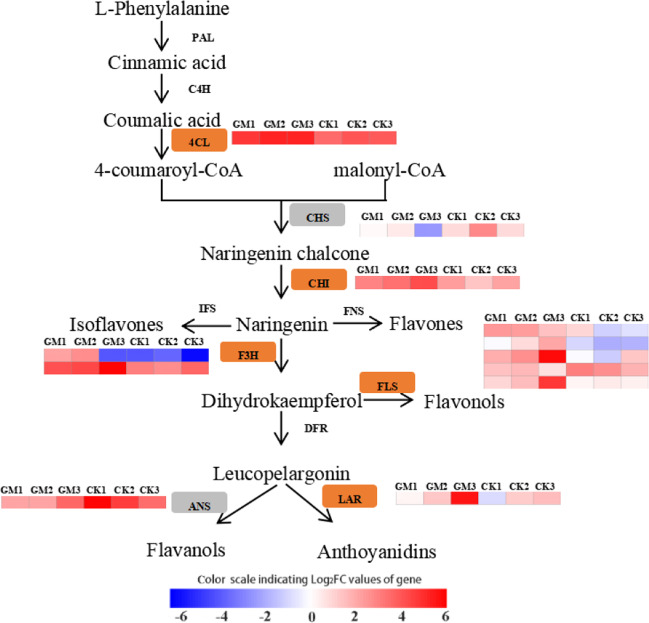
Arbuscular mycorrhizal (AM) fungi may help protect plants against herbivores; however, their use for the pest control of woody plants requires further study. Here, we investigated the effect of Glomus mosseae colonization on the interactions between gypsy moth larvae and Populus alba × P. berolinensis seedlings and deciphered the regulatory mechanisms underlying the mycorrhizal-induced resistance in the leaves of mycorrhizal poplar using RNA-seq and nontargeted metabolomics. The resistance assay showed that AM fungus inoculation protected poplar seedlings against gypsy moth larvae, as evidenced by the decreased larval growth and reduced larval survival. A transcriptome analysis revealed that differentially expressed genes (DEGs) were involved in jasmonic acid biosynthesis (lipoxygenase, hydroperoxide dehydratase, and allene oxide cyclase) and signal transduction (jasmonate-ZIM domain and transcription factor MYC2) and identified the genes that were upregulated in mycorrhizal seedlings. Except for chalcone synthase and anthocyanidin synthase, which were downregulated in mycorrhizal seedlings, all DEGs related to flavonoid biosynthesis were upregulated, including 4-coumarate-CoA ligase, chalcone isomerase, flavanone 3-hydroxylase, flavonol synthase, and leucoanthocyanidin reductase. The metabolome analysis showed that several metabolites with insecticidal properties, including coumarin, stachydrine, artocarpin, norizalpinin, abietic acid, 6-formylumbelliferone, and vanillic acid, were significantly accumulated in the mycorrhizal seedlings. These findings suggest the potential of mycorrhiza-induced resistance for use in pest management of woody plants and demonstrate that the priming of JA-dependent responses in poplar seedlings contributes to mycorrhiza-induced resistance to insect pests.
丛枝菌根(AM)真菌可能有助于保护植物免受食草动物侵害;然而,其在木本植物害虫防治中的应用仍需进一步研究。在此,我们研究了摩西球囊霉定殖对舞毒蛾幼虫与银白杨×毛果杨幼苗之间相互作用的影响,并利用RNA测序和非靶向代谢组学解析了菌根诱导的菌根杨树叶片抗性的调控机制。抗性试验表明,接种AM真菌可保护杨树幼苗免受舞毒蛾幼虫侵害,幼虫生长减缓、存活率降低即为明证。转录组分析显示,差异表达基因(DEG)参与茉莉酸生物合成(脂氧合酶、氢过氧化物脱水酶和丙二烯氧化物环化酶)和信号转导(茉莉酸-ZIM结构域和转录因子MYC2),并鉴定出菌根幼苗中上调的基因。除了在菌根幼苗中下调的查尔酮合酶和花青素合酶外,所有与类黄酮生物合成相关的DEG均上调,包括4-香豆酰辅酶A连接酶、查尔酮异构酶、黄烷酮3-羟化酶、黄酮醇合酶和无色花青素还原酶。代谢组分析表明,几种具有杀虫特性的代谢物,包括香豆素、水苏碱、波罗蜜果素、降紫铆因、枞酸、6-甲酰伞形酮和香草酸,在菌根幼苗中显著积累。这些发现表明菌根诱导抗性在木本植物害虫管理中的潜力,并证明杨树幼苗中茉莉酸依赖性反应的启动有助于菌根诱导的抗虫性。