Javadi Mamaghani Amirreza, Arab-Mazar Zahra, Heidarzadeh Siamak, Ranjbar Mohammad Mehdi, Molazadeh Shima, Rashidi Sama, Niazpour Farzad, Naghi Vishteh Mohadeseh, Bashiri Homayoon, Bozorgomid Arezoo, Behniafar Hamed, Ashrafi Mohammad
Department of Parasitology and Mycology, School of Medicine, Shahid Beheshti University of Medical Sciences, Tehran, Iran.
Department of Medical Parasitology and Mycology, School of Public Health, Tehran University of Medical Sciences, Tehran, Iran.
Netw Model Anal Health Inform Bioinform. 2021;10(1):61. doi: 10.1007/s13721-021-00347-x. Epub 2021 Nov 25.
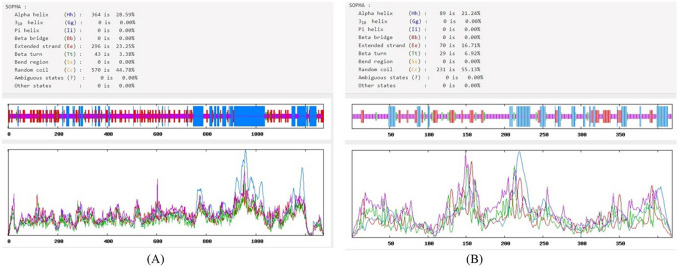
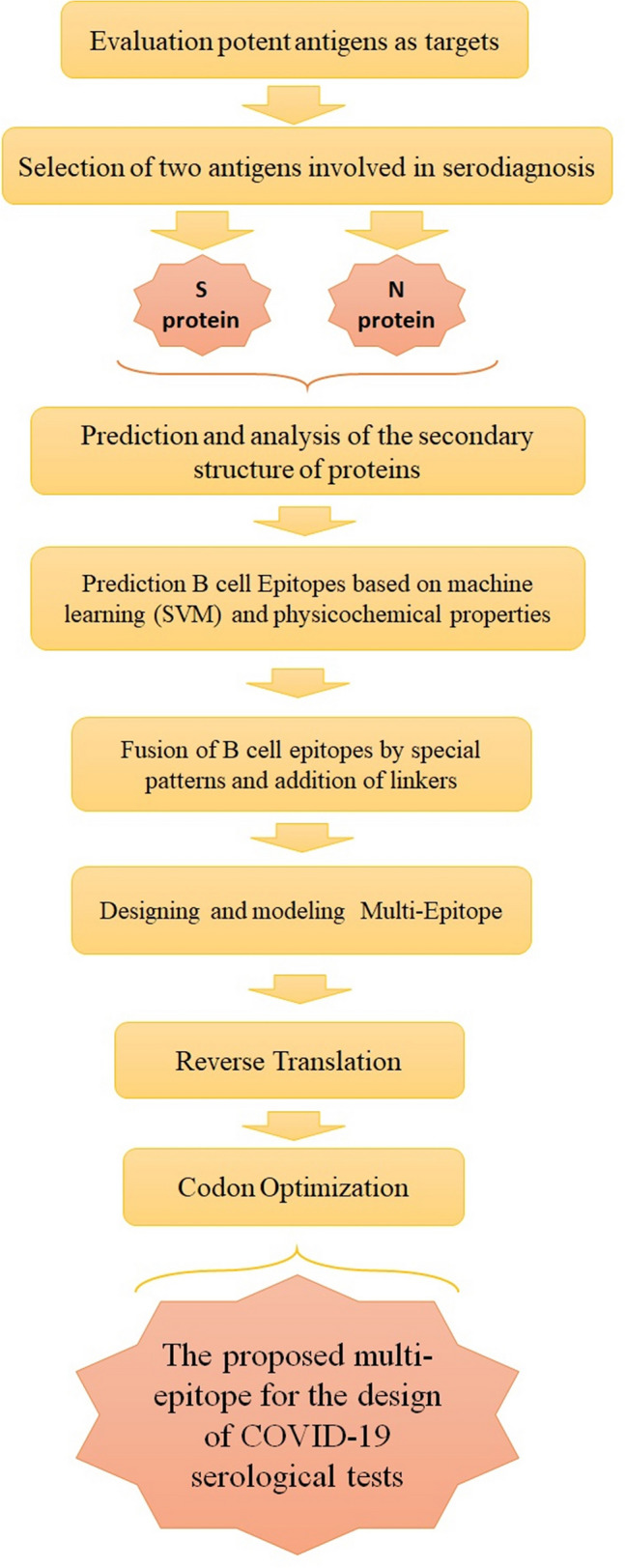
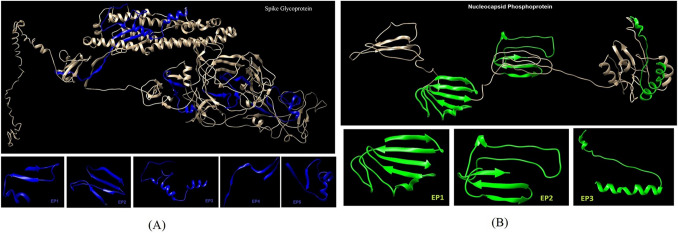
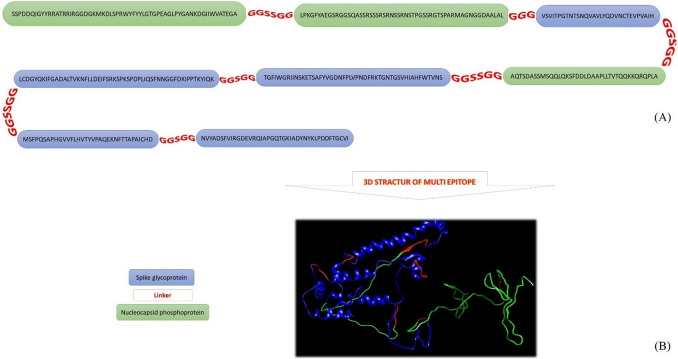
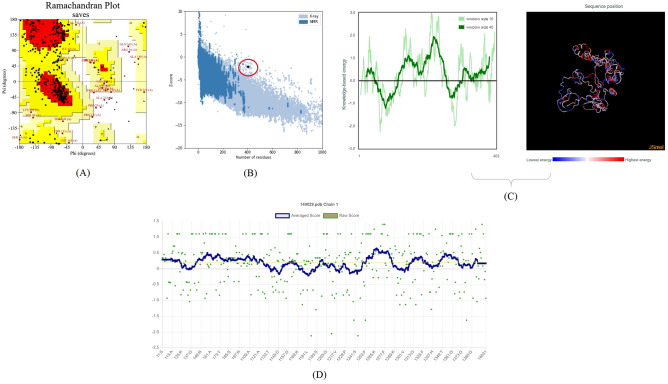
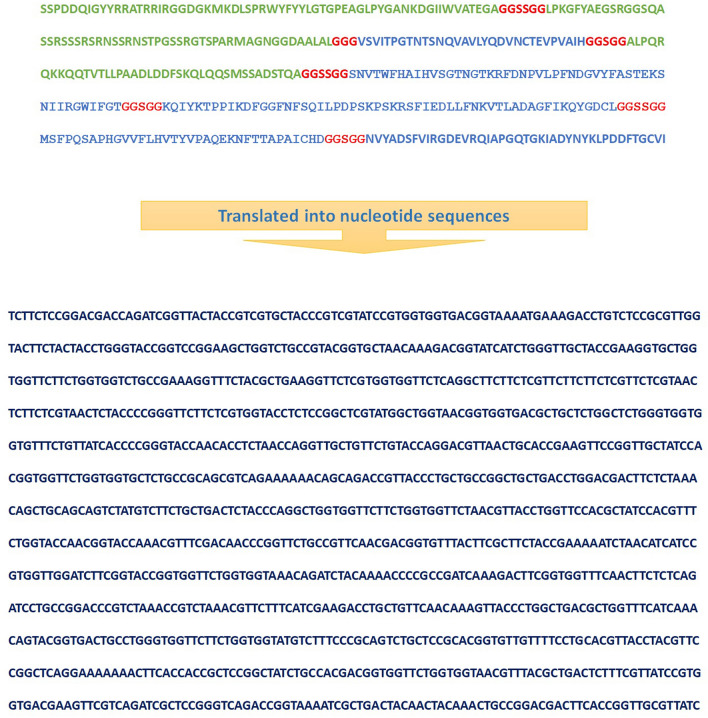
COVID-19 is a pandemic disease caused by novel corona virus, SARS-CoV-2, initially originated from China. In response to this serious life-threatening disease, designing and developing more accurate and sensitive tests are crucial. The aim of this study is designing a multi-epitope of spike and nucleocapsid antigens of COVID-19 virus by bioinformatics methods. The sequences of nucleotides obtained from the NCBI Nucleotide Database. Transmembrane structures of proteins were predicted by TMHMM Server and the prediction of signal peptide of proteins was performed by Signal P Server. B-cell epitopes' prediction was performed by the online prediction server of IEDB server. Beta turn structure of linear epitopes was also performed using the IEDB server. Conformational epitope prediction was performed using the CBTOPE and eventually, eight antigenic epitopes with high physicochemical properties were selected, and then, all eight epitopes were blasted using the NCBI website. The analyses revealed that α-helices, extended strands, β-turns, and random coils were 28.59%, 23.25%, 3.38%, and 44.78% for S protein, 21.24%, 16.71%, 6.92%, and 55.13% for N Protein, respectively. The S and N protein three-dimensional structure was predicted using the prediction I-TASSER server. In the current study, bioinformatics tools were used to design a multi-epitope peptide based on the type of antigen and its physiochemical properties and SVM method (Machine Learning) to design multi-epitopes that have a high avidity against SARS-CoV-2 antibodies to detect infections by COVID-19.
新冠病毒病(COVID-19)是一种由新型冠状病毒SARS-CoV-2引起的大流行性疾病,最初起源于中国。针对这种严重威胁生命的疾病,设计和开发更准确、更灵敏的检测方法至关重要。本研究的目的是通过生物信息学方法设计新冠病毒病病毒刺突蛋白和核衣壳抗原的多表位。从NCBI核苷酸数据库获得核苷酸序列。利用TMHMM服务器预测蛋白质的跨膜结构,利用Signal P服务器对蛋白质的信号肽进行预测。通过IEDB服务器的在线预测服务器进行B细胞表位预测。还使用IEDB服务器对线性表位的β转角结构进行预测。使用CBTOPE进行构象表位预测,最终选择了8个具有高理化性质的抗原表位,然后使用NCBI网站对所有8个表位进行比对。分析显示,S蛋白的α螺旋、延伸链、β转角和无规卷曲分别为28.59%、23.25%、3.38%和44.78%,N蛋白的分别为21.24%、16.71%、6.92%和55.13%。使用I-TASSER预测服务器预测S和N蛋白的三维结构。在本研究中,利用生物信息学工具根据抗原类型及其理化性质设计多表位肽,并利用支持向量机方法(机器学习)设计对SARS-CoV-2抗体具有高亲和力的多表位,以检测COVID-19感染。