Nanomedicine Translation Group, Medical Intensive Care Clinic, University Hospital Basel University of Basel, Basel, Switzerland.
CLINAM-European Foundation for Clinical Nanomedicine, Basel, Switzerland.
PLoS Negl Trop Dis. 2021 Dec 2;15(12):e0009375. doi: 10.1371/journal.pntd.0009375. eCollection 2021 Dec.
Reducing morbidity is the main target of schistosomiasis control efforts, yet only rarely do control programmes assess morbidity linked to Schistosoma sp. infection. In the Democratic Republic of Congo (DRC), and particularly in north-eastern Ituri Province, little is known about morbidity associated with Schistosoma mansoni infection. For this reason, we aimed to assess intestinal and hepatosplenic morbidity associated with S. mansoni infection in Ituri Province.
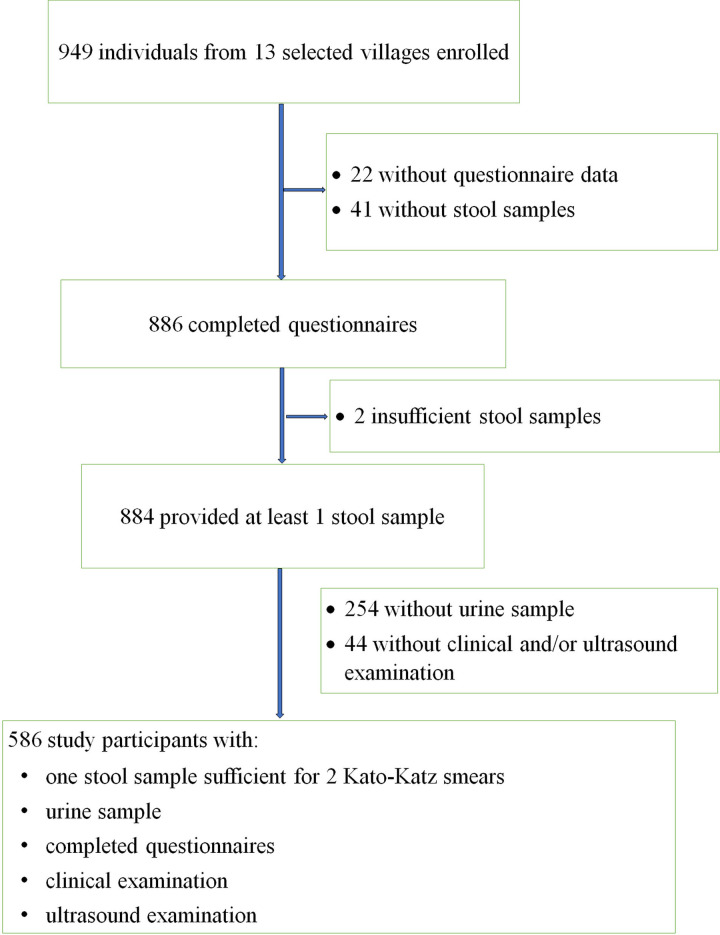
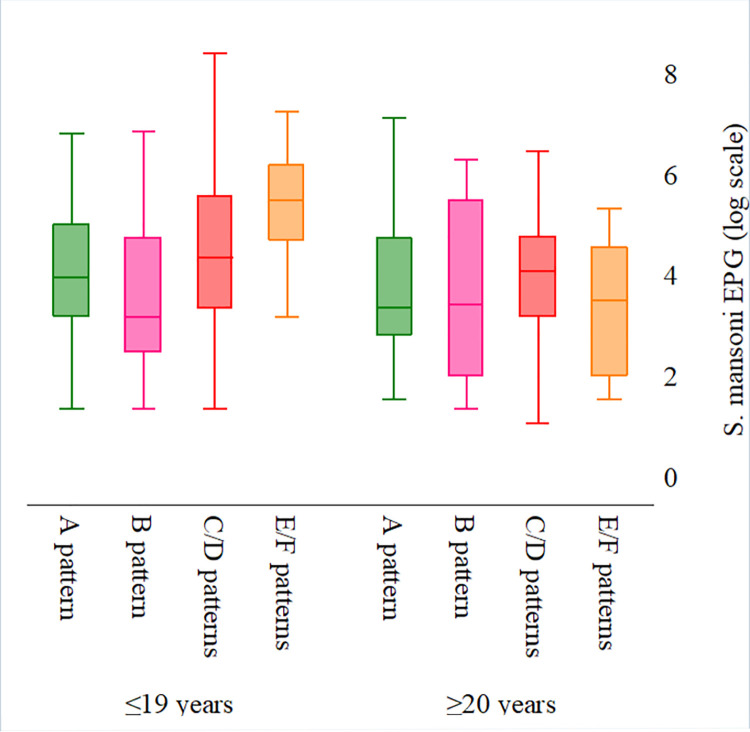
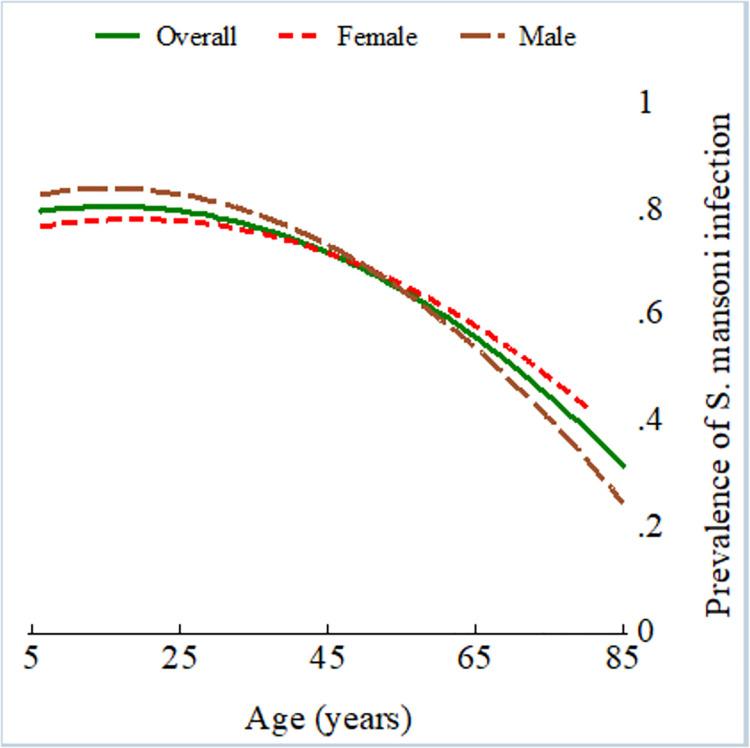
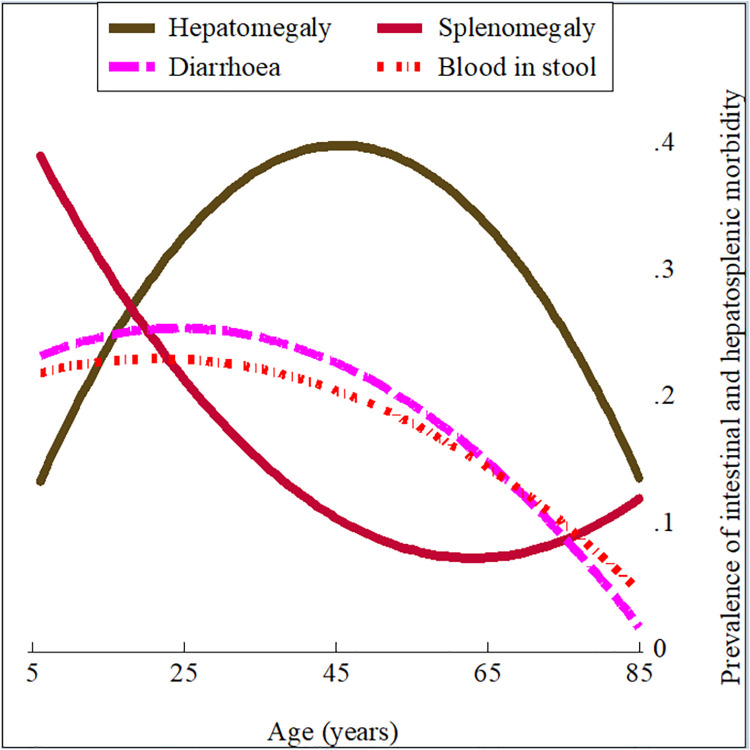
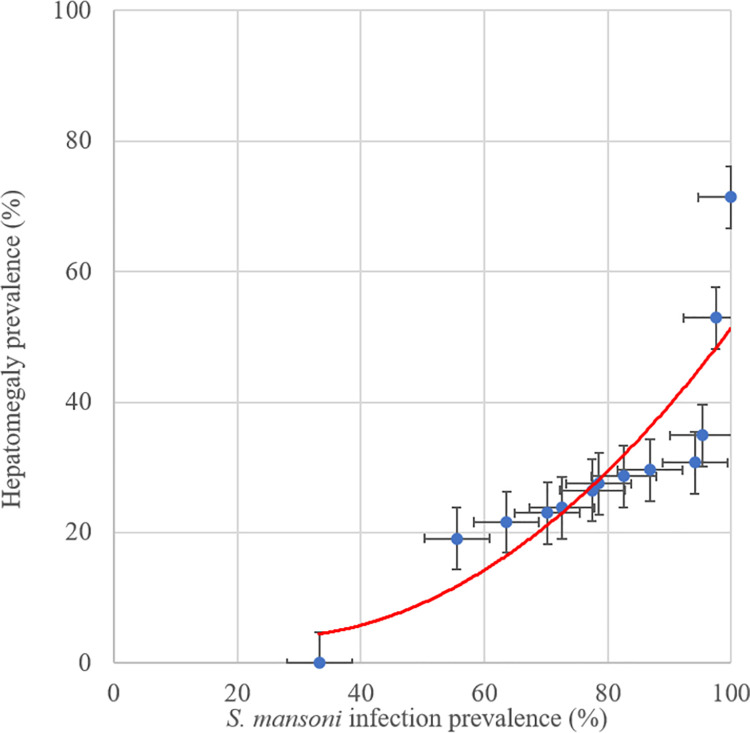
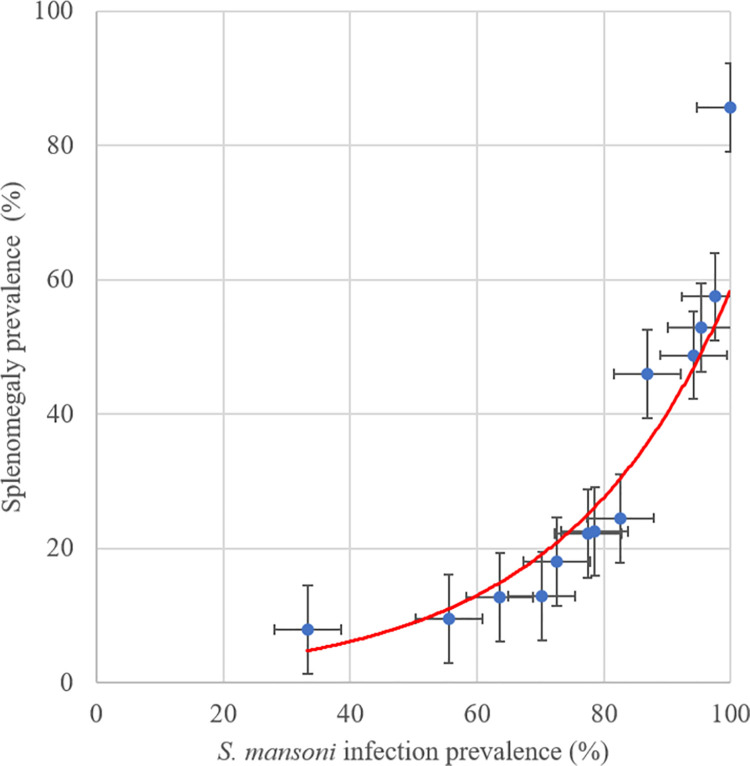
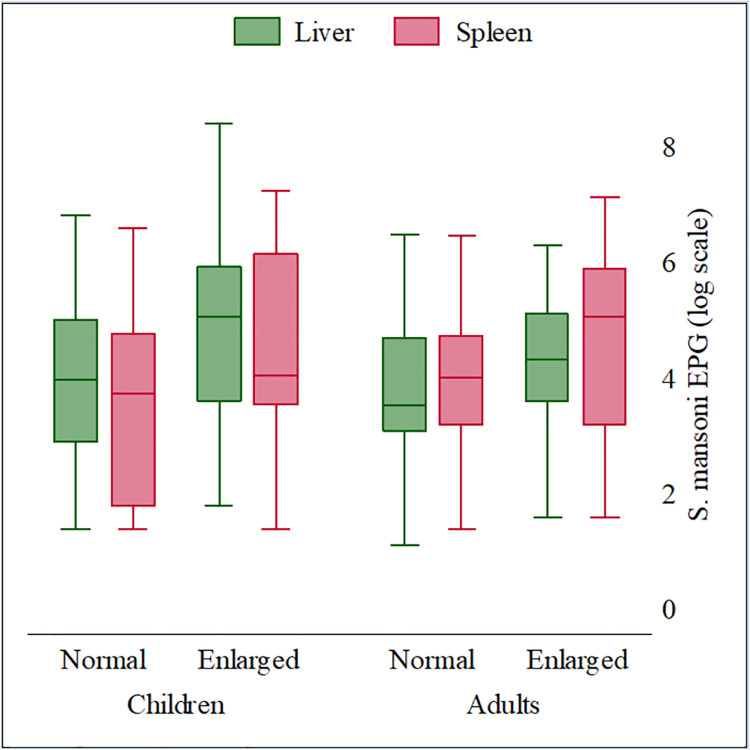
METHODS/PRINCIPAL FINDINGS: In 2017, we conducted a cross-sectional study in 13 villages in Ituri Province, DRC. S. mansoni infection was assessed with a Kato-Katz stool test (2 smears) and a point-of-care circulating cathodic antigen (POC-CCA) urine test. A questionnaire was used to obtain demographic data and information about experienced intestinal morbidity. Each participant underwent an abdominal ultrasonography examination to diagnose hepatosplenic morbidity. Of the 586 study participants, 76.6% tested positive for S. mansoni. Intestinal morbidity reported in the two preceding weeks was very frequent, and included abdominal pain (52.7%), diarrhoea (23.4%) and blood in the stool (21.5%). Hepatosplenic morbidity consisted of abnormal liver parenchyma patterns (42.8%), hepatomegaly (26.5%) and splenomegaly (25.3%). Liver pathology (adjusted odds ratio [aOR] 1.20, 95% confidence interval [CI] 1.06-1.37, p = 0.005) was positively and significantly associated with S. mansoni infection. Hepatomegaly (aOR 1.52, 95% CI 0.99-2.32, p = 0.053) and splenomegaly (aOR 1.12, 95% CI 0.73-1.72, p = 0.619) were positively but not significantly associated with S. mansoni infection at the individual level. At the village level, S. mansoni prevalence was positively associated with the prevalence of hepatomegaly and splenomegaly. High-intensity S. mansoni infections were associated with diarrhoea, blood in the stool, hepatomegaly, splenomegaly, and liver parenchyma (C, D, E and F pathology patterns). Four study participants were diagnosed with ascites and five reported hematemesis.
CONCLUSIONS/SIGNIFICANCE: Our study documents a high burden of intestinal and hepatosplenic morbidity associated with S. mansoni infection status in Ituri Province. The findings call for targeted interventions to address both S. mansoni infection and related morbidity.
降低发病率是血吸虫病控制工作的主要目标,但很少有控制项目评估与血吸虫感染相关的发病率。在刚果民主共和国(DRC),特别是东北部伊图里省,人们对曼氏血吸虫感染相关的发病率知之甚少。出于这个原因,我们旨在评估伊图里省与曼氏血吸虫感染相关的肠道和肝脾发病率。
方法/主要发现:2017 年,我们在伊图里省的 13 个村庄进行了一项横断面研究。曼氏血吸虫感染采用加藤厚涂片粪便检查(2 张涂片)和即时检测循环阴离子抗原(POC-CCA)尿液检查进行评估。问卷调查用于获取人口统计学数据和有关经历肠道发病率的信息。每位参与者都接受了腹部超声检查以诊断肝脾发病率。在 586 名研究参与者中,76.6%的人检测出曼氏血吸虫呈阳性。在过去两周内报告的肠道发病率非常高,包括腹痛(52.7%)、腹泻(23.4%)和大便带血(21.5%)。肝脾发病率包括异常肝实质模式(42.8%)、肝肿大(26.5%)和脾肿大(25.3%)。肝脏病理学(调整后的优势比[aOR]1.20,95%置信区间[CI]1.06-1.37,p=0.005)与曼氏血吸虫感染呈正相关且显著相关。肝肿大(aOR 1.52,95%CI 0.99-2.32,p=0.053)和脾肿大(aOR 1.12,95%CI 0.73-1.72,p=0.619)与个体水平上的曼氏血吸虫感染呈正相关但不显著。在村庄层面,曼氏血吸虫的流行率与肝肿大和脾肿大的流行率呈正相关。高强度曼氏血吸虫感染与腹泻、大便带血、肝肿大、脾肿大和肝实质(C、D、E 和 F 病理模式)有关。有 4 名研究参与者被诊断为腹水,有 5 名参与者报告有呕血。
结论/意义:我们的研究记录了伊图里省与曼氏血吸虫感染状况相关的肠道和肝脾发病率很高。研究结果呼吁采取有针对性的干预措施,以解决曼氏血吸虫感染和相关发病率问题。