Department of Dentistry, University of Alberta, Edmonton, AB, Canada.
Department of Medicine, Division of Infectious Disease, University of Alberta, Edmonton, AB, Canada.
Front Immunol. 2021 Nov 9;12:780910. doi: 10.3389/fimmu.2021.780910. eCollection 2021.
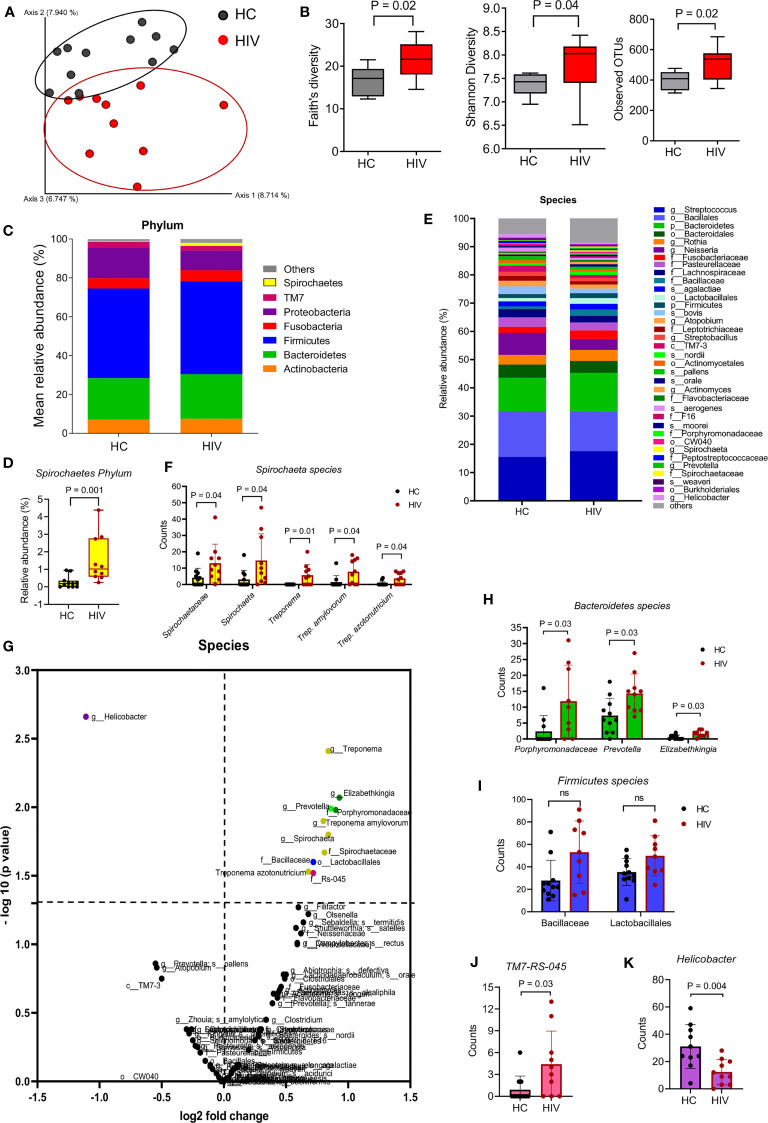
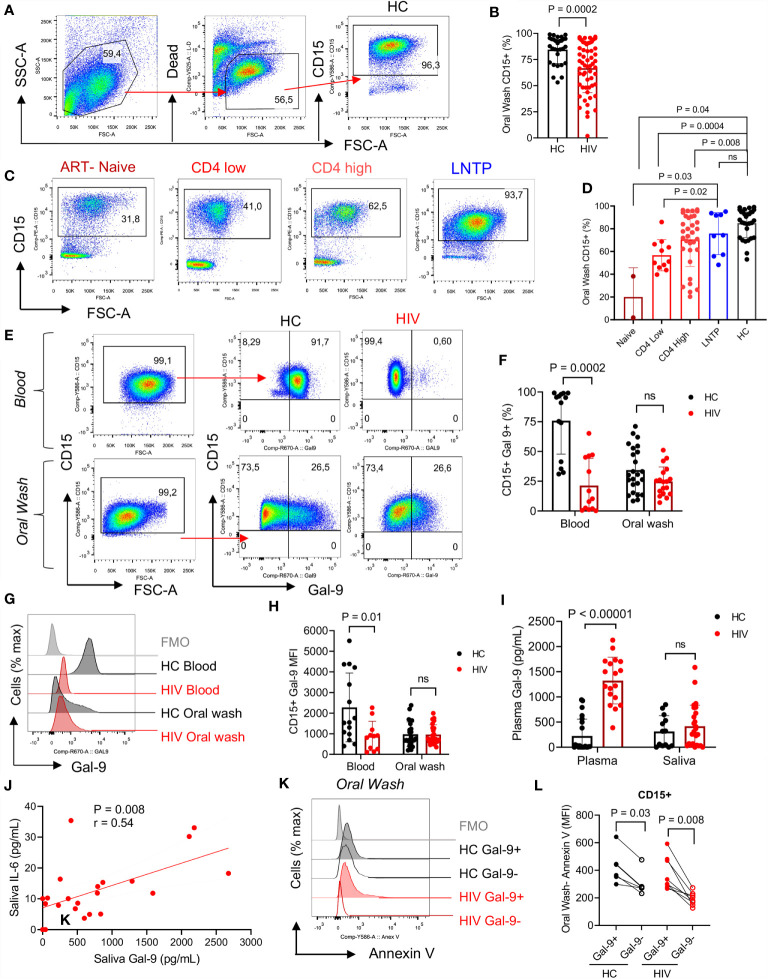
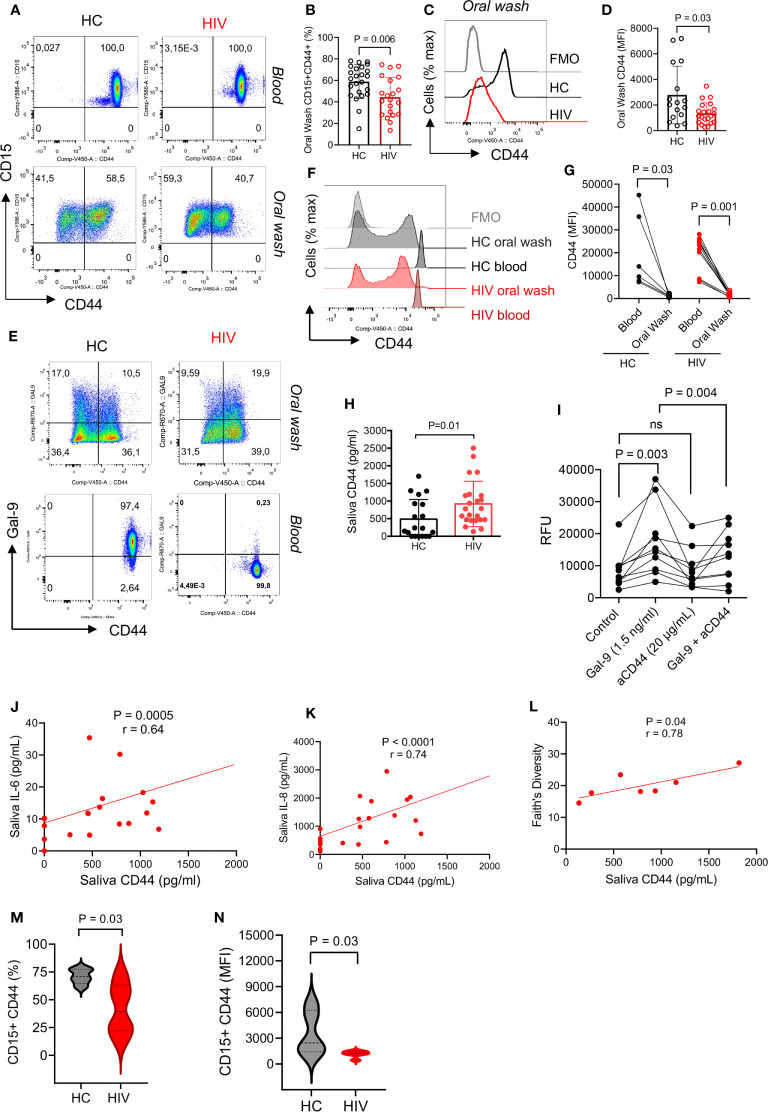
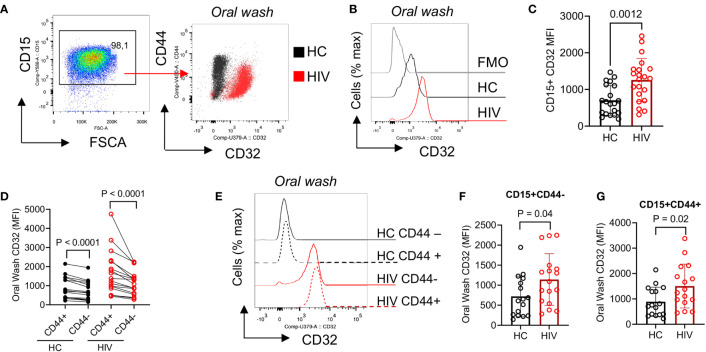
HIV infection is associated with a wide range of changes in microbial communities and immune cell components of the oral cavity. The purpose of this study was to evaluate the oral microbiome in relationship to oral neutrophils in HIV-infected compared to healthy individuals. We evaluated oral washes and saliva samples from HIV-infected individuals (n=52) and healthy controls (n=43). Using 16S-rRNA gene sequencing, we found differential β-diversity using Principal Coordinate Analysis (PCoA) with Bray-Curtis distances. The α-diversity analysis by Faith's, Shannon, and observed OTUs indexes indicated that the saliva samples from HIV-infected individuals harbored significantly richer bacterial communities compared to the saliva samples from healthy individuals. Notably, we observed that five species of Spirochaeta including , , , , and were significantly abundant. In contrast, species were significantly reduced in the saliva of HIV-infected individuals. Moreover, we found a significant reduction in the frequency of oral neutrophils in the oral cavity of HIV-infected individuals, which was positively related to their CD4 T cell count. In particular, we noted a significant decline in CD44 expressing neutrophils and the intensity of CD44 expression on oral neutrophils of HIV-infected individuals. This observation was supported by the elevation of soluble CD44 in the saliva of HIV-infected individuals. Overall, the core oral microbiome was distinguishable between HIV-infected individuals on antiretroviral therapy compared to the HIV-negative group. The observed reduction in oral neutrophils might likely be related to the low surface expression of CD44, resulting in a higher bacterial diversity and richness in HIV-infected individuals.
HIV 感染与口腔微生物群落和免疫细胞成分的广泛变化有关。本研究旨在评估 HIV 感染者与健康个体相比口腔中性粒细胞与口腔微生物组的关系。我们评估了 HIV 感染者(n=52)和健康对照者(n=43)的口腔冲洗液和唾液样本。使用 16S-rRNA 基因测序,我们通过主坐标分析(PCoA)和 Bray-Curtis 距离发现了不同的β多样性。Faith、Shannon 和观察到的 OTUs 指数的α多样性分析表明,HIV 感染者的唾液样本中细菌群落明显更为丰富。值得注意的是,我们观察到五种螺旋体属,包括 、 、 、 和 ,在 HIV 感染者的唾液中明显丰富。相比之下,在 HIV 感染者的唾液中,有 种物种明显减少。此外,我们发现 HIV 感染者口腔中性粒细胞的频率显著降低,这与他们的 CD4 T 细胞计数呈正相关。特别是,我们注意到 HIV 感染者口腔中性粒细胞 CD44 表达的中性粒细胞和 CD44 表达强度显著下降。这一观察结果得到了 HIV 感染者唾液中可溶性 CD44 升高的支持。总的来说,接受抗逆转录病毒治疗的 HIV 感染者与 HIV 阴性组之间可区分核心口腔微生物组。观察到的口腔中性粒细胞减少可能与 CD44 表面表达降低有关,导致 HIV 感染者的细菌多样性和丰富度增加。