Ye Wenrui, Liu Zhixiong, Liu Fangkun, Luo Cong
Department of Neurosurgery, Xiangya Hospital, Central South University (CSU), Changsha, China.
National Clinical Research Center for Geriatric Disorders, Xiangya Hospital, Central South University (CSU), Changsha, China.
Front Cell Dev Biol. 2021 Nov 9;9:760800. doi: 10.3389/fcell.2021.760800. eCollection 2021.
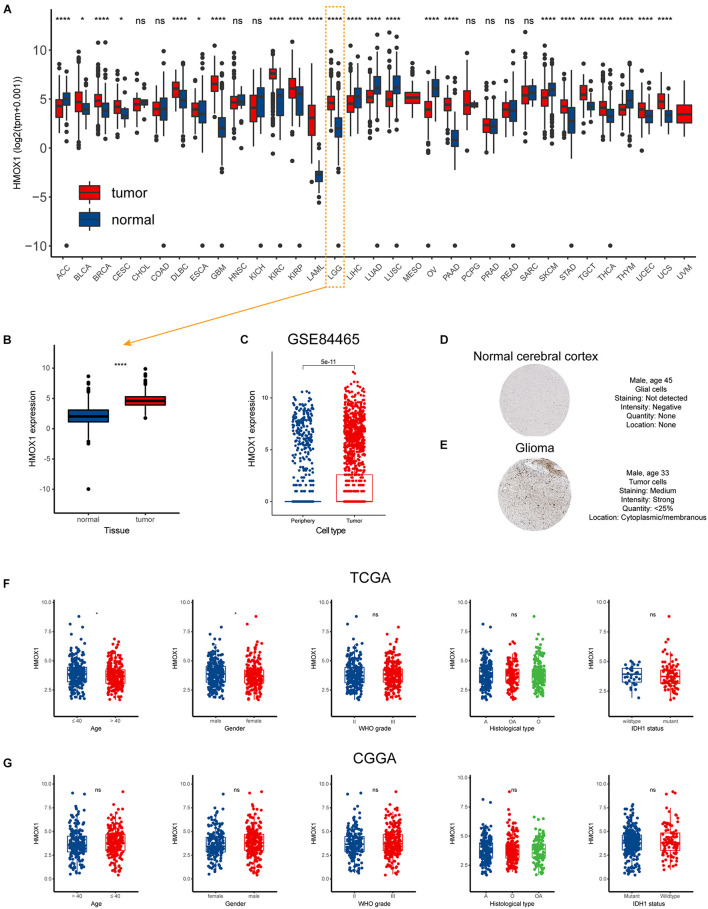
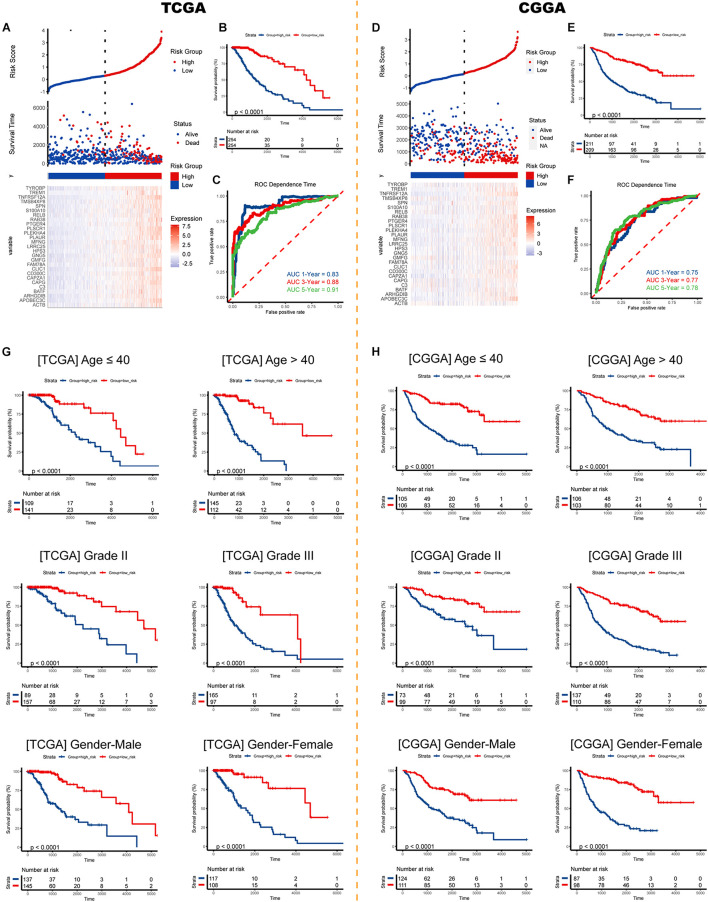
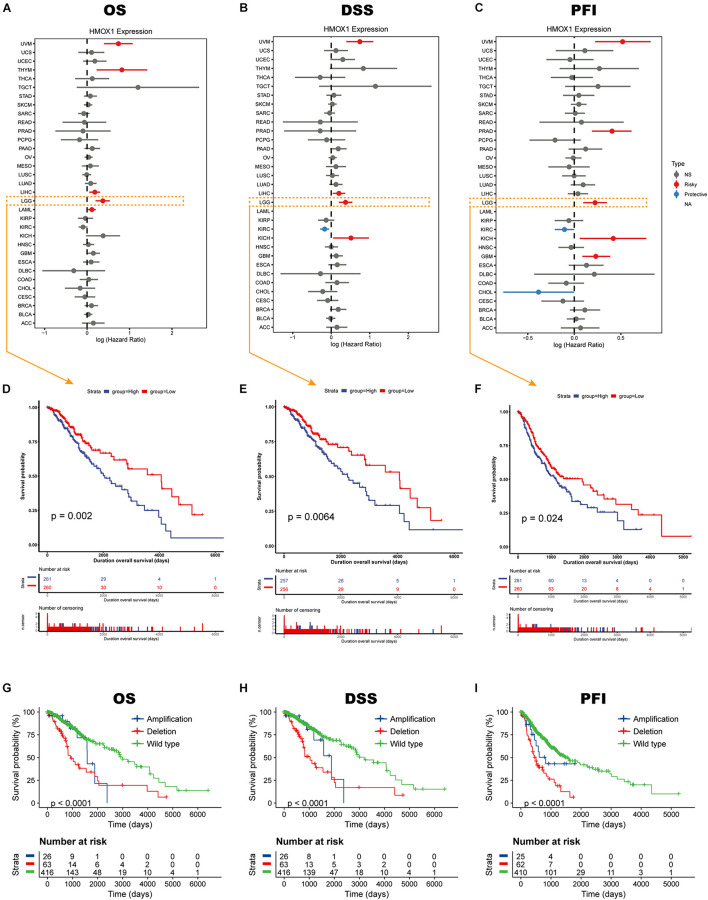
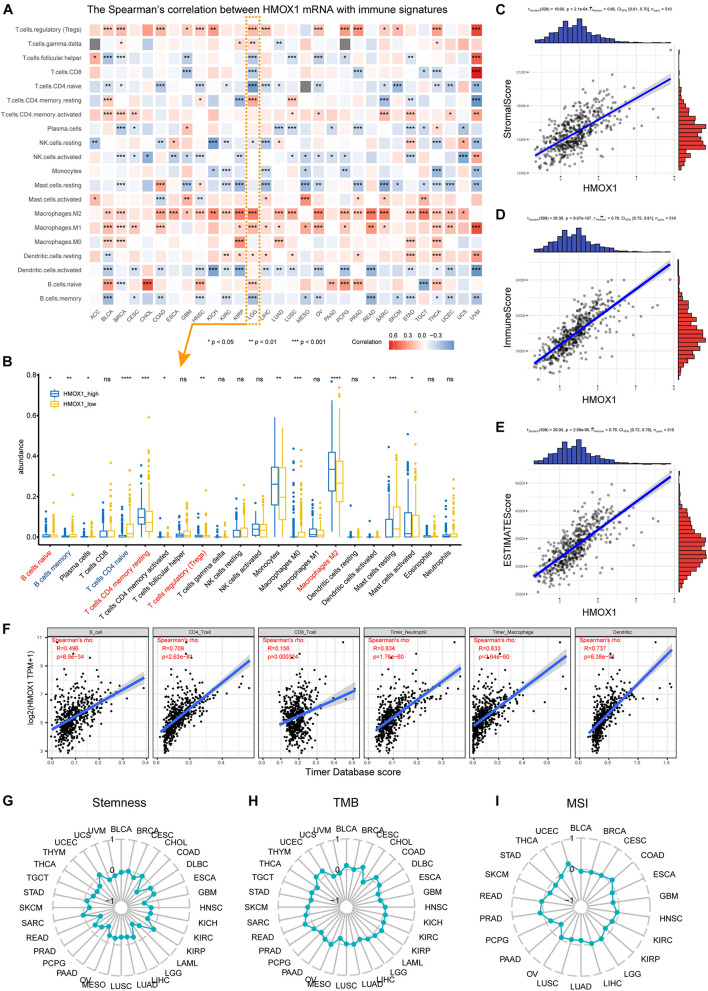
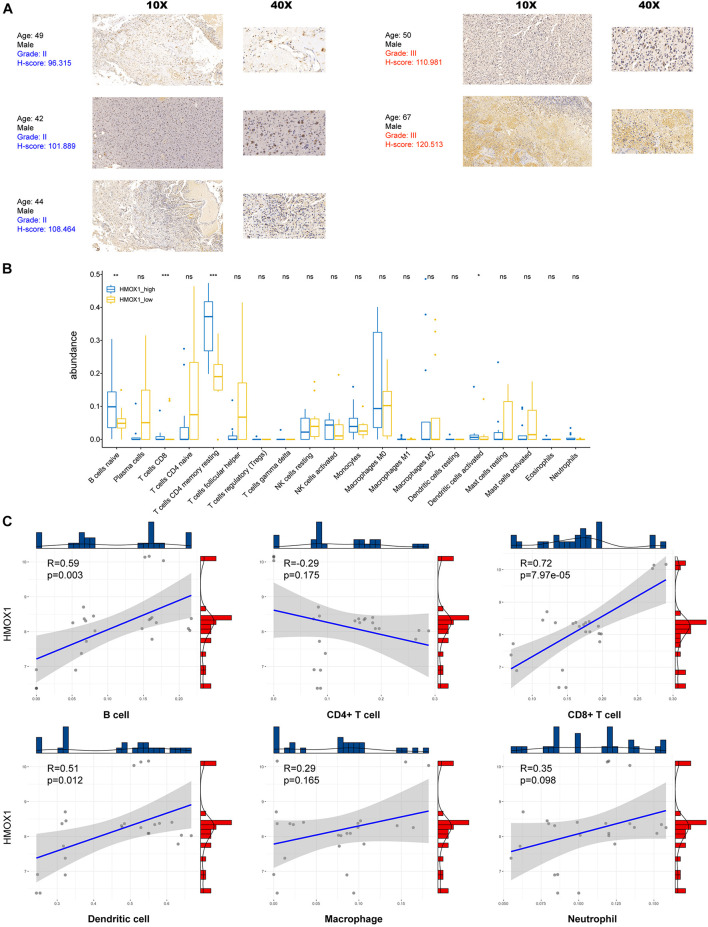
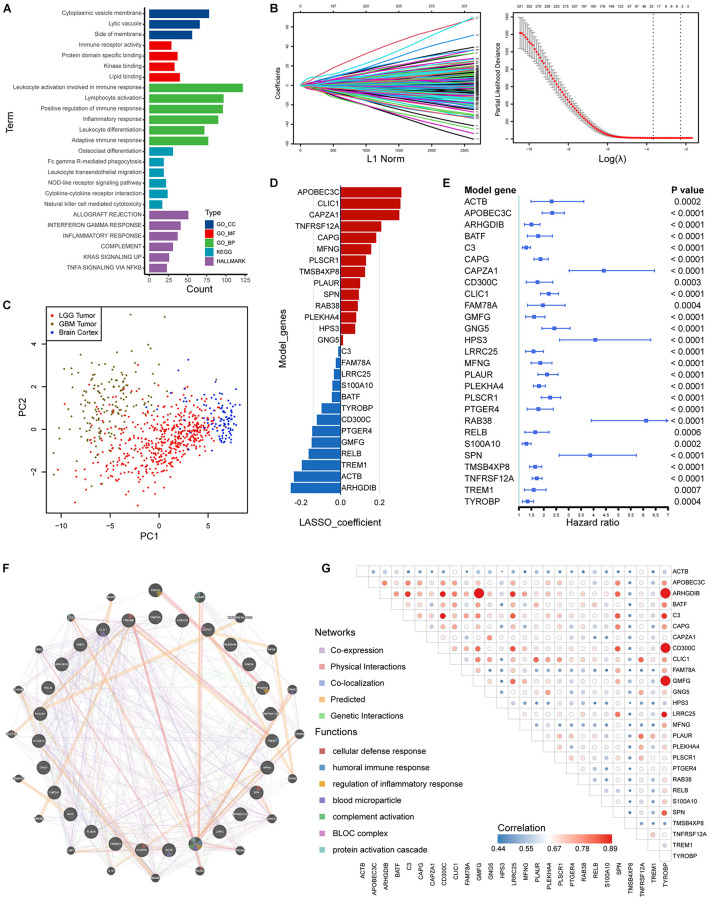
Gliomas are the most common tumors in human brains with unpleasing outcomes. Heme oxygenase-1 (, ) was a potential target for human cancers. However, their relationship remains incompletely discussed. We employed a total of 952 lower grade glioma (LGG) patients from TCGA and CGGA databases, and 29 samples in our hospital for subsequent analyses. Expression, mutational, survival, and immune profiles of were comprehensively evaluated. We constructed a risk signature using the LASSO Cox regression model, and further generated a nomogram model to predict survival of LGG patients. Single-cell transcriptomic sequencing data were also employed to investigated the role of in cancer cells. We found that was overexpressed and was related to poorer survival in gliomas. -related genes (HRGs) were involved in immune-related pathways. Patients in the high-risk group exhibited significantly poorer overall survival. The risk score was positively correlated with the abundance of resting memory CD4+ T cells, M1, M2 macrophages, and activated dendritic cells. Additionally, immunotherapy showed potent efficacy in low-risk group. And patients with lower expression were predicted to have better response to immunotherapies, suggesting that immunotherapies combined with inhibition may execute good responses. Moreover, significant correlations were found between expression and single-cell functional states including angiogenesis, hypoxia, and metastasis. Finally, we constructed a nomogram which could predict 1-, 3-, and 5-year survival in LGG patients. is involved in immune infiltration and predicts poor survival in patients with lower grade glioma. Importantly, were related to oncological functional states including angiogenesis, hypoxia, and metastasis. A nomogram integrated with the risk signature was obtained to robustly predict glioma patient outcomes, with the potential to guide clinical decision-making.
胶质瘤是人类大脑中最常见的肿瘤,预后不佳。血红素加氧酶-1(HO-1)是人类癌症的一个潜在靶点。然而,它们之间的关系仍未得到充分讨论。我们从TCGA和CGGA数据库中总共纳入了952例低级别胶质瘤(LGG)患者,并收集了我院的29份样本进行后续分析。全面评估了HO-1的表达、突变、生存和免疫特征。我们使用LASSO Cox回归模型构建了一个风险特征,并进一步生成了一个列线图模型来预测LGG患者的生存情况。还利用单细胞转录组测序数据研究了HO-1在癌细胞中的作用。我们发现HO-1在胶质瘤中过度表达,且与较差的生存相关。HO-1相关基因(HRGs)参与免疫相关途径。高风险组患者的总生存期明显较差。风险评分与静息记忆CD4+ T细胞、M1、M2巨噬细胞和活化树突状细胞的丰度呈正相关。此外,免疫疗法在低风险组显示出强大的疗效。HO-1表达较低的患者预计对免疫疗法有更好的反应,这表明免疫疗法联合HO-1抑制可能会产生良好的反应。此外,发现HO-1表达与包括血管生成、缺氧和转移在内的单细胞功能状态之间存在显著相关性。最后,我们构建了一个列线图,可以预测LGG患者1年、3年和5年的生存率。HO-1参与免疫浸润,并预测低级别胶质瘤患者的生存较差。重要的是,HO-1与包括血管生成、缺氧和转移在内的肿瘤功能状态相关。获得了一个与风险特征相结合的列线图,以可靠地预测胶质瘤患者的预后,有可能指导临床决策。