Liu Yi, Xiang Juan, Peng Gang, Shen Chenfu
Department of Neurosurgery, Xiangya Hospital, Central South University, Changsha, China.
Department of Geriatrics, Xiangya Hospital, Central South University, Changsha, China.
Front Mol Biosci. 2021 Nov 11;8:785370. doi: 10.3389/fmolb.2021.785370. eCollection 2021.
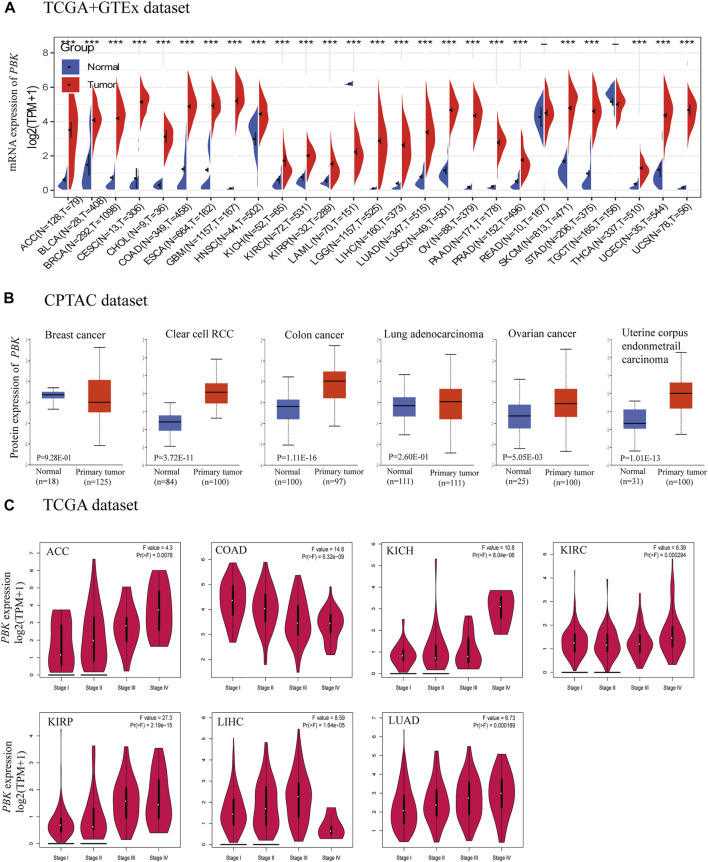
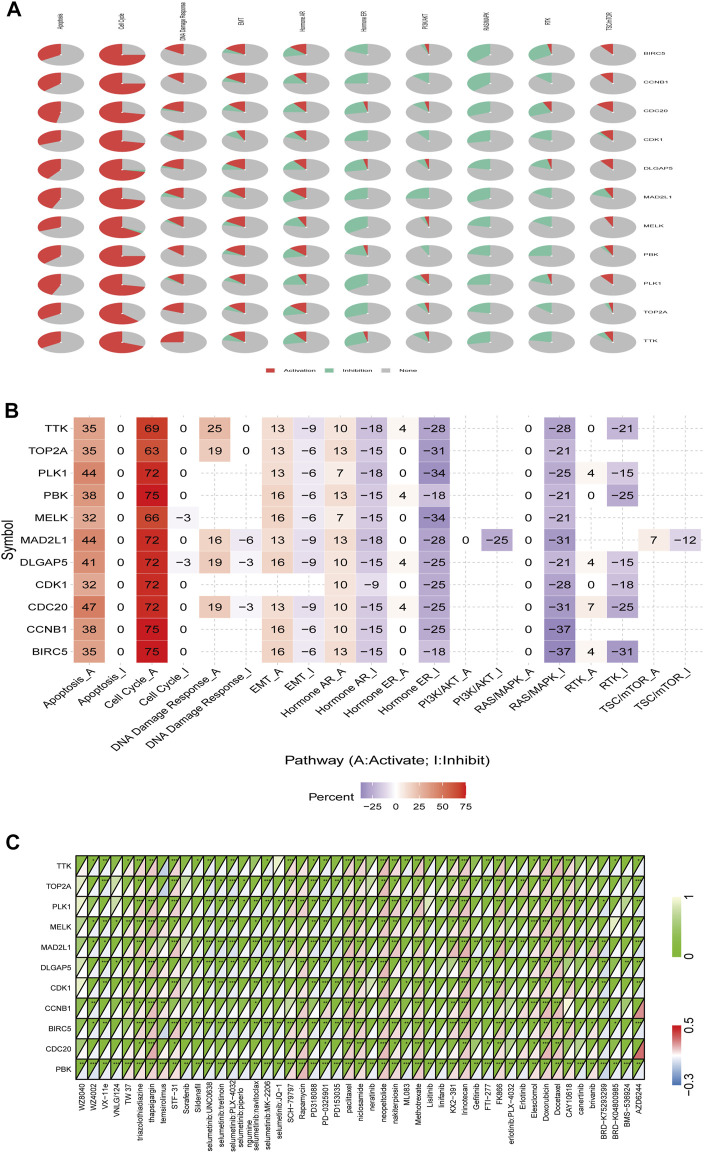
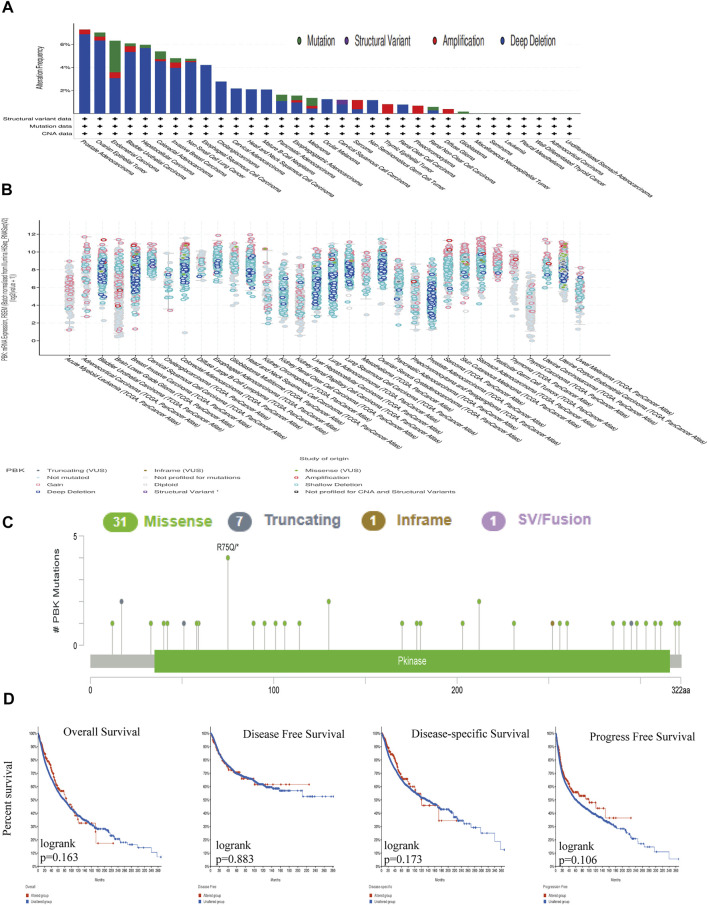
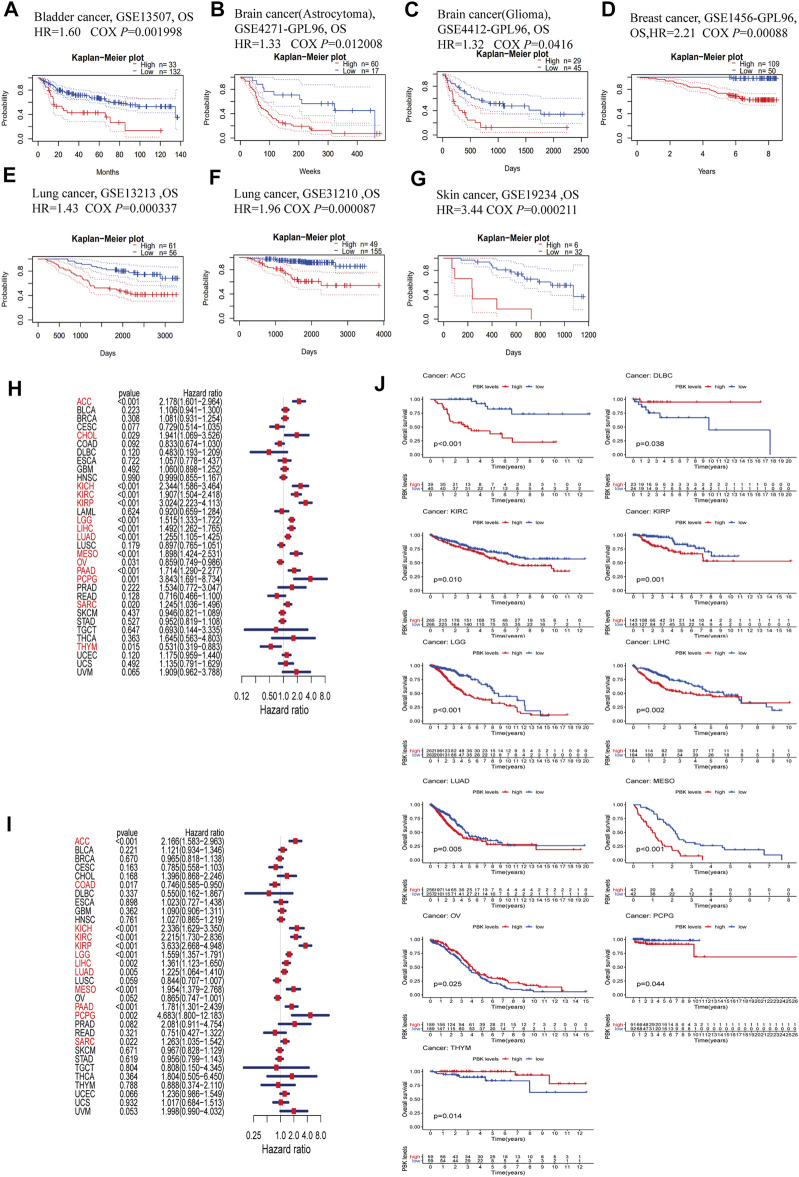
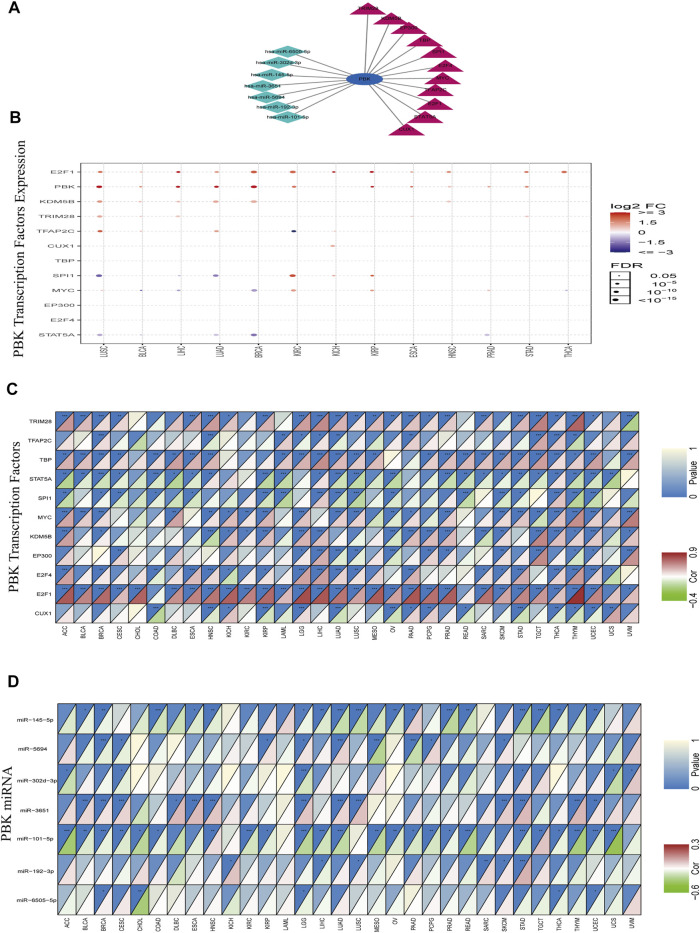
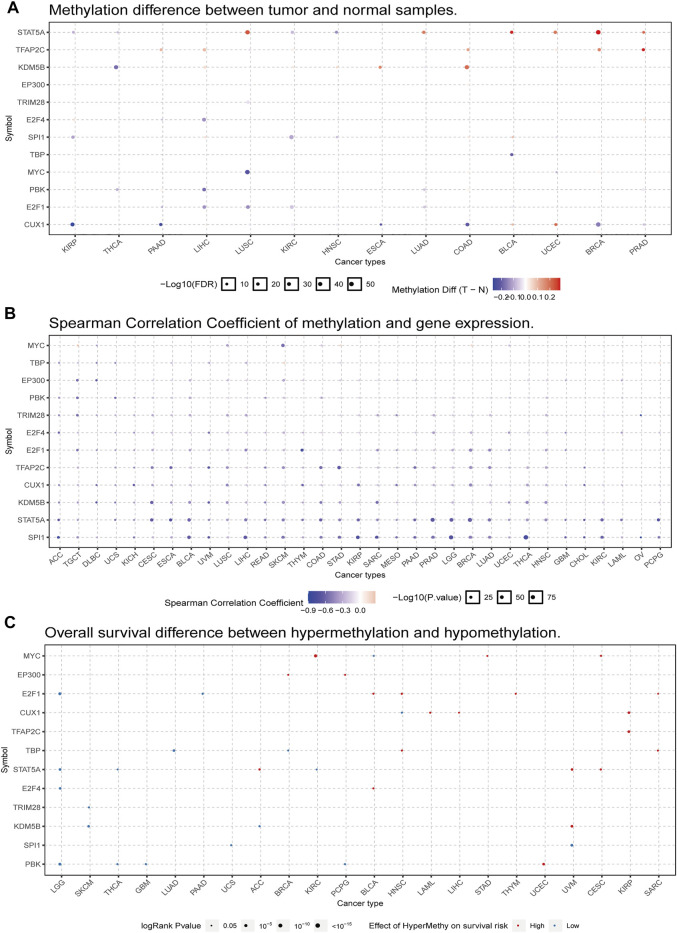
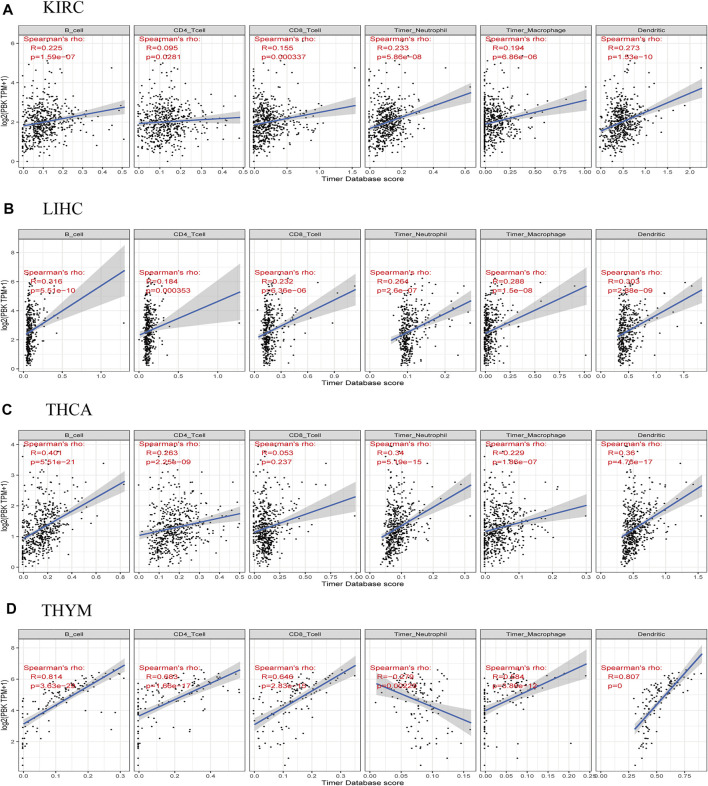
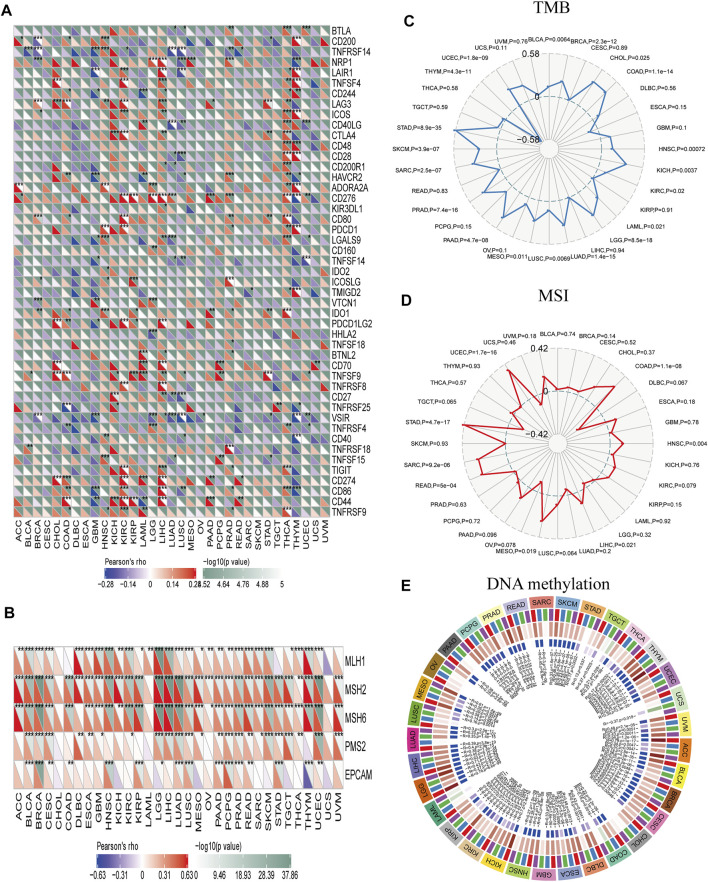
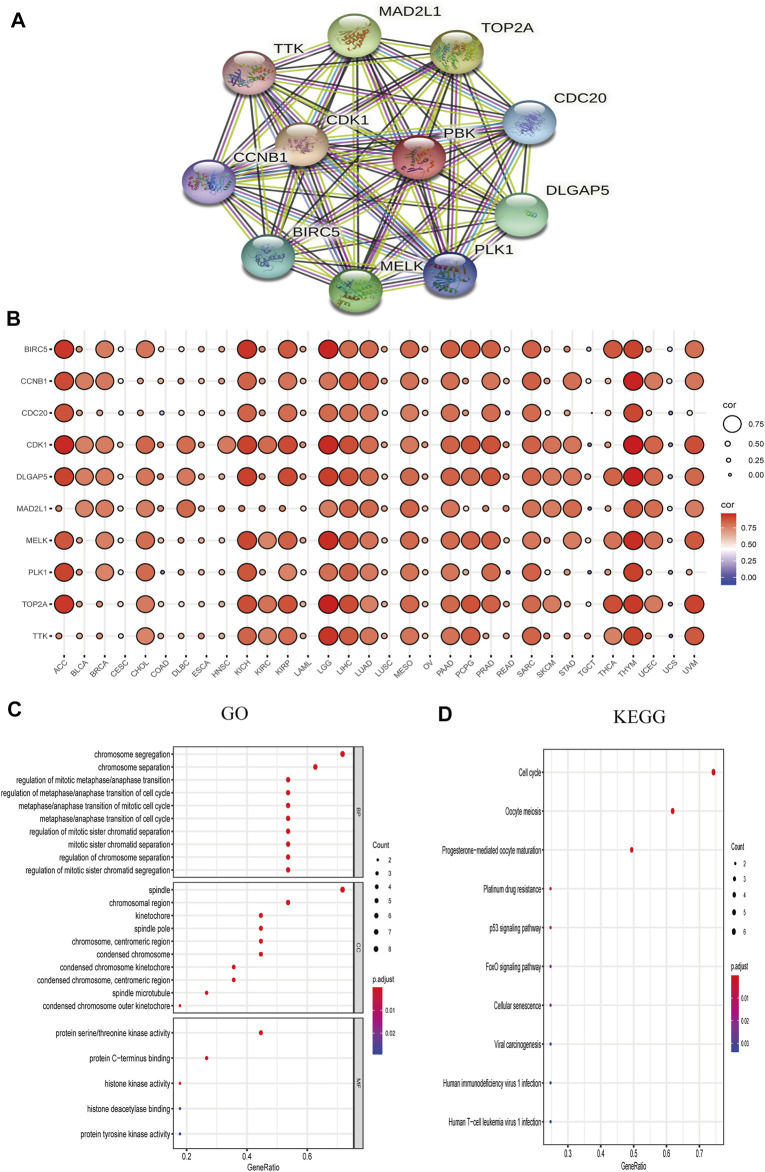
PDZ-binding kinase (PBK) is known to regulate tumor progression in some cancer types. However, its relationship to immune cell infiltration and prognosis in different cancers is unclear. This was investigated in the present study by analyzing data from TCGA, GEO, GETx, TIMER, CPTAC, GEPIA2, cBioPortal, GSCALite, PROGNOSCAN, PharmacoDB, STRING, and ENCORI databases. PBK was overexpressed in most tumors including adenocortical carcinoma (hazard ratio [HR] = 2.178, < 0.001), kidney renal clear cell carcinoma (KIRC; HR = 1.907, < 0.001), kidney renal papillary cell carcinoma (HR = 3.024, < 0.001), and lung adenocarcinoma (HR = 1.255, < 0.001), in which it was associated with poor overall survival and advanced pathologic stage. PBK methylation level was a prognostic marker in thyroid carcinoma (THCA). PBK expression was positively correlated with the levels of BIRC5, CCNB1, CDC20, CDK1, DLGAP5, MAD2L1, MELK, PLK1, TOP2A, and TTK in 32 tumor types; and with the levels of the transcription factors E2F1 and MYC, which regulate apoptosis, the cell cycle, cell proliferation and invasion, tumorigenesis, and metastasis. It was also negatively regulated by the microRNAs hsa-miR-101-5p, hsa-miR-145-5p, and hsa-miR-5694. PBK expression in KIRC, liver hepatocellular carcinoma, THCA, and thymoma was positively correlated with the infiltration of immune cells including B cells, CD4+T cells, CD8 T cells, macrophages, monocytes, and neutrophils. The results of the functional enrichment analysis suggested that PBK and related genes contribute to tumor development via cell cycle regulation. We also identified 20 drugs that potentially inhibit PBK expression. Thus, PBK is associated with survival outcome in a variety of cancers and may promote tumor development and progression by increasing immune cell infiltration into the tumor microenvironment. These findings indicate that PBK is a potential therapeutic target and has prognostic value in cancer treatment.
已知PDZ结合激酶(PBK)可调节某些癌症类型中的肿瘤进展。然而,其与不同癌症中免疫细胞浸润及预后的关系尚不清楚。在本研究中,通过分析来自TCGA、GEO、GETx、TIMER、CPTAC、GEPIA2、cBioPortal、GSCALite、PROGNOSCAN、PharmacoDB、STRING和ENCORI数据库的数据对此进行了研究。PBK在大多数肿瘤中过表达,包括肾上腺皮质癌(风险比[HR]=2.178,<0.001)、肾透明细胞癌(KIRC;HR=1.907,<0.001)、肾乳头状细胞癌(HR=3.024,<0.001)和肺腺癌(HR=1.255,<0.001),在这些肿瘤中它与总体生存率低和病理分期进展相关。PBK甲基化水平是甲状腺癌(THCA)的一个预后标志物。在32种肿瘤类型中,PBK表达与BIRC5、CCNB1、CDC20、CDK1、DLGAP5、MAD2L1、MELK、PLK1、TOP2A和TTK的水平呈正相关;与调节细胞凋亡、细胞周期、细胞增殖和侵袭、肿瘤发生及转移的转录因子E2F1和MYC的水平呈正相关。它还受到微小RNA hsa-miR-101-5p、hsa-miR-145-5p和hsa-miR-5694的负调控。KIRC、肝细胞癌、THCA和胸腺瘤中的PBK表达与包括B细胞、CD4+T细胞、CD8 T细胞、巨噬细胞、单核细胞和中性粒细胞在内的免疫细胞浸润呈正相关。功能富集分析结果表明,PBK及相关基因通过细胞周期调控促进肿瘤发展。我们还鉴定出20种可能抑制PBK表达的药物。因此,PBK与多种癌症的生存结果相关,可能通过增加免疫细胞浸润到肿瘤微环境中来促进肿瘤发展和进展。这些发现表明,PBK是一个潜在的治疗靶点,在癌症治疗中具有预后价值。