State Key Laboratory of Oral Diseases, National Clinical Research Center for Oral Diseases, West China Hospital of Stomatology, Sichuan University, Chengdu, China.
Department of Pediatric Dentistry, West China Hospital of Stomatology, Sichuan University, Chengdu, China.
PLoS Pathog. 2021 Dec 3;17(12):e1010134. doi: 10.1371/journal.ppat.1010134. eCollection 2021 Dec.
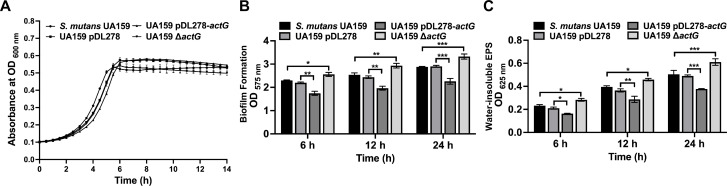
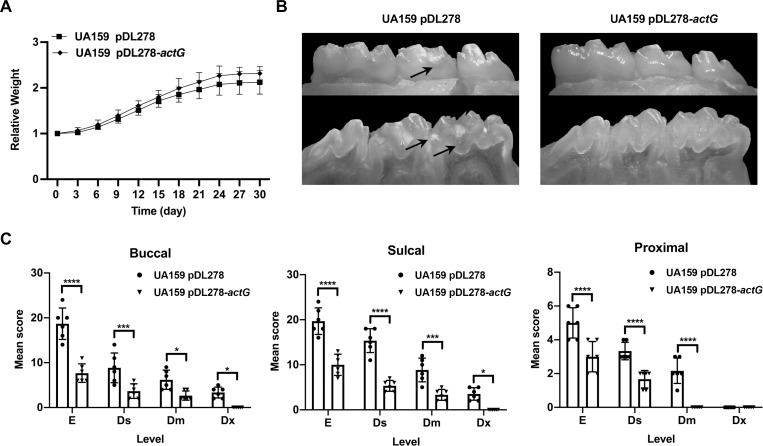
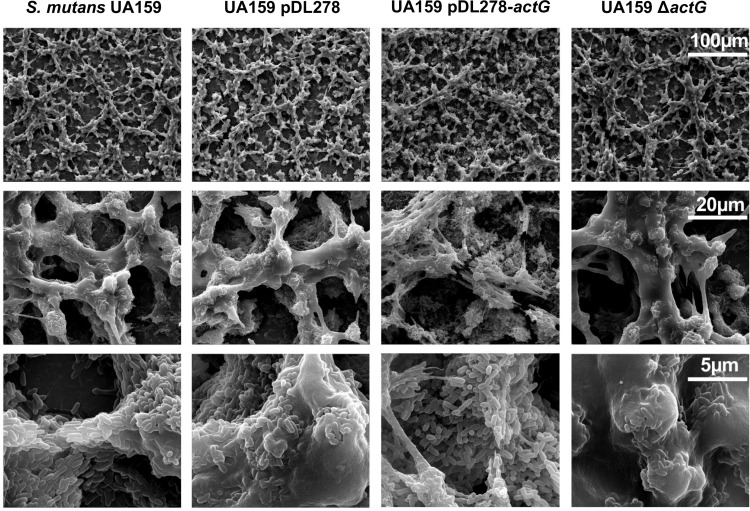
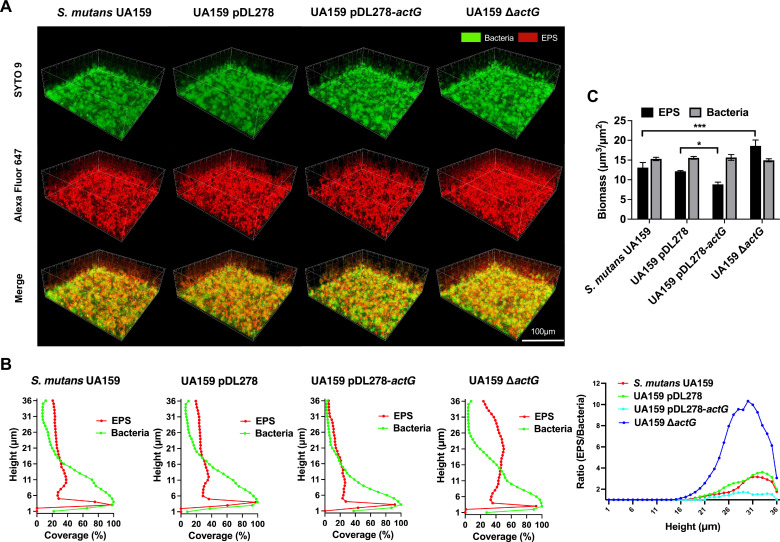
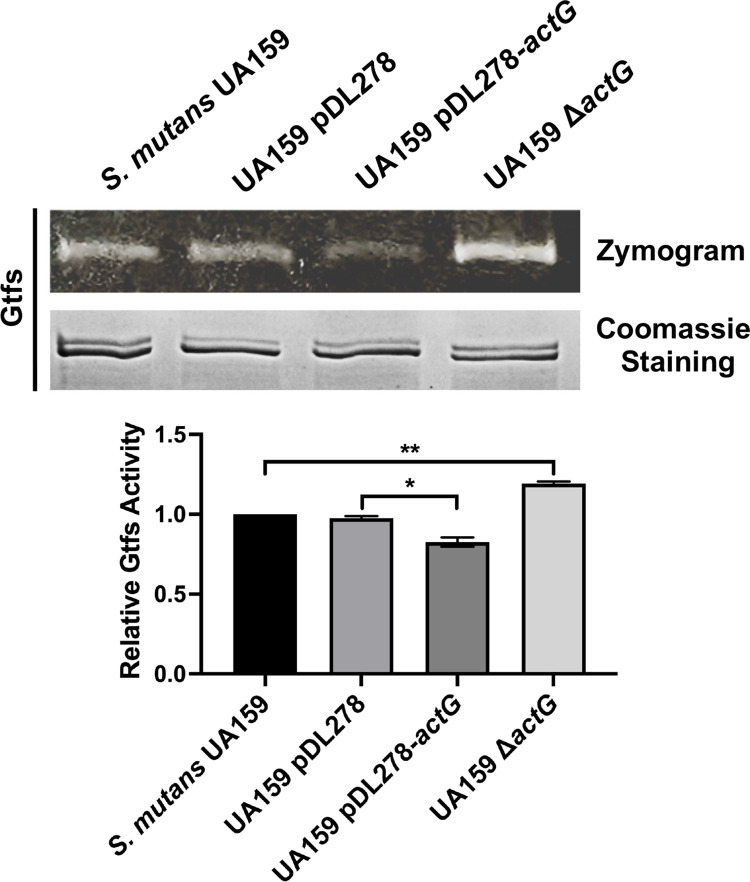
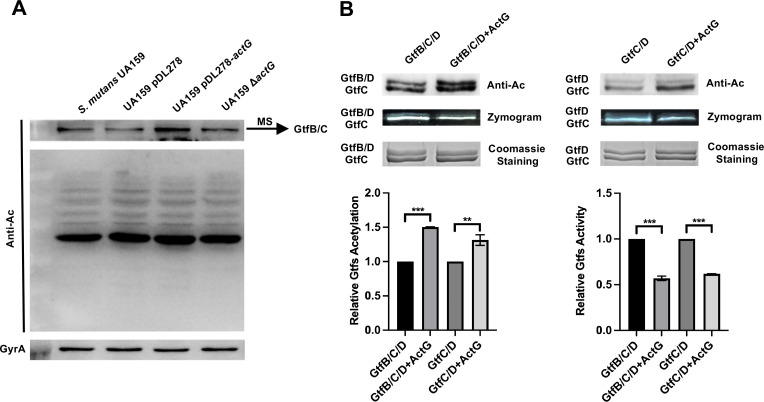
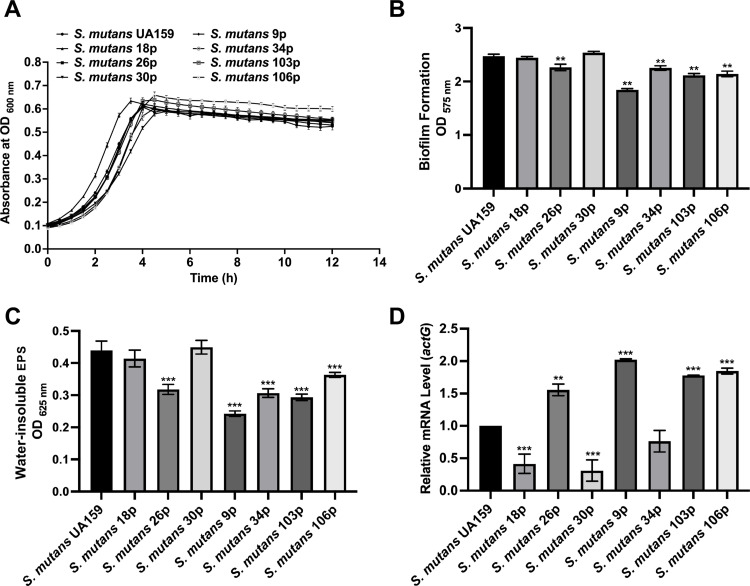
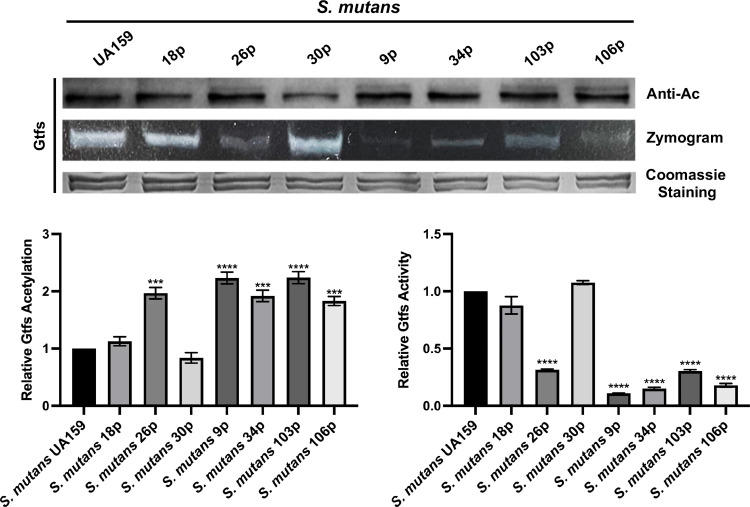
Lysine acetylation is a frequently occurring post-translational modification (PTM), emerging as an important metabolic regulatory mechanism in prokaryotes. This process is achieved enzymatically by the protein acetyltransferase (KAT) to specifically transfer the acetyl group, or non-enzymatically by direct intermediates (acetyl phosphate or acetyl-CoA). Although lysine acetylation modification of glucosyltransferases (Gtfs), the important virulence factor in Streptococcus mutans, was reported in our previous study, the KAT has not been identified. Here, we believe that the KAT ActG can acetylate Gtfs in the enzymatic mechanism. By overexpressing 15 KATs in S. mutans, the synthesized water-insoluble extracellular polysaccharides (EPS) and biofilm biomass were measured, and KAT (actG) was identified. The in-frame deletion mutant of actG was constructed to validate the function of actG. The results showed that actG could negatively regulate the water-insoluble EPS synthesis and biofilm formation. We used mass spectrometry (MS) to identify GtfB and GtfC as the possible substrates of ActG. This was also demonstrated by in vitro acetylation assays, indicating that ActG could increase the acetylation levels of GtfB and GtfC enzymatically and decrease their activities. We further found that the expression level of actG in part explained the virulence differences in clinically isolated strains. Moreover, overexpression of actG in S. mutans attenuated its cariogenicity in the rat caries model. Taken together, our study demonstrated that the KAT ActG could induce the acetylation of GtfB and GtfC enzymatically in S. mutans, providing insights into the function of lysine acetylation in bacterial virulence and pathogenicity.
赖氨酸乙酰化是一种常见的翻译后修饰(PTM),作为原核生物中重要的代谢调节机制而出现。该过程通过蛋白乙酰转移酶(KAT)酶促特异性地转移乙酰基,或通过直接中间产物(乙酰磷酸或乙酰辅酶 A)非酶促地进行。虽然我们之前的研究报道了变形链球菌中重要毒力因子葡糖基转移酶(Gtfs)的赖氨酸乙酰化修饰,但 KAT 尚未被鉴定。在这里,我们认为 KAT ActG 可以通过酶促机制乙酰化 Gtfs。通过在变形链球菌中过表达 15 种 KAT,测量合成的不溶性细胞外多糖(EPS)和生物膜生物量,并鉴定 KAT(actG)。构建了 actG 的框内缺失突变体以验证 actG 的功能。结果表明,actG 可以负调控不溶性 EPS 的合成和生物膜的形成。我们使用质谱(MS)鉴定 GtfB 和 GtfC 为 ActG 的可能底物。体外乙酰化实验也证明了这一点,表明 ActG 可以酶促增加 GtfB 和 GtfC 的乙酰化水平并降低其活性。我们进一步发现,actG 的表达水平在一定程度上解释了临床分离株毒力的差异。此外,在变形链球菌中过表达 actG 可降低其在大鼠龋病模型中的致龋性。综上所述,我们的研究表明 KAT ActG 可以在变形链球菌中酶促诱导 GtfB 和 GtfC 的乙酰化,为赖氨酸乙酰化在细菌毒力和致病性中的功能提供了新的见解。