Biotechnology and Planetary Protection Group, Jet Propulsion Laboratory, California Institute of Technology, Pasadena, USA.
Marine Biology Research Division, Scripps Institute of Oceanography, University of California San Diego, La Jolla, CA, USA.
Microbiome. 2021 Dec 4;9(1):238. doi: 10.1186/s40168-021-01159-x.
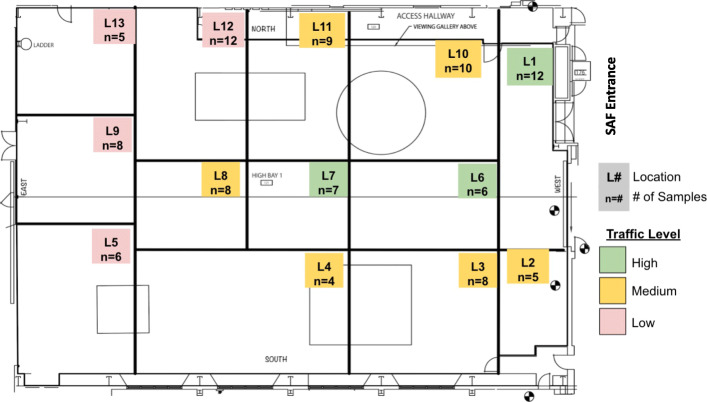
The Spacecraft Assembly Facility (SAF) at the NASA's Jet Propulsion Laboratory is the primary cleanroom facility used in the construction of some of the planetary protection (PP)-sensitive missions developed by NASA, including the Mars 2020 Perseverance Rover that launched in July 2020. SAF floor samples (n=98) were collected, over a 6-month period in 2016 prior to the construction of the Mars rover subsystems, to better understand the temporal and spatial distribution of bacterial populations (total, viable, cultivable, and spore) in this unique cleanroom.
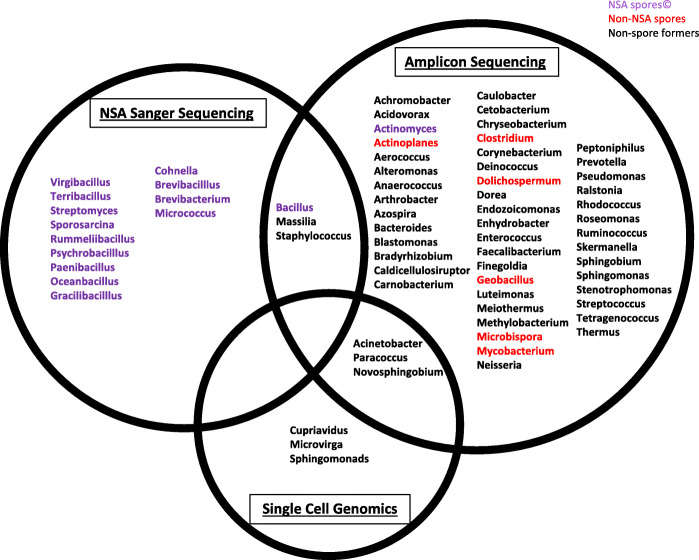
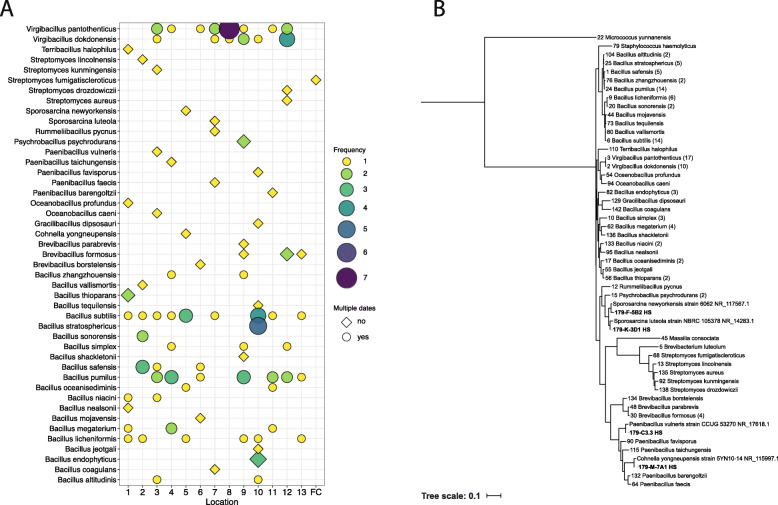
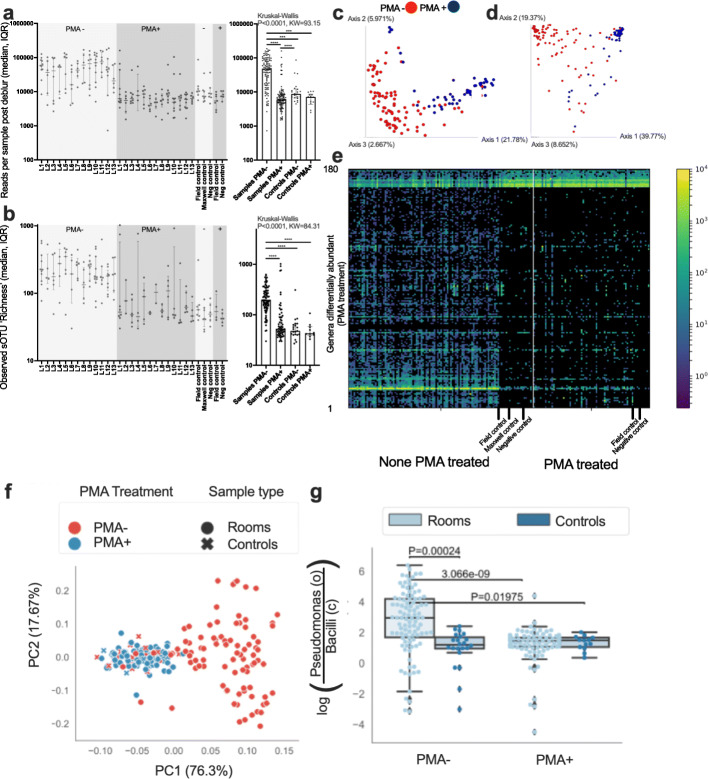
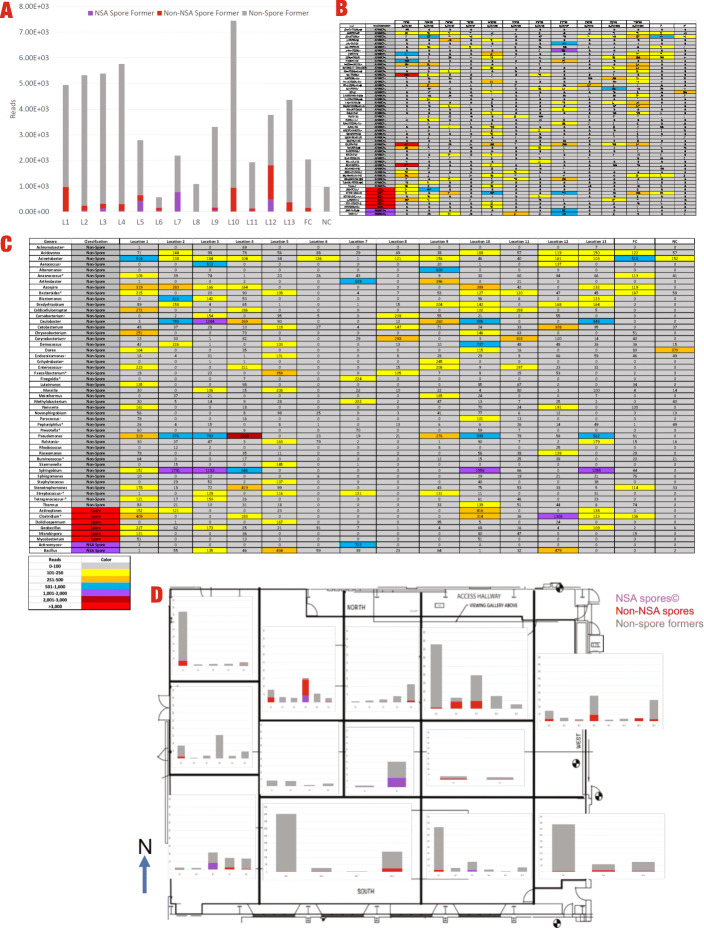
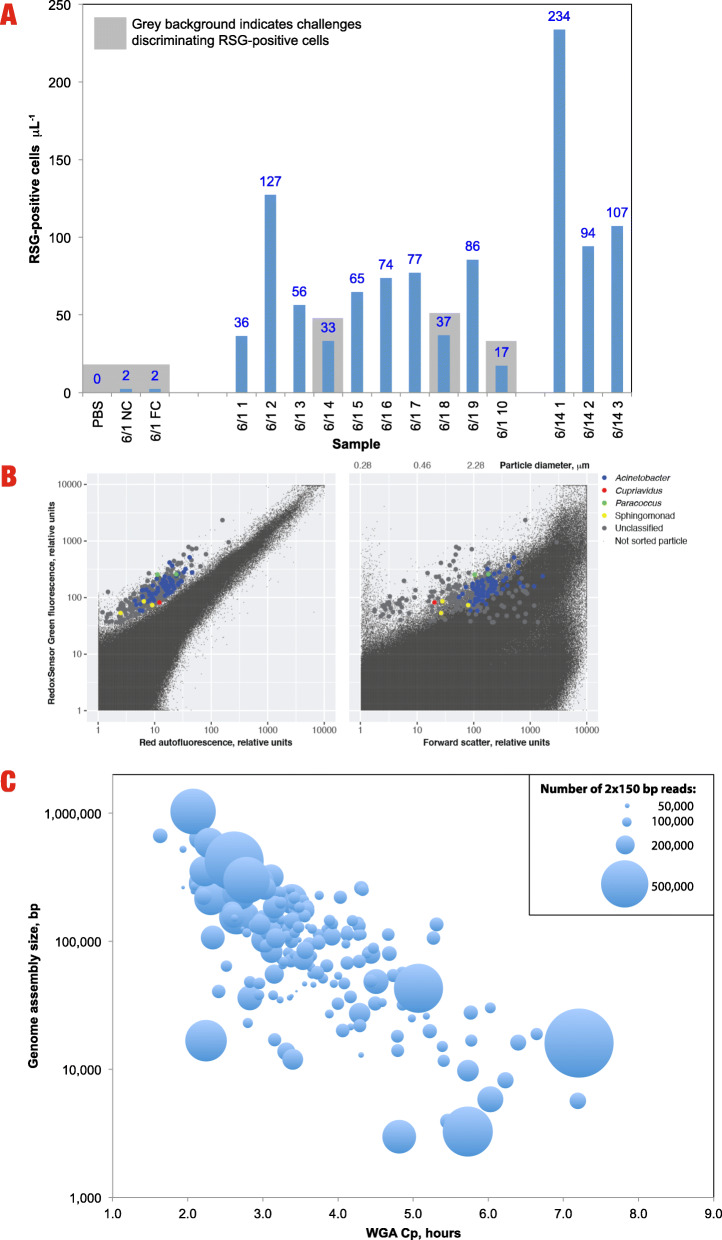
Cleanroom samples were examined for total (living and dead) and viable (living only) microbial populations using molecular approaches and cultured isolates employing the traditional NASA standard spore assay (NSA), which predominantly isolated spores. The 130 NSA isolates were represented by 16 bacterial genera, of which 97% were identified as spore-formers via Sanger sequencing. The most spatially abundant isolate was Bacillus subtilis, and the most temporally abundant spore-former was Virgibacillus panthothenticus. The 16S rRNA gene-targeted amplicon sequencing detected 51 additional genera not found in the NSA method. The amplicon sequencing of the samples treated with propidium monoazide (PMA), which would differentiate between viable and dead organisms, revealed a total of 54 genera: 46 viable non-spore forming genera and 8 viable spore forming genera in these samples. The microbial diversity generated by the amplicon sequencing corresponded to ~86% non-spore-formers and ~14% spore-formers. The most common spatially distributed genera were Sphinigobium, Geobacillus, and Bacillus whereas temporally distributed common genera were Acinetobacter, Geobacilllus, and Bacillus. Single-cell genomics detected 6 genera in the sample analyzed, with the most prominent being Acinetobacter.
This study clearly established that detecting spores via NSA does not provide a complete assessment for the cleanliness of spacecraft-associated environments since it failed to detect several PP-relevant genera that were only recovered via molecular methods. This highlights the importance of a methodological paradigm shift to appropriately monitor bioburden in cleanrooms for not only the aeronautical industry but also for pharmaceutical, medical industries, etc., and the need to employ molecular sequencing to complement traditional culture-based assays. Video abstract.
美国宇航局喷气推进实验室的航天器装配设施(SAF)是用于建造一些由美国宇航局开发的行星保护(PP)敏感任务的主要洁净室设施,包括 2020 年 7 月发射的火星 2020 毅力漫游者。在建造火星漫游者子系统之前,于 2016 年的 6 个月期间收集了 SAF 地板样本(n=98),以更好地了解这个独特洁净室中细菌种群(总、存活、可培养和孢子)的时间和空间分布。
使用分子方法检查洁净室样本中的总(存活和死亡)和活菌(仅存活)微生物种群,并使用传统的美国宇航局标准孢子测定法(NSA)培养分离物,该方法主要分离孢子。130 个 NSA 分离物代表 16 个细菌属,其中 97%通过 Sanger 测序鉴定为孢子形成菌。空间上最丰富的分离物是枯草芽孢杆菌,时间上最丰富的孢子形成菌是泛菌属。16S rRNA 基因靶向扩增子测序检测到 NSA 方法未发现的 51 个其他属。对用吖啶单脒(PMA)处理的样品进行的扩增子测序,可区分活的和死的生物体,共发现 54 个属:这些样品中 46 个为有活力的非孢子形成属和 8 个有活力的孢子形成属。扩增子测序产生的微生物多样性对应于约 86%的非孢子形成菌和约 14%的孢子形成菌。空间分布最常见的属是鞘氨醇单胞菌、地杆菌和芽孢杆菌,而时间分布最常见的属是不动杆菌、地杆菌和芽孢杆菌。单细胞基因组学在分析的样本中检测到 6 个属,其中最突出的是不动杆菌属。
这项研究清楚地表明,通过 NSA 检测孢子并不能为航天器相关环境的清洁度提供全面评估,因为它未能检测到仅通过分子方法回收的几个与 PP 相关的属。这突出表明需要进行方法学范式转变,以便不仅对航空航天工业,而且对制药、医疗等行业的洁净室进行适当的生物负荷监测,并需要采用分子测序来补充传统的基于培养的检测方法。视频摘要。