Kong Haoran, Yu Wenhui, Chen Zhuning, Li Haonan, Ye Guiwen, Hong Jiacong, Xie Zhongyu, Chen Keng, Wu Yanfeng, Shen Huiyong
Department of Orthopedics, Sun Yat-Sen Memorial Hospital, Sun Yat-Sen University, Guangzhou, People's Republic of China.
Department of Orthopedics, The Eighth Affiliated Hospital, Sun Yat-Sen University, No. 3025, Shennan Middle Road, Futian District, Shenzhen, Guangdong, 518033, People's Republic of China.
Cancer Cell Int. 2021 Dec 4;21(1):648. doi: 10.1186/s12935-021-02320-0.
Osteosarcoma (OS) patients with lung metastasis have poor prognoses, and effective therapeutic strategies for delaying or inhibiting the spread of lung metastasis from the primary OS site are lacking. Hence, it is critical to elucidate the underlying mechanisms of OS metastasis and to identify additional new effective treatment strategies for patients.
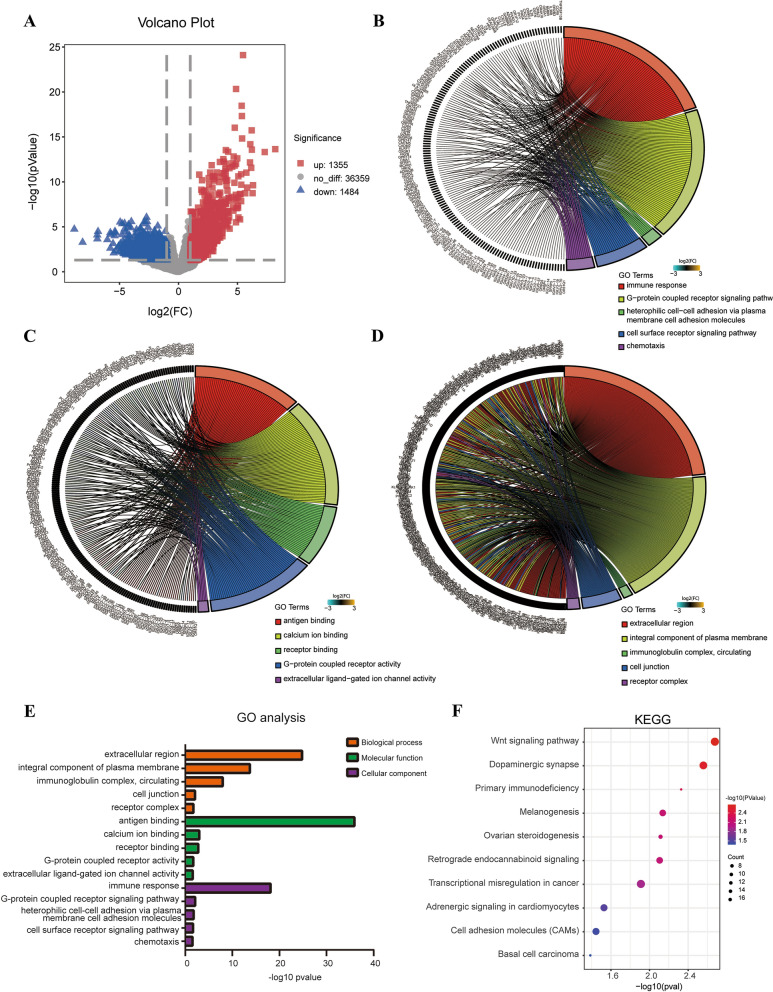
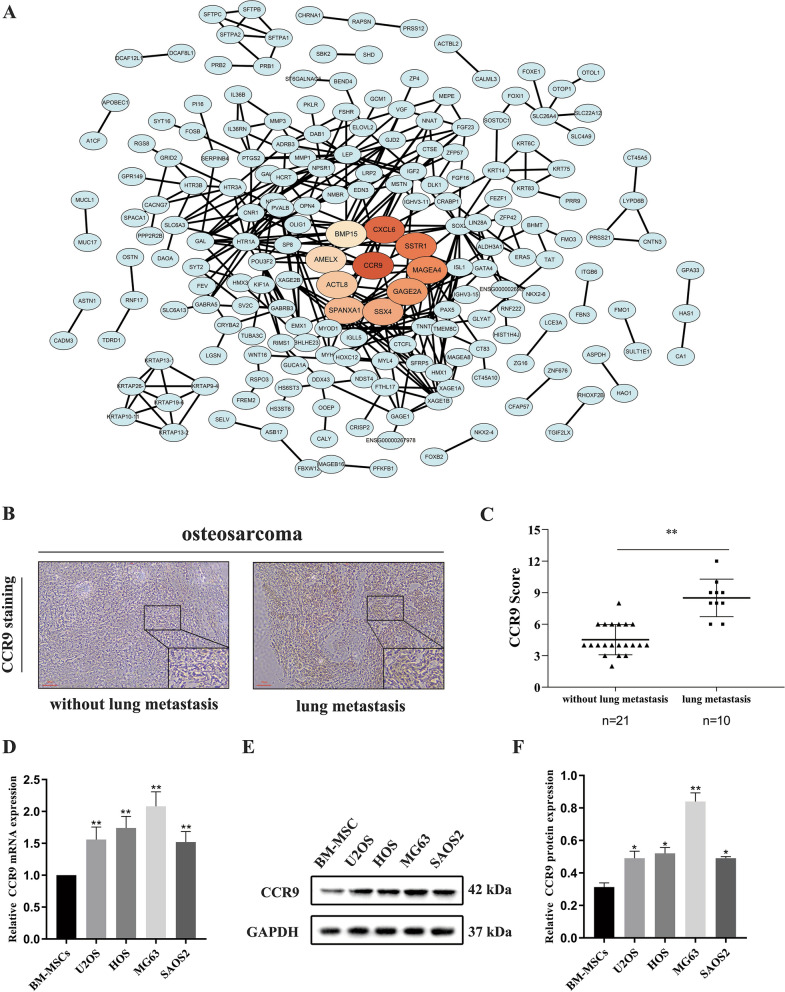
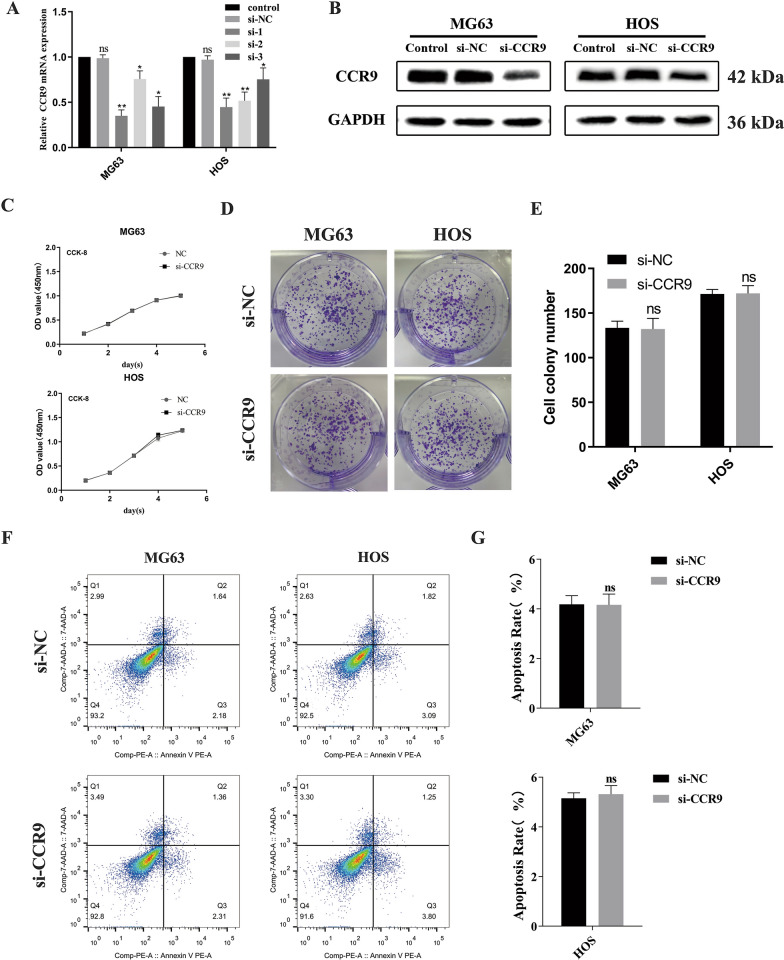
Differential expression and functional analyses were performed to identify key genes and relevant signaling pathways associated with OS lung metastasis. The expression of CCR9 in OS cell lines and tissues was measured by RT-qPCR, western blotting and immunohistochemistry. Cell migration and invasion were assessed by wound healing and Transwell Matrigel invasion assays, respectively. The regulatory relationship between CCR9 and the Wnt/β-catenin signaling pathway was further evaluated by rescue experiments.
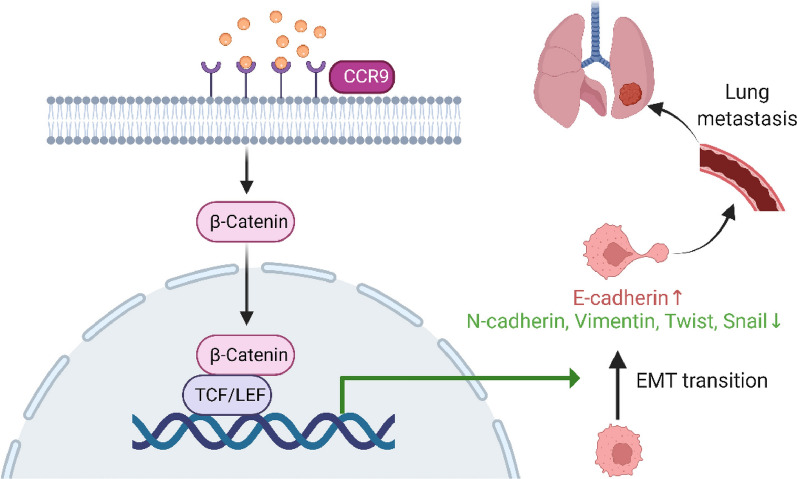
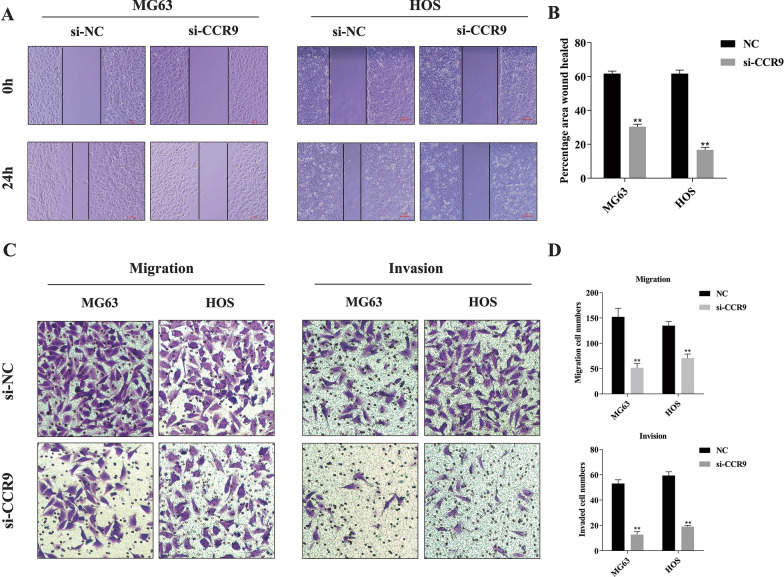
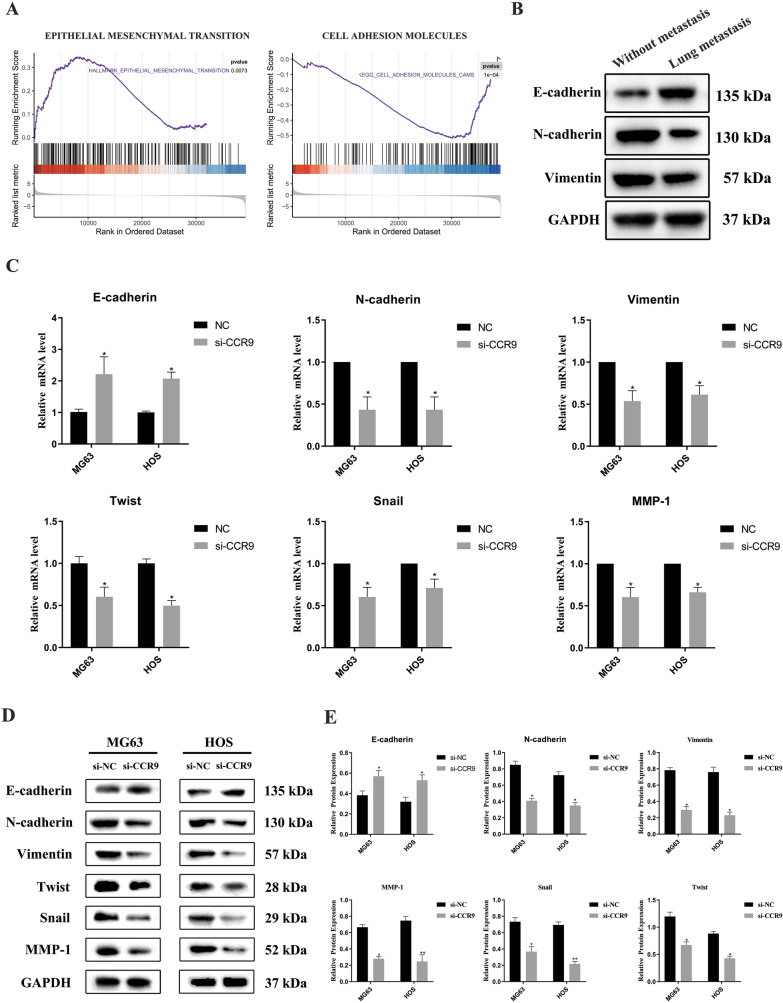
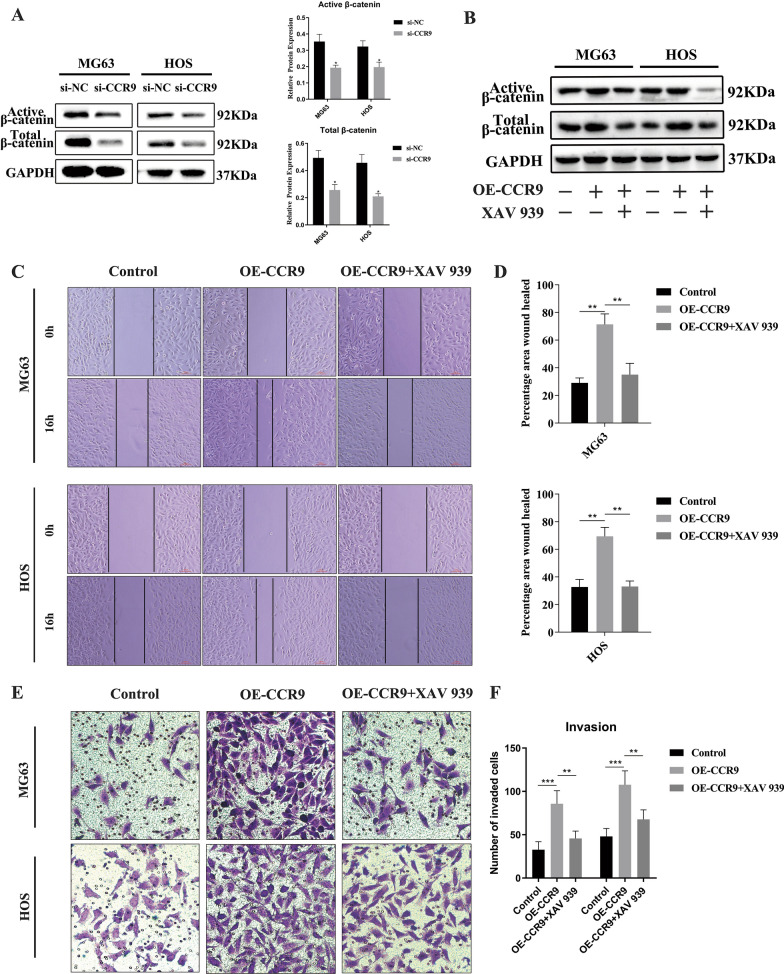
The expression of CCR9 was elevated in OS cell lines and patients with lung metastasis. CCR9 promoted MG63 and HOS cell migration and invasion by activating the Wnt/β-catenin signaling pathway. Furthermore, knockdown of CCR9 repressed epithelial-mesenchymal transition (EMT) by downregulating mesenchymal markers (N-cadherin and Vimentin) and EMT-associated transcription factors (twist and snail) and upregulating an epithelial marker (E-cadherin).
Our findings suggest that CCR9 promotes EMT by activating Wnt/β-catenin pathways to promote OS metastasis. CCR9 may be a promising therapeutic target to inhibit lung metastasis and serve as a novel prognostic marker for OS.
骨肉瘤(OS)肺转移患者预后较差,目前缺乏有效延缓或抑制肺转移从原发性OS部位扩散的治疗策略。因此,阐明OS转移的潜在机制并为患者确定其他新的有效治疗策略至关重要。
进行差异表达和功能分析,以鉴定与OS肺转移相关的关键基因和相关信号通路。通过RT-qPCR、蛋白质免疫印迹和免疫组织化学检测OS细胞系和组织中CCR9的表达。分别通过伤口愈合实验和Transwell基质胶侵袭实验评估细胞迁移和侵袭能力。通过拯救实验进一步评估CCR9与Wnt/β-连环蛋白信号通路之间的调控关系。
CCR9在OS细胞系和肺转移患者中表达升高。CCR9通过激活Wnt/β-连环蛋白信号通路促进MG63和HOS细胞迁移和侵袭。此外,敲低CCR9可通过下调间充质标志物(N-钙黏蛋白和波形蛋白)和EMT相关转录因子(twist和snail)并上调上皮标志物(E-钙黏蛋白)来抑制上皮-间质转化(EMT)。
我们的研究结果表明,CCR9通过激活Wnt/β-连环蛋白通路促进EMT,从而促进OS转移。CCR9可能是抑制肺转移的有前景的治疗靶点,并可作为OS的新型预后标志物。