Strachan Elin L, Mac White-Begg Delphi, Crean John, Reynolds Alison L, Kennedy Breandán N, O'Sullivan Niamh C
UCD Conway Institute, University College Dublin, Dublin, Ireland.
UCD School of Biomolecular and Biomedical Science, University College Dublin, Dublin, Ireland.
Front Neurosci. 2021 Nov 15;15:784987. doi: 10.3389/fnins.2021.784987. eCollection 2021.
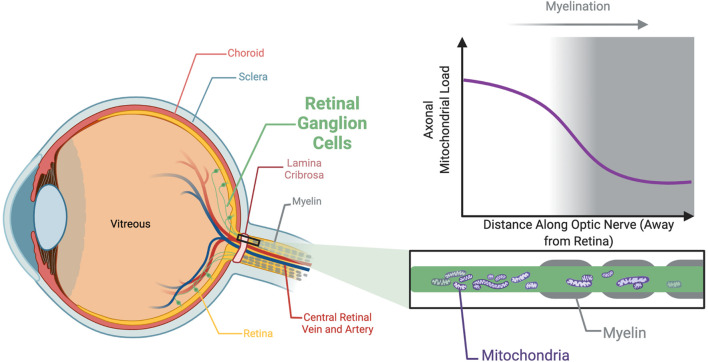
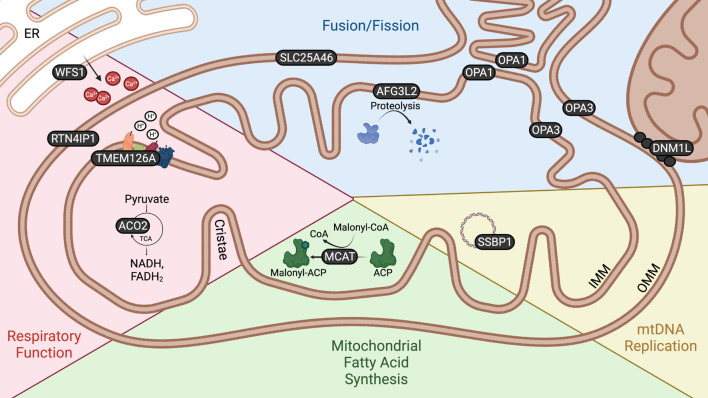
Optic atrophy (OA) with autosomal inheritance is a form of optic neuropathy characterized by the progressive and irreversible loss of vision. In some cases, this is accompanied by additional, typically neurological, extra-ocular symptoms. Underlying the loss of vision is the specific degeneration of the retinal ganglion cells (RGCs) which form the optic nerve. Whilst autosomal OA is genetically heterogenous, all currently identified causative genes appear to be associated with mitochondrial organization and function. However, it is unclear why RGCs are particularly vulnerable to mitochondrial aberration. Despite the relatively high prevalence of this disorder, there are currently no approved treatments. Combined with the lack of knowledge concerning the mechanisms through which aberrant mitochondrial function leads to RGC death, there remains a clear need for further research to identify the underlying mechanisms and develop treatments for this condition. This review summarizes the genes known to be causative of autosomal OA and the mitochondrial dysfunction caused by pathogenic mutations. Furthermore, we discuss the suitability of available models for autosomal OA with regards to both treatment development and furthering the understanding of autosomal OA pathology.
常染色体遗传性视神经萎缩(OA)是一种视神经病变,其特征为视力进行性不可逆丧失。在某些情况下,还伴有其他典型的神经及眼外症状。视力丧失的根本原因是构成视神经的视网膜神经节细胞(RGCs)发生特异性退化。虽然常染色体OA在遗传上具有异质性,但目前所有已确定的致病基因似乎都与线粒体的组织和功能有关。然而,尚不清楚为什么RGCs特别容易受到线粒体异常的影响。尽管这种疾病的患病率相对较高,但目前尚无获批的治疗方法。由于缺乏关于线粒体功能异常导致RGC死亡机制的了解,显然仍需要进一步研究以确定其潜在机制并开发针对这种疾病的治疗方法。本综述总结了已知导致常染色体OA的基因以及致病突变引起的线粒体功能障碍。此外,我们还讨论了现有常染色体OA模型在治疗开发和深入了解常染色体OA病理学方面的适用性。