Balkrishna Acharya, Tomer Meenu, Manik Moumita, Srivastava Jyotish, Dev Rishabh, Haldar Swati, Varshney Anurag
Drug Discovery and Development Division, Patanjali Research Institute, Governed By Patanjali Research Foundation Trust, Haridwar, India.
Department of Allied and Applied Sciences, University of Patanjali, Haridwar, India.
Front Pharmacol. 2021 Nov 12;12:751576. doi: 10.3389/fphar.2021.751576. eCollection 2021.
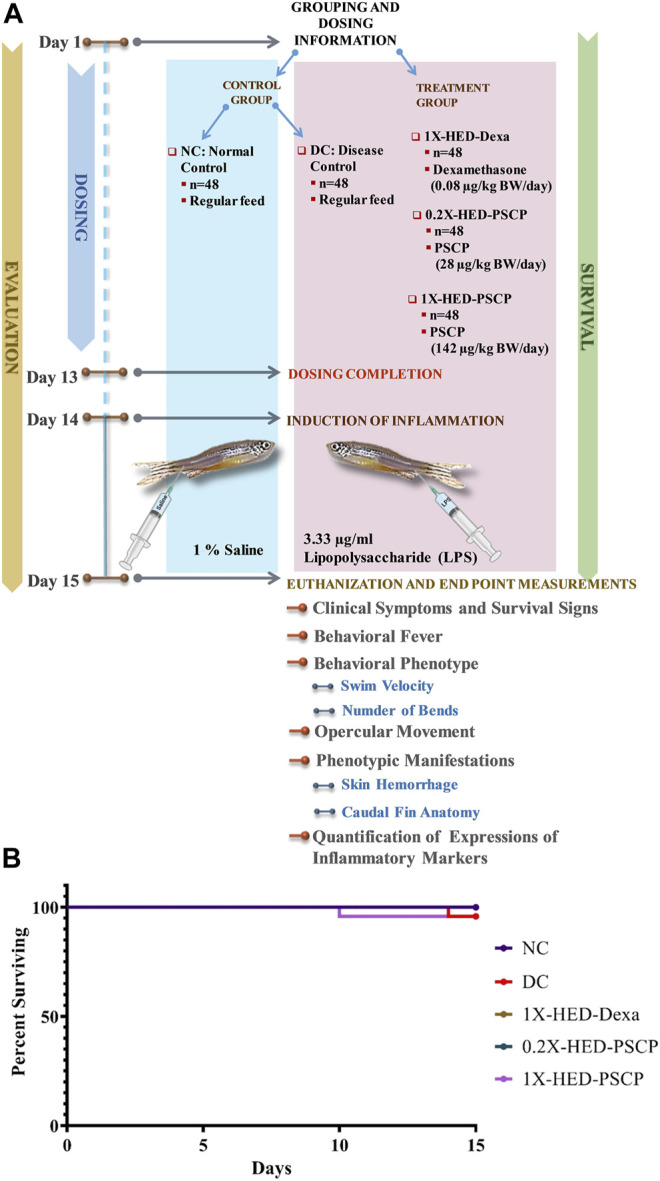
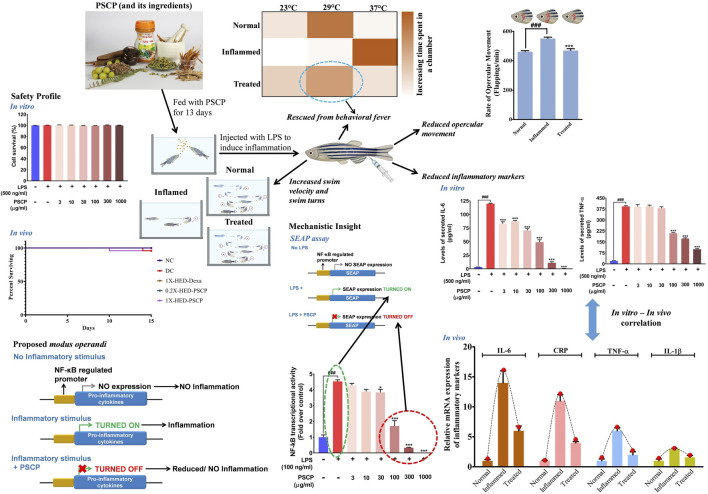
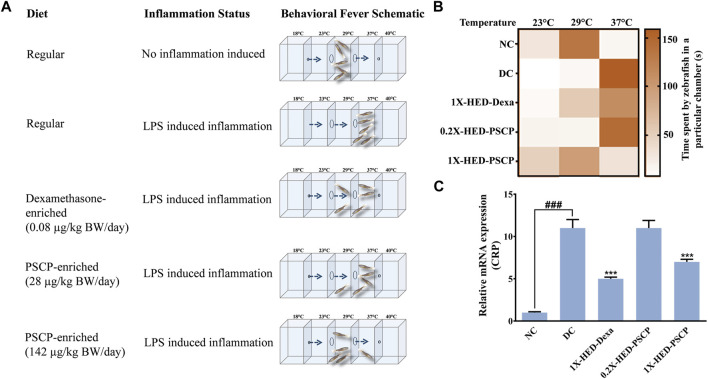
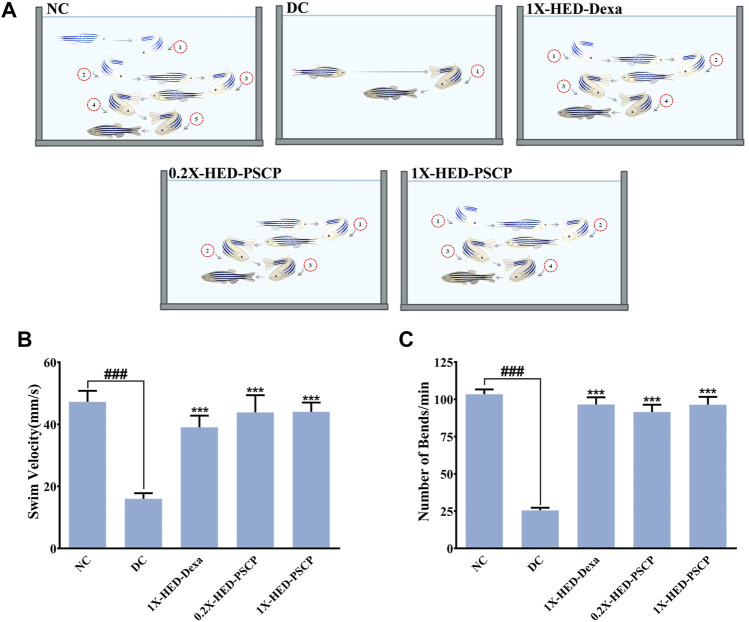
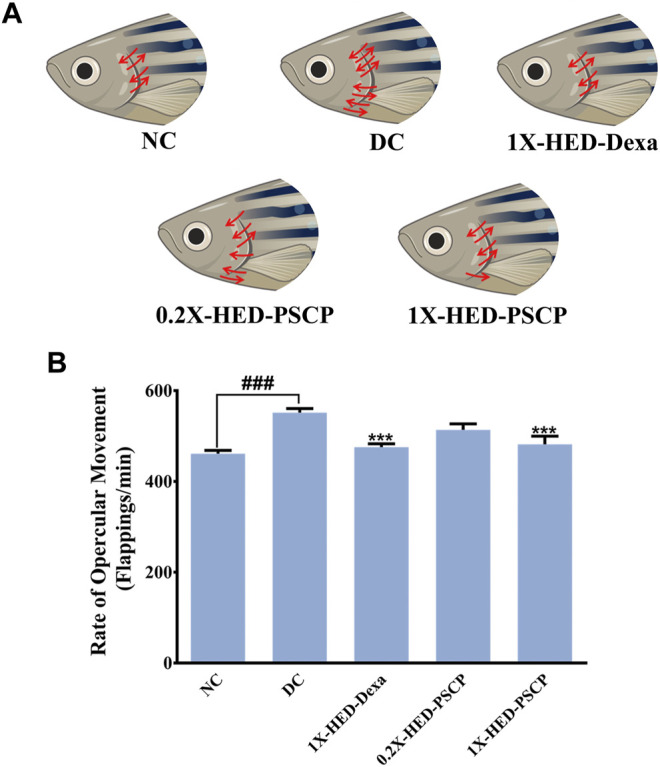
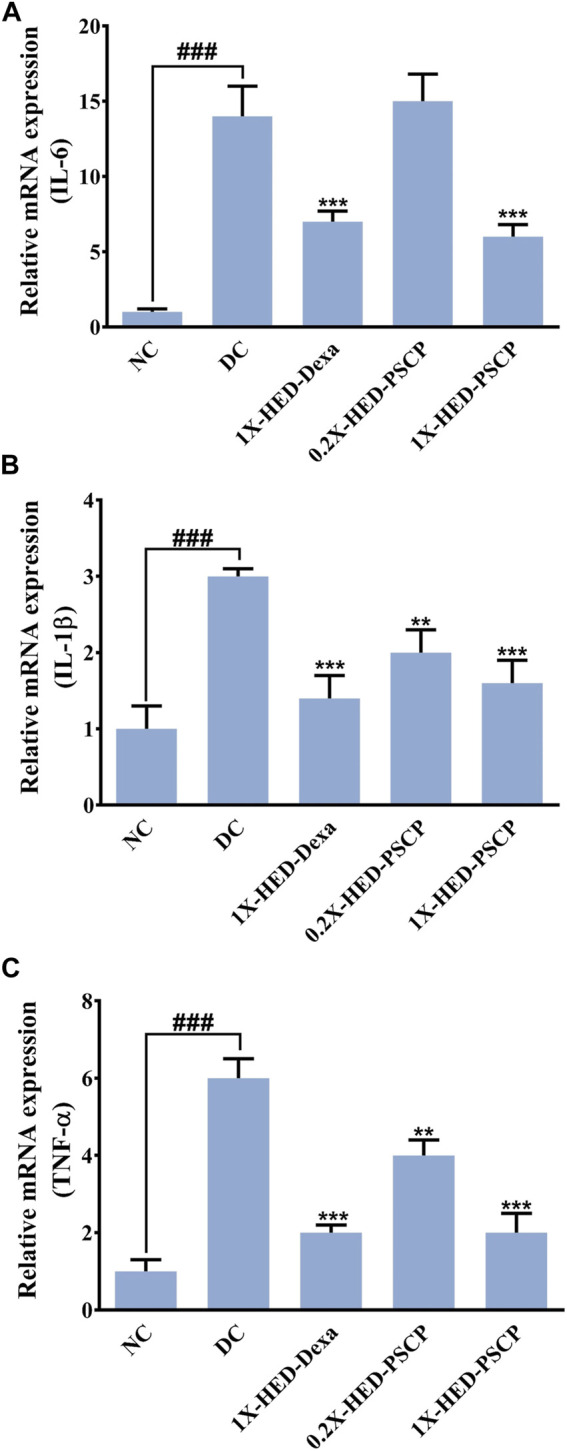
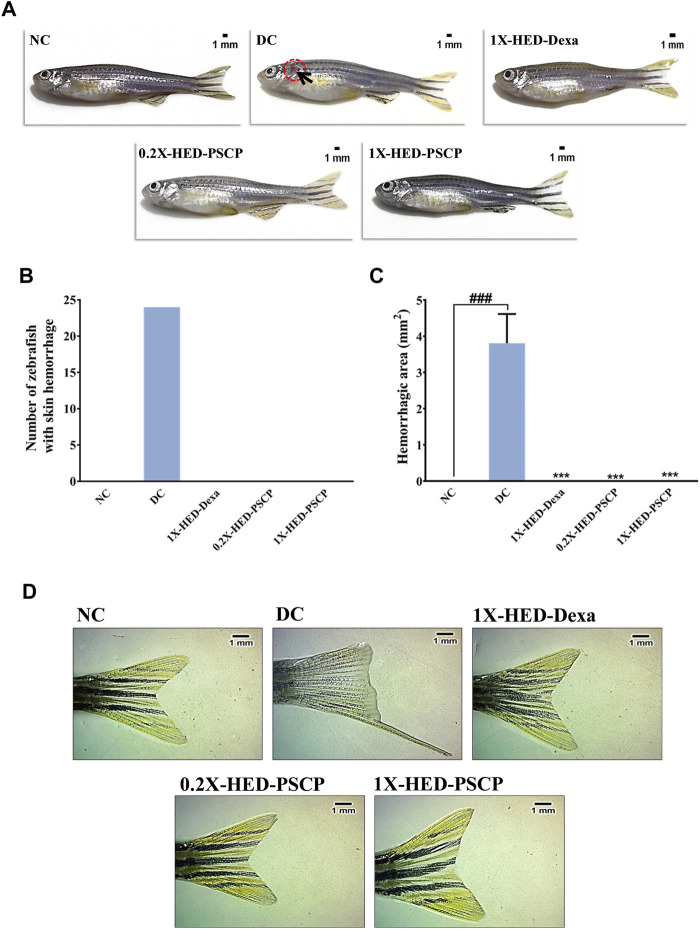
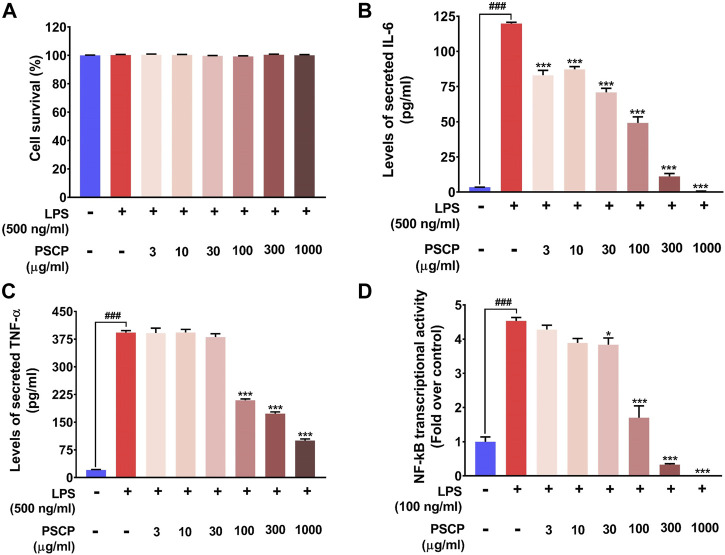
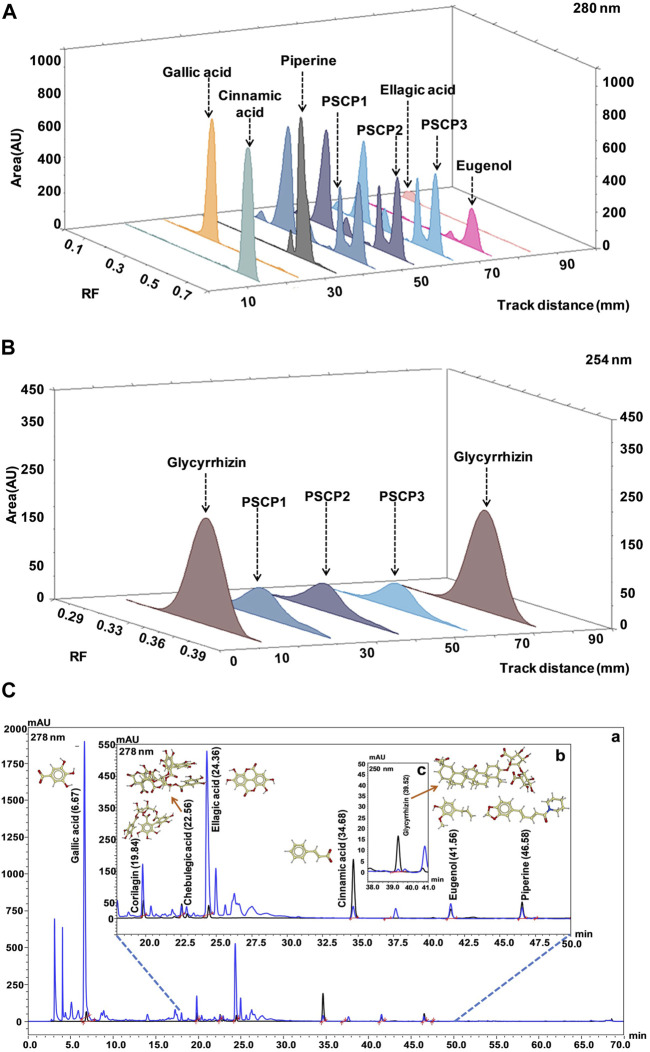
The time-tested Ayurvedic medicinal food, Chyawanprash, has been a part of the Indian diet since ancient times. It is an extremely concentrated mixture of extracts from medicinal herbs and processed minerals, known for its immunity boosting, rejuvenating, and anti-oxidative effects. In this study, we have evaluated the anti-inflammatory potential of Patanjali Special Chyawanprash (PSCP) using the zebrafish model of inflammation. Zebrafish were fed on PSCP-infused pellets at stipulated doses for 13 days before inducing inflammation through lipopolysaccharide (LPS) injection. The test subjects were monitored for inflammatory pathologies like behavioral fever, hyperventilation, skin hemorrhage, locomotory agility, and morphological anomaly. PSCP exerted a strong prophylactic effect on the zebrafish that efficiently protected them from inflammatory manifestations at a human equivalent dose. Expression levels of pro-inflammatory cytokines, like interleukin-6 (IL-6), tumor necrosis factor alpha (TNF-α), and interleukin-1 beta (IL-1β), were also reduced in the LPS-stimulated zebrafish fed on PSCP-infused pellets. Skin hemorrhage, hyperventilation, and loss of caudal fins are characteristics of LPS-induced inflammation in zebrafish. PSCP prophylactically ameliorated skin hemorrhage, restored normal respiration, and prevented loss of caudal fin in inflamed zebrafish. Under conditions, PSCP reduced IL-6 and TNF-α secretion by THP-1 macrophages in a dose-dependent manner by targeting NF-κB signaling, as evident from the secreted embryonic alkaline phosphatase (SEAP) reporter assay. These medicinal benefits of PSCP can be attributed to its constitutional bioactive components. Taken together, these observations provide validation of the anti-inflammatory property and insight into the mode-of-action of Chyawanprash, a traditionally described medicinal food.
经受过时间考验的阿育吠陀药用食品恰瓦南普拉什(Chyawanprash)自古以来就是印度饮食的一部分。它是一种由草药提取物和经过加工的矿物质制成的高度浓缩混合物,以其增强免疫力、使人恢复活力和抗氧化作用而闻名。在本研究中,我们使用斑马鱼炎症模型评估了帕坦伽利特制恰瓦南普拉什(PSCP)的抗炎潜力。在通过注射脂多糖(LPS)诱导炎症之前,以规定剂量用含PSCP的颗粒饲料喂养斑马鱼13天。对受试对象监测炎症病理情况,如行为性发热、呼吸急促、皮肤出血、运动敏捷性和形态异常。PSCP对斑马鱼具有强大的预防作用,在相当于人类的剂量下能有效保护它们免受炎症表现的影响。在以含PSCP的颗粒饲料喂养的LPS刺激的斑马鱼中,促炎细胞因子如白细胞介素-6(IL-6)、肿瘤坏死因子-α(TNF-α)和白细胞介素-1β(IL-1β)的表达水平也有所降低。皮肤出血、呼吸急促和尾鳍缺失是斑马鱼LPS诱导炎症的特征。PSCP预防性地改善了皮肤出血,恢复了正常呼吸,并防止了发炎斑马鱼尾鳍的缺失。在特定条件下,PSCP通过靶向NF-κB信号通路以剂量依赖的方式降低了THP-1巨噬细胞分泌的IL-6和TNF-α,这从分泌型胚胎碱性磷酸酶(SEAP)报告基因检测中可以明显看出。PSCP的这些药用益处可归因于其构成性生物活性成分。综上所述,这些观察结果验证了恰瓦南普拉什这种传统描述的药用食品的抗炎特性,并深入了解了其作用方式。