The International Patient Organisation for Primary Immunodeficiencies, Downderry, United Kingdom.
Pediatric Immunology-Hematology and Rheumatology Unit, Necker Children's University Hospital, Assistance Publique-Hôpitaux de Paris (AP-HP), Paris, France.
Front Immunol. 2021 Nov 18;12:780140. doi: 10.3389/fimmu.2021.780140. eCollection 2021.
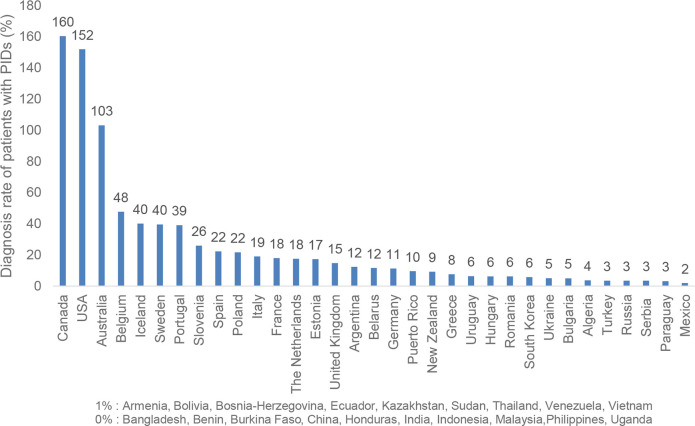
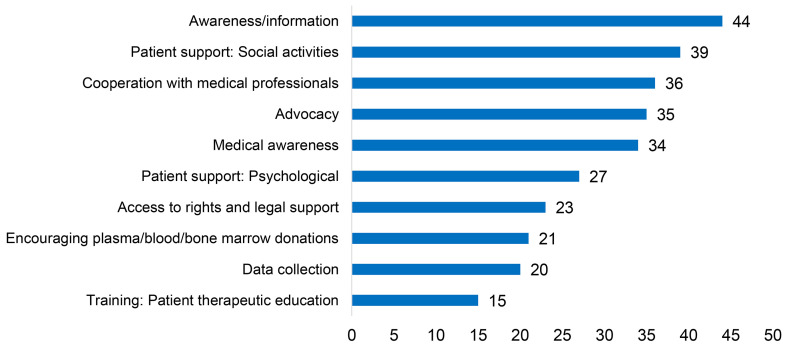
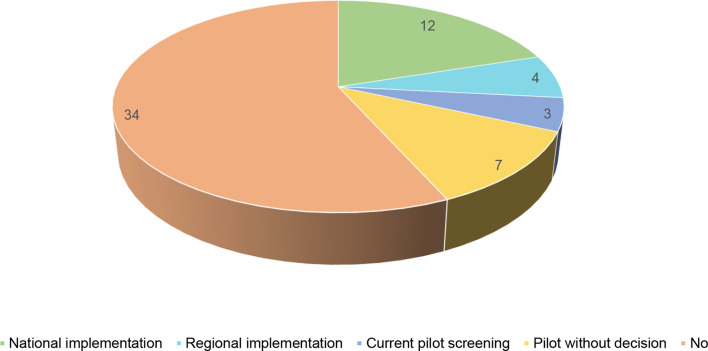
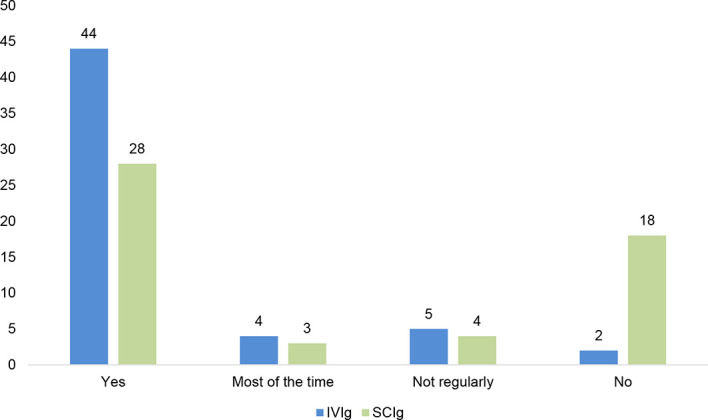
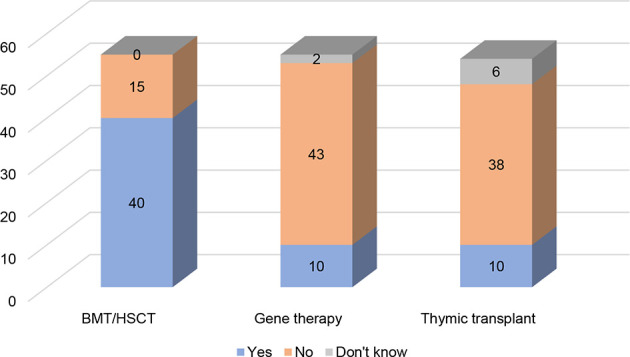
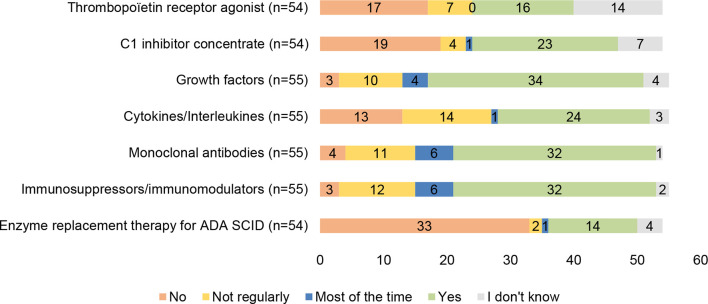
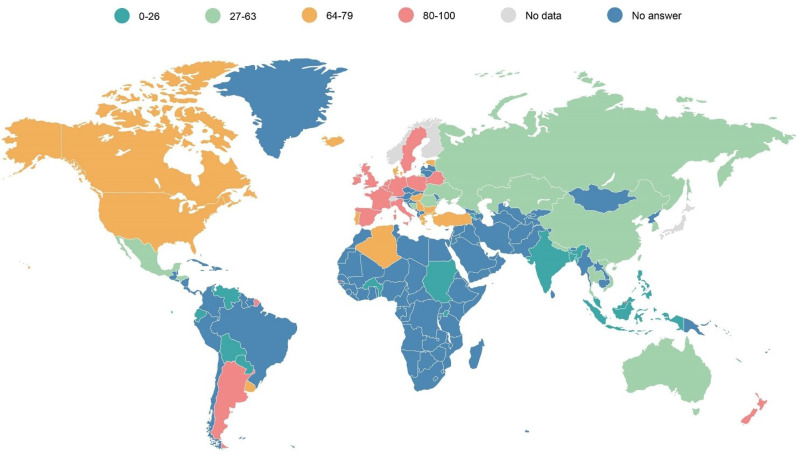
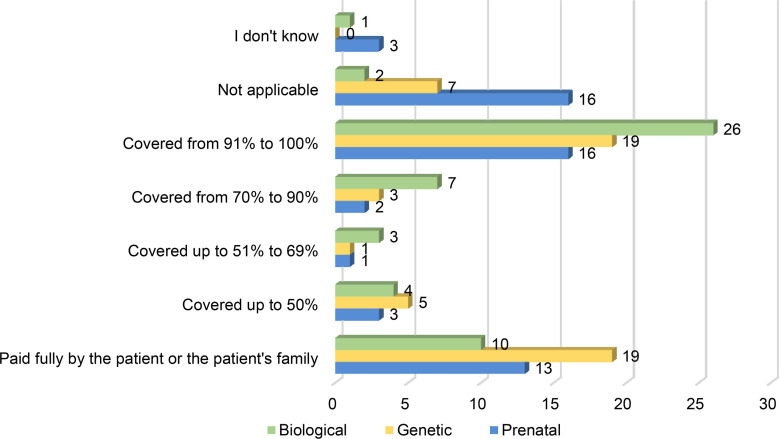
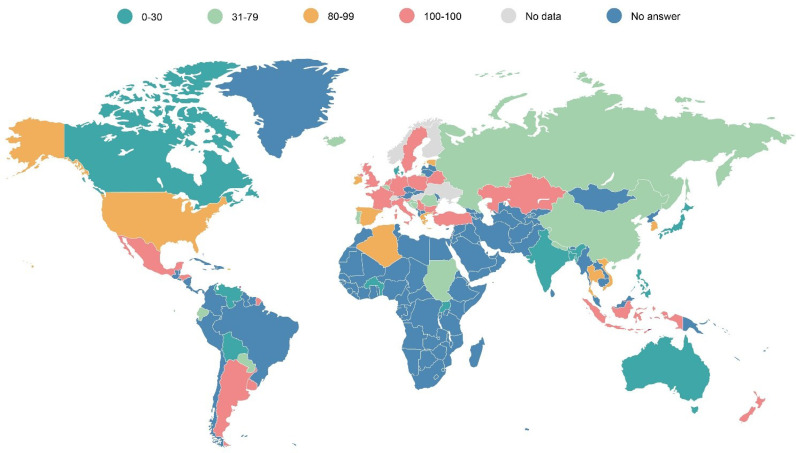
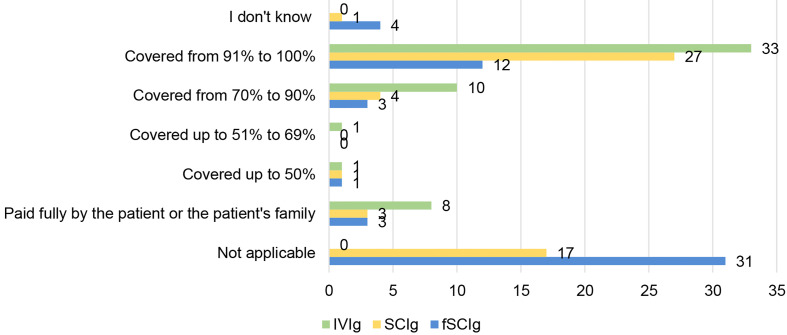
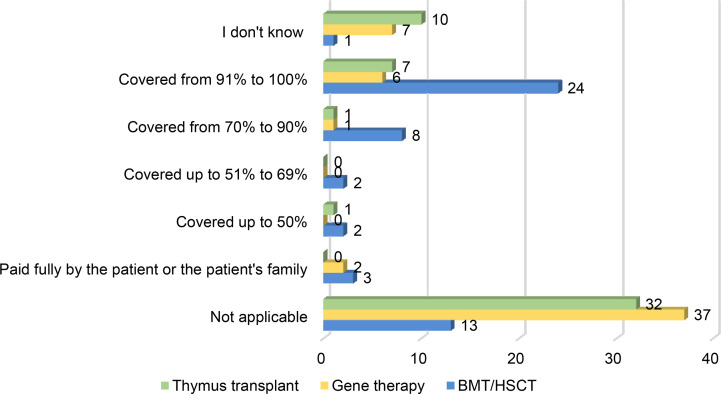
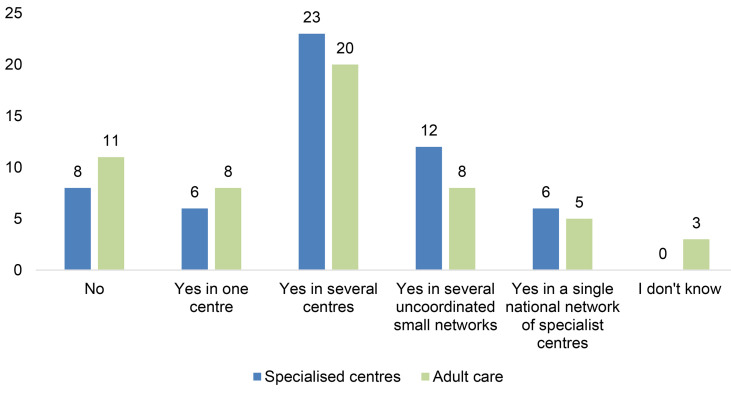
A global gold standard framework for primary immunodeficiency (PID) care, structured around six principles, was published in 2014. To measure the implementation status of these principles IPOPI developed the PID Life Index in 2020, an interactive tool aggregating national PID data. This development was combined with a revision of the principles to consider advances in the field of health and science as well as political developments since 2014. The revision resulted in the following six principles: PID diagnosis, treatments, universal health coverage, specialised centres, national patient organisations and registries for PIDs. A questionnaire corresponding to these principles was sent out to IPOPI's national member organisations and to countries in which IPOPI had medical contacts, and data was gathered from 60 countries. The data demonstrates that, regardless of global scientific progress on PIDs with a growing number of diagnostic tools and better treatment options becoming available, the accessibility and affordability of these remains uneven throughout the world. It is not only visible between regions, but also between countries within the same region. One of the most urgent needs is medical education. In countries without immunologists, patients with PID suffer the risk of remaining undiagnosed or misdiagnosed, resulting in health implications or even death. Many countries also lack the infrastructure needed to carry out more advanced diagnostic tests and perform treatments such as hematopoietic stem cell transplantation or gene therapy. The incapacity to secure appropriate diagnosis and treatments affects the PID environment negatively in these countries. Availability and affordability also remain key issues, as diagnosis and treatments require coverage/reimbursement to ensure that patients with PID can access them in practice, not only in theory. This is still not the case in many countries of the world according to the PID Life Index. Although some countries do perform better than others, to date no country has fully implemented the PID principles of care, confirming the long way ahead to ensure an optimal environment for patients with PID in every country.
一个围绕六个原则构建的原发性免疫缺陷(PID)护理全球黄金标准框架于 2014 年发布。为了衡量这些原则的实施情况,IPOPI 在 2020 年开发了 PID 生活指数,这是一个聚合国家 PID 数据的互动工具。这一发展结合了对原则的修订,以考虑到自 2014 年以来该领域的健康和科学进步以及政治发展。修订后的原则如下:PID 诊断、治疗、全民健康覆盖、专门中心、国家患者组织和 PID 登记处。相应的问卷已发送给 IPOPI 的国家成员组织和 IPOPI 有医疗联系的国家,并从 60 个国家收集了数据。数据表明,尽管 PID 的全球科学取得了进步,诊断工具越来越多,治疗选择也越来越好,但这些工具在全球范围内的可及性和可负担性仍然不均衡。这不仅在区域之间可见,在同一区域内的国家之间也是如此。最紧迫的需求之一是医学教育。在没有免疫学家的国家,PID 患者面临着未被诊断或误诊的风险,这会对健康产生影响,甚至导致死亡。许多国家也缺乏开展更先进的诊断测试和进行造血干细胞移植或基因治疗等治疗所需的基础设施。这些国家无法确保适当的诊断和治疗,这对 PID 环境产生了负面影响。可用性和可负担性仍然是关键问题,因为诊断和治疗需要覆盖/报销,以确保 PID 患者能够在实践中获得治疗,而不仅仅是在理论上。根据 PID 生活指数,世界上许多国家仍未达到这一标准。尽管一些国家的表现优于其他国家,但迄今为止,没有一个国家完全实施了 PID 护理原则,这证实了要确保每个国家的 PID 患者都能有一个最佳的环境,还有很长的路要走。