Institute of Medical Biology, Chinese Academy of Medical Science and Peking Union Medical College, Kunming, China.
Yunnan Key Laboratory of Children's Major Disease Research, Yunnan Medical Research Center for Pediatric Diseases, Kunming Children's Hospital, Kunming, China.
Front Immunol. 2021 Nov 18;12:785457. doi: 10.3389/fimmu.2021.785457. eCollection 2021.
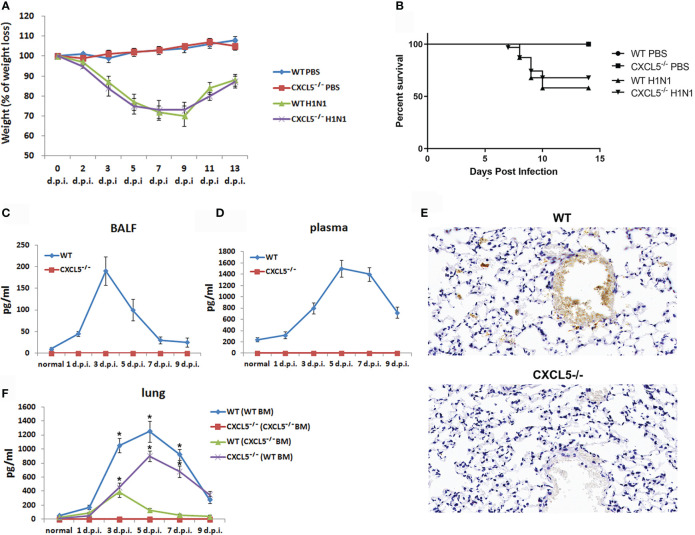
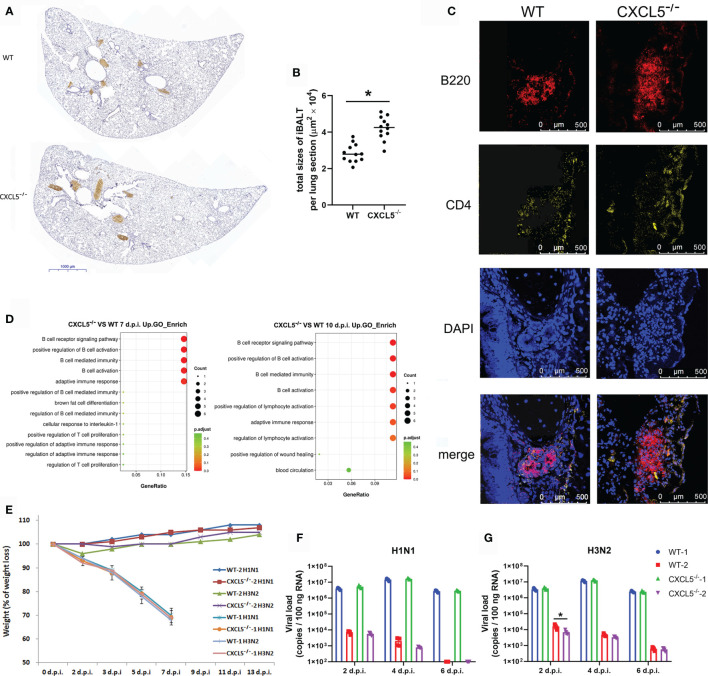
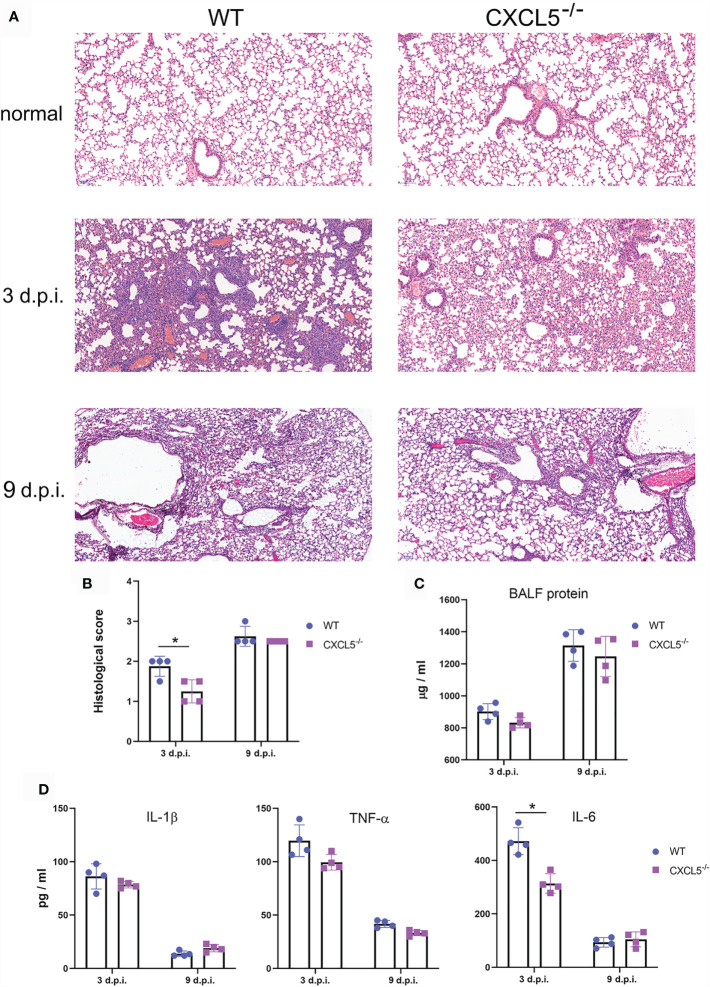
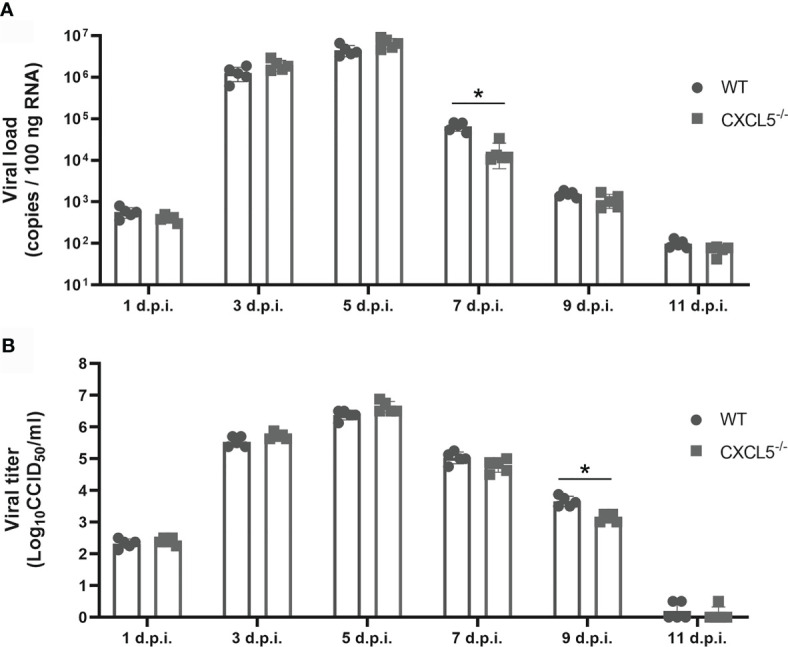
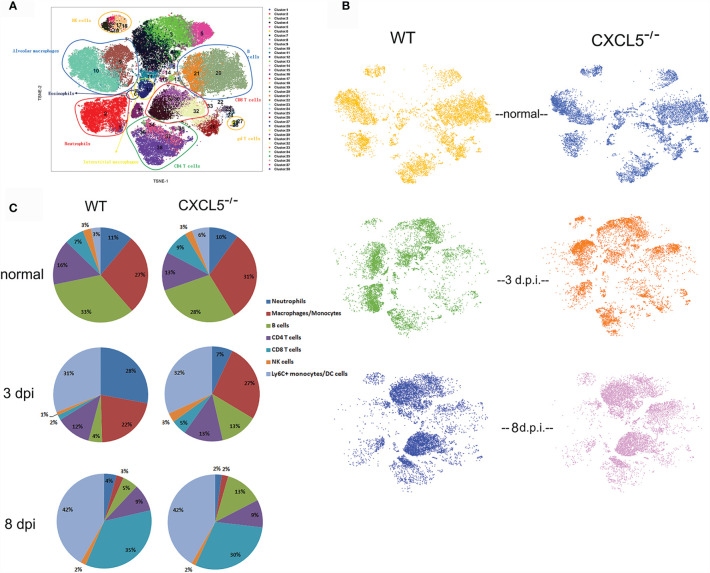
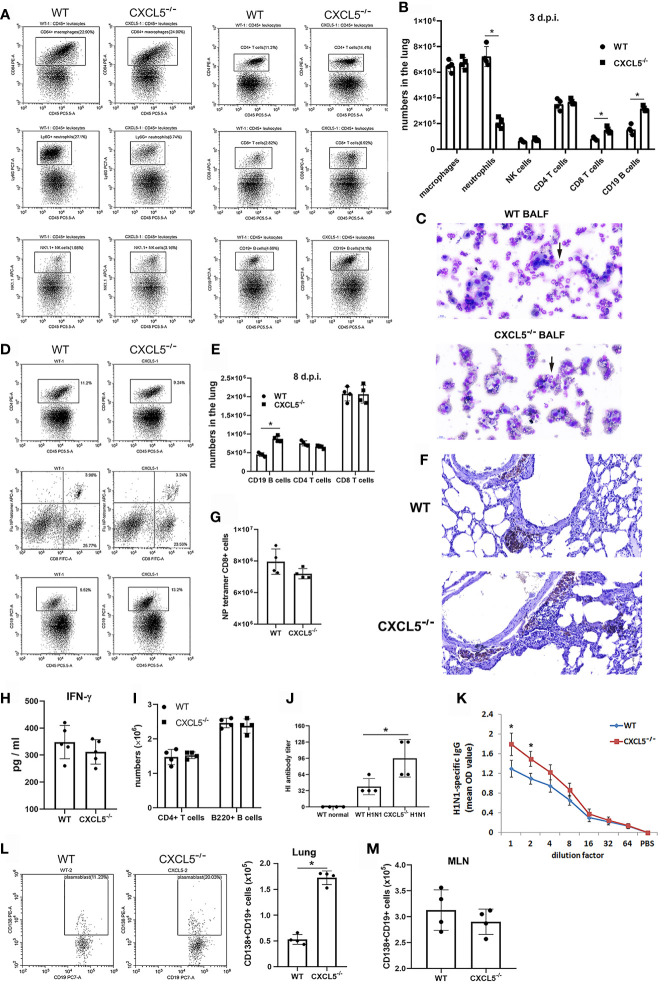
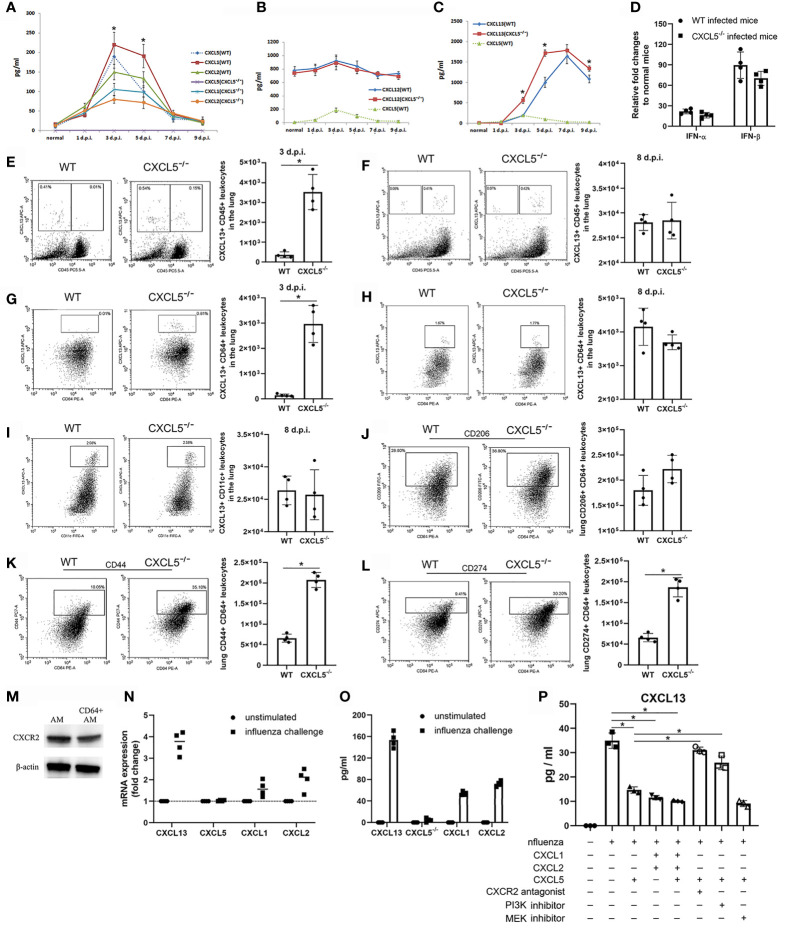
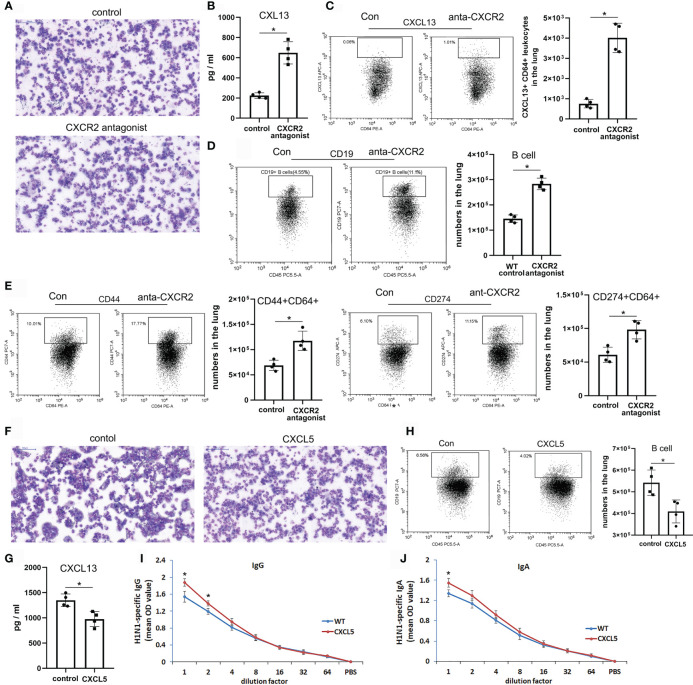
Respirovirus such as influenza virus infection induces pulmonary anti-viral immune response, orchestration of innate and adaptive immunity restrain viral infection, otherwise causes severe diseases such as pneumonia. Chemokines regulate leukocyte recruitment to the inflammation site. One chemokine CXCL5, plays a scavenging role to regulate pulmonary host defense against bacterial infection, but its role in pulmonary influenza virus infection is underdetermined. Here, using an influenza (H1N1) infected CXCL5 mouse model, we found that CXCL5 not only responds to neutrophil infiltration into infected lungs at the innate immunity stage, but also affects B lymphocyte accumulation in the lungs by regulating the expression of the B cell chemokine CXCL13. Inhibition of CXCL5-CXCR2 axis markedly induces CXCL13 expression in CD64CD44CD274 macrophages/monocytes in infected lungs, and administration of CXCL5 to CD64 alveolar macrophages suppresses CXCL13 expression the CXCL5-CXCR2 axis upon influenza challenge. CXCL5 deficiency leads to increased B lymphocyte accumulation in infected lungs, contributing to an enhanced B cell immune response and facilitating induced bronchus-associated lymphoid tissue formation in the infected lungs during the late infection and recovery stages. These data highlight multiple regulatory roles of CXCL5 in leukocyte chemotaxis during pulmonary influenza infection.
呼吸道病毒(如流感病毒)感染会引发肺部抗病毒免疫反应,先天免疫和适应性免疫的协调作用会抑制病毒感染,否则会导致肺炎等严重疾病。趋化因子调节白细胞向炎症部位的募集。趋化因子 CXCL5 发挥清除作用,调节宿主对细菌感染的肺部防御,但它在肺部流感病毒感染中的作用尚未确定。在这里,我们使用流感(H1N1)感染的 CXCL5 小鼠模型发现,CXCL5 不仅在先天免疫阶段响应中性粒细胞浸润感染的肺部,还通过调节 B 细胞趋化因子 CXCL13 的表达来影响 B 淋巴细胞在肺部的积累。抑制 CXCL5-CXCR2 轴在感染的肺部中显著诱导 CD64CD44CD274 巨噬细胞/单核细胞中 CXCL13 的表达,并且向 CD64 肺泡巨噬细胞中添加 CXCL5 可抑制 CXCL13 的表达。在流感病毒攻击时,CXCL5-CXCR2 轴。CXCL5 缺乏会导致感染肺部中 B 淋巴细胞的积累增加,这有助于增强 B 细胞免疫反应,并在感染和恢复后期促进感染肺部中诱导的支气管相关淋巴组织形成。这些数据突出了 CXCL5 在肺部流感感染期间白细胞趋化作用中的多种调节作用。