Zeng Zeng, Fang Chao, Zhang Ying, Chen Cong-Xian, Zhang Yi-Feng, Zhang Kun
Department of Medical Ultrasound, Zhejiang Provincial People's Hospital, Hangzhou, China.
Department of Medical Ultrasound and Central Laboratory, Shanghai Tenth People's Hospital, Tongji University School of Medicine, Shanghai, China.
Front Bioeng Biotechnol. 2021 Nov 12;9:784602. doi: 10.3389/fbioe.2021.784602. eCollection 2021.
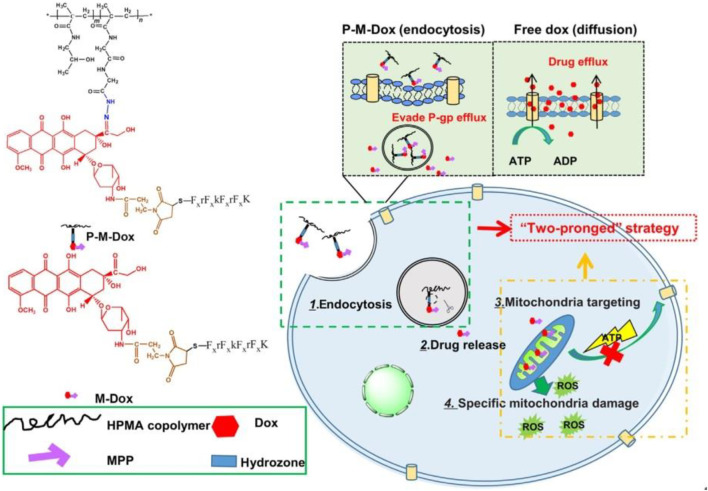
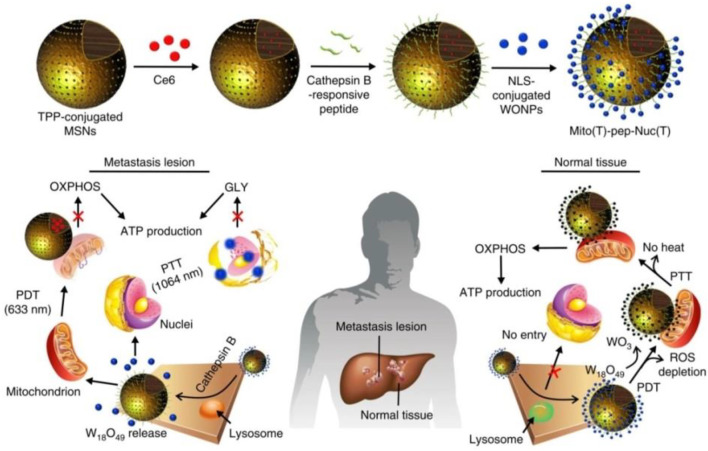
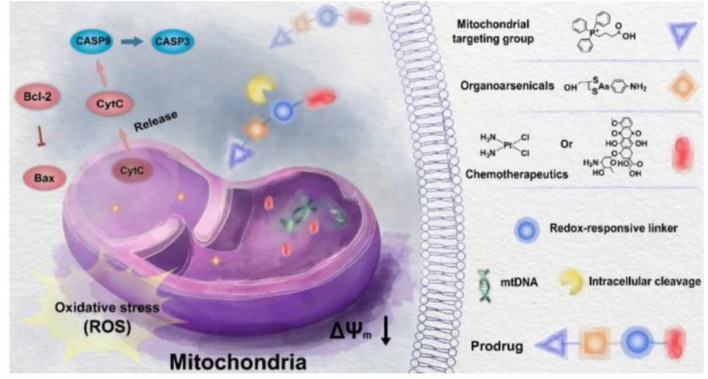
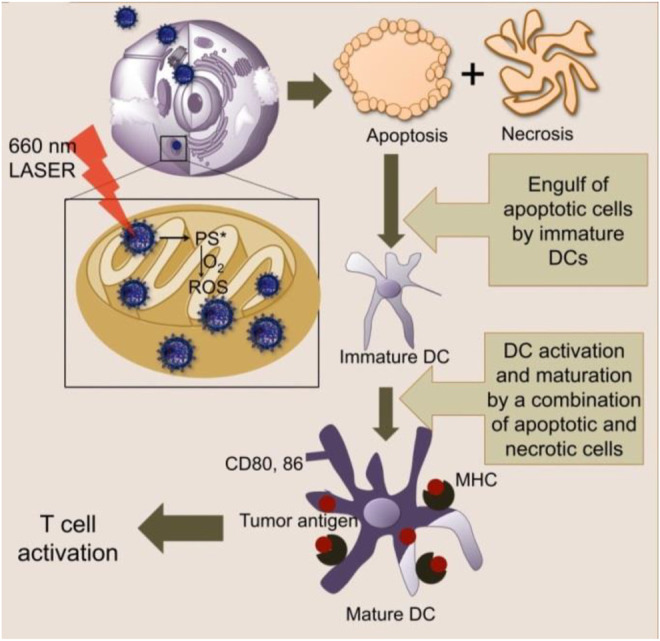
Mitochondria are the primary organelles which can produce adenosine triphosphate (ATP). They play vital roles in maintaining normal functions. They also regulated apoptotic pathways of cancer cells. Given that, designing therapeutic agents that precisely target mitochondria is of great importance for cancer treatment. Nanocarriers can combine the mitochondria with other therapeutic modalities in cancer treatment, thus showing great potential to cancer therapy in the past few years. Herein, we summarized lipophilic cation- and peptide-based nanosystems for mitochondria targeting. This review described how mitochondria-targeted nanocarriers promoted highly efficient cancer treatment in photodynamic therapy (PDT), chemotherapy, combined immunotherapy, and sonodynamic therapy (SDT). We further discussed mitochondria-targeted nanocarriers' major challenges and future prospects in clinical cancer treatment.
线粒体是能够产生三磷酸腺苷(ATP)的主要细胞器。它们在维持正常功能方面发挥着至关重要的作用。它们还调节癌细胞的凋亡途径。鉴于此,设计精确靶向线粒体的治疗药物对于癌症治疗至关重要。在癌症治疗中,纳米载体可以将线粒体与其他治疗方式相结合,因此在过去几年中显示出巨大的癌症治疗潜力。在此,我们总结了用于线粒体靶向的基于亲脂性阳离子和肽的纳米系统。这篇综述描述了线粒体靶向纳米载体如何在光动力疗法(PDT)、化疗、联合免疫疗法和超声动力疗法(SDT)中促进高效的癌症治疗。我们进一步讨论了线粒体靶向纳米载体在临床癌症治疗中的主要挑战和未来前景。