Li Ding, Liang Jiaming, Cheng Cheng, Guo Wenbin, Li Shuolei, Song Wenping, Song Zhenguo, Bai Yongtao, Zhang Yongna, Wu Xuan, Zhang Wenzhou
Department of Pharmacy, Affiliated Cancer Hospital of Zhengzhou University, Henan Cancer Hospital, Zhengzhou, China.
State Key Laboratory of Respiratory Disease, National Clinical Research Center for Respiratory Disease, The First Affiliated Hospital of Guangzhou Medical University, Guangzhou, China.
Front Cell Dev Biol. 2021 Nov 16;9:770451. doi: 10.3389/fcell.2021.770451. eCollection 2021.
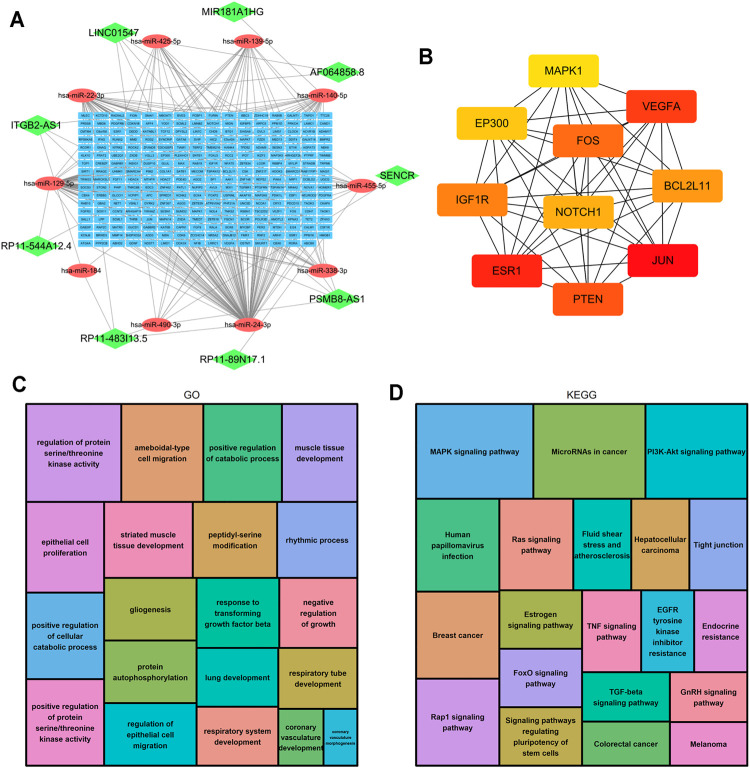
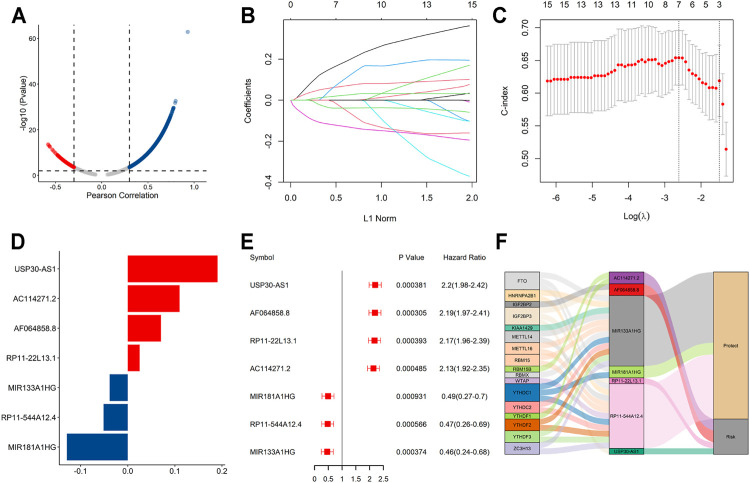
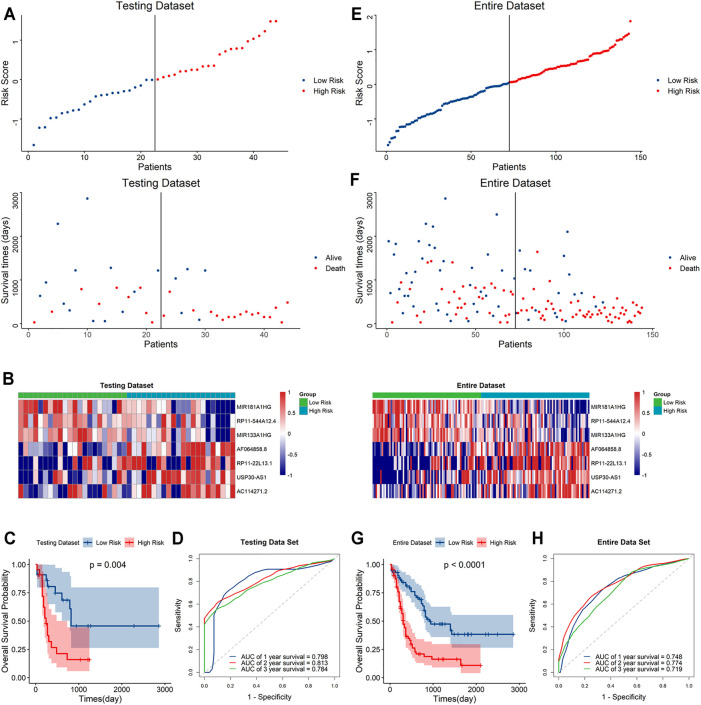
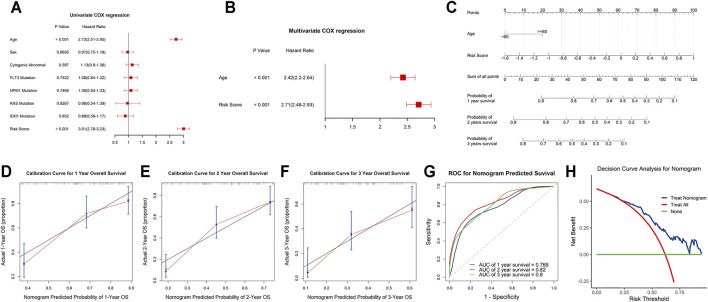
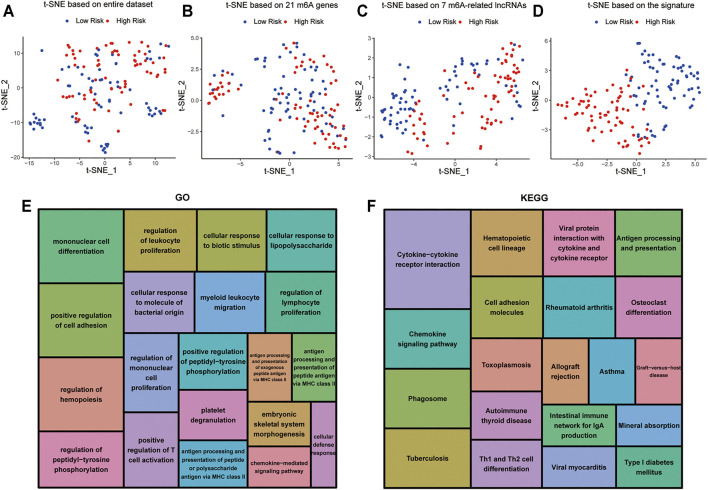
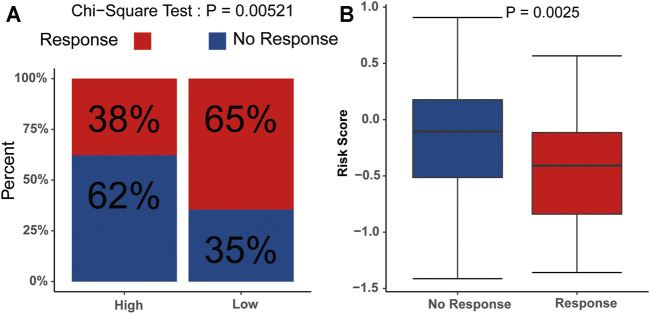
Acute myeloid leukemia (AML) remains the most common type of hematopoietic malignancy in adults and has an unfavorable outcome. Herein, we aimed to construct an N6-methylandenosine (m6A)-related long noncoding RNAs (lncRNAs) signature to accurately predict the prognosis of patients with AML using the data downloaded from The Cancer Genome Atlas (TCGA) database. The RNA-seq and clinical data were obtained from the TCGA AML cohort. First, Pearson correlation analysis was performed to identify the m6A-related lncRNAs. Next, univariate Cox regression analysis was used to determine the candidate lncRNAs with prognostic value. Then, feature selection was carried out by Least absolute shrinkage and selection operator (LASSO) analysis, and seven eligible m6A-related lncRNAs were included to construct the prognostic risk signature. Kaplan-Meier and receiver operating characteristic (ROC) curve analyses were performed to evaluate the predictive capacity of the risk signature both in the training and testing datasets. A nomogram was used to predict 1-year, 2-year, and 3-year overall survival (OS) of AML patients. Next, the expression levels of lncRNAs in the signature were validated in AML samples by qRT-PCR. Functional enrichment analyses were carried out to identify probable biological processes and cellular pathways. The ceRNA network was developed to explore the downstream targets and mechanisms of m6A-related lncRNAs in AML. Seven m6A-related lncRNAs were identified as a prognostic signature. The low-risk group hold significantly prolonged OS. The nomogram showed excellent accuracy of the signature for predicting 1-year, 2-year and 3-year OS (AUC = 0.769, 0.820, and 0.800, respectively). Moreover, the risk scores were significantly correlated with enrichment in cancer hallmark- and malignancy-related pathways and immunotherapy response in AML patients. We developed and validated a novel risk signature with m6A-related lncRNAs which could predict prognosis accurately and reflect the immunotherapy response in AML patients.
急性髓系白血病(AML)仍然是成人中最常见的造血系统恶性肿瘤,且预后不佳。在此,我们旨在利用从癌症基因组图谱(TCGA)数据库下载的数据构建一种与N6-甲基腺苷(m6A)相关的长链非编码RNA(lncRNA)特征,以准确预测AML患者的预后。RNA测序和临床数据来自TCGA AML队列。首先,进行Pearson相关性分析以鉴定与m6A相关的lncRNAs。接下来,使用单变量Cox回归分析来确定具有预后价值的候选lncRNAs。然后,通过最小绝对收缩和选择算子(LASSO)分析进行特征选择,并纳入7个符合条件的与m6A相关的lncRNAs来构建预后风险特征。进行Kaplan-Meier和受试者工作特征(ROC)曲线分析,以评估风险特征在训练集和测试集中的预测能力。使用列线图预测AML患者1年、2年和3年的总生存期(OS)。接下来,通过qRT-PCR在AML样本中验证特征中lncRNAs的表达水平。进行功能富集分析以确定可能的生物学过程和细胞途径。构建ceRNA网络以探索AML中与m6A相关的lncRNAs的下游靶点和机制。7个与m6A相关的lncRNAs被鉴定为预后特征。低风险组的OS显著延长。列线图显示该特征在预测1年、2年和3年OS方面具有出色的准确性(AUC分别为0.769、0.820和0.800)。此外,风险评分与AML患者癌症特征和恶性肿瘤相关途径的富集以及免疫治疗反应显著相关。我们开发并验证了一种与m6A相关的lncRNAs的新型风险特征,其可以准确预测AML患者的预后并反映免疫治疗反应。