Department of Neurology, University Hopsital and University of Bern, Inselspital, Bern, Switzerland.
Institute for Infectious Disease, University of Bern, Bern, Switzerland.
BMC Neurol. 2021 Dec 6;21(1):474. doi: 10.1186/s12883-021-02502-3.
Depending on geographic location, causes of encephalitis, meningoencephalitis and meningitis vary substantially. We aimed to identify the most frequent causes, clinical presentation and long-term outcome of encephalitis, meningoencephalitis and meningitis cases treated in the Inselspital University Hospital Bern, Switzerland.
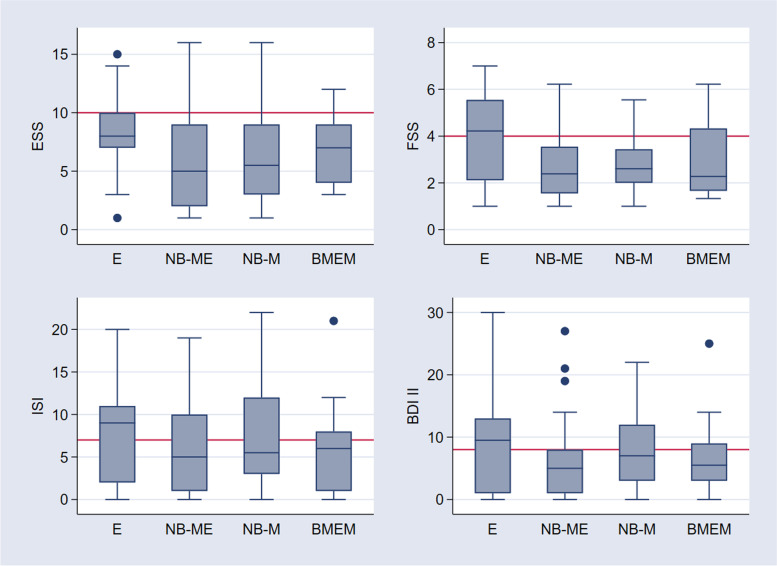
In this monocentric, observational study, we performed a retrospective review of clinical patient records for all patients treated within a 3-year period. Patients were contacted for a telephone follow-up interview and to fill out questionnaires, especially related to disturbances of sleep and wakefulness.
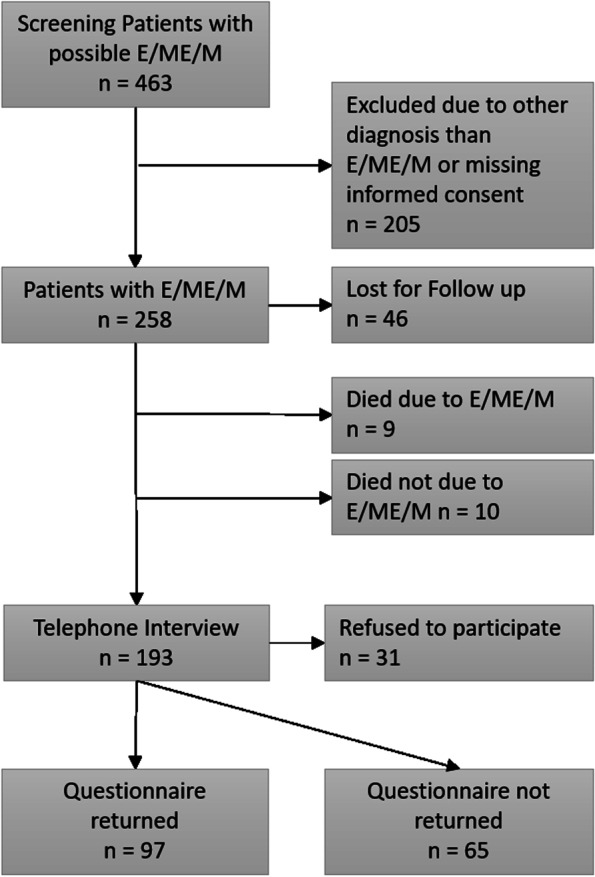
We included 258 patients with the following conditions: encephalitis (18%), nonbacterial meningoencephalitis (42%), nonbacterial meningitis (27%) and bacterial meningoencephalitis/meningitis (13%). Herpes simplex virus (HSV) was the most common cause of encephalitis (18%); tick-borne encephalitis virus (TBEV) was the most common cause of nonbacterial meningoencephalitis (46%), enterovirus was the most common cause of nonbacterial meningitis (21%) and Streptococcus pneumoniae was the most common cause of bacterial meningoencephalitis/meningitis (49%). Overall, 35% patients remained without a known cause. After a median time of 16 months, 162 patients participated in the follow-up interview; 56% reported suffering from neurological long-term sequelae such as fatigue and/or excessive daytime sleepiness (34%), cognitive impairment and memory deficits (22%), headache (14%) and epileptic seizures (11%).
In the Bern region, Switzerland, TBEV was the overall most frequently detected infectious cause, with a clinical manifestation of meningoencephalitis in the majority of cases. Long-term neurological sequelae, most importantly cognitive impairment, fatigue and headache, were frequently self-reported not only in encephalitis and meningoencephalitis survivors but also in viral meningitis survivors up to 40 months after acute infection.
根据地理位置的不同,脑炎、脑膜脑炎和脑膜炎的病因有很大差异。我们旨在确定瑞士伯尔尼大学医院收治的脑炎、脑膜脑炎和脑膜炎患者的最常见病因、临床表现和长期预后。
在这项单中心、观察性研究中,我们对 3 年内接受治疗的所有患者的临床病历进行了回顾性分析。对患者进行了电话随访和问卷调查,特别是与睡眠和觉醒障碍相关的问卷。
我们共纳入了 258 名患者,其疾病包括:脑炎(18%)、非细菌性脑膜脑炎(42%)、非细菌性脑膜炎(27%)和细菌性脑膜脑炎/脑膜炎(13%)。单纯疱疹病毒(HSV)是脑炎最常见的病因(18%);蜱传脑炎病毒(TBEV)是最常见的非细菌性脑膜脑炎病因(46%),肠道病毒是最常见的非细菌性脑膜炎病因(21%),肺炎链球菌是细菌性脑膜脑炎/脑膜炎最常见的病因(49%)。总体而言,35%的患者仍未明确病因。中位随访时间为 16 个月后,有 162 名患者参与了随访访谈;56%的患者报告存在神经后遗症,如疲劳和/或日间嗜睡(34%)、认知障碍和记忆力减退(22%)、头痛(14%)和癫痫发作(11%)。
在瑞士伯尔尼地区,TBEV 是最常见的传染性病因,其临床表现多为脑膜脑炎。长期的神经后遗症,特别是认知障碍、疲劳和头痛,不仅在脑炎和脑膜脑炎幸存者中,而且在病毒性脑膜炎幸存者中,在急性感染后 40 个月时也经常被自我报告。