Ministry of National Guard and Health Affairs, Riyadh, Saudi Arabia.
Department of Forensic Sciences, College of Criminal Justice, Naif Arab University for Security Sciences, P.O. Box 6830, 11452, Riyadh, Saudi Arabia.
BMC Oral Health. 2021 Dec 7;21(1):626. doi: 10.1186/s12903-021-01981-7.
Khat leaves contain the alkaloid cathinone. Research shows that khat might provoke toxicity, mutagenicity, as well as carcinogenicity.
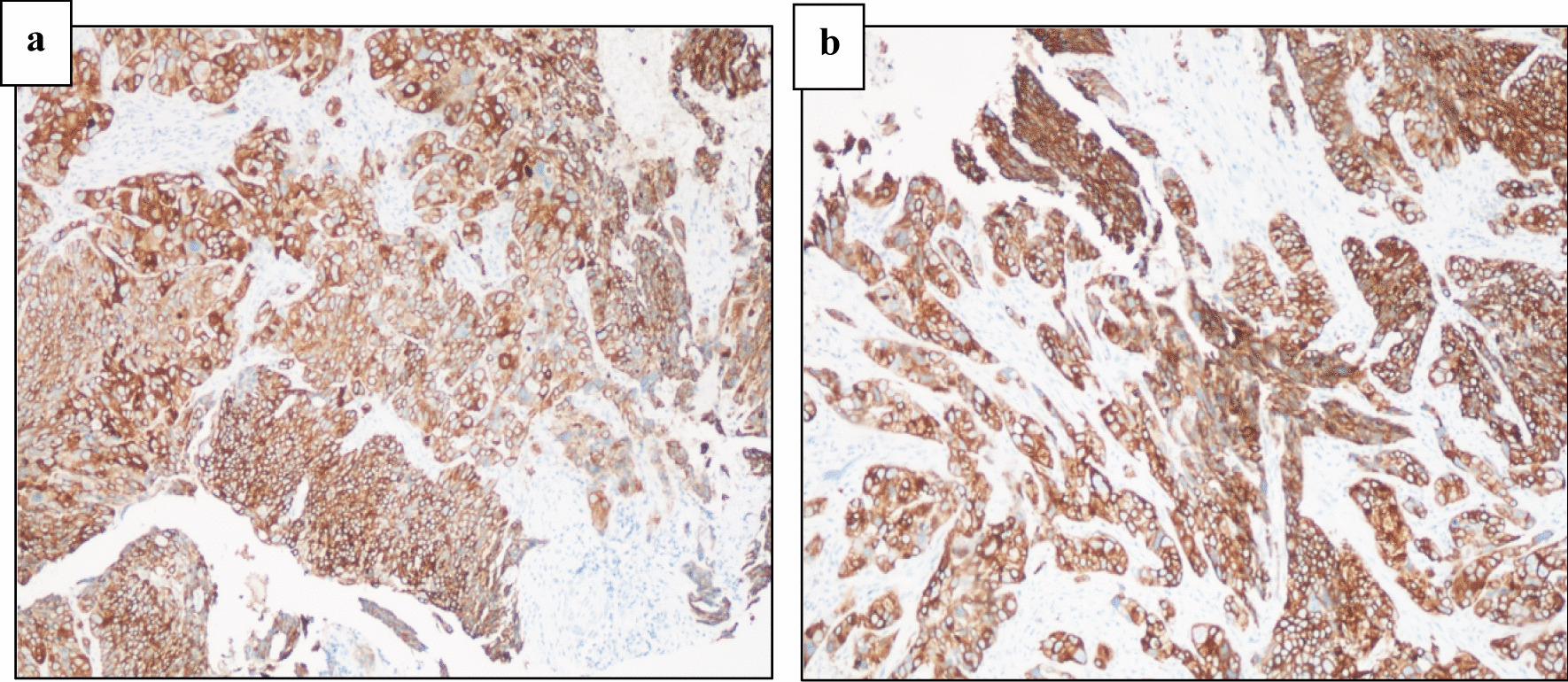
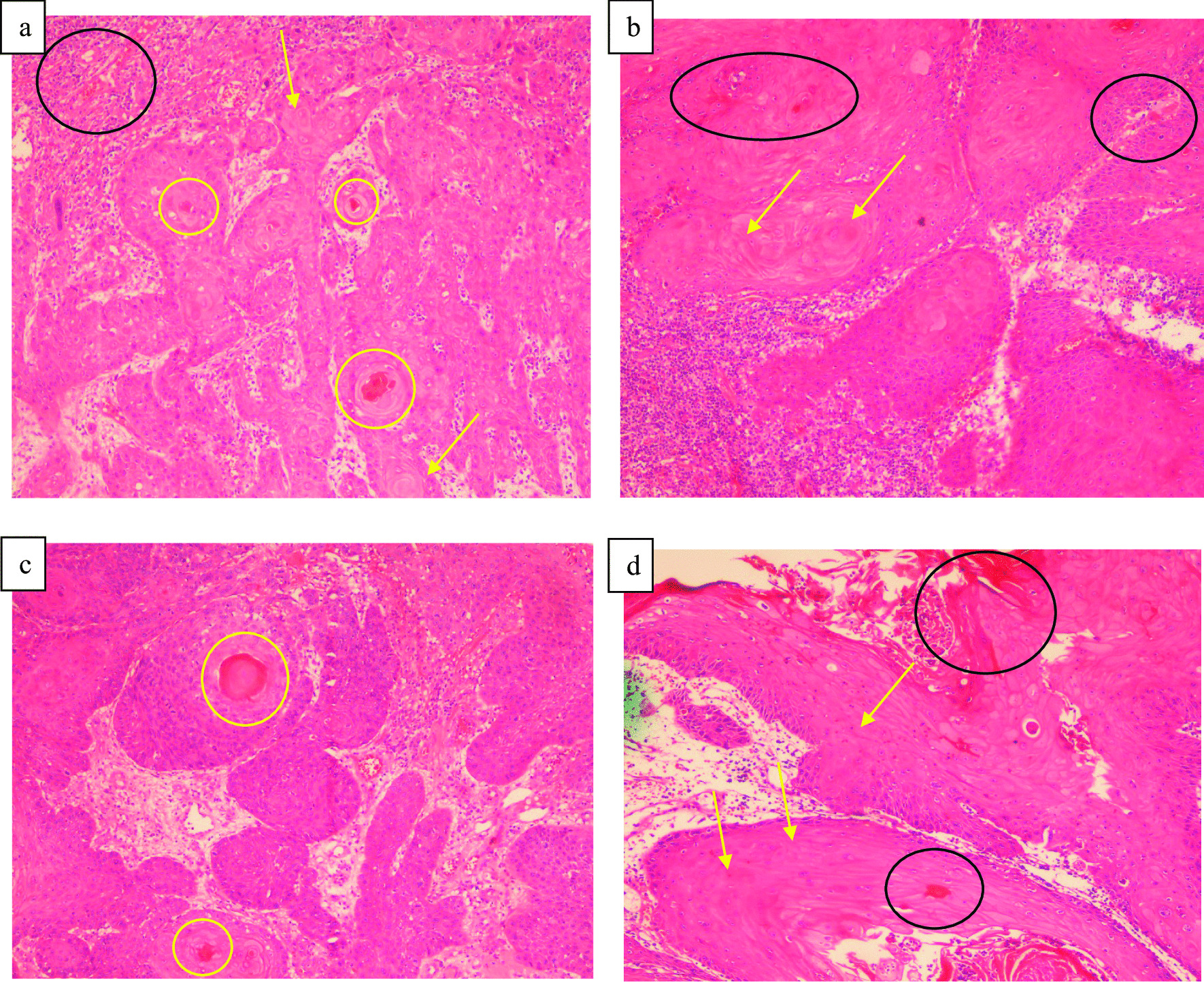
Two groups were identified as khat abusers and were categorized by abuse time and diagnosis of oral squamous cell carcinoma (OSCC). Here, 41 participants from Group 2 were short-term khat users, and 42 participants were long-term khat users. The control group included 30 healthy individuals. The coding exons included nine cancer-related genes and were analysed. The histopathological research was conducted with H&E staining along with the TP53 protein expression by implementing immunohistochemical analyses.
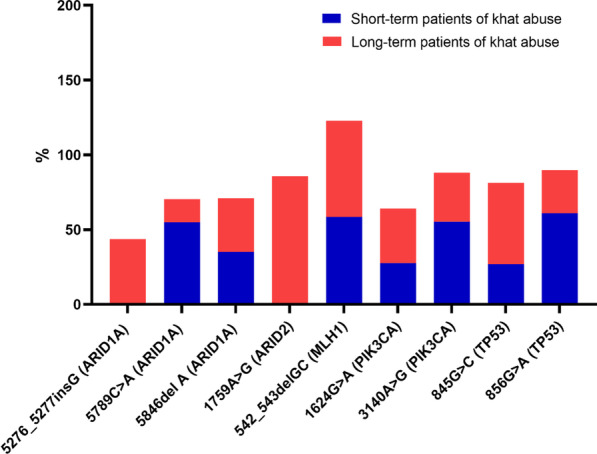
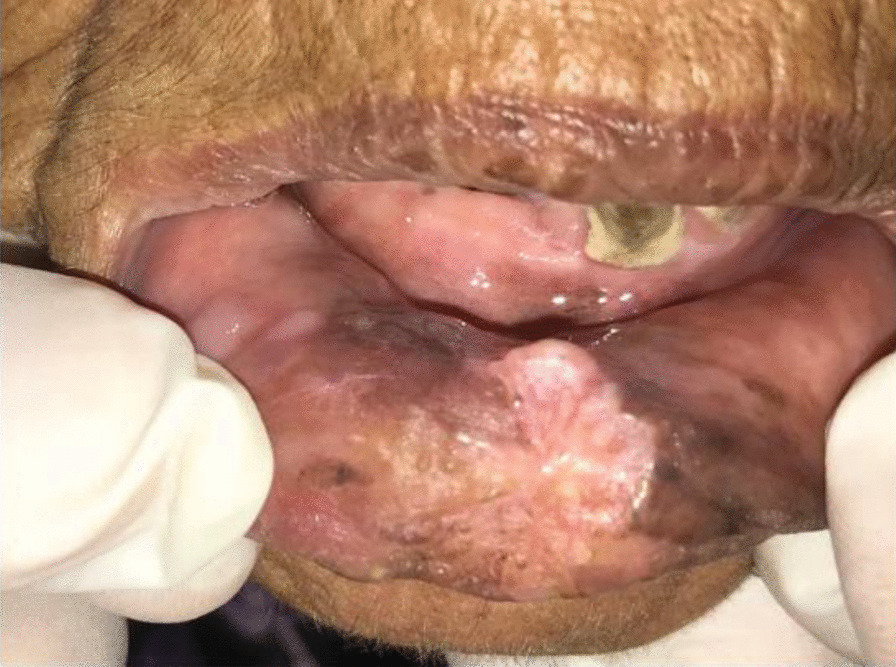
Here, 41 short-term khat users carried seven somatic mutations in four out of nine cancer-related genes: 29/41(70.73%) ARID1A, 24/41(58.53%) MLH1, 34/41(82.92%) PIK3CA and 36/41(87.80%) TP53. The 42 long-term khat users incorporated nine somatic mutations in five out of nin ecancer-related genes: 40/42(95.23%) ARID1A, 36/42(85.71%) ARID2, 29/42(69.04%) PIK3CA, 27/42(64.28%) MLH1, and 35/42(83.33%) TP53. Every khat user had somatic mutations related to OSCC affecting the gingiva and the lower lip. TP53 protein expression was confirmed in all immunohistochemical oral tests. Carcinoma was also positive in the histopathological analysis.
Khat is a mutagenic and carcinogenic plant that provoked OSCC among short-term khat users (<15 years of use) and long-term users (>15 years of use).
阿拉伯茶叶含有卡西酮生物碱。研究表明,阿拉伯茶可能会引发毒性、致突变性和致癌性。
将两组鉴定为阿拉伯茶滥用者,并根据滥用时间和口腔鳞状细胞癌(OSCC)的诊断进行分类。在这里,第 2 组的 41 名参与者是短期阿拉伯茶使用者,42 名参与者是长期阿拉伯茶使用者。对照组包括 30 名健康个体。对包含九个癌症相关基因的外显子进行编码并进行分析。通过实施免疫组织化学分析,用 H&E 染色和 TP53 蛋白表达进行组织病理学研究。
在这里,41 名短期阿拉伯茶使用者在九个癌症相关基因中的四个基因中携带了七个体细胞突变:29/41(70.73%)ARID1A、24/41(58.53%)MLH1、34/41(82.92%)PIK3CA 和 36/41(87.80%)TP53。42 名长期阿拉伯茶使用者在五个癌症相关基因中有九个体细胞突变:40/42(95.23%)ARID1A、36/42(85.71%)ARID2、29/42(69.04%)PIK3CA、27/42(64.28%)MLH1 和 35/42(83.33%)TP53。每位阿拉伯茶使用者都有与影响牙龈和下唇的 OSCC 相关的体细胞突变。所有免疫组织化学口腔试验均证实 TP53 蛋白表达阳性。在组织病理学分析中也证实了癌的存在。
阿拉伯茶是一种具有致突变性和致癌性的植物,会在短期阿拉伯茶使用者(使用时间<15 年)和长期使用者(使用时间>15 年)中引发口腔鳞状细胞癌。