Case Digestive Health Research Institute, Cleveland, Ohio; Department of Medicine, Cleveland, Ohio.
Case Digestive Health Research Institute, Cleveland, Ohio; Department of Pathology, Case Western University School of Medicine, Cleveland, Ohio.
Cell Mol Gastroenterol Hepatol. 2022;13(3):901-923. doi: 10.1016/j.jcmgh.2021.11.008. Epub 2021 Dec 7.
BACKGROUND & AIMS: We previously showed that abundance of Candida tropicalis is significantly greater in Crohn's disease patients compared with first-degree relatives without Crohn's disease. The aim of this study was to determine the effects and mechanisms of action of C tropicalis infection on intestinal inflammation and injury in mice.
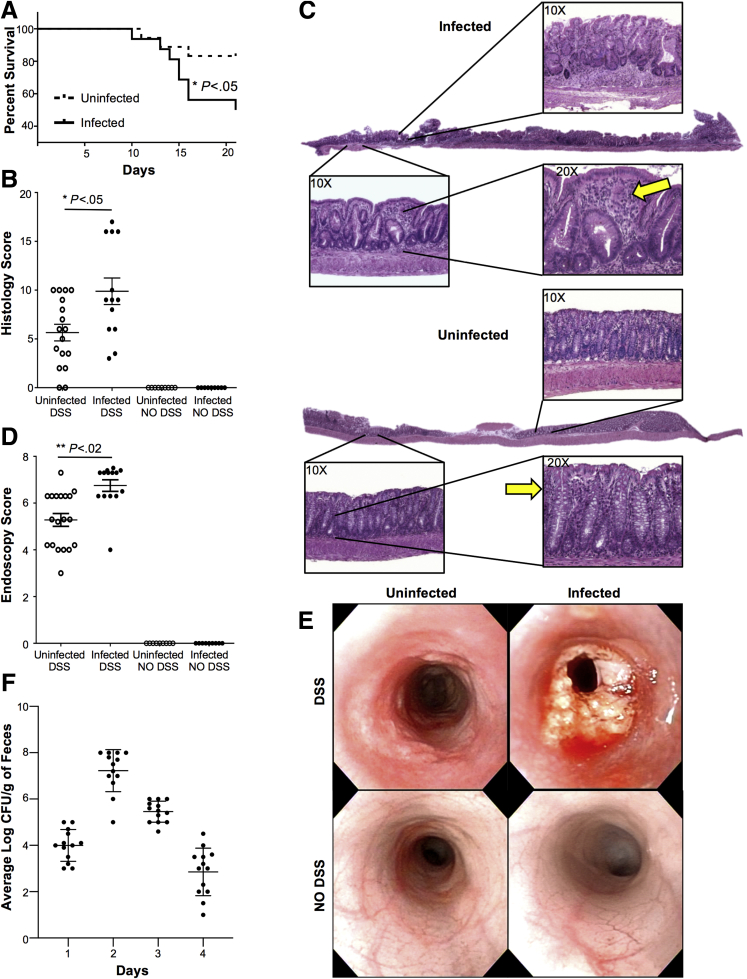
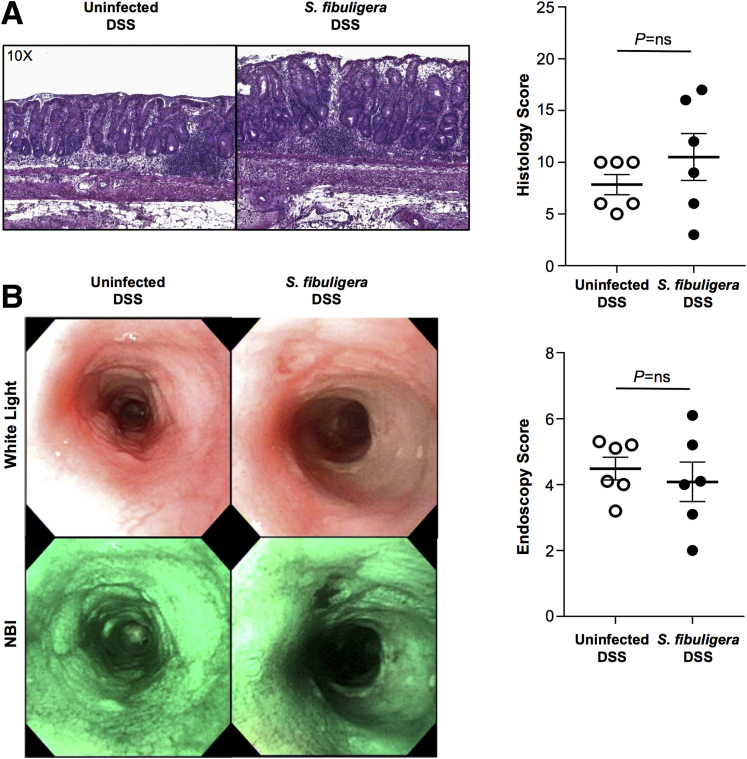
C57BL/6 mice were inoculated with C tropicalis, and colitis was induced by administration of dextran sodium sulfate in drinking water. Disease severity and intestinal permeability subsequently were evaluated by endoscopy, histology, quantitative reverse-transcription polymerase chain reaction, as well as 16S ribosomal RNA and NanoString analyses (NanoString Technologies, Seattle, WA).
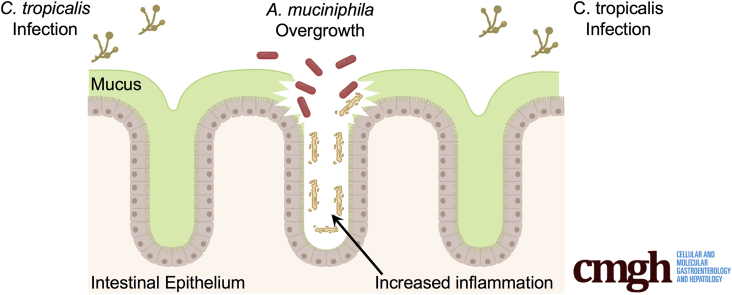
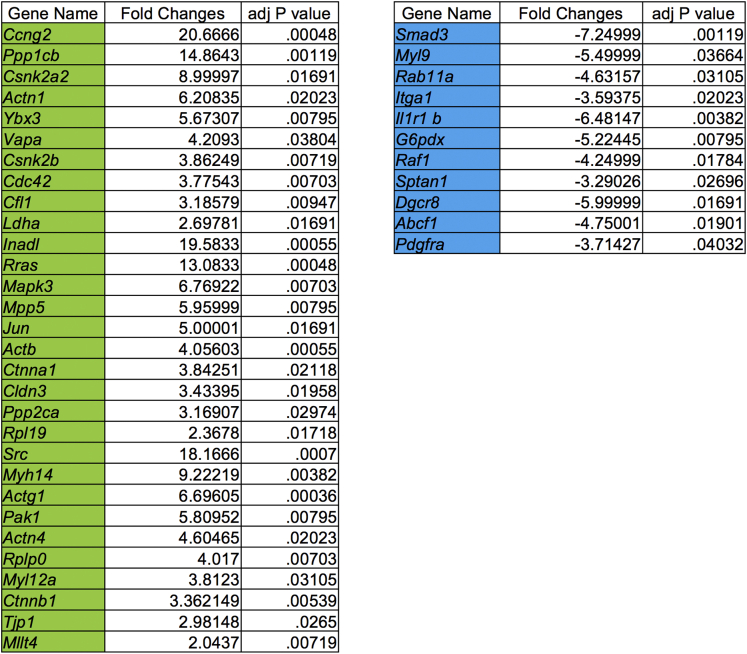
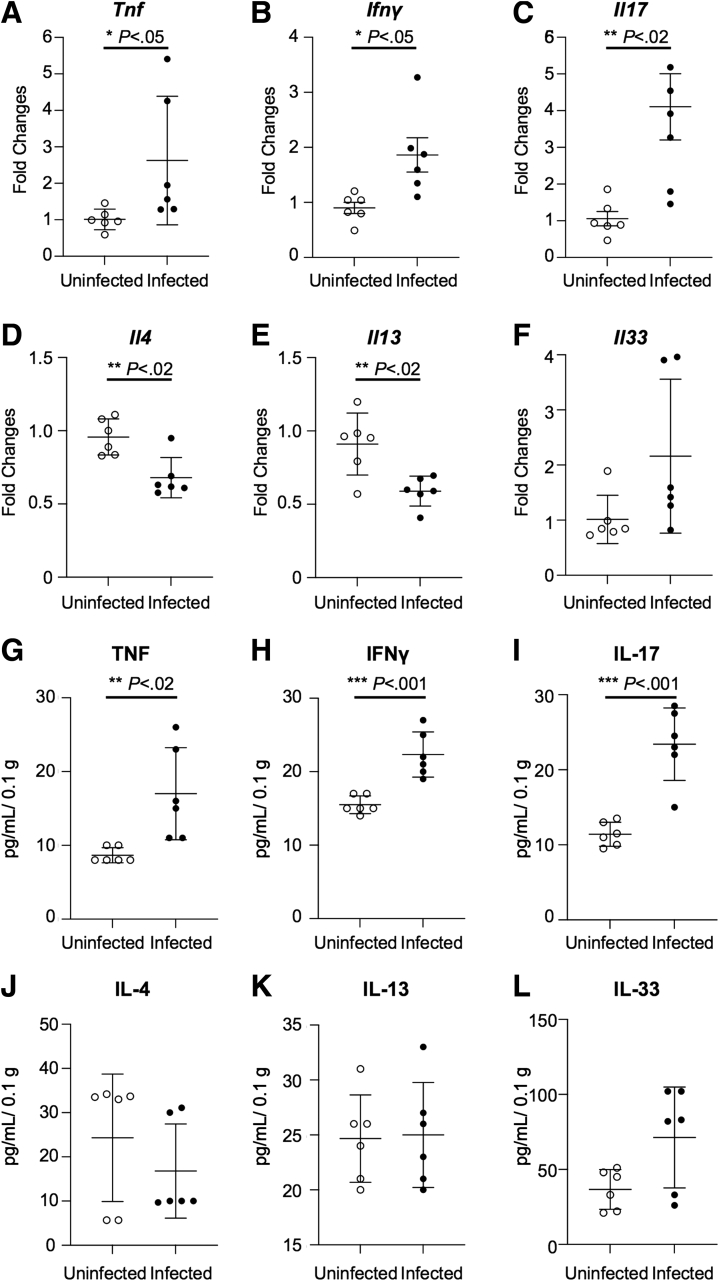
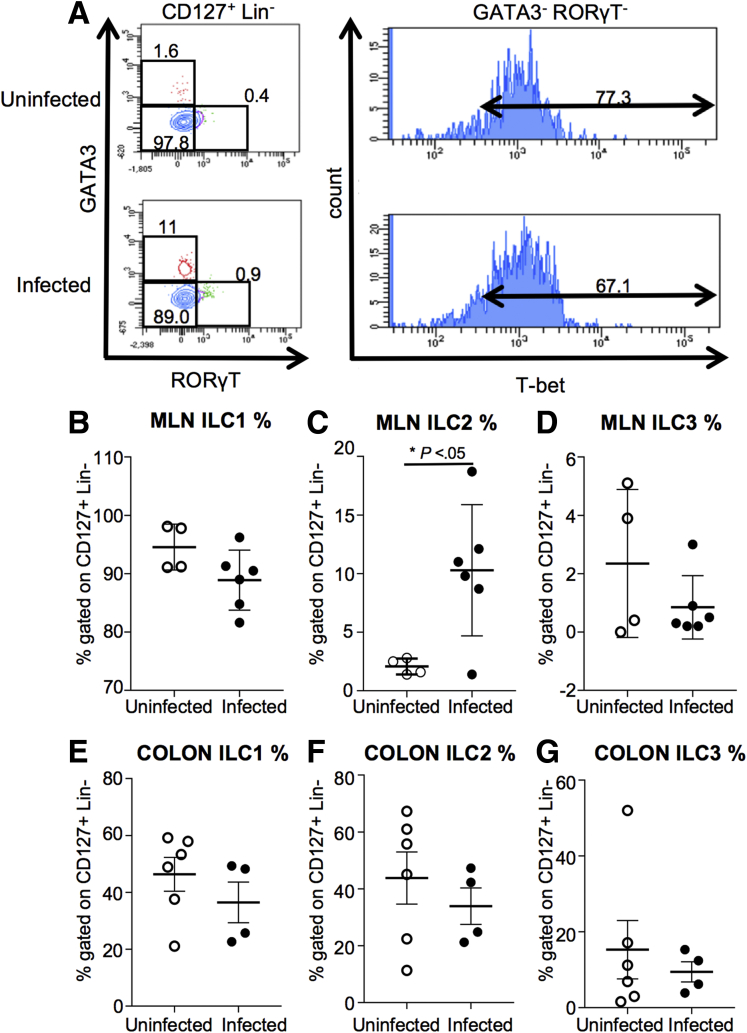
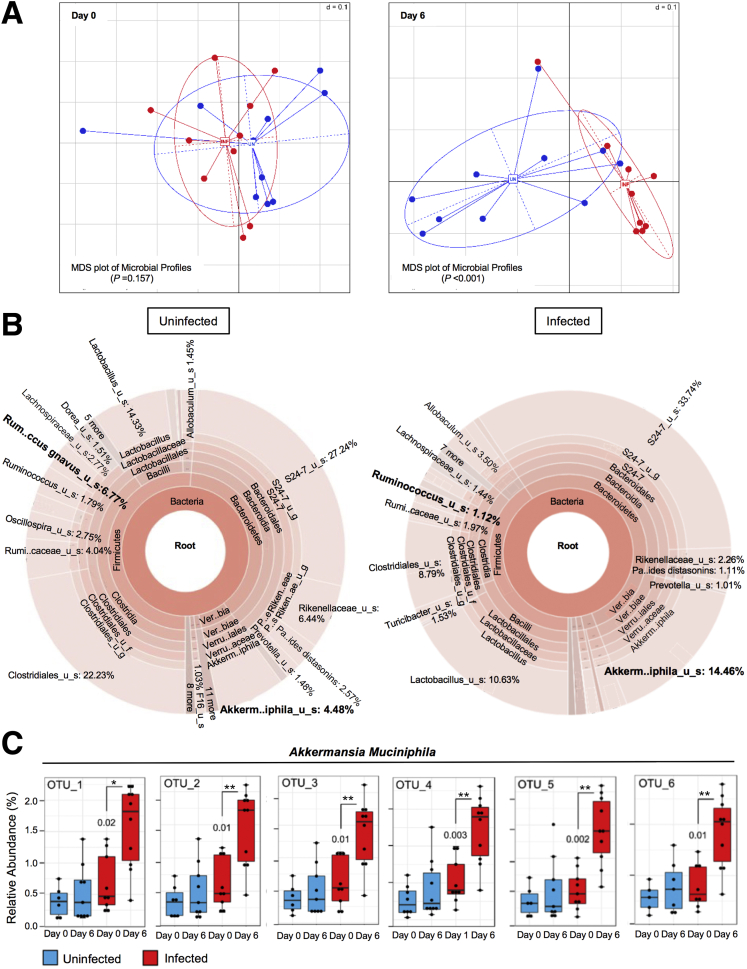
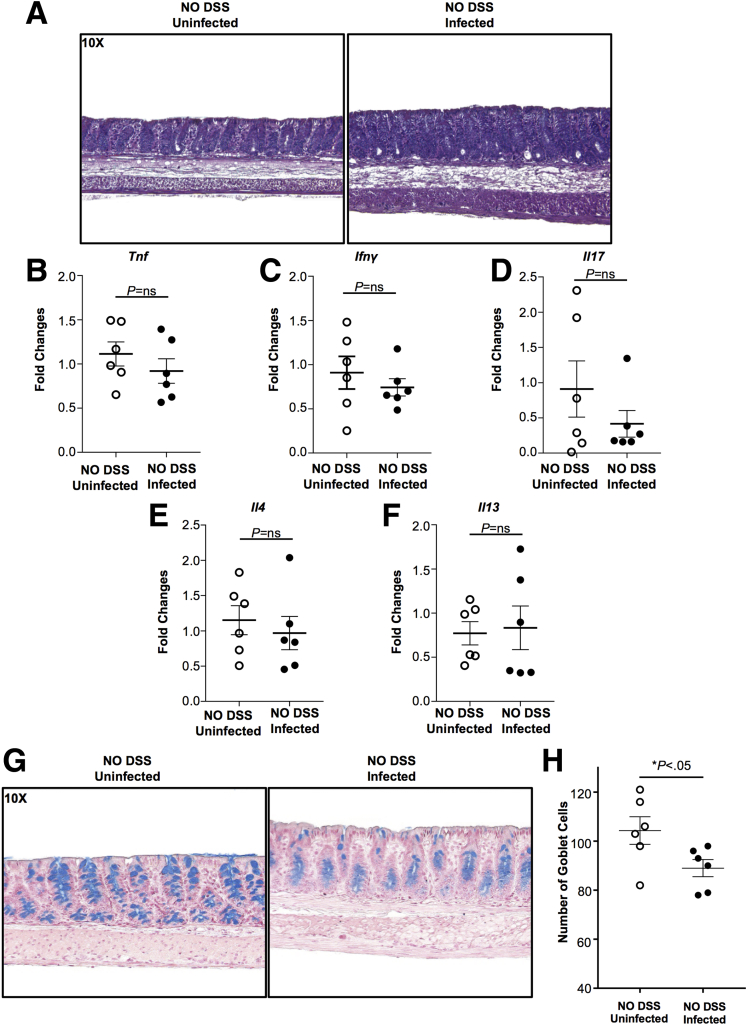
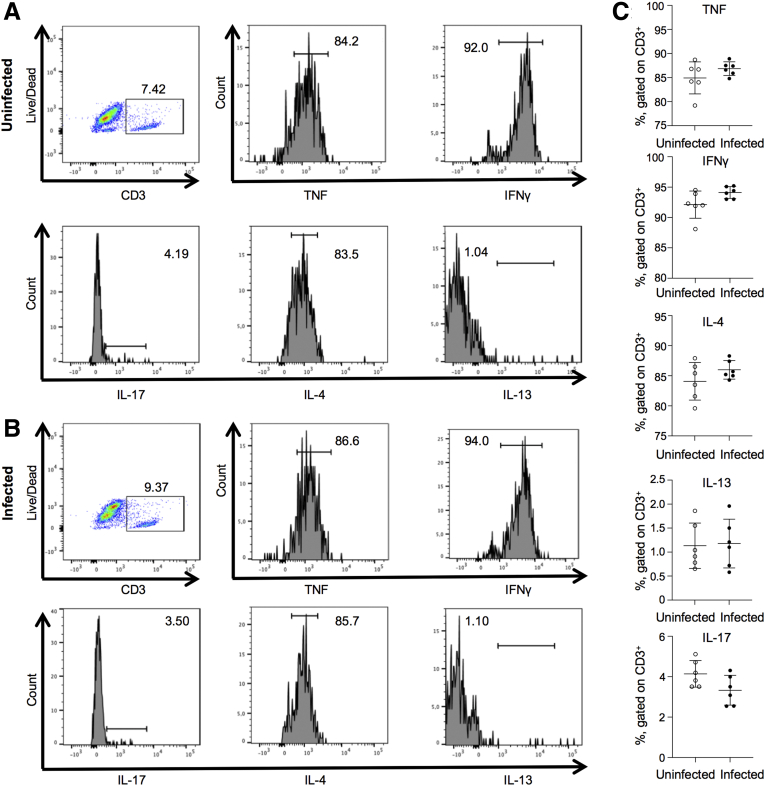
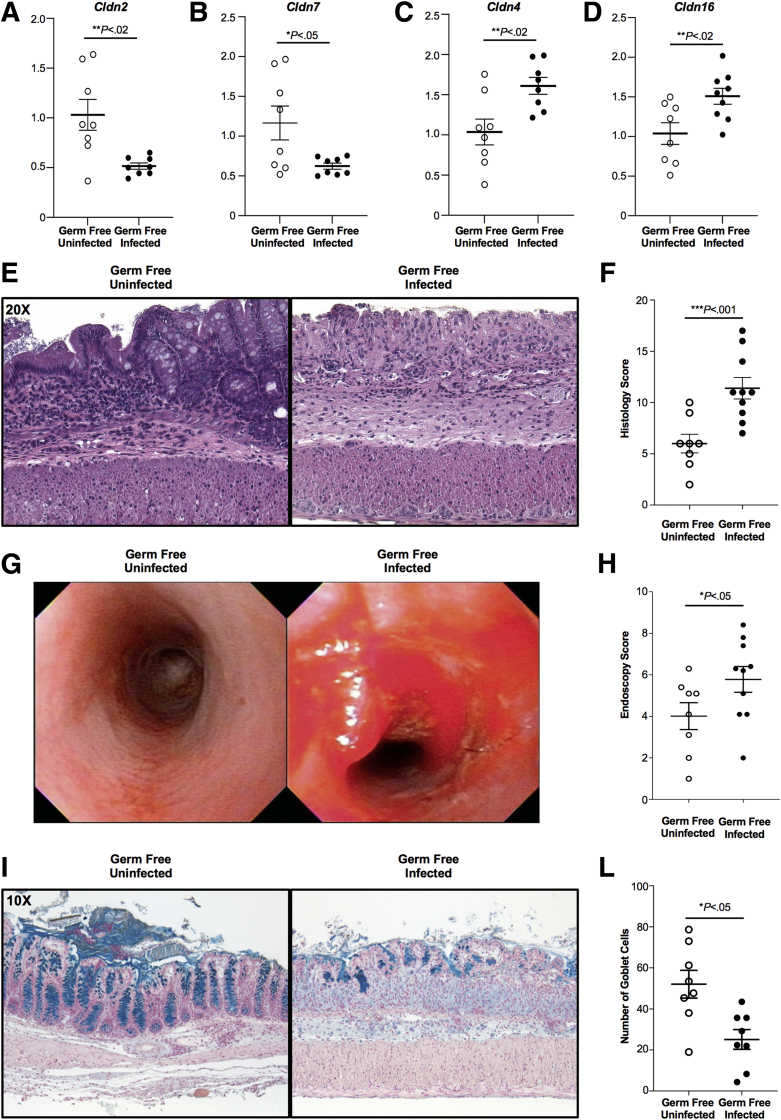
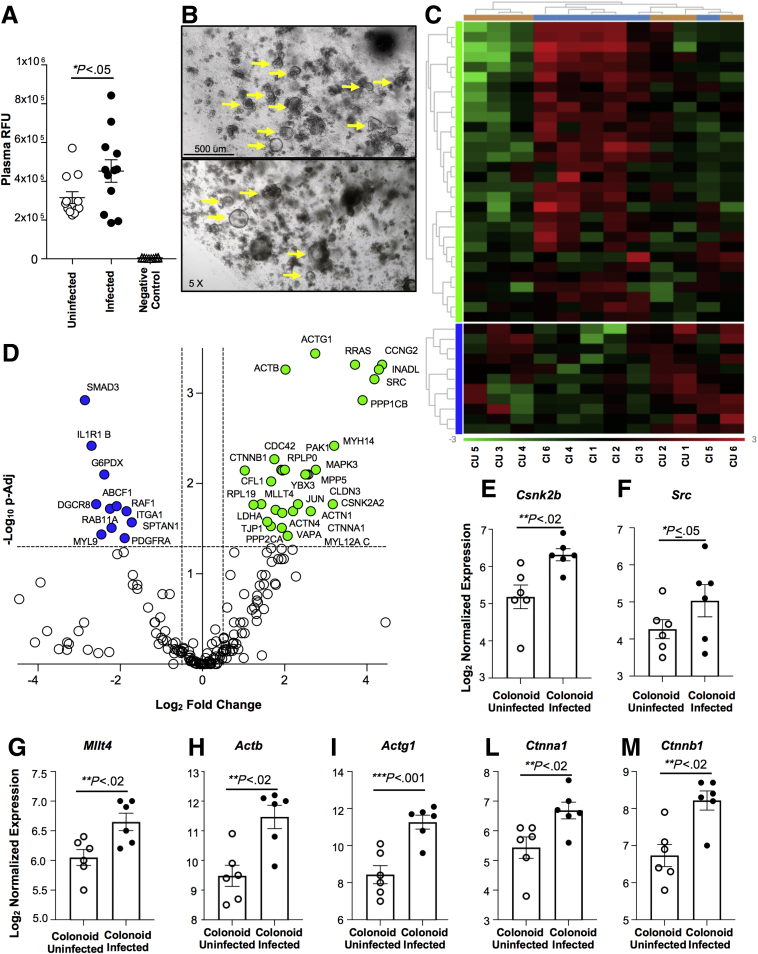
Infected mice showed more severe colitis, with alterations in gut mucosal helper T cells (Th)1 and Th17 cytokine expression, and an increased frequency of mesenteric lymph node-derived group 2 innate lymphoid cells compared with uninfected controls. Gut microbiome composition, including changes in the mucin-degrading bacteria, Akkermansia muciniphila and Ruminococcus gnavus, was altered significantly, as was expression of several genes affecting intestinal epithelial homeostasis in isolated colonoids, after C tropicalis infection compared with uninfected controls. In line with these findings, fecal microbiome transplantation of germ-free recipient mice using infected vs uninfected donors showed altered expression of several tight-junction proteins and increased susceptibility to dextran sodium sulfate-induced colitis.
C tropicalis induces dysbiosis that involves changes in the presence of mucin-degrading bacteria, leading to altered tight junction protein expression with increased intestinal permeability and followed by induction of robust Th1/Th17 responses, which ultimately lead to an accelerated proinflammatory phenotype in experimental colitic mice.
我们之前的研究表明,与无克罗恩病的一级亲属相比,克罗恩病患者体内热带假丝酵母菌的丰度显著更高。本研究旨在确定热带假丝酵母菌感染对小鼠肠道炎症和损伤的影响和作用机制。
将 C57BL/6 小鼠接种热带假丝酵母菌,并通过在饮用水中给予葡聚糖硫酸钠诱导结肠炎。随后通过内镜、组织学、定量逆转录聚合酶链反应以及 16S 核糖体 RNA 和 NanoString 分析(西雅图 NanoString 技术公司)评估疾病严重程度和肠道通透性。
感染的小鼠表现出更严重的结肠炎,肠道黏膜辅助性 T 细胞(Th)1 和 Th17 细胞因子表达发生改变,肠系膜淋巴结来源的 2 型固有淋巴细胞的频率增加,与未感染的对照组相比。与未感染的对照组相比,肠道微生物组组成发生了显著变化,包括粘蛋白降解细菌阿克曼氏菌和罗氏梭菌的变化,以及分离的结肠类器官中影响肠道上皮细胞稳态的几个基因的表达也发生了变化。感染热带假丝酵母菌后,与未感染的对照组相比,无菌受体小鼠的粪便微生物组移植显示几个紧密连接蛋白的表达发生改变,并且对葡聚糖硫酸钠诱导的结肠炎的易感性增加。
热带假丝酵母菌引起的菌群失调涉及粘蛋白降解细菌的存在变化,导致紧密连接蛋白表达改变,肠道通透性增加,随后引发强烈的 Th1/Th17 反应,最终导致实验性结肠炎小鼠中促炎表型加速。