State Key Laboratory of Ecological Pest Control for Fujian-Taiwan Crops, Institute of Applied Ecology, Fujian Agriculture and Forestry University, Fuzhou, 350002, China.
Joint International Research Laboratory of Ecological Pest Control, Ministry of Education, Fuzhou, 350002, China.
Nat Commun. 2021 Dec 10;12(1):7206. doi: 10.1038/s41467-021-27510-2.
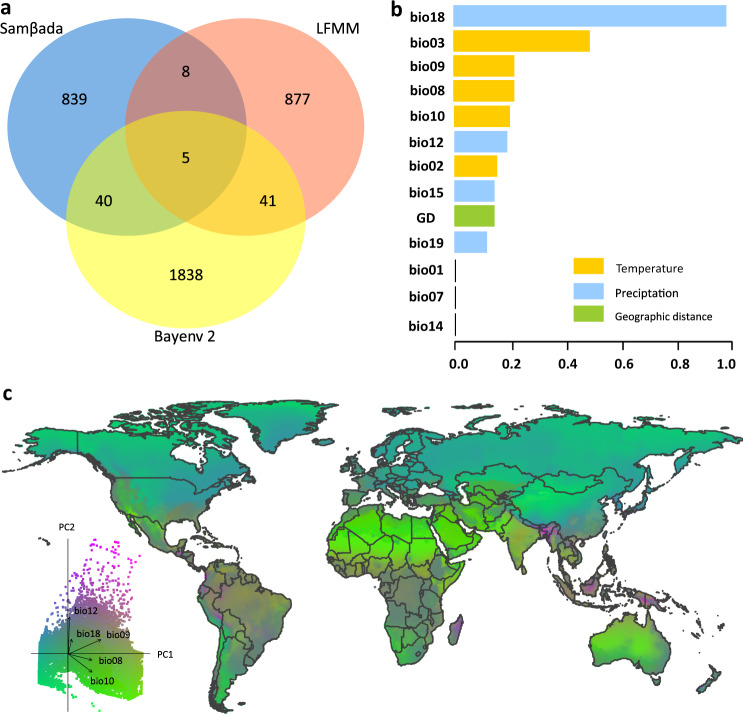
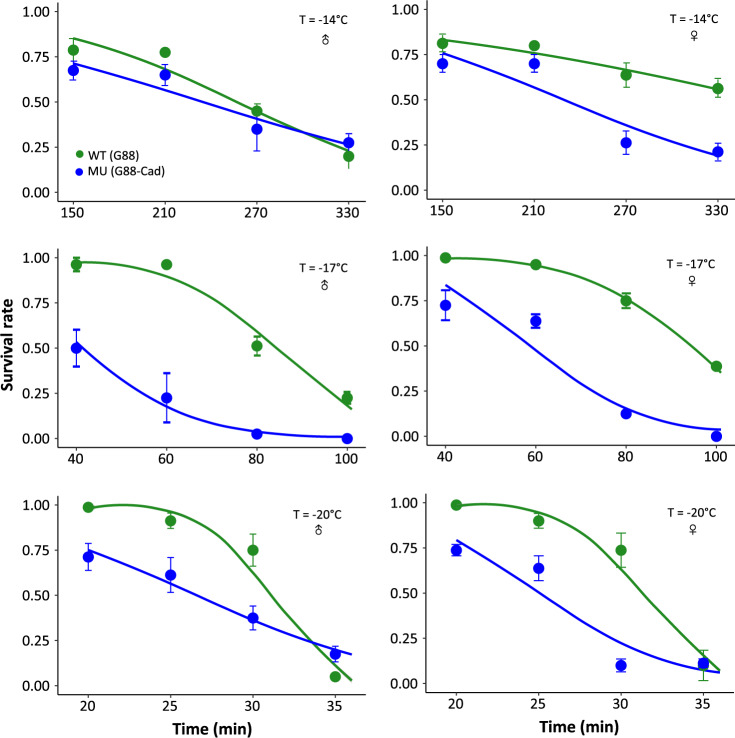
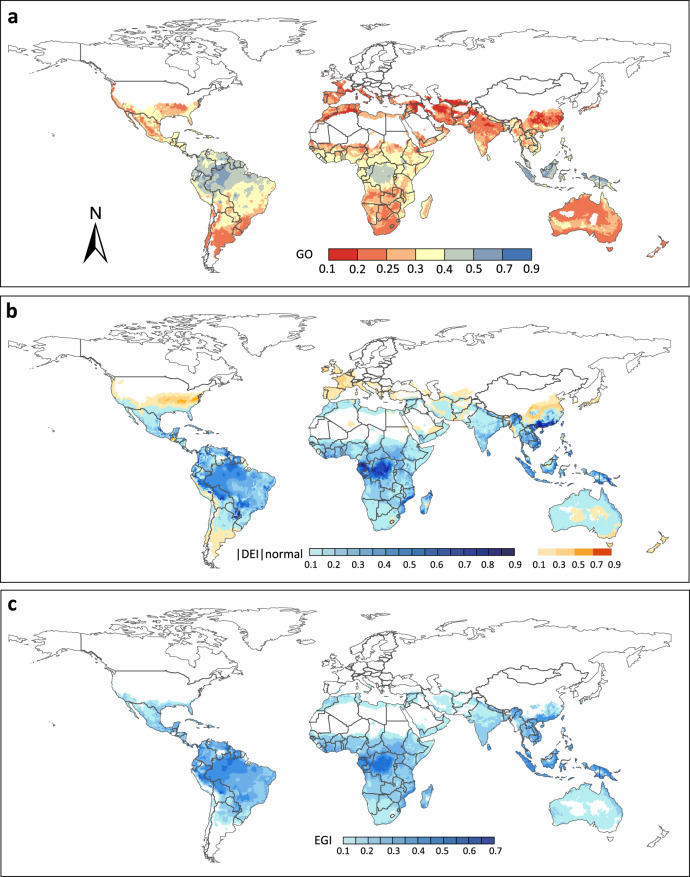
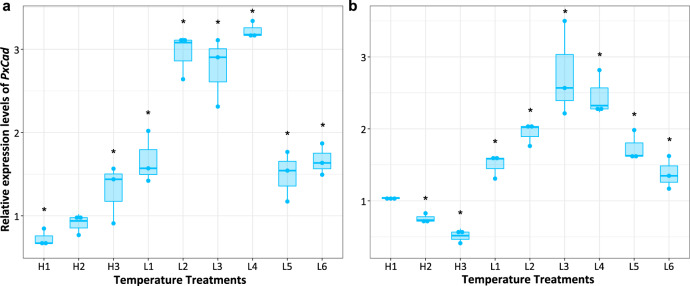
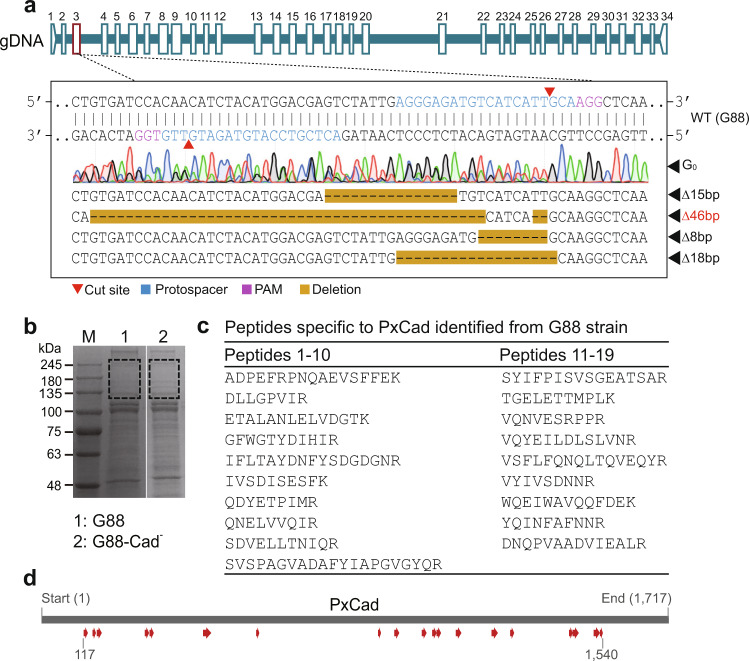
Understanding the genetic basis of climatic adaptation is essential for predicting species' responses to climate change. However, intraspecific variation of these responses arising from local adaptation remains ambiguous for most species. Here, we analyze genomic data from diamondback moth (Plutella xylostella) collected from 75 sites spanning six continents to reveal that climate-associated adaptive variation exhibits a roughly latitudinal pattern. By developing an eco-genetic index that combines genetic variation and physiological responses, we predict that most P. xylostella populations have high tolerance to projected future climates. Using genome editing, a key gene, PxCad, emerged from our analysis as functionally temperature responsive. Our results demonstrate that P. xylostella is largely capable of tolerating future climates in most of the world and will remain a global pest beyond 2050. This work improves our understanding of adaptive variation along environmental gradients, and advances pest forecasting by highlighting the genetic basis for local climate adaptation.
了解气候适应的遗传基础对于预测物种对气候变化的反应至关重要。然而,对于大多数物种来说,由于局部适应而导致的这些反应的种内变异仍然不清楚。在这里,我们分析了来自跨越六大洲的 75 个地点的小菜蛾(Plutella xylostella)的基因组数据,揭示了与气候相关的适应性变异呈现出大致的纬度模式。通过开发一种结合遗传变异和生理反应的生态遗传指数,我们预测大多数小菜蛾种群对未来的气候具有高耐受性。利用基因组编辑,我们的分析还发现了一个关键基因 PxCad,它在功能上对温度有反应。我们的研究结果表明,在世界大部分地区,小菜蛾在很大程度上能够耐受未来的气候,并且到 2050 年以后仍将是一种全球性的害虫。这项工作提高了我们对环境梯度中适应性变异的理解,并通过突出局部气候适应的遗传基础来推进害虫预测。