Department of Clinical Studies, Ontario Veterinary College, University of Guelph, Guelph, Ontario, Canada.
Department of Biomedical Sciences, Ontario Veterinary College, University of Guelph, Guelph, Ontario, Canada.
BMC Vet Res. 2021 Dec 11;17(1):382. doi: 10.1186/s12917-021-03089-0.
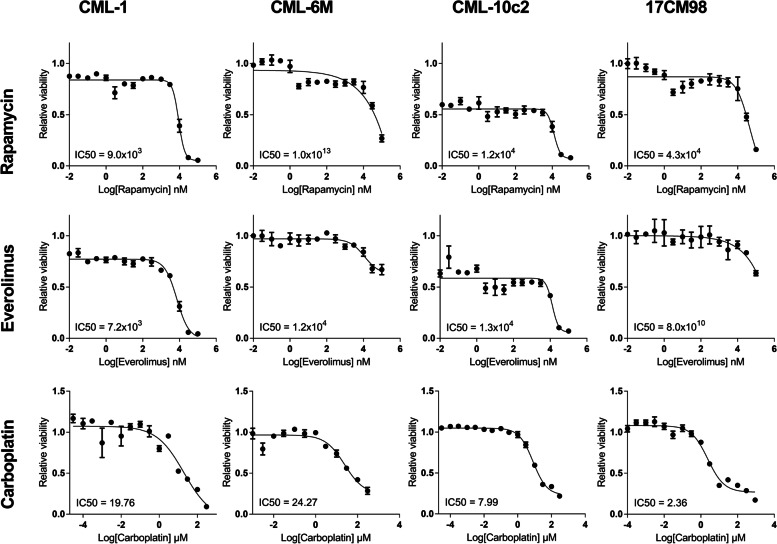
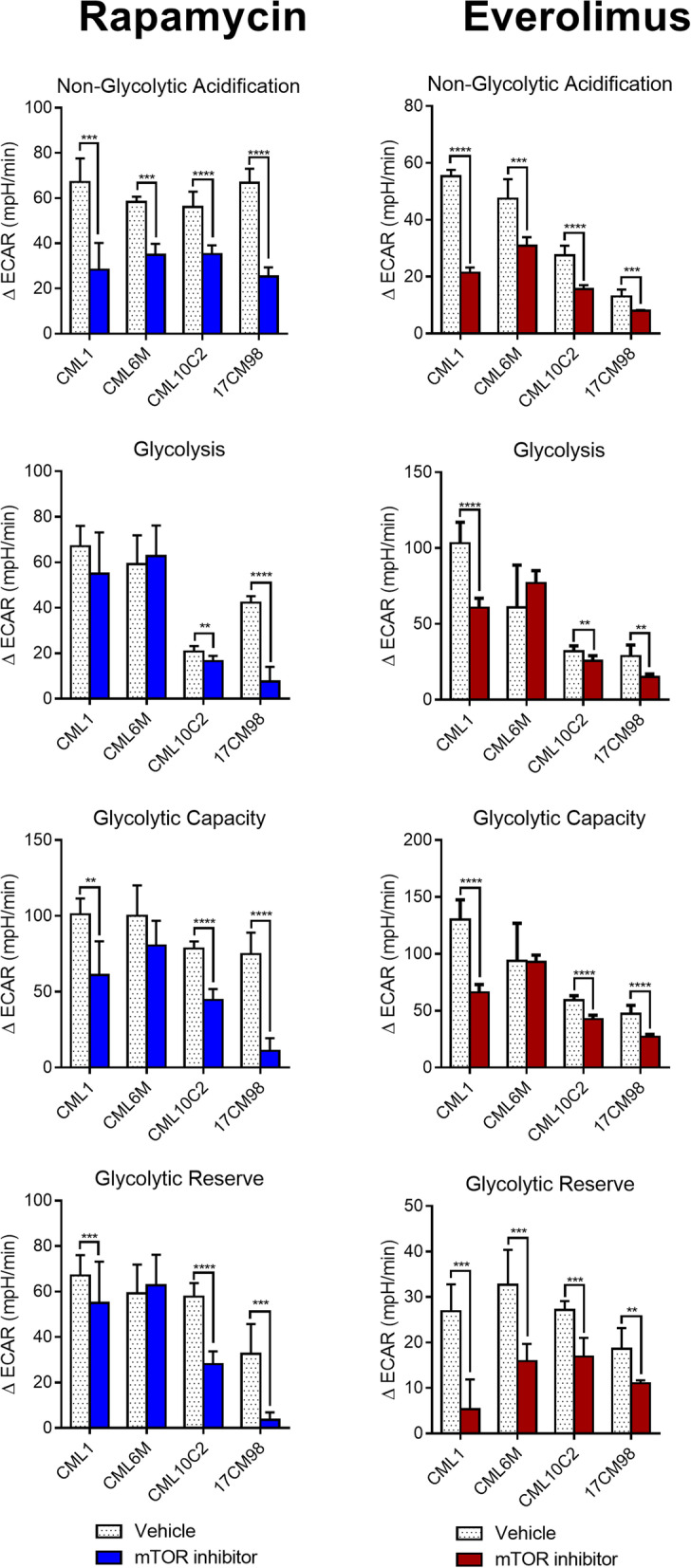
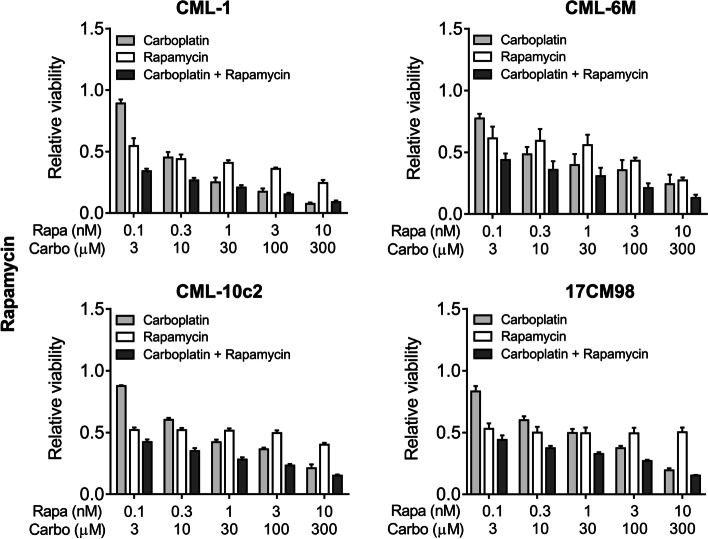
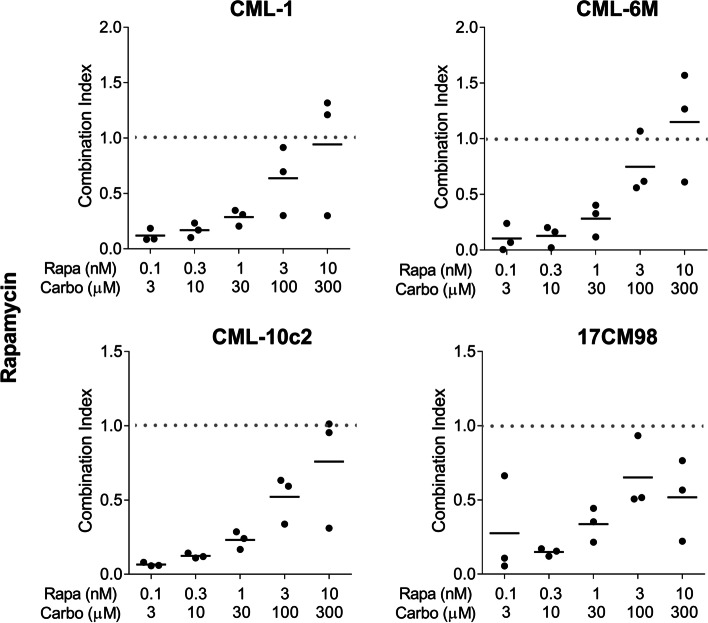
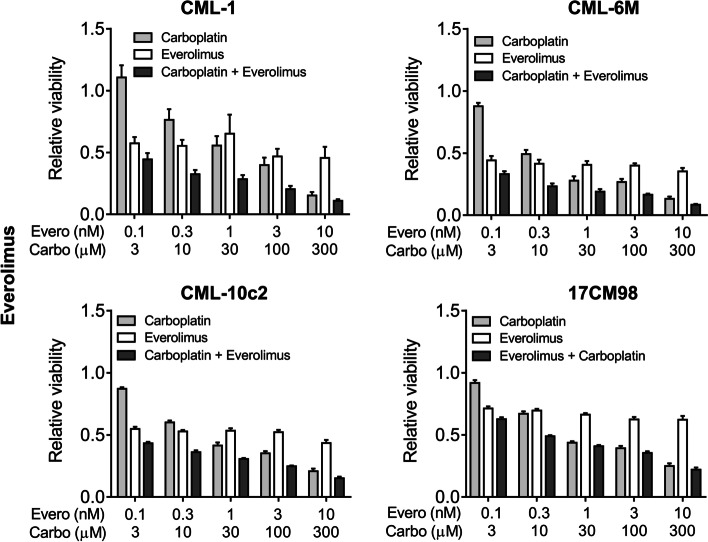
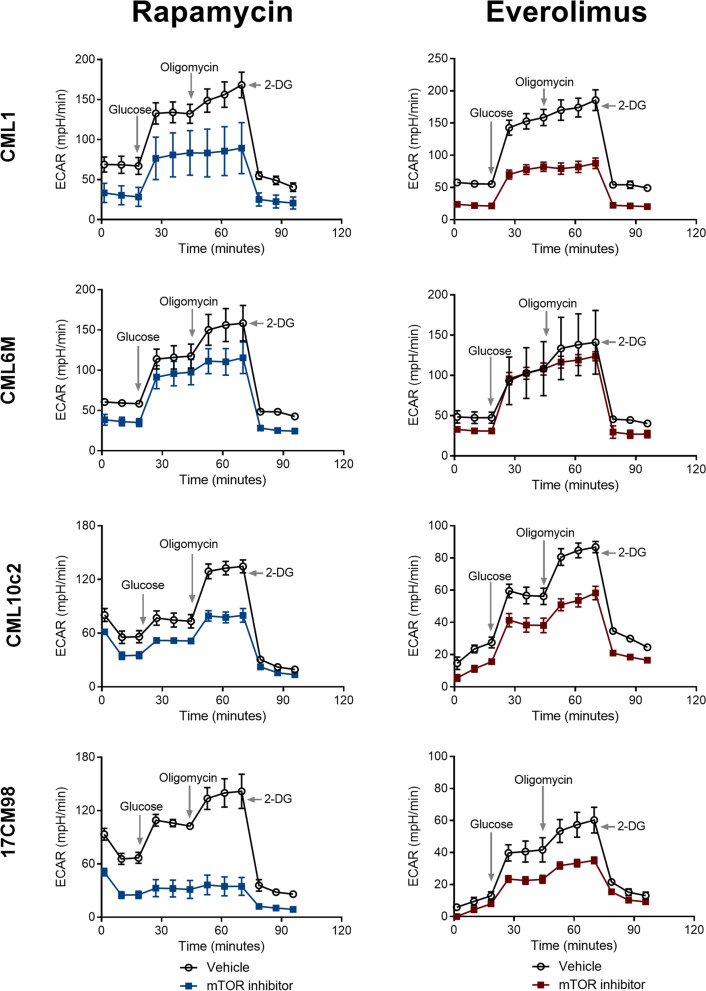
Malignant melanoma in dogs is considered to be largely resistant to conventional chemotherapy, although responses to carboplatin have been documented. Invasion and early metastasis are common features of certain melanoma subtypes that contribute to tumour progression despite aggressive local and systemic therapy. Upregulation of the PI3K/AKT/mTOR pathway has been observed in canine malignant melanoma and may represent a potential target for therapy. Rapamycin (sirolimus) and everolimus are commercially available small molecule inhibitors that target mTOR and therefore may have anticancer activity in canine melanoma. It was hypothesized that there is synergism between rapamycin or everolimus and platinum chemotherapy, and that combination drug treatment would inhibit target/downstream proteins involved in cell viability/proliferation and increase cell death in canine melanoma cells. It was further hypothesized that rapamycin or everolimus would impact metabolism by reducing glycolysis in these cells. Four canine melanoma cell lines were treated in vitro with rapamycin and everolimus as sole treatment or combined with carboplatin. Cell viability, apoptosis, target modulation, and glycolytic metabolism were evaluated by crystal violet colourimetric assay, Annexin V/PI flow cytometry, western blotting, and Seahorse bioanalyzer, respectively.
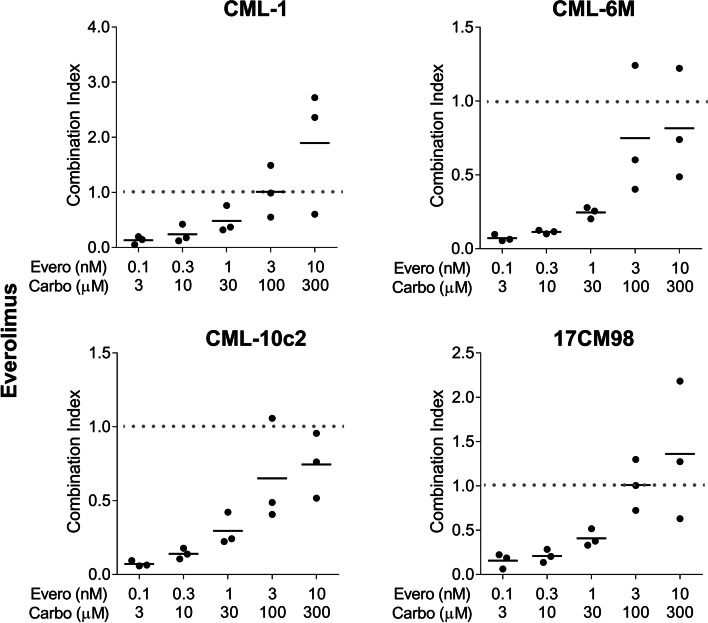
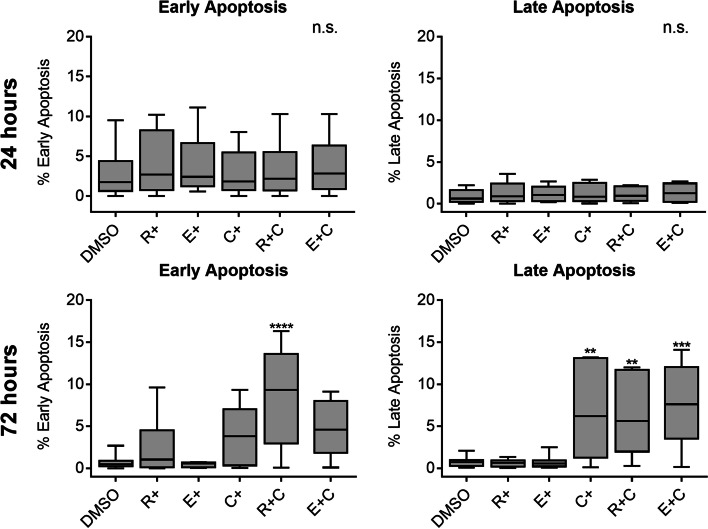
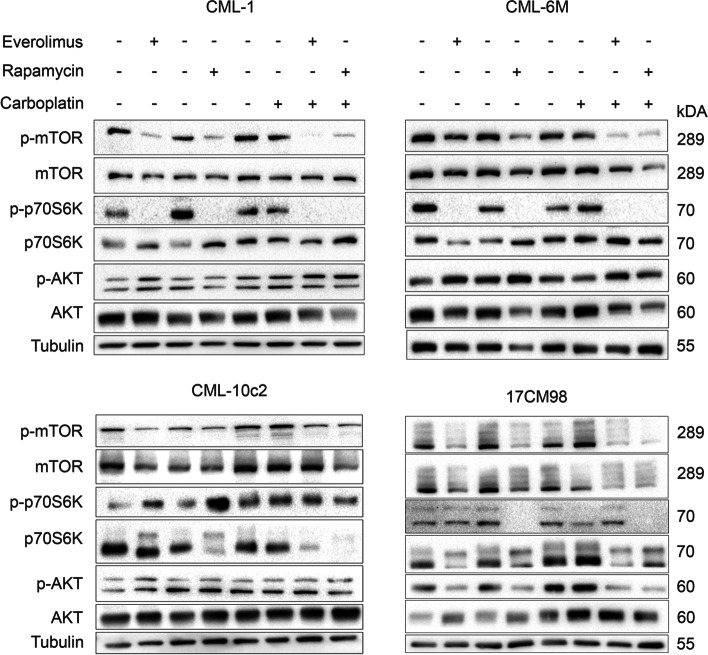
When combined with carboplatin chemotherapy, rapamycin or everolimus treatment was overall synergistic in reducing cell viability. Carboplatin-induced apoptosis was noted at 72 h after treatment compared to the vehicle control. Levels of phosphorylated mTOR were reduced by rapamycin and everolimus in all four cell lines, but activation of the downstream protein p70S6K was not consistently reduced by treatment in two of the cell lines. Both mTOR inhibitors decreased the extracellular acidification rate of canine melanoma cells, indicating reduced cancer cell glycolytic activity.
Inhibition of mTOR by rapalogs, such as rapamycin and everolimus combined with carboplatin chemotherapy may have activity in canine melanoma. Future mechanistic investigation is warranted, including in vivo assessment of this combination therapy.
犬恶性黑色素瘤被认为对常规化疗有很大的抵抗力,尽管已经有卡铂治疗的反应记录。某些黑色素瘤亚型的侵袭和早期转移是常见特征,尽管进行了积极的局部和全身治疗,但这些特征仍导致肿瘤进展。在犬恶性黑色素瘤中观察到 PI3K/AKT/mTOR 通路的上调,这可能代表治疗的潜在靶点。雷帕霉素(西罗莫司)和依维莫司是可商购的小分子抑制剂,可靶向 mTOR,因此在犬黑色素瘤中可能具有抗癌活性。研究假设雷帕霉素或依维莫司与铂类化疗药物之间存在协同作用,联合药物治疗会抑制参与细胞活力/增殖的靶/下游蛋白,并增加犬黑色素瘤细胞的细胞死亡。进一步假设雷帕霉素或依维莫司会通过降低这些细胞中的糖酵解来影响代谢。体外用雷帕霉素和依维莫司单独或联合卡铂处理四种犬黑色素瘤细胞系。通过结晶紫比色法、Annexin V/PI 流式细胞术、Western blot 分别评估细胞活力、细胞凋亡、靶标调节和糖酵解代谢。
与卡铂化疗联合使用时,雷帕霉素或依维莫司治疗总体上具有协同作用,可降低细胞活力。与载体对照组相比,在治疗后 72 小时观察到卡铂诱导的细胞凋亡。在所有四种细胞系中,雷帕霉素和依维莫司均降低了磷酸化 mTOR 的水平,但在两种细胞系中,药物处理并没有始终降低下游蛋白 p70S6K 的激活。两种 mTOR 抑制剂均降低了犬黑色素瘤细胞的细胞外酸化率,表明癌细胞糖酵解活性降低。
雷帕霉素等 mTOR 抑制剂(如雷帕霉素和依维莫司)与卡铂化疗联合使用可能对犬黑色素瘤有活性。需要进行进一步的机制研究,包括这种联合治疗的体内评估。