Department of Laboratory Medicine, Yonsei University College of Medicine, Seoul, Korea.
Ann Lab Med. 2022 May 1;42(3):306-313. doi: 10.3343/alm.2022.42.3.306.
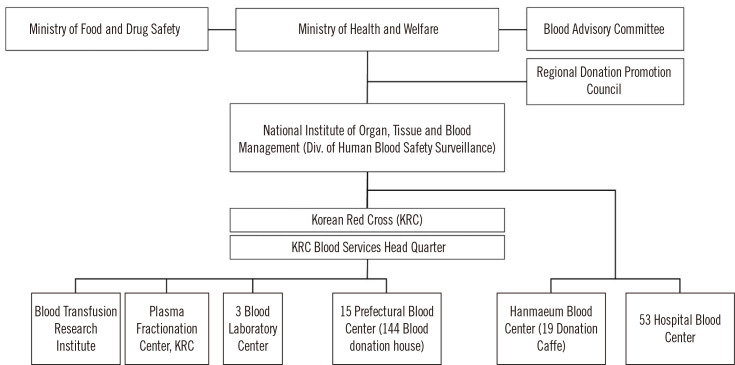
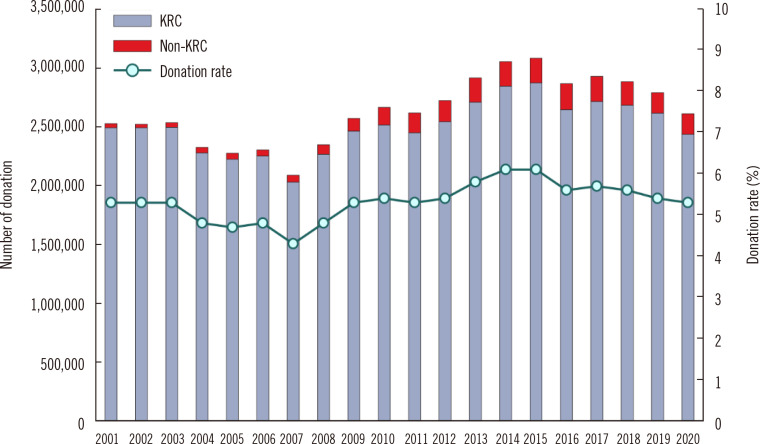
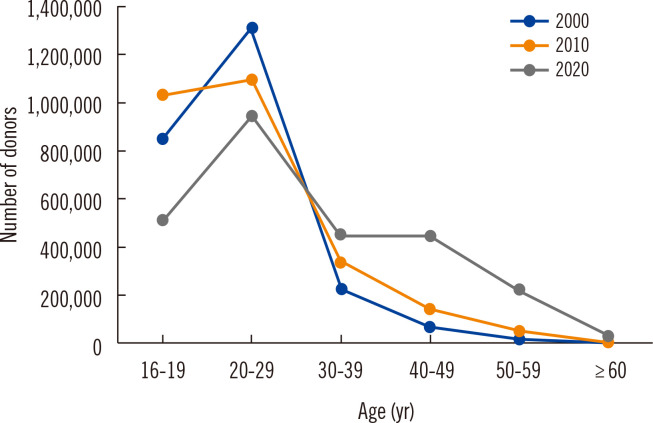
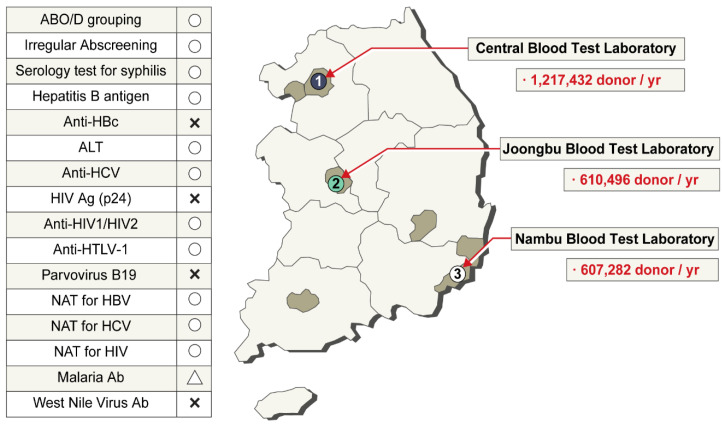
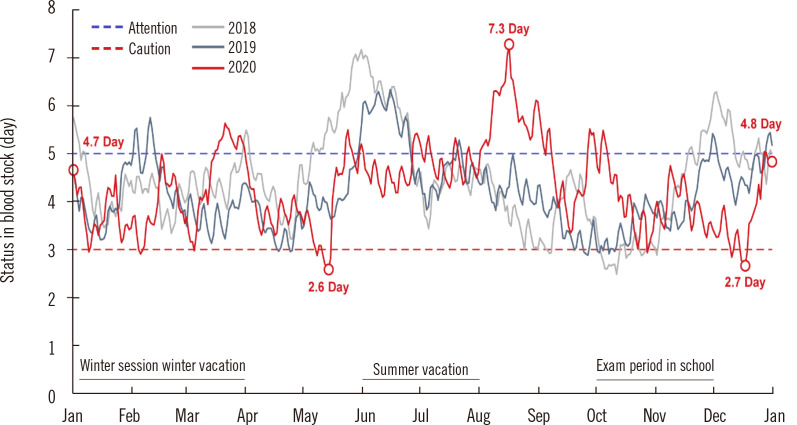
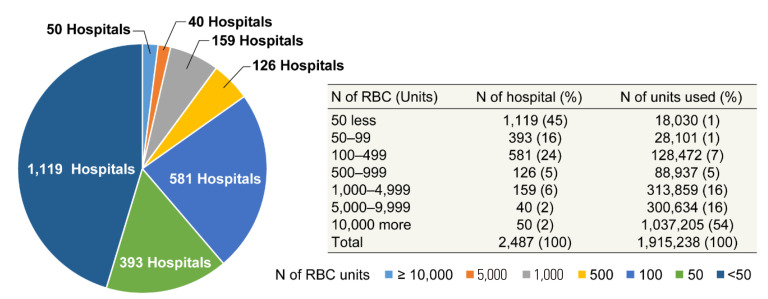
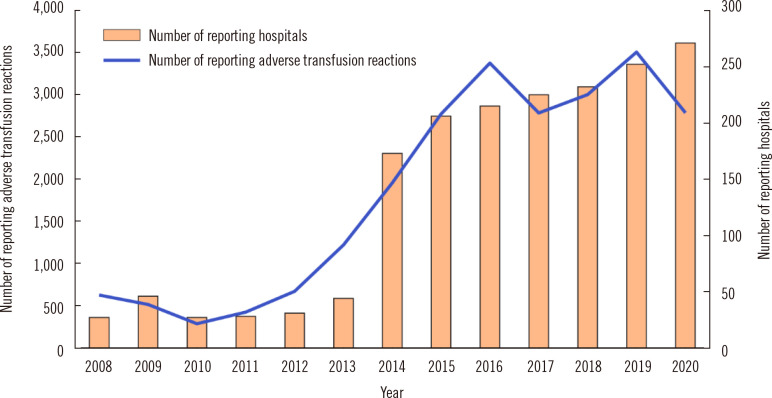
Blood is lifesaving; however, it can neither be limitlessly acquired nor artificially produced. The supply and use of blood, as an invaluable biological commodity, necessitate systematic and rational management under governmental guidance to ensure safe and reliable transfusions. Despite Korea's blood donation rate of 5.04%, which is higher than the 3.15% in high-income countries as reported by the WHO, the demand for blood exceeds the availability. This is due to the birthrate decline, dearth of young donors, and growing and aging recipient population. This review outlines the Korean blood management system, with a focus on blood service data from 2020, with the aim to delineate the current state of Korea's blood management system and the policies established to address the imminent blood shortage. Each policy is described in detail to provide helpful information for blood management services in other countries.
血液是拯救生命的,但它既不能无限获取,也不能人工制造。在政府的指导下,对血液这种宝贵的生物资源进行系统和合理的管理,以确保安全可靠的输血,这是必要的。尽管韩国的献血率为 5.04%,高于世卫组织报告的高收入国家的 3.15%,但血液的需求仍然超过了供应。这是由于出生率下降、年轻献血者短缺以及不断增长和老龄化的受血者群体所致。本综述概述了韩国的血液管理制度,重点介绍了 2020 年的血液服务数据,旨在描绘韩国血液管理制度的现状以及为应对即将出现的血液短缺而制定的政策。详细描述了每项政策,为其他国家的血液管理服务提供有益信息。