Xiao Shilang, Liu Xiaoming, Yuan Lingzhi, Wang Fen
Department of Gastroenterology, The Third Xiangya Hospital, Central South University, Changsha, China.
Hunan Key Laboratory of Non-resolving Inflammation and Cancer, Changsha, China.
Front Cell Dev Biol. 2021 Dec 2;9:736682. doi: 10.3389/fcell.2021.736682. eCollection 2021.
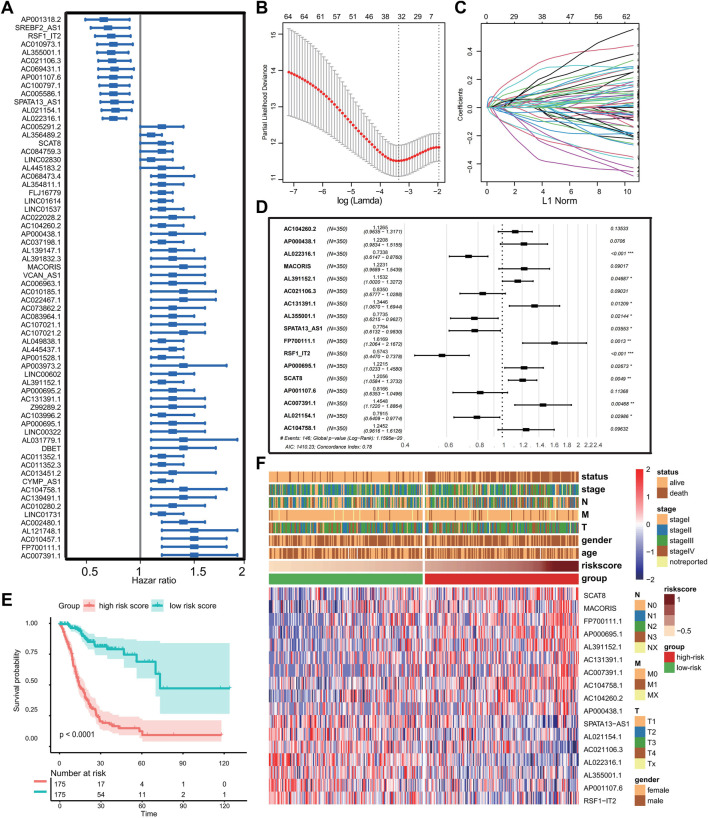
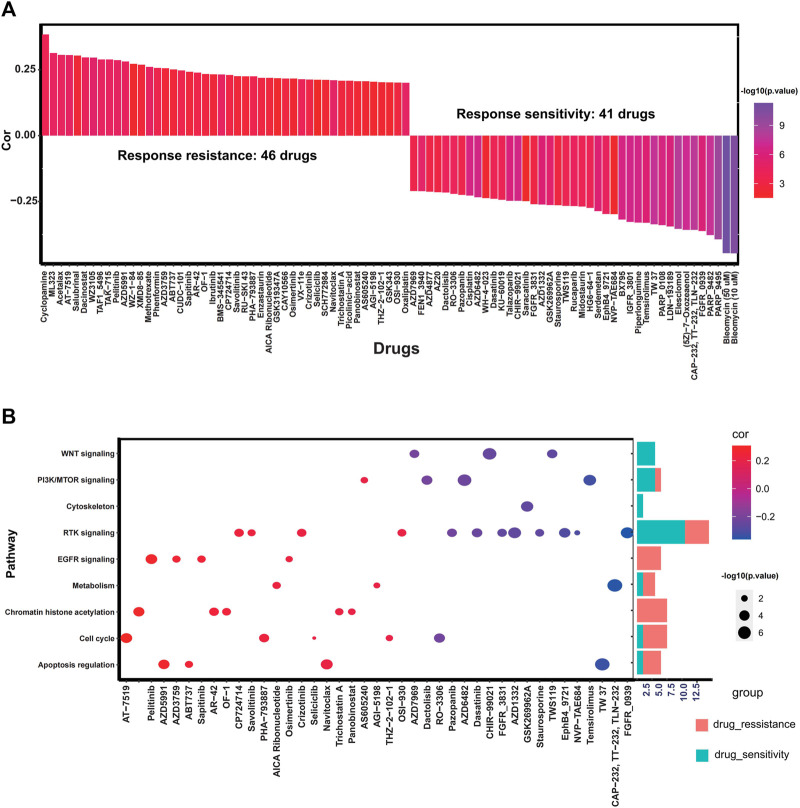
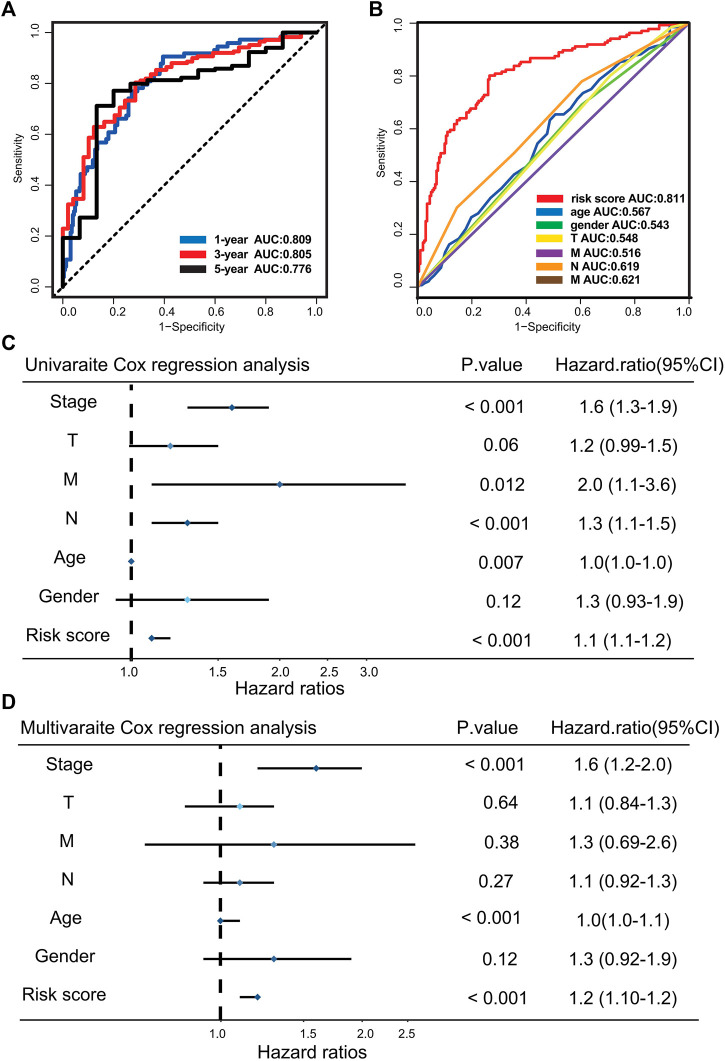
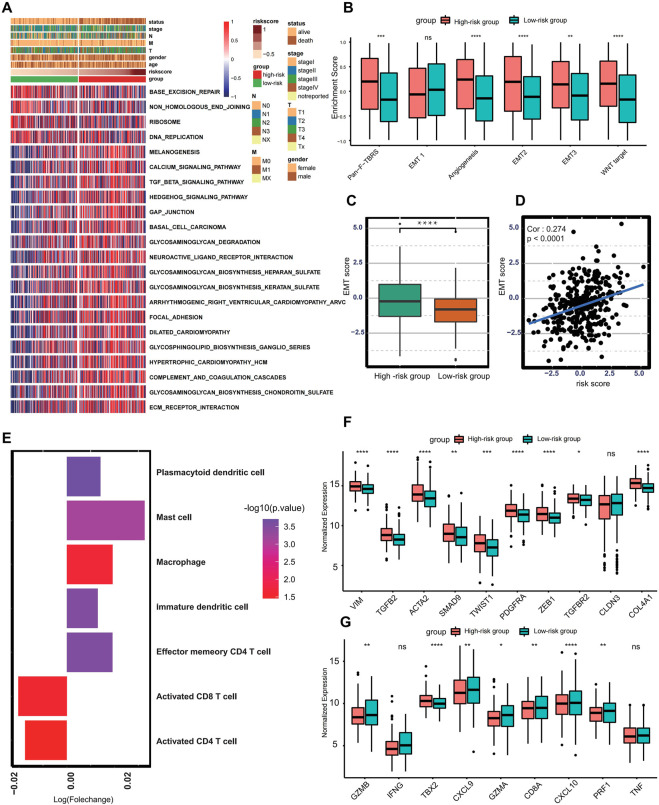
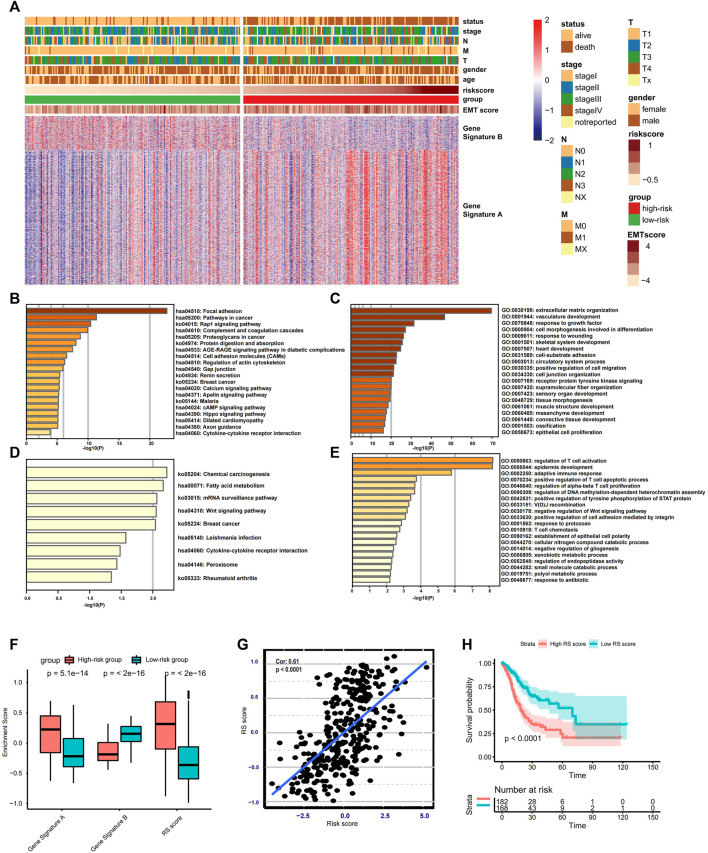
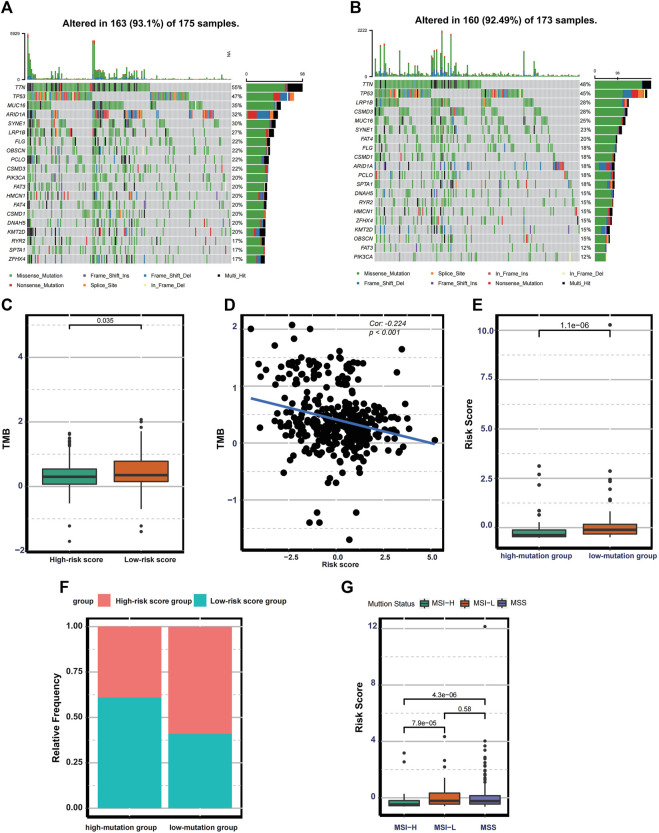
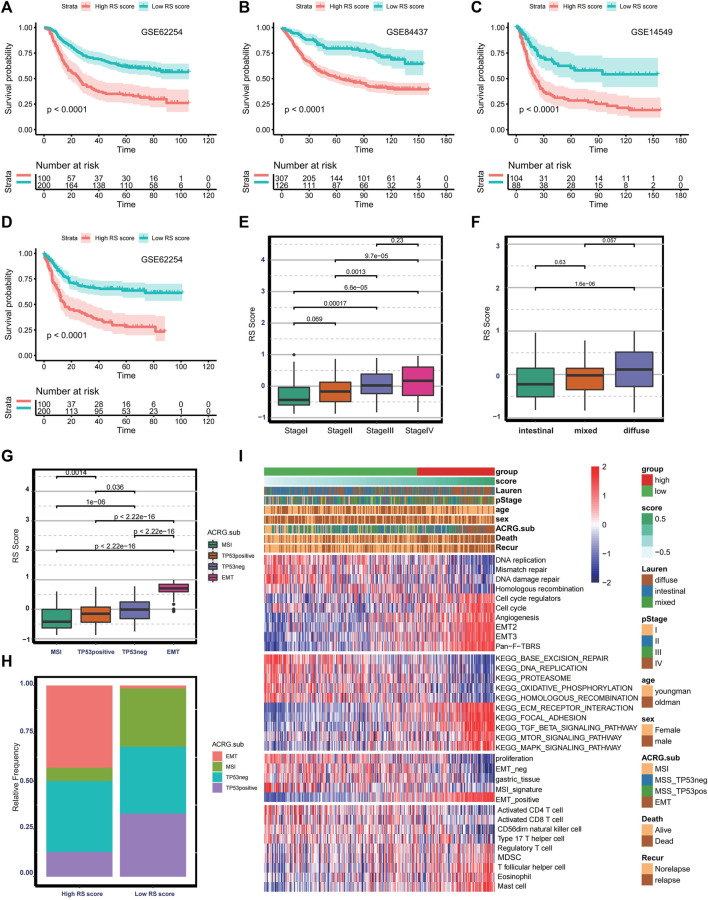
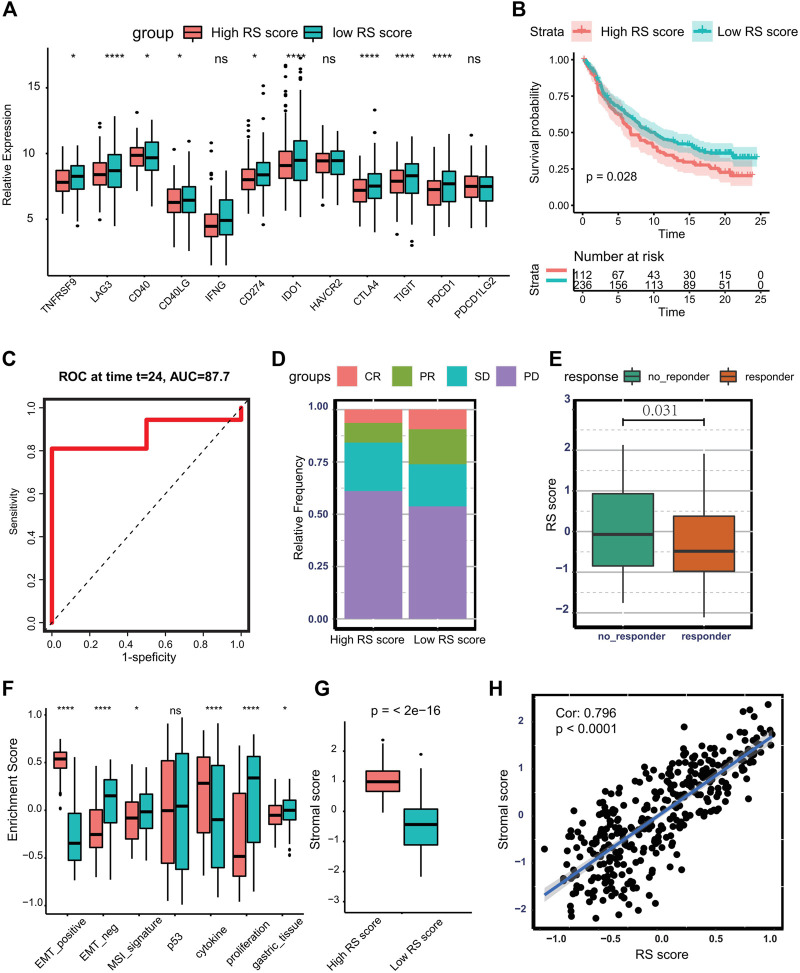
Accumulating literature demonstrates that long noncoding RNAs (lncRNAs) are involved in ferroptosis and gastric cancer progression. However, the predictive value of ferroptosis-related lncRNAs for prognosis and therapeutic response is yet to be elucidated in gastric cancer (GC). The transcriptomic data and corresponding clinical information of GC patients were obtained from the Gene Expression Omnibus (GEO) and The Cancer Genome Atlas (TCGA) database. The association between ferroptosis-related lncRNAs and ferroptosis regulators was analyzed by Spearman correlation analysis. Then, we established a risk predictive model based on the ferroptosis-related lncRNAs using multivariate Cox regression analysis. Furthermore, we performed correlation analysis for the risk score and characteristics of biological processes, immune landscape, stromal activity, genomic integrity, drug response, and immunotherapy efficacy. We constructed a 17-ferroptosis-related-lncRNA signature via multivariate Cox analysis to divide patients into two groups: low- and high-risk groups. The low-risk group was linked to prolonged overall survival and relapse-free survival. The risk score had good predictive ability to predict the prognosis of GC patients compared with other clinical biomarkers. We found that the high-risk group was associated with activation of carcinogenetic signaling pathways, including stromal activation, epithelial-mesenchymal-transition (EMT) activation, and immune escape through integrated bioinformatics analysis. In contrast, the low-risk group was associated with DNA replication, immune-flamed state, and genomic instability. Additionally, through Spearman correlation analysis, we found that patients in the high-risk group may respond well to drugs targeting cytoskeleton, WNT signaling, and PI3K/mTOR signaling, and drugs targeting chromatin histone acetylation, cell cycle, and apoptosis regulation could bring more benefits for the low-risk group. The high-risk group was associated with poor immunotherapy efficacy. Our study systematically evaluated the role of ferroptosis-related lncRNAs in t tumor microenvironment, therapeutic response, and prognosis of GC. Risk score-based stratification could reflect the characteristic of biological processes, immune landscape, stromal activity, genomic stability, and pharmaceutical profile in GC patients. The ferroptosis-related lncRNA signature could serve as a reliable biomarker to predict prognosis and therapeutic response of patients with GC.
越来越多的文献表明,长链非编码RNA(lncRNAs)参与铁死亡和胃癌进展。然而,铁死亡相关lncRNAs对胃癌(GC)预后和治疗反应的预测价值尚待阐明。从基因表达综合数据库(GEO)和癌症基因组图谱(TCGA)数据库中获取了GC患者的转录组数据及相应临床信息。通过Spearman相关性分析,分析了铁死亡相关lncRNAs与铁死亡调节因子之间的关联。然后,我们使用多变量Cox回归分析,基于铁死亡相关lncRNAs建立了一个风险预测模型。此外,我们对风险评分与生物学过程特征、免疫格局、基质活性、基因组完整性、药物反应及免疫治疗疗效进行了相关性分析。通过多变量Cox分析构建了一个由17个铁死亡相关lncRNAs组成的特征图谱,将患者分为两组:低风险组和高风险组。低风险组与更长的总生存期和无复发生存期相关。与其他临床生物标志物相比,风险评分对预测GC患者的预后具有良好的预测能力。通过综合生物信息学分析,我们发现高风险组与致癌信号通路的激活有关,包括基质激活、上皮-间质转化(EMT)激活以及免疫逃逸。相比之下,低风险组与DNA复制、免疫炎症状态和基因组不稳定有关。此外,通过Spearman相关性分析我们发现,高风险组患者可能对靶向细胞骨架、WNT信号和PI3K/mTOR信号的药物反应良好,而靶向染色质组蛋白乙酰化、细胞周期和凋亡调节的药物可能给低风险组带来更多益处。高风险组与较差的免疫治疗疗效相关。我们的研究系统地评估了铁死亡相关lncRNAs在GC肿瘤微环境、治疗反应和预后中的作用。基于风险评分的分层可以反映GC患者生物学过程、免疫格局、基质活性、基因组稳定性和药物特征。铁死亡相关lncRNA特征图谱可作为预测GC患者预后和治疗反应的可靠生物标志物。