Falcone Richard A, Simmons Jeffrey, Carver Amanda M, Mullett Brooke, Kotagal Meera, Lin Erica, Muething Stephen, von Allmen Daniel
Surgical Services, Cincinnati Children's Hospital Medical Center, Cincinnati, Ohio.
The Anderson Center, Cincinnati Children's Hospital Medical Center, Cincinnati, Ohio.
Pediatr Qual Saf. 2021 Dec 15;6(6):e495. doi: 10.1097/pq9.0000000000000495. eCollection 2021 Nov-Dec.
The perioperative environment is one of the most complex areas within a hospital with significant safety risks. Despite a long history of safety-focused work, a recent cluster of patient safety events prompted a renewed comprehensive approach to improve safety processes and transform culture.
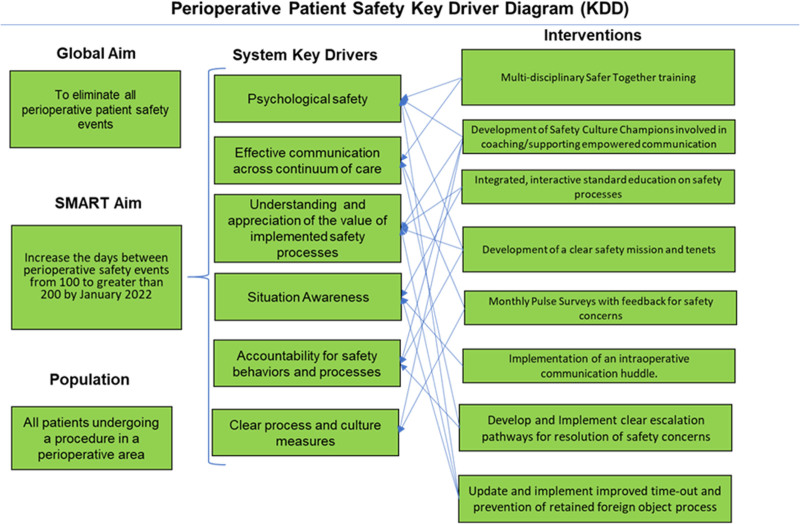
Our team comprehensively approached perioperative safety through integration across traditional silos and a focus on institutional safety culture. This approach consisted of a careful review of all events, developing Perioperative Safety Coordinating and Education teams, testing and implementing new/revised safety processes, and an ongoing evaluation plan.
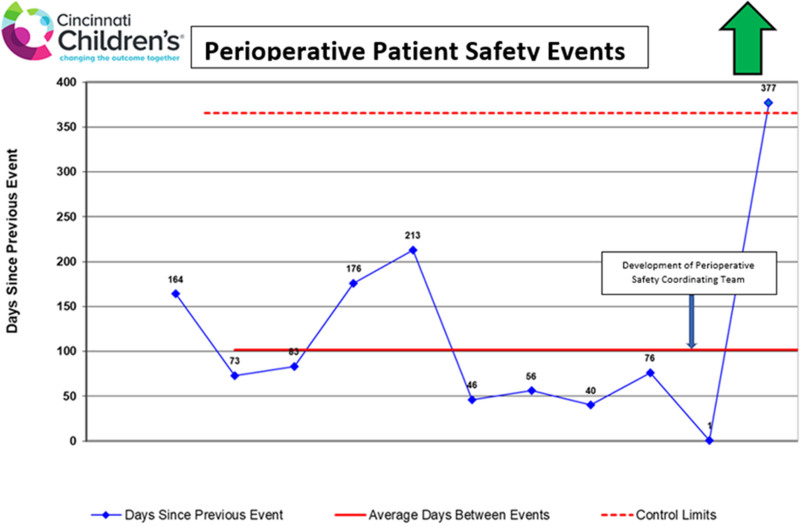
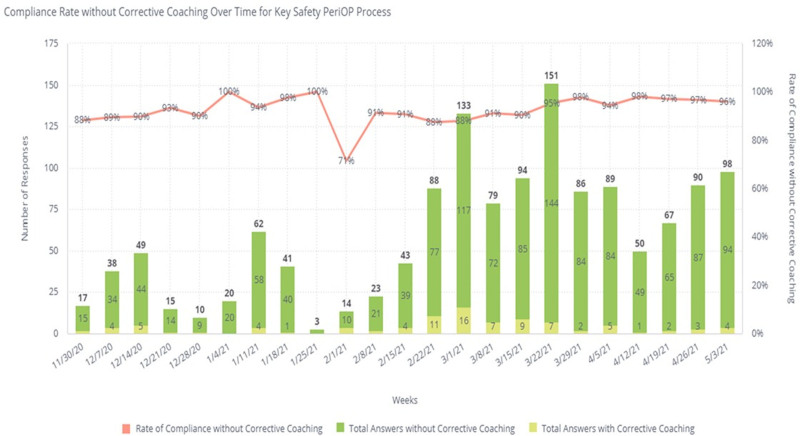
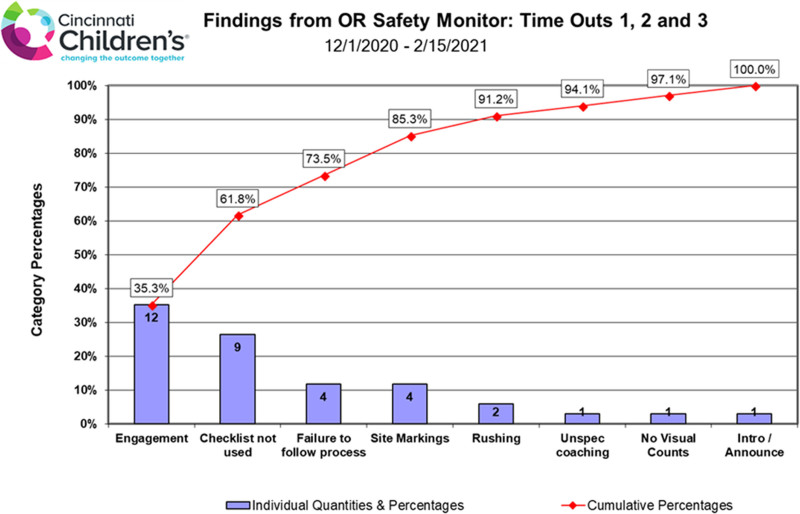
Updates to our Perioperative Safety Mission and Tenets and the development of an empowered Safety Culture Champion team composed of a diverse group of frontline team members addressed our safety culture. In addition, key safety processes (time-outs, intraoperative huddles, and prevention of retained foreign bodies) were revised and implemented. Observation of key safety processes demonstrates a 90% compliance, which includes all steps and team engagement. After implementation, a span of 377 days between events was accomplished, which is significantly higher than the 33 days between events during our cluster.
This work builds upon prior incremental improvements through a comprehensive investment in not only improving key processes but transforming the safety culture. Acceptable deviance from the standard process is no longer the norm. Instead, an approach that emphasizes understanding, integration, engagement, and accountability for safety by each team member for every patient, every time, every day, has been implemented.
围手术期环境是医院内最复杂的区域之一,存在重大安全风险。尽管长期以来一直致力于安全工作,但最近一系列患者安全事件促使采取新的全面方法来改进安全流程并转变文化。
我们的团队通过跨越传统部门进行整合并关注机构安全文化,全面处理围手术期安全问题。该方法包括仔细审查所有事件、组建围手术期安全协调与教育团队、测试和实施新的/修订后的安全流程以及持续的评估计划。
更新我们的围手术期安全使命和原则,并组建由不同一线团队成员组成的有权力的安全文化倡导团队,解决了我们的安全文化问题。此外,关键安全流程(手术暂停、术中碰头会以及预防异物残留)得到修订并实施。对关键安全流程的观察显示合规率达到90%,包括所有步骤和团队参与情况。实施后,事件间隔达到377天,显著高于我们事件群期间的33天。
这项工作在之前渐进式改进的基础上,不仅对关键流程进行了全面投资,还对安全文化进行了转变。不再以偏离标准流程的可接受偏差为常态。相反,实施了一种强调每个团队成员在每次、每天、为每位患者的安全理解、整合、参与和问责的方法。