Chakrabarti Jayati, Koh Vivien, Steele Nina, Hawkins Jennifer, Ito Yoshiaki, Merchant Juanita L, Wang Jiang, Helmrath Michael A, Ahmad Syed A, So Jimmy Bok Yan, Yong Wei Peng, Zavros Yana
Department of Cellular and Molecular Medicine, College of Medicine, University of Arizona, 1501 N Campbell Avenue, Tucson, AZ 85719, USA.
National University Cancer Institute Singapore, National University Health System, Singapore 119228, Singapore.
Cancers (Basel). 2021 Dec 7;13(24):6158. doi: 10.3390/cancers13246158.
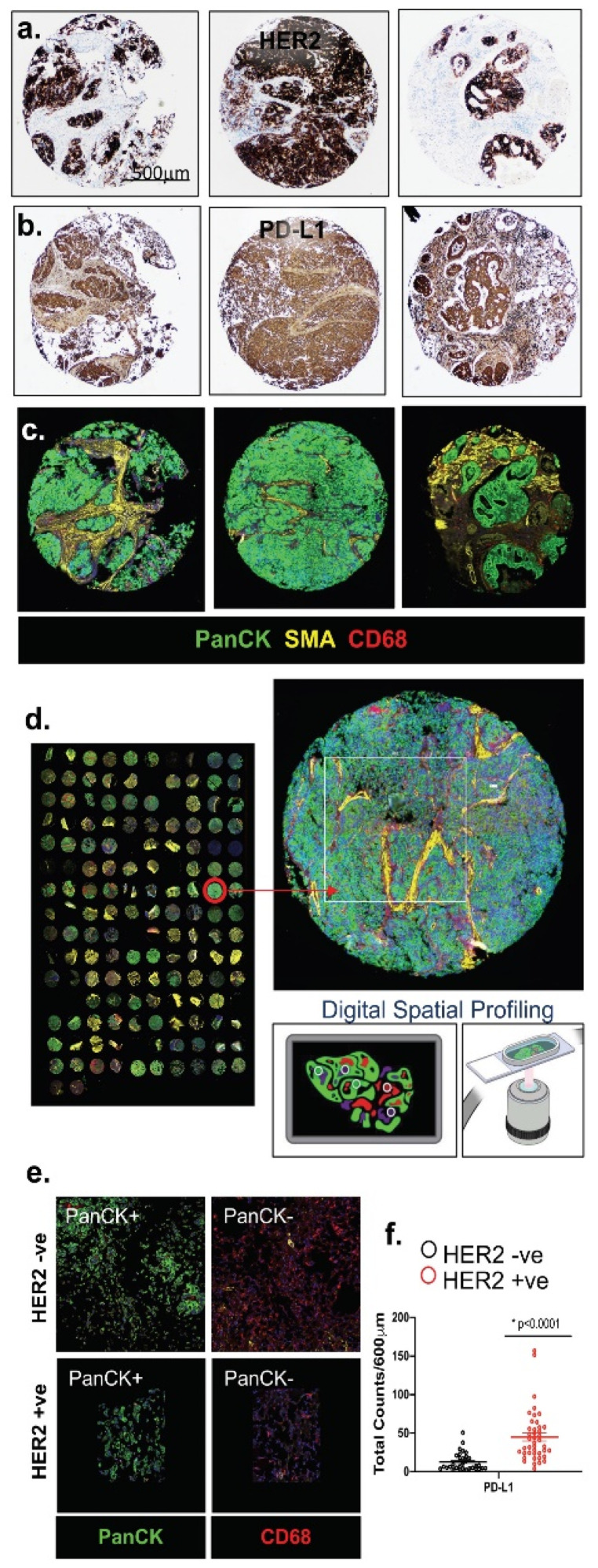
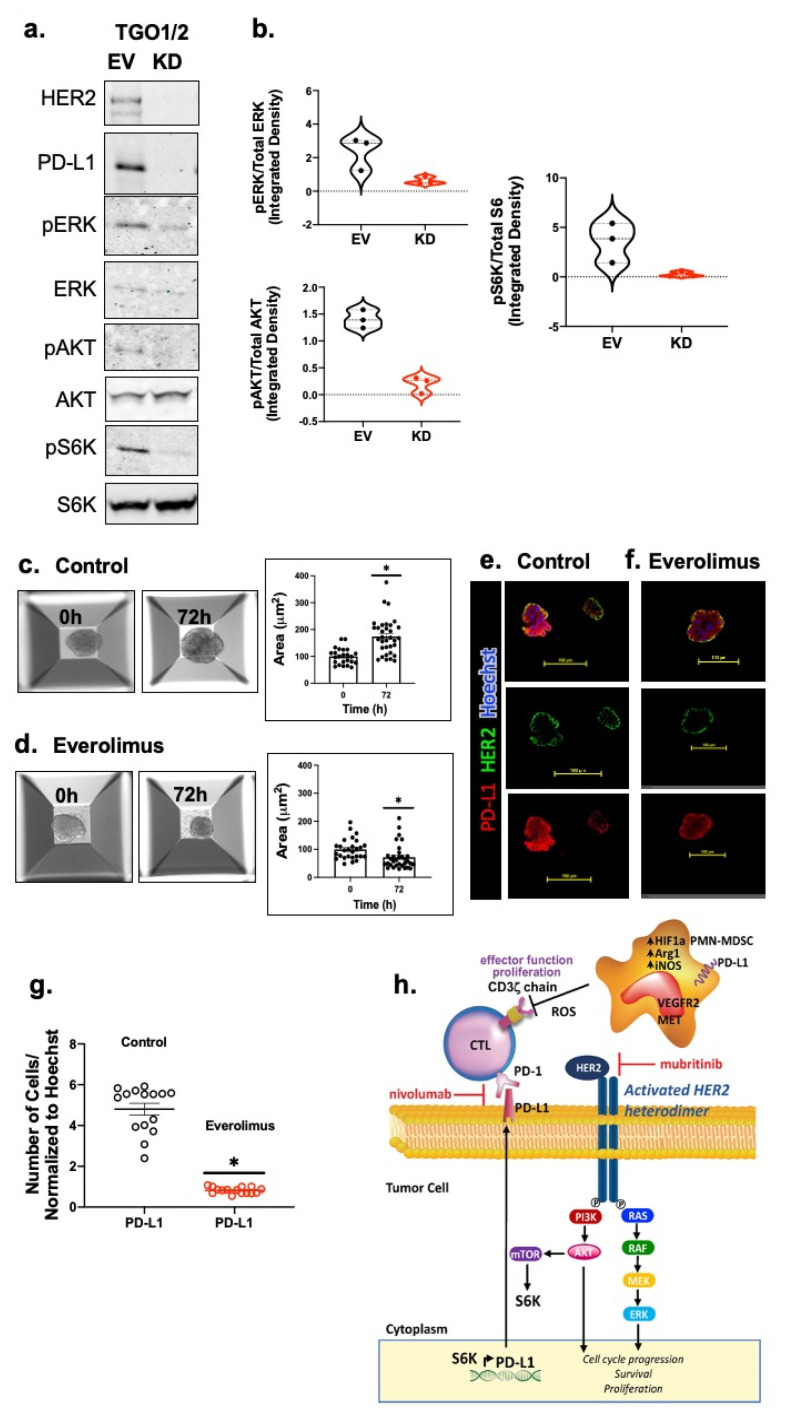
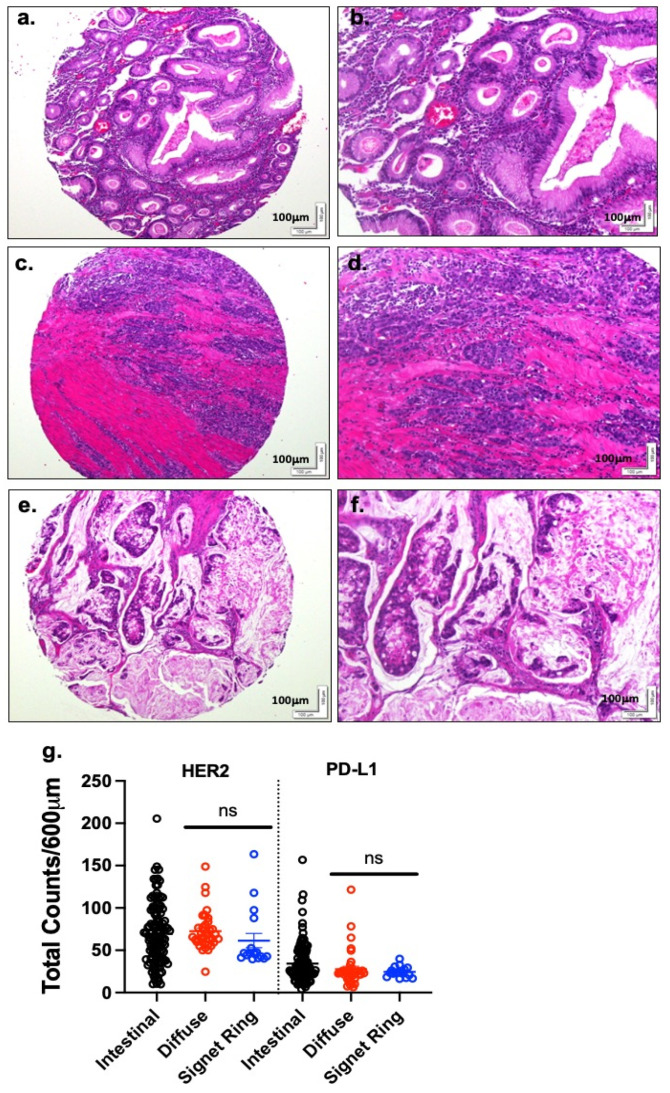
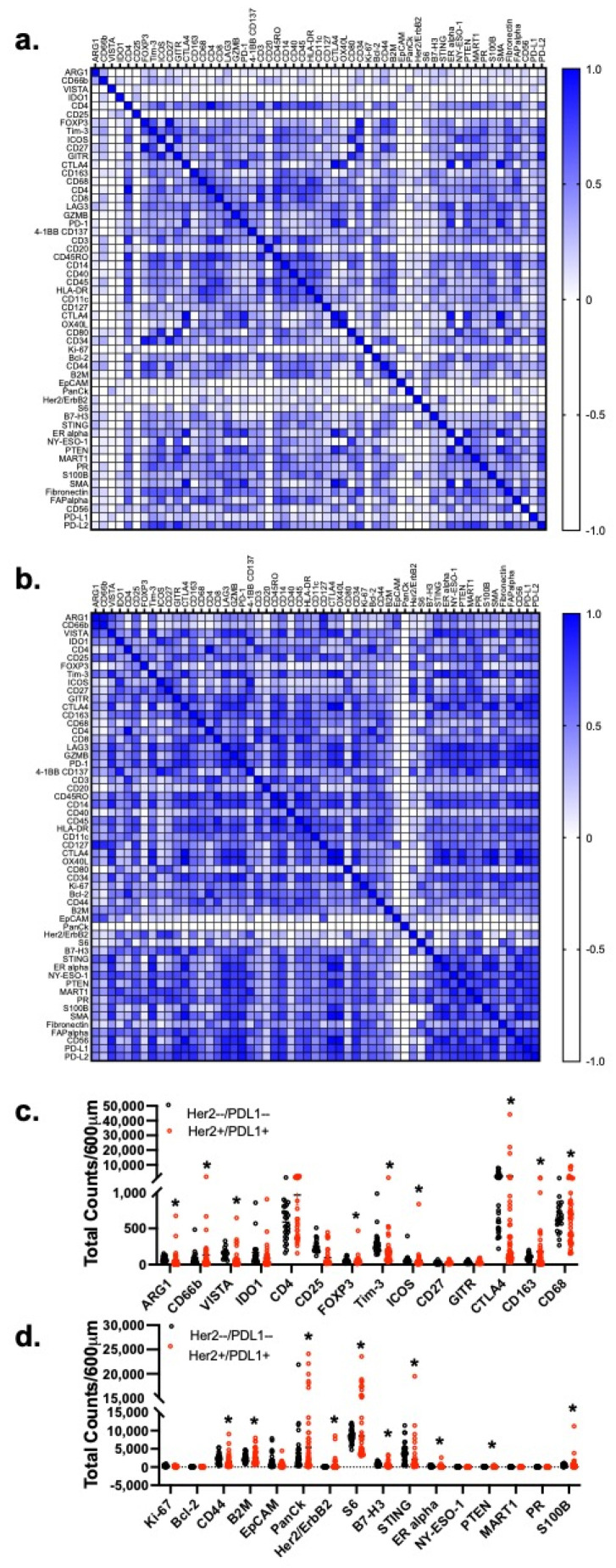
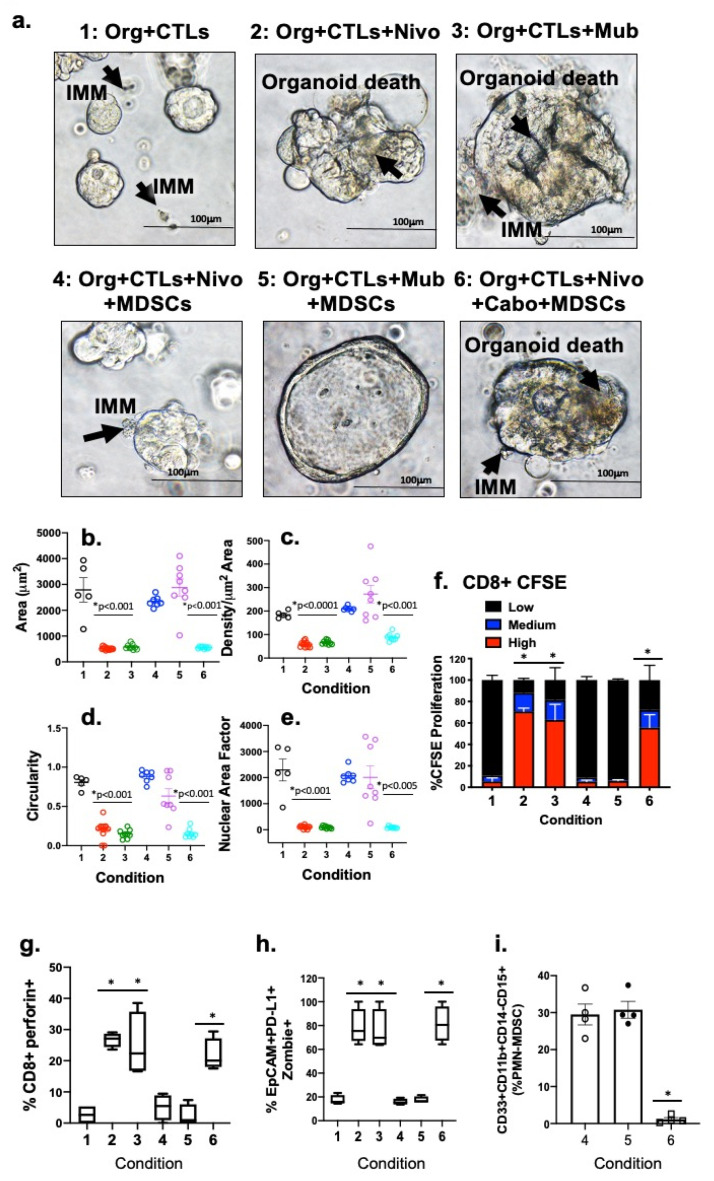
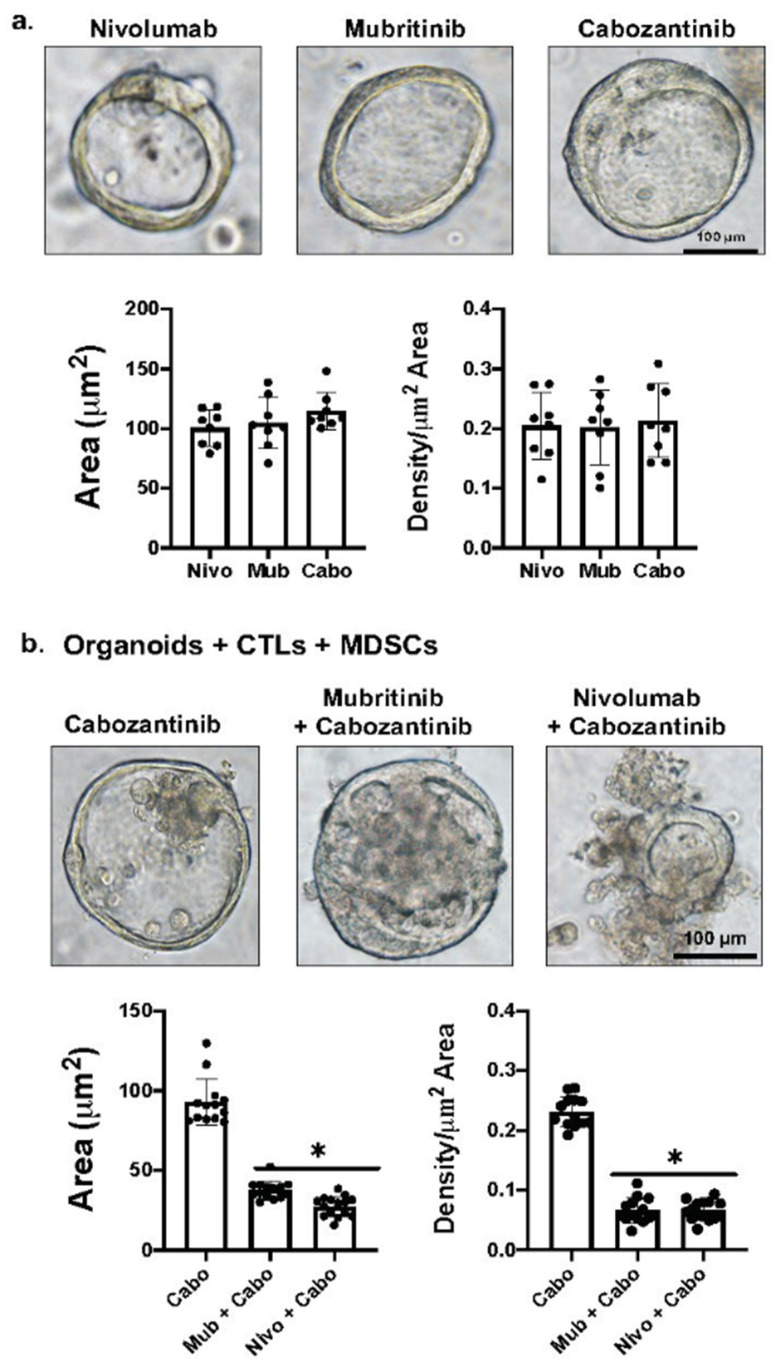
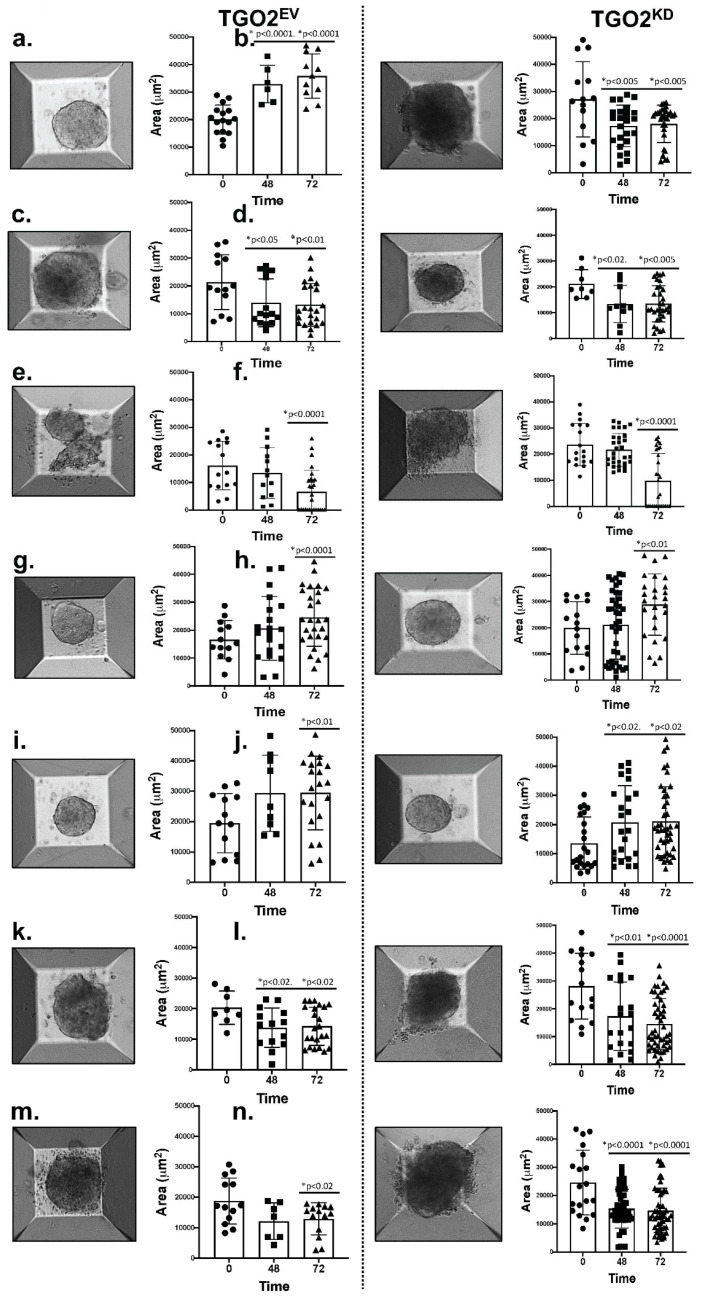
(1) Background: The expression of programmed death-ligand 1 (PD-L1), which interacts with programmed cell death protein 1 (PD-1) on cytotoxic T lymphocytes (CTLs), enables tumors to escape immunosurveillance. The PD-1/PD-L1 interaction results in the inhibition of CTL proliferation, and effector function, thus promoting tumor cell evasion from immunosurveillance and cancer persistence. Despite 40% of gastric cancer patients exhibiting PD-L1 expression, only a small subset of patients responds to immunotherapy. Human epidermal growth factor receptor2 (HER2) is one of the critical regulators of several solid tumors, including metastatic gastric cancer. Although half of PD-L1-positive gastric tumors co-express HER2, crosstalk between HER2 and PD-1/PD-L1 in gastric cancer remains undetermined. (2) Methods: Human gastric cancer organoids (huTGOs) were generated from biopsied or resected tissues and co-cultured with CTLs and myeloid-derived suppressor cells (MDSCs). Digital Spatial Profiling (DSP) was performed on FFPE tissue microarrays of numerous gastric cancer patients to examine the protein expression of immune markers. (3) Results: Knockdown of HER2 in PD-L1/HER2-positive huTGOs led to a concomitant decrease in PD-L1 expression. Similarly, in huTGOs/immune cell co-cultures, PD-L1 expression decreased in huTGOs and was correlated with an increase in CTL proliferation which enhanced huTGO death. Treatment with Nivolumab exhibited similar effects. However, a combinatorial treatment with Mubritinib and Nivolumab was unable to inhibit HER2 expression in co-cultures containing MDSCs. (4) Conclusions: Our study suggested that co-expression of HER2 and PD-L1 may contribute to tumor cell immune evasion. In addition, autologous organoid/immune cell co-cultures can be exploited to effectively screen responses to a combination of anti-HER2 and immunotherapy to tailor treatment for gastric cancer patients.
(1) 背景:程序性死亡配体1(PD-L1)与细胞毒性T淋巴细胞(CTL)上的程序性细胞死亡蛋白1(PD-1)相互作用,其表达使肿瘤能够逃避免疫监视。PD-1/PD-L1相互作用导致CTL增殖和效应功能受到抑制,从而促进肿瘤细胞逃避免疫监视并使癌症持续存在。尽管40%的胃癌患者表现出PD-L1表达,但只有一小部分患者对免疫疗法有反应。人表皮生长因子受体2(HER2)是包括转移性胃癌在内的几种实体瘤的关键调节因子之一。虽然一半的PD-L1阳性胃肿瘤共表达HER2,但HER2与胃癌中PD-1/PD-L1之间的相互作用仍未确定。(2) 方法:从活检或切除的组织中生成人胃癌类器官(huTGOs),并与CTL和髓源性抑制细胞(MDSCs)共培养。对众多胃癌患者的福尔马林固定石蜡包埋(FFPE)组织微阵列进行数字空间分析(DSP),以检测免疫标志物的蛋白表达。(3) 结果:在PD-L1/HER2阳性的huTGOs中敲低HER2导致PD-L1表达随之降低。同样,在huTGOs/免疫细胞共培养中,huTGOs中的PD-L1表达降低,并且与CTL增殖增加相关,这增强了huTGOs的死亡。用纳武单抗治疗表现出类似的效果。然而,在含有MDSCs的共培养物中,用穆布替尼和纳武单抗联合治疗无法抑制HER2表达。(4) 结论:我们的研究表明,HER2和PD-L1的共表达可能有助于肿瘤细胞免疫逃逸。此外,自体类器官/免疫细胞共培养可用于有效筛选对HER2抗体和免疫疗法联合治疗的反应,为胃癌患者量身定制治疗方案。