D'Aloia Alessia, Arrigoni Edoardo, Costa Barbara, Berruti Giovanna, Martegani Enzo, Sacco Elena, Ceriani Michela
Department of Biotechnology and Biosciences, University of Milano-Bicocca, Piazza della Scienza 2, 20126 Milan, Italy.
Department of Biosciences, University of Milan, Via Celoria 26, 20133 Milan, Italy.
Cancers (Basel). 2021 Dec 16;13(24):6330. doi: 10.3390/cancers13246330.
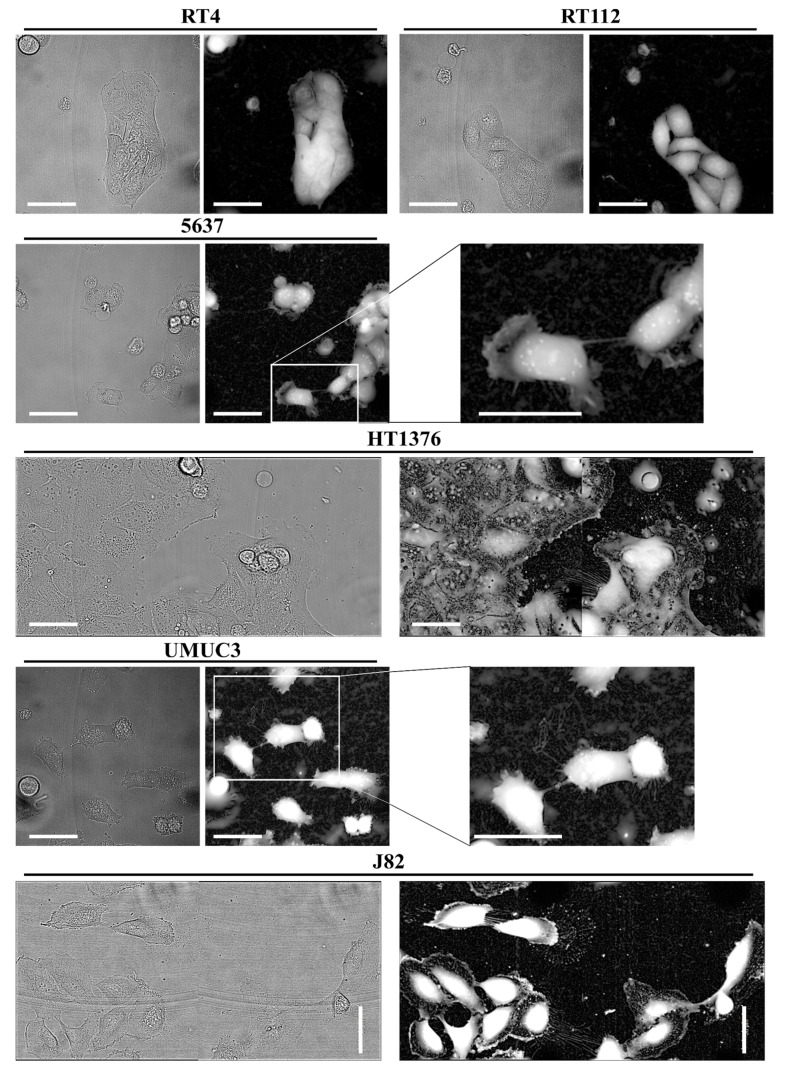
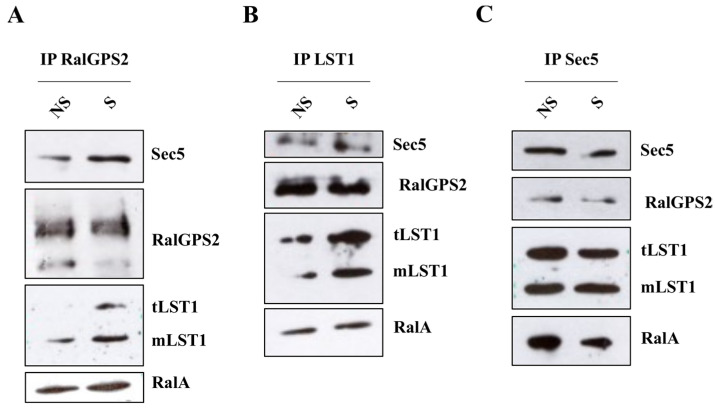
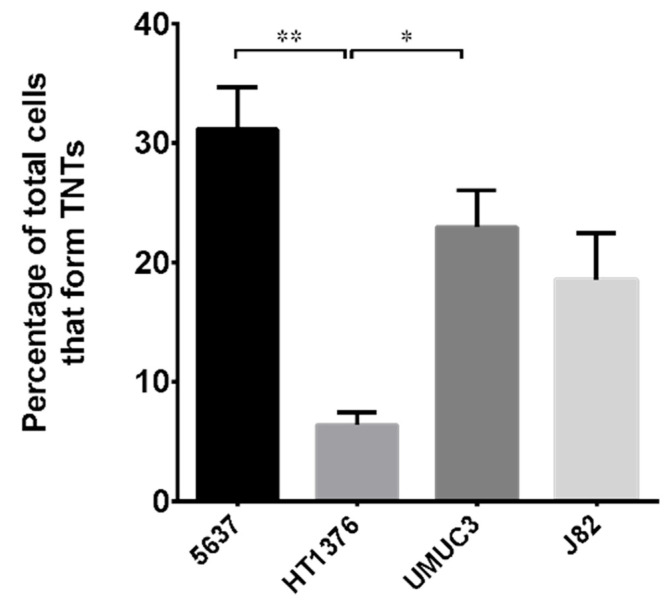
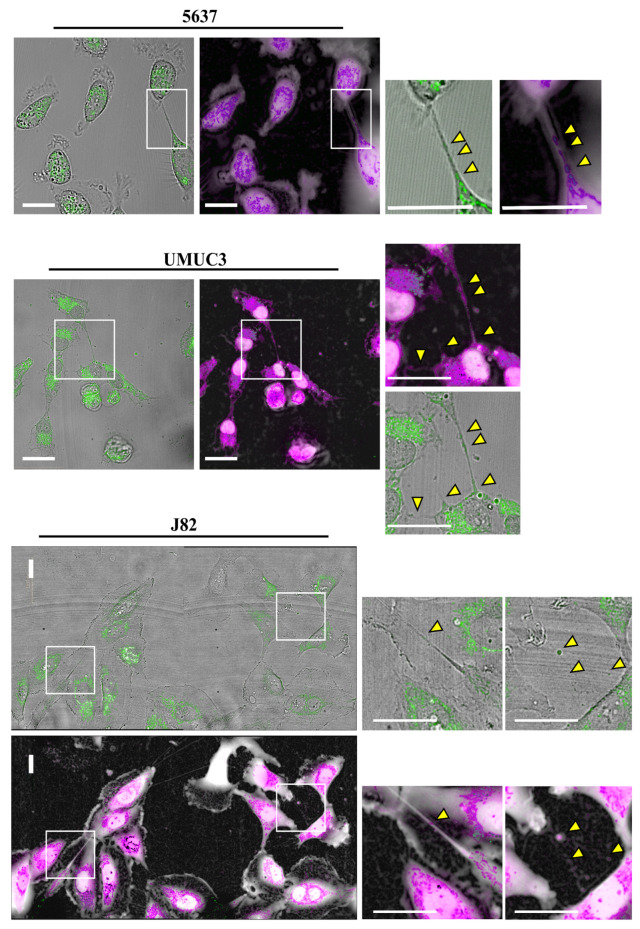
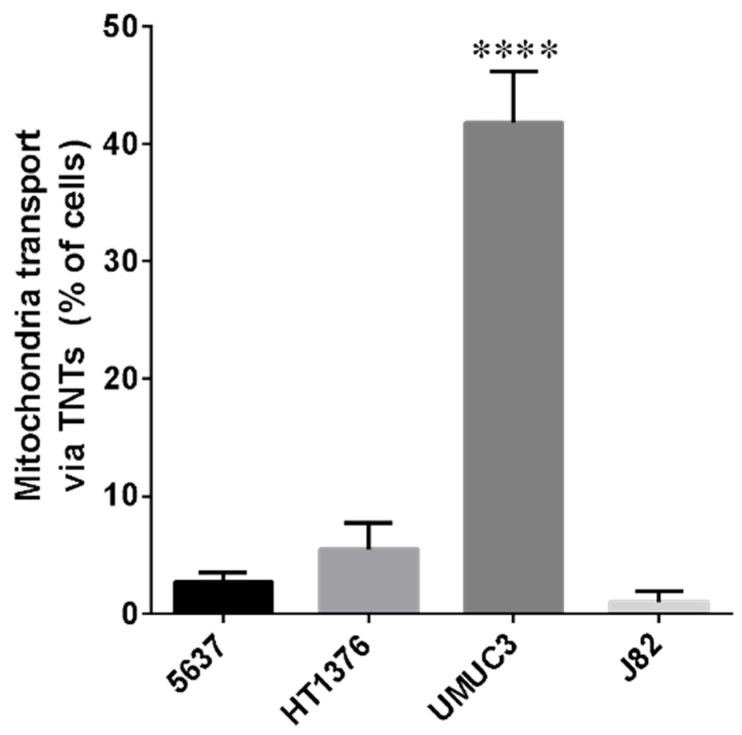
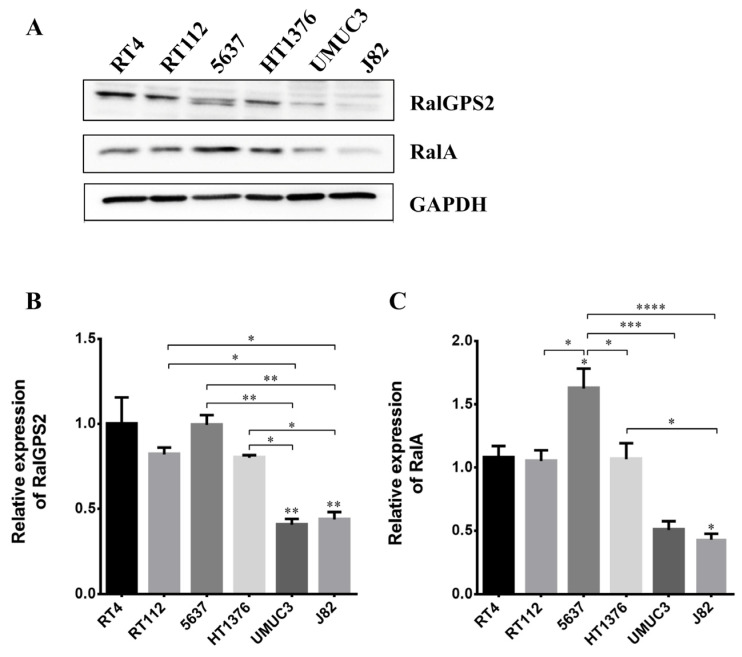
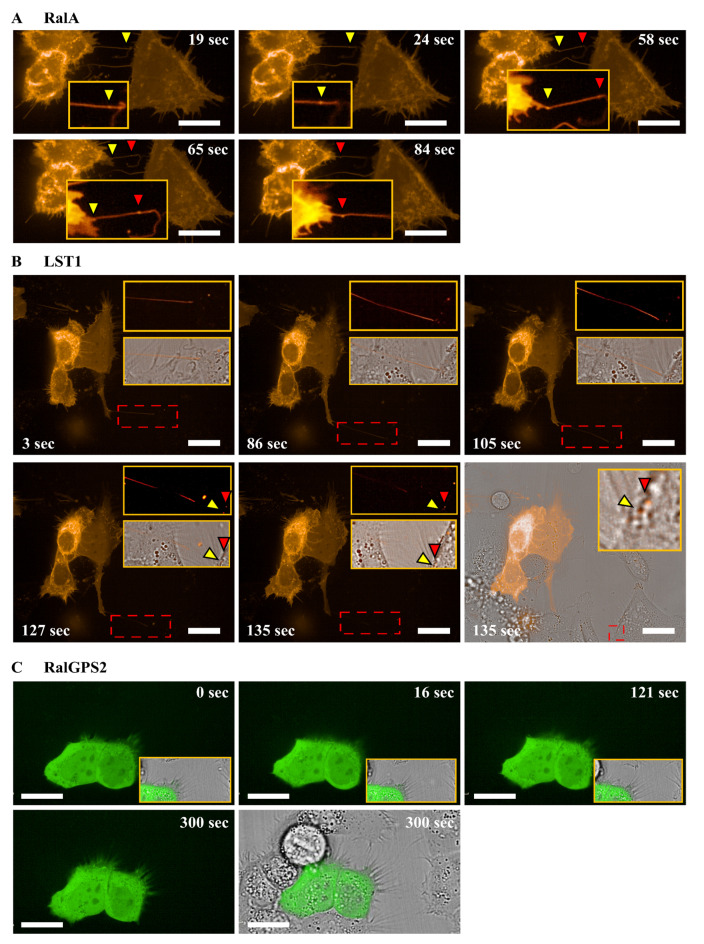
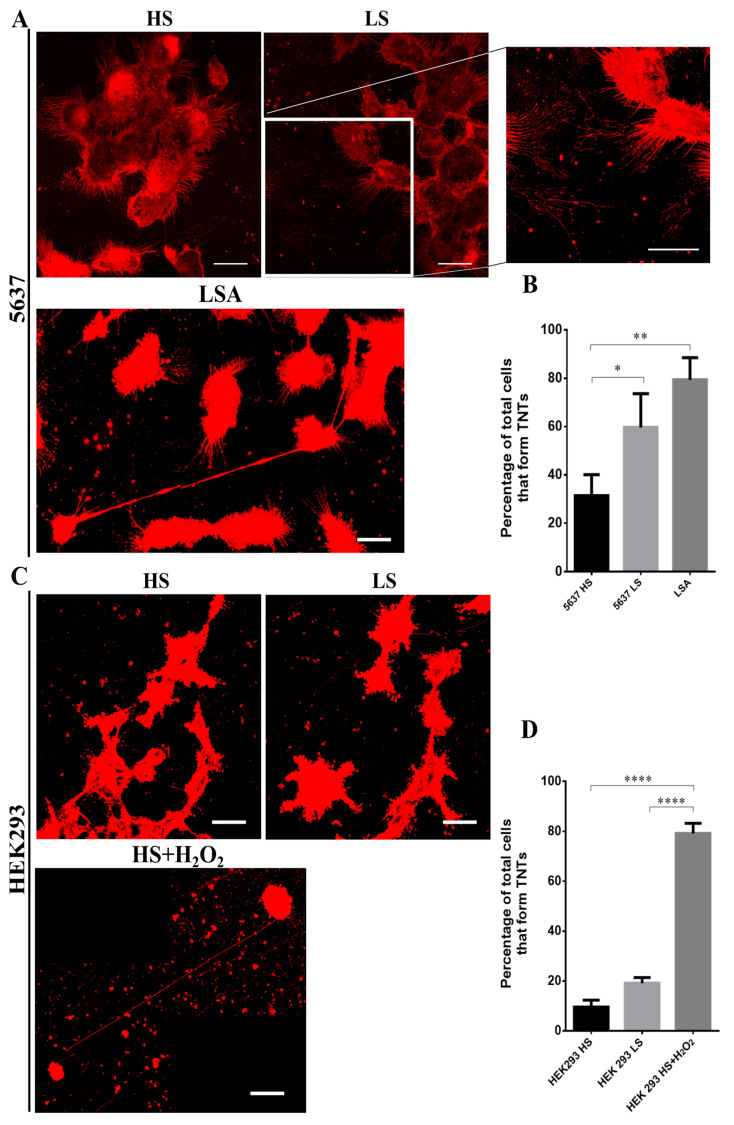
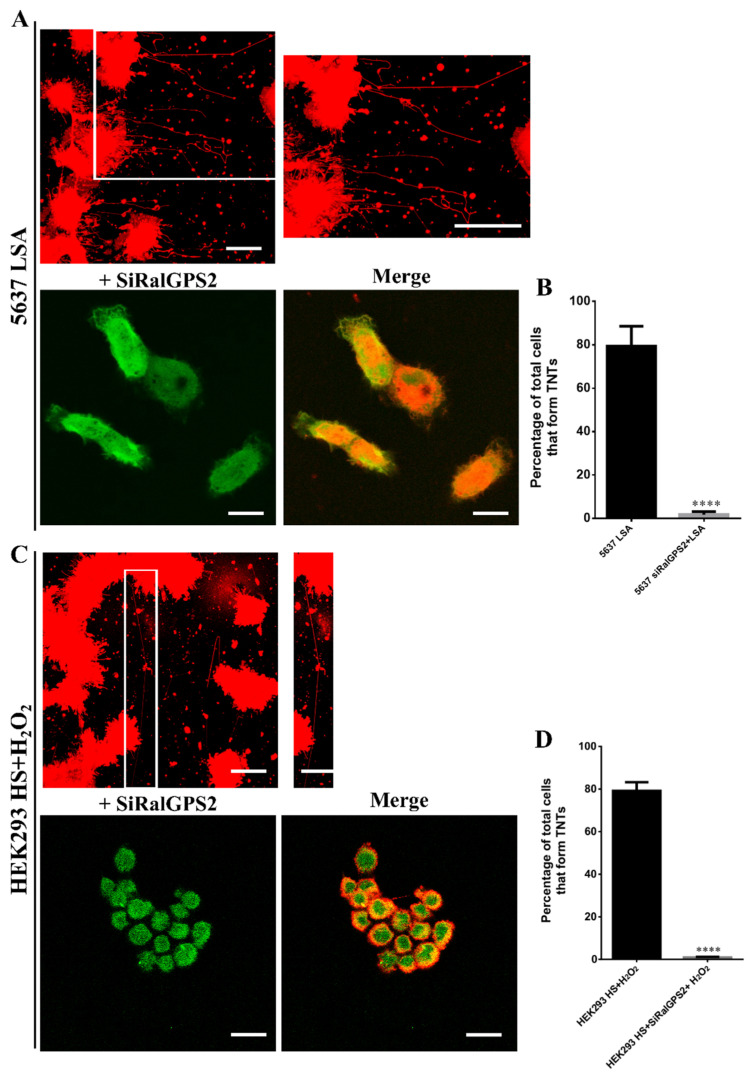
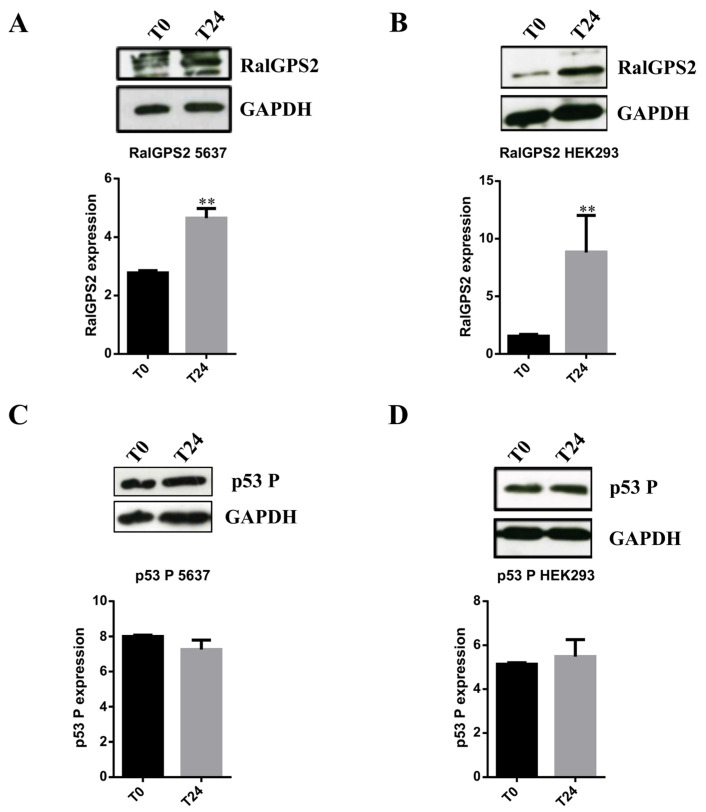
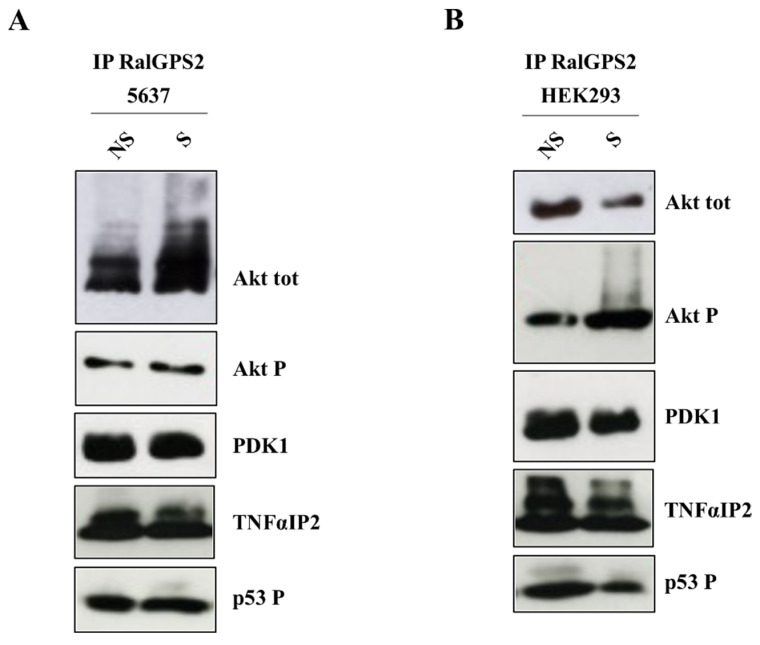
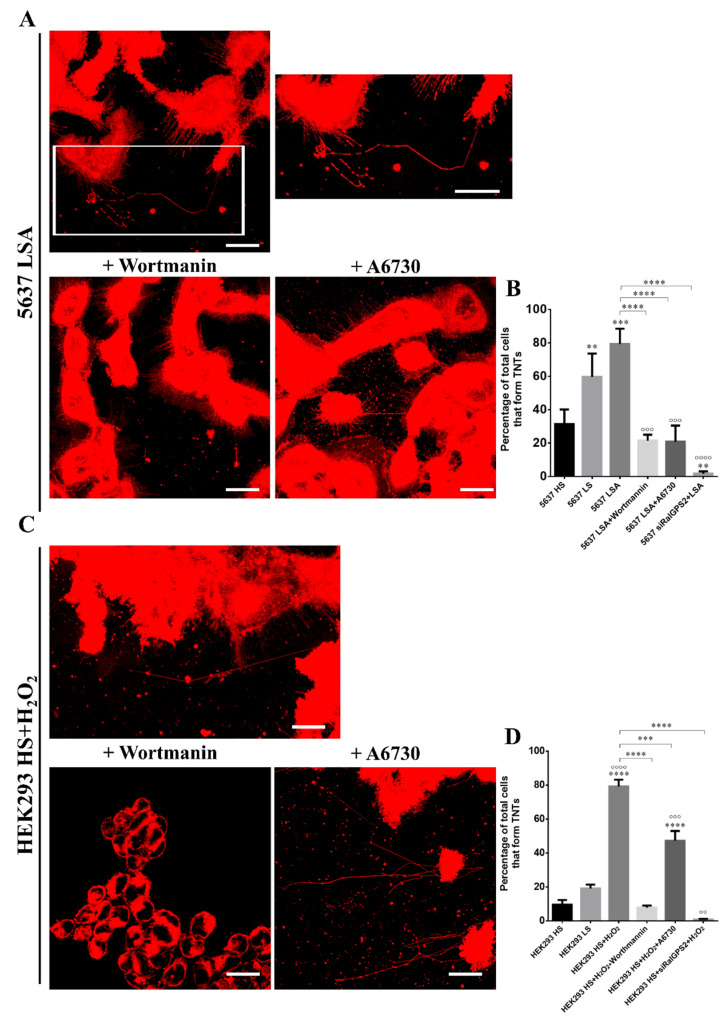
RalGPS2 is a Ras-independent Guanine Nucleotide Exchange Factor for RalA GTPase that is involved in several cellular processes, including cytoskeletal organization. Previously, we demonstrated that RalGPS2 also plays a role in the formation of tunneling nanotubes (TNTs) in bladder cancer 5637 cells. In particular, TNTs are a novel mechanism of cell-cell communication in the tumor microenvironment, playing a central role in cancer progression and metastasis formation. However, the molecular mechanisms involved in TNTs formation still need to be fully elucidated. Here we demonstrate that mid and high-stage bladder cancer cell lines have functional TNTs, which can transfer mitochondria. Moreover, using confocal fluorescence time-lapse microscopy, we show in 5637 cells that TNTs mediate the trafficking of RalA protein and transmembrane MHC class III protein leukocyte-specific transcript 1 (LST1). Furthermore, we show that RalGPS2 is essential for nanotubes generation, and stress conditions boost its expression both in 5637 and HEK293 cell lines. Finally, we prove that RalGPS2 interacts with Akt and PDK1, in addition to LST1 and RalA, leading to the formation of a complex that promotes nanotubes formation. In conclusion, our findings suggest that in the tumor microenvironment, RalGPS2 orchestrates the assembly of multimolecular complexes that drive the formation of TNTs.
RalGPS2是一种不依赖Ras的RalA GTP酶鸟嘌呤核苷酸交换因子,参与包括细胞骨架组织在内的多种细胞过程。此前,我们证明RalGPS2在膀胱癌5637细胞中隧道纳米管(TNTs)的形成中也发挥作用。特别是,TNTs是肿瘤微环境中细胞间通讯的一种新机制,在癌症进展和转移形成中起核心作用。然而,TNTs形成所涉及的分子机制仍需充分阐明。在这里,我们证明中晚期膀胱癌细胞系具有功能性TNTs,其可以转运线粒体。此外,利用共聚焦荧光延时显微镜,我们在5637细胞中显示TNTs介导RalA蛋白和跨膜MHC III类蛋白白细胞特异性转录本1(LST1)的运输。此外,我们表明RalGPS2对于纳米管的产生至关重要,应激条件会增强其在5637和HEK293细胞系中的表达。最后,我们证明RalGPS2除了与LST1和RalA相互作用外,还与Akt和PDK1相互作用,导致形成促进纳米管形成的复合物。总之,我们的研究结果表明,在肿瘤微环境中,RalGPS2协调驱动TNTs形成的多分子复合物的组装。