Department of Anatomy, Saveetha Institute of Medical & Technical Sciences, Chennai 602 105, India.
Department of Anatomy, Asan Memorial Dental College and Hospitals, Asan Nagar, Chengalpattu, Chennai 602 105, India.
Molecules. 2021 Dec 20;26(24):7689. doi: 10.3390/molecules26247689.
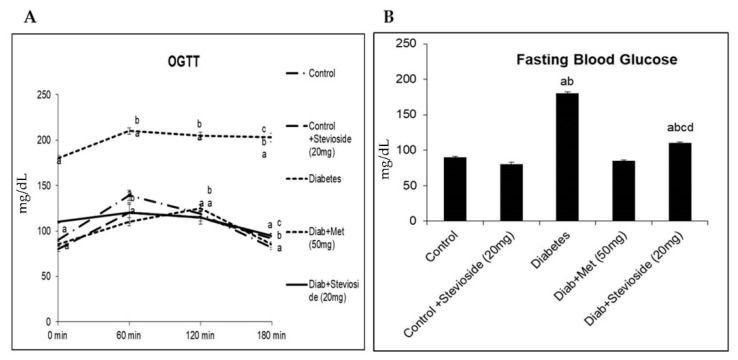
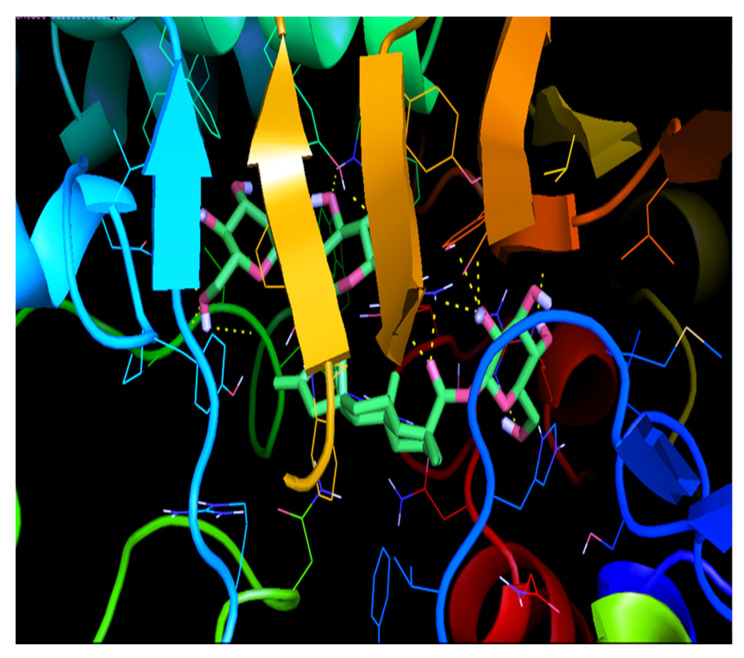
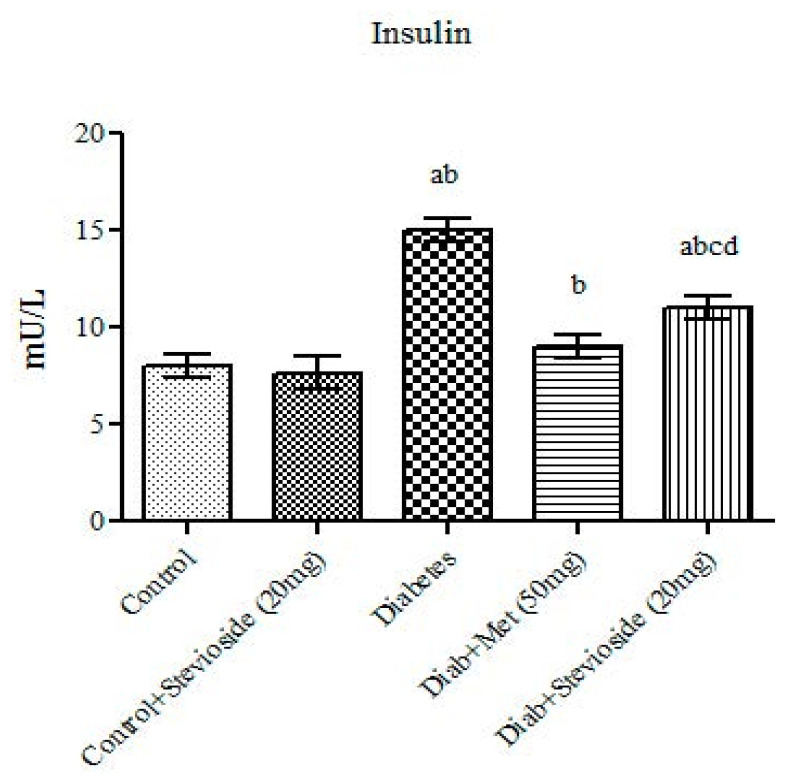
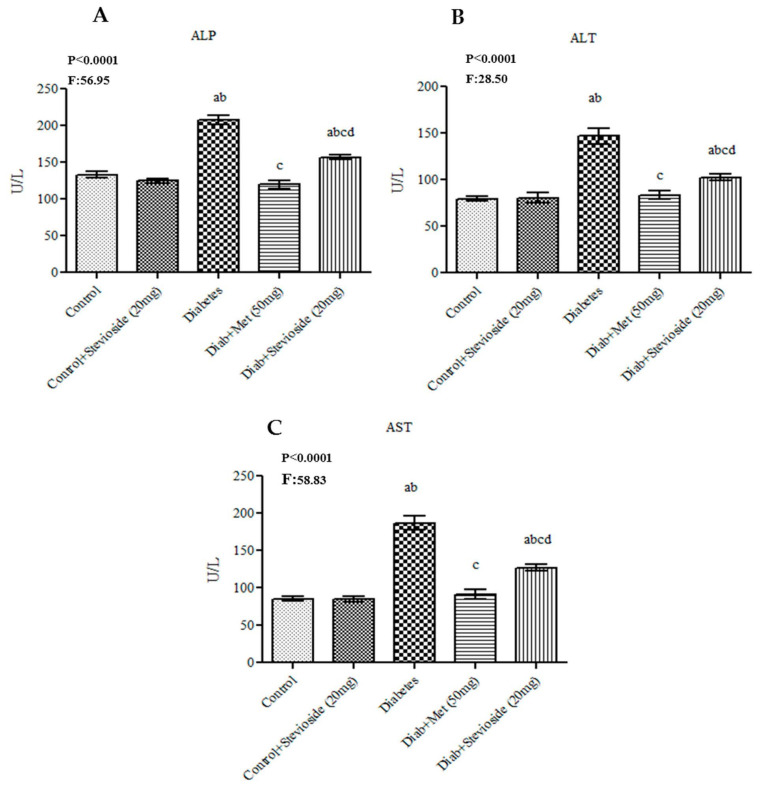
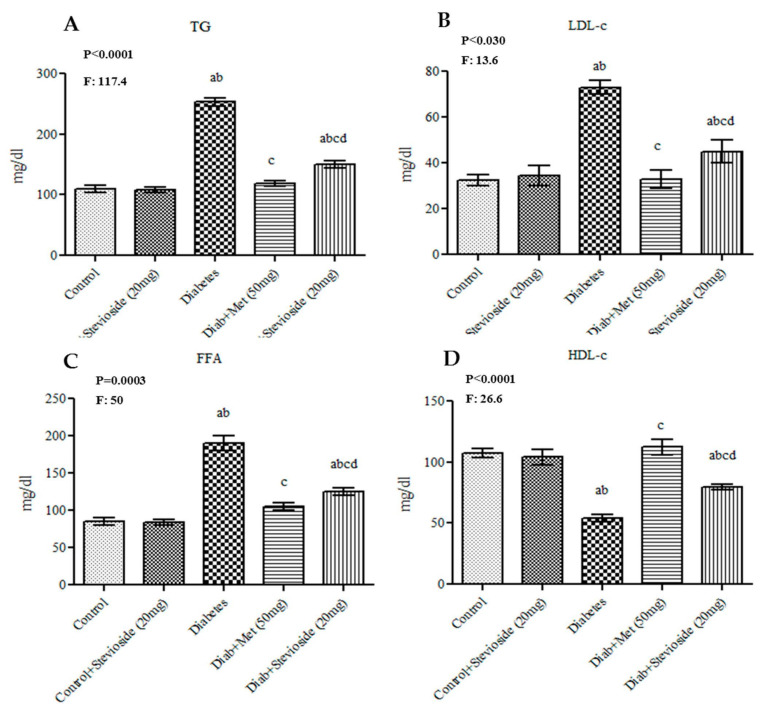
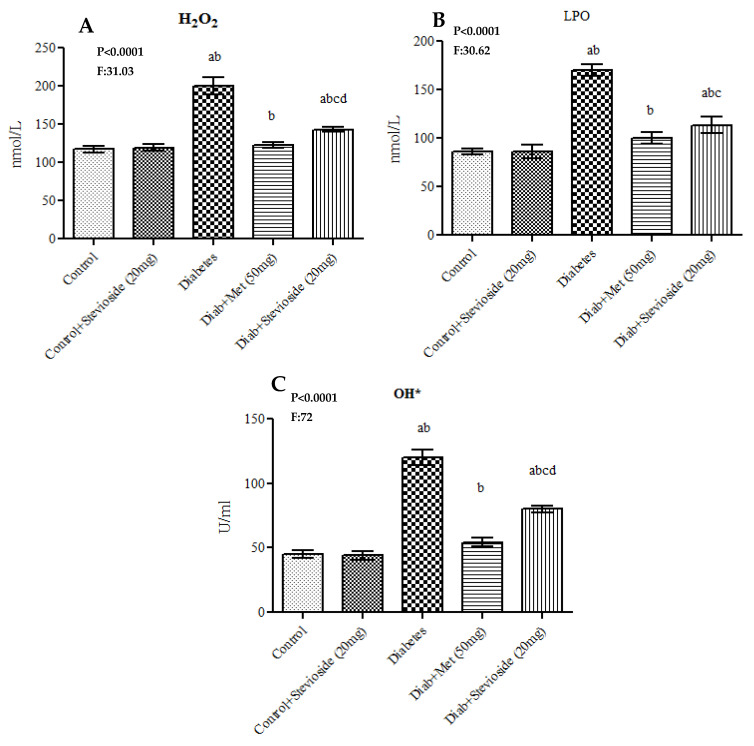
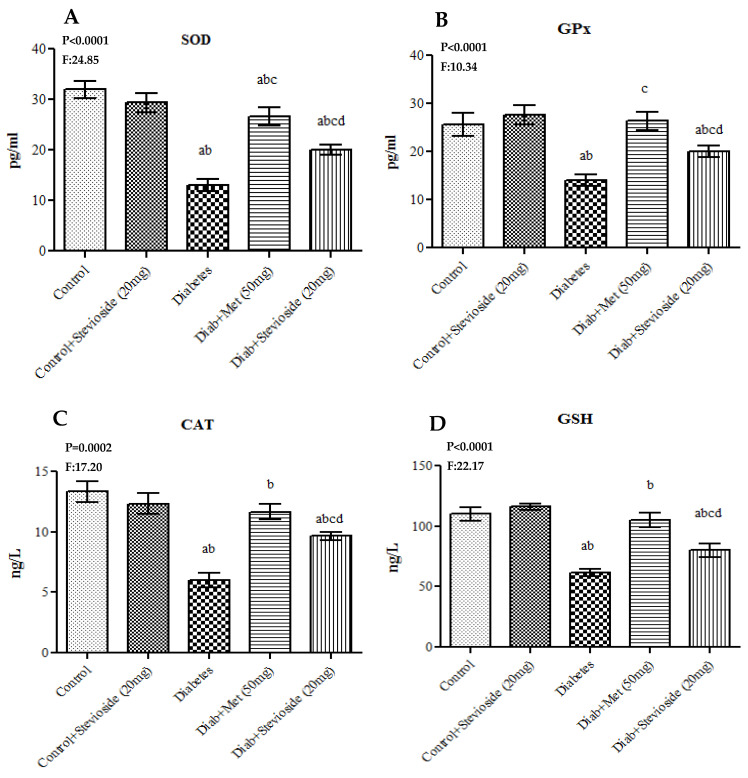
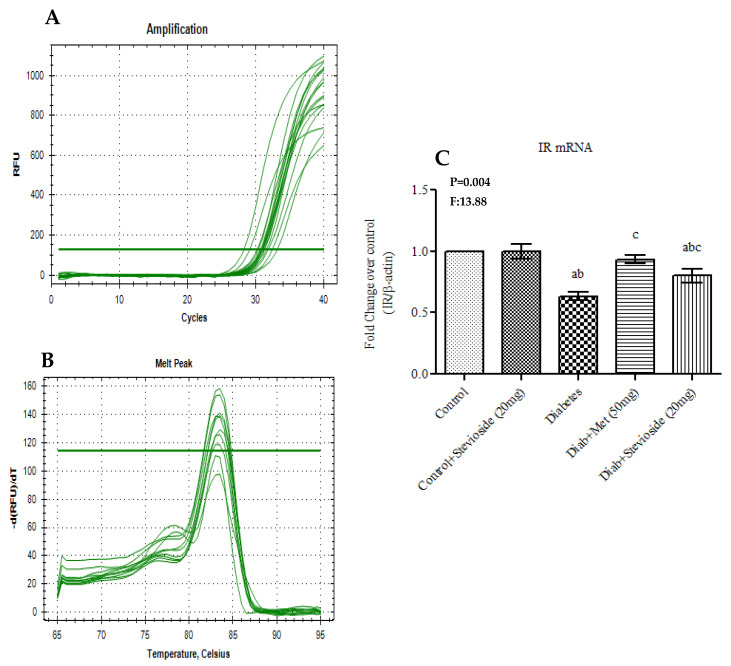
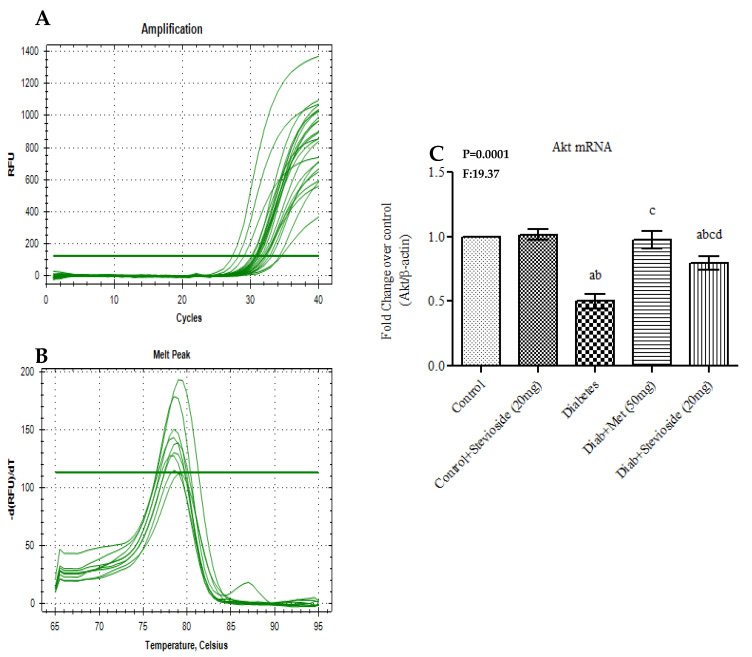
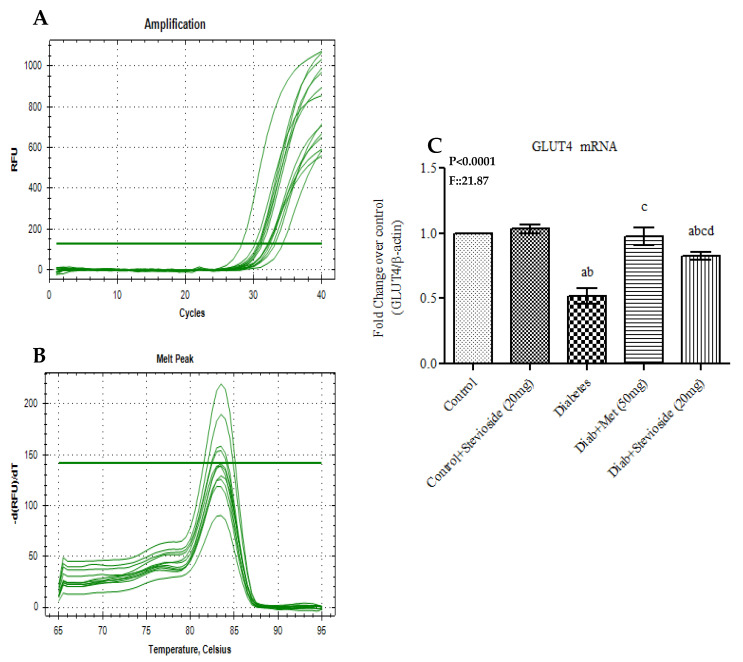
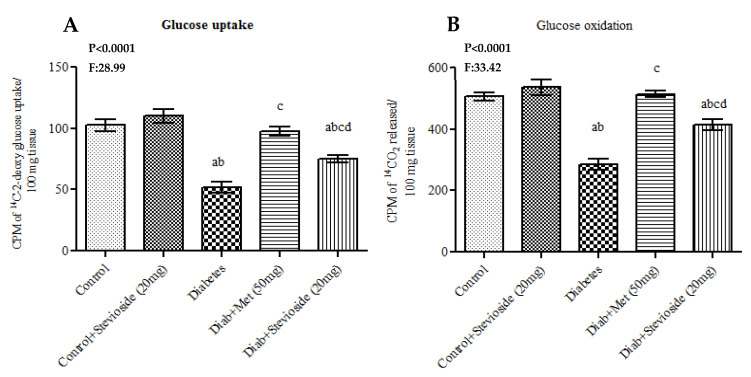
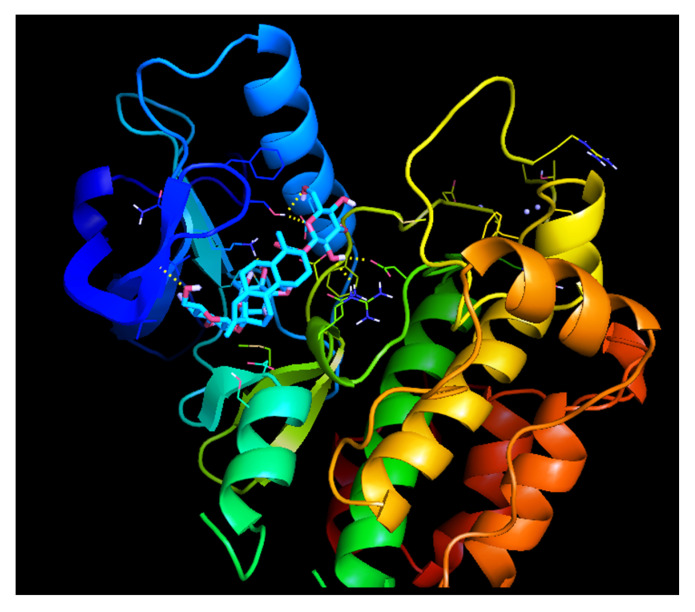
Type-2 diabetes mellitus (T2DM), the leading global health burden of this century majorly develops due to obesity and hyperglycemia-induced oxidative stress in skeletal muscles. Hence, developing novel drugs that ameliorate these pathological events is an immediate priority. The study was designed to analyze the possible role of Stevioside, a characteristic sugar from leaves of (Bertoni) on insulin signaling molecules in gastrocnemius muscle of obesity and hyperglycemia-induced T2DM rats. Adult male Wistar rats rendered diabetic by administration of high fat diet (HFD) and sucrose for 60 days were orally administered with SIT (20 mg/kg/day) for 45 days. Various parameters were estimated including fasting blood glucose (FBG), serum lipid profile, oxidative stress markers, antioxidant enzymes and expression of insulin signaling molecules in diabetic gastrocnemius muscle. Stevioside treatment improved glucose and insulin tolerances in diabetic rats and restored their elevated levels of FBG, serum insulin and lipid profile to normalcy. In diabetic gastrocnemius muscles, Setvioside normalized the altered levels of lipid peroxidase (LPO), hydrogen peroxide (HO) and hydroxyl radical (OH*), antioxidant enzymes (CAT, SOD, GPx and GSH) and molecules of insulin signaling including insulin receptor (IR), insulin receptor substrate-1 (IRS-1) and Akt mRNA levels. Furthermore, Stevioside enhanced glucose uptake (GU) and oxidation in diabetic muscles by augmenting glucose transporter 4 (GLUT 4) synthesis very effectively in a similar way to metformin. Results of molecular docking analysis evidenced the higher binding affinity with IRS-1 and GLUT 4. Stevioside effectively inhibits oxidative stress and promotes glucose uptake in diabetic gastrocnemius muscles by activating IR/IRS-1/Akt/GLUT 4 pathway. The results of the in silico investigation matched those of the in vivo study. Hence, Stevioside could be considered as a promising phytomedicine to treat T2DM.
2 型糖尿病(T2DM)是本世纪全球主要的健康负担,主要由肥胖和高血糖引起的骨骼肌氧化应激引起。因此,开发改善这些病理事件的新型药物是当务之急。本研究旨在分析甜菊糖甙(Stevioside),一种来自甜叶菊(Bertoni)叶子的特征糖,在肥胖和高血糖诱导的 T2DM 大鼠腓肠肌胰岛素信号分子中的可能作用。通过给予高脂肪饮食(HFD)和蔗糖 60 天使成年雄性 Wistar 大鼠产生糖尿病,然后用 SIT(20mg/kg/天)口服给药 45 天。评估了各种参数,包括空腹血糖(FBG)、血清脂质谱、氧化应激标志物、抗氧化酶和糖尿病腓肠肌胰岛素信号分子的表达。甜菊糖甙治疗可改善糖尿病大鼠的葡萄糖和胰岛素耐量,并将其升高的 FBG、血清胰岛素和脂质谱水平恢复正常。在糖尿病腓肠肌中,Stevioside 使改变的脂质过氧化物(LPO)、过氧化氢(HO)和羟基自由基(OH*)、抗氧化酶(CAT、SOD、GPx 和 GSH)和胰岛素信号分子的水平正常化,包括胰岛素受体(IR)、胰岛素受体底物-1(IRS-1)和 Akt mRNA 水平。此外,甜菊糖甙通过非常有效地增加葡萄糖转运蛋白 4(GLUT 4)的合成,有效地增强了糖尿病肌肉中的葡萄糖摄取(GU)和氧化,这与二甲双胍相似。分子对接分析的结果表明,与 IRS-1 和 GLUT 4 的结合亲和力更高。Stevioside 通过激活 IR/IRS-1/Akt/GLUT 4 途径,有效地抑制糖尿病腓肠肌中的氧化应激并促进葡萄糖摄取。体内研究的结果与体外研究的结果相匹配。因此,Stevioside 可以被认为是一种有前途的治疗 T2DM 的植物药。