Hainsworth Atticus H, Elahi Fanny M, Corriveau Roderick A
Molecular and Clinical Sciences Research Institute, St George's University of London, Cranmer Terrace, London SW17 0RE, United Kingdom.
Neurology, St George's University Hospitals NHS Foundation Trust, London, United Kingdom.
Cereb Circ Cogn Behav. 2021;2:100033. doi: 10.1016/j.cccb.2021.100033.
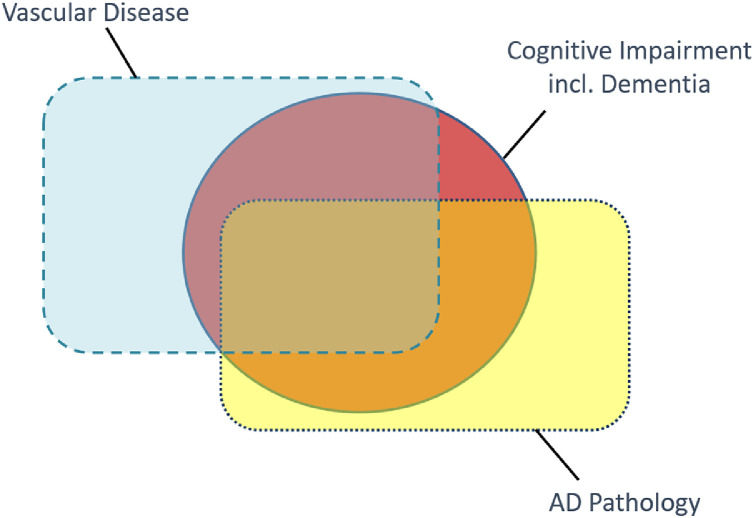
Vascular cognitive impairment (VCI), encompassing vascular dementia, has been claimed as the "second-most common dementia" after Alzheimer Disease. Whether or not this is true, the clinical picture of most dementia in older people includes vascular disease. There are no validated pharmacological targets for prevention or treatment of VCI. This has inspired a multitude of potential treatment approaches, reflected by the articles in this Special Issue. These include testing of the novel oral anticoagulant dabigatran for protection against β-amyloid neurotoxicity, and an overview of neuroinflammation in VCI and the role of circulating markers (PIGF, VEGF-D) identified by the MarkVCID study. There are reviews of potential therapeutics, including adrenomedullin and nootropic preparations (exemplified by cerebrolysin). The role of sleep is reviewed, with possible therapeutic targets (5HT2A receptors). There is a clinical study protocol (INVESTIGATE-SVD) and a feasibility analysis for a secondary prevention trial in small vessel disease. Clinical data include secondary analyses of blood pressure and cerebral blood flow from a longitudinal clinical trial (NILVAD), differences between methylphenidate and galantamine responders and non-responders (STREAM-VCI), appraisal of treatment approaches in India, and primary outcomes from a randomised trial of Argentine tango dancing to preserve cognition in African American women (ACT). Treating vascular disease has great potential to improve global cognitive health, with public health impacts alongside individual benefit. Vascular disease burden varies across populations, offering the possibility of proactively addressing health inequity in dementia using vascular interventions. The next 5-10 years will witness cost-effective lifestyle interventions, repurposed drugs and novel therapeutics.
血管性认知障碍(VCI),包括血管性痴呆,被认为是仅次于阿尔茨海默病的“第二常见痴呆症”。无论这是否属实,大多数老年人痴呆症的临床表现都包括血管疾病。目前尚无经过验证的预防或治疗VCI的药理学靶点。这激发了众多潜在的治疗方法,本期特刊中的文章对此有所体现。这些方法包括测试新型口服抗凝剂达比加群对β-淀粉样蛋白神经毒性的保护作用,以及对VCI中的神经炎症和MarkVCID研究确定的循环标志物(胎盘生长因子、血管内皮生长因子-D)的作用进行综述。还有对潜在治疗方法的综述,包括肾上腺髓质素和益智制剂(以脑蛋白水解物为例)。对睡眠的作用进行了综述,并探讨了可能的治疗靶点(5-羟色胺2A受体)。有一项临床研究方案(INVESTIGATE-SVD)以及一项针对小血管疾病二级预防试验的可行性分析。临床数据包括一项纵向临床试验(NILVAD)中血压和脑血流量的二次分析、哌甲酯和加兰他敏反应者与无反应者之间的差异(STREAM-VCI)、印度治疗方法的评估,以及一项关于阿根廷探戈舞对非裔美国女性认知保护作用的随机试验的主要结果(ACT)。治疗血管疾病对于改善整体认知健康具有巨大潜力,不仅对个人有益,还会产生公共卫生影响。不同人群的血管疾病负担各不相同,这为通过血管干预措施积极解决痴呆症中的健康不平等问题提供了可能性。未来5至10年将见证具有成本效益的生活方式干预措施、重新利用的药物和新型治疗方法的出现。