Affiliated Cancer Hospital & Institute of Guangzhou Medical University, Guangzhou Municipal and Guangdong Provincial Key Laboratory of Protein Modification and Degradation, State Key Laboratory of Respiratory Disease, School of Basic Medical Sciences, Guangzhou Medical University, Guangzhou, Guangdong 510095, China.
Radiology Department, Shanghai Pulmonary Hospital, Affiliated with Tongji University, Shanghai, China.
Comput Math Methods Med. 2021 Dec 16;2021:5005459. doi: 10.1155/2021/5005459. eCollection 2021.
ASF1B is a member of the histone H3-H4 chaperone antisilencing feature 1 (ASF1). ASF1B reportedly acts as an oncogene in several cancers including, breast cancer and cervical cancer. To date, the role of ASF1B in lung adenocarcinoma (LUAD) is not elucidated.
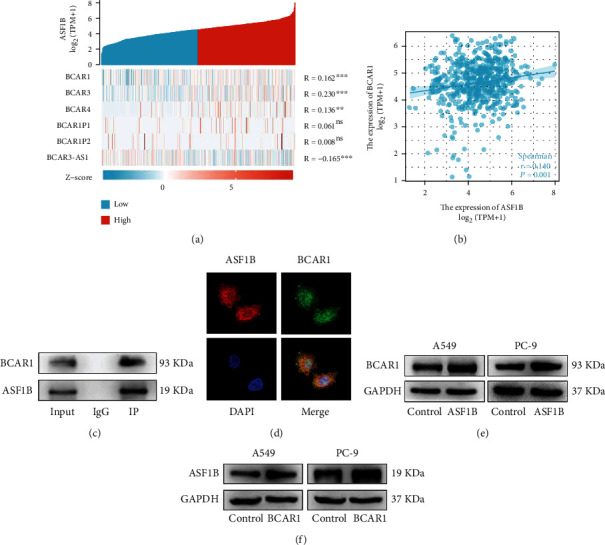
The TCGA database, containing data for 33 cancer types, was used to explore the dysregulation and prognostic value of the ASF1B gene in pan-cancer data. R software packages and public databases/webservers were applied for bioinformatics and statistical analyses. Using models, immunoprecipitation and immunofluorescence were utilized to investigate if BCAR1 interacted with ASF1B in LUAD. Further, transfection experiments were performed to validate the expression pattern of ASF1B in LUAD and examine its regulating role in tumor-associated processes including tumor cell proliferation and migration.
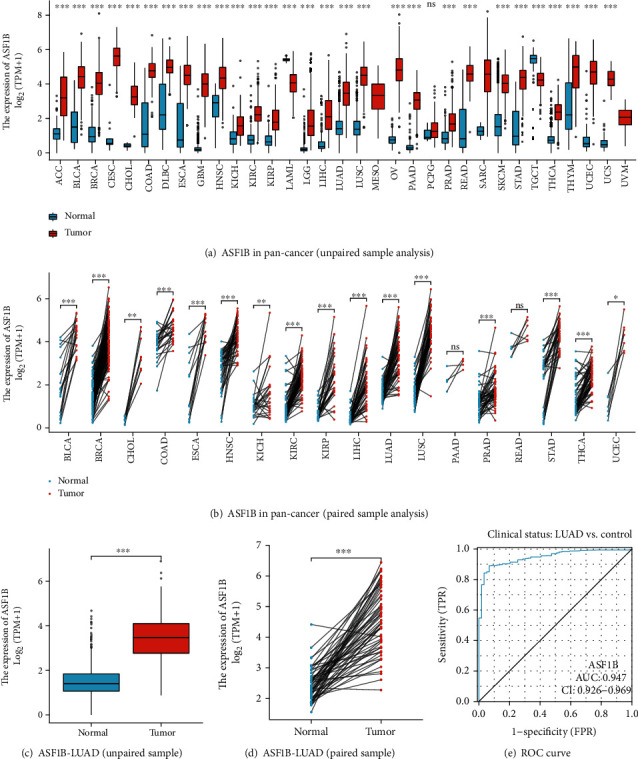
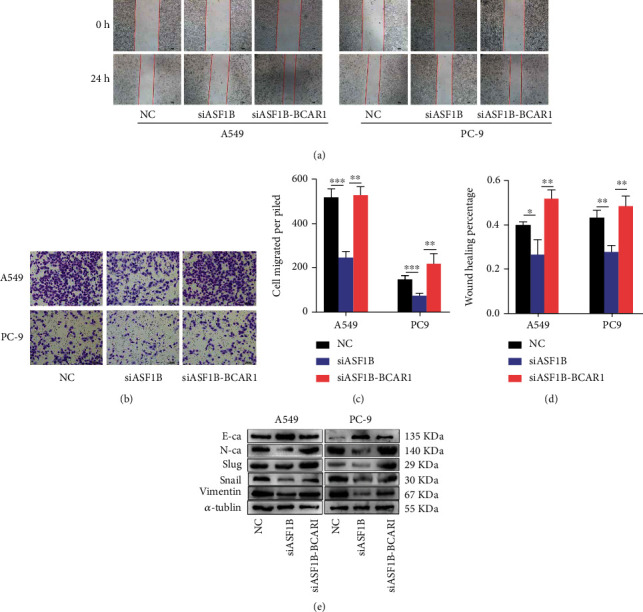
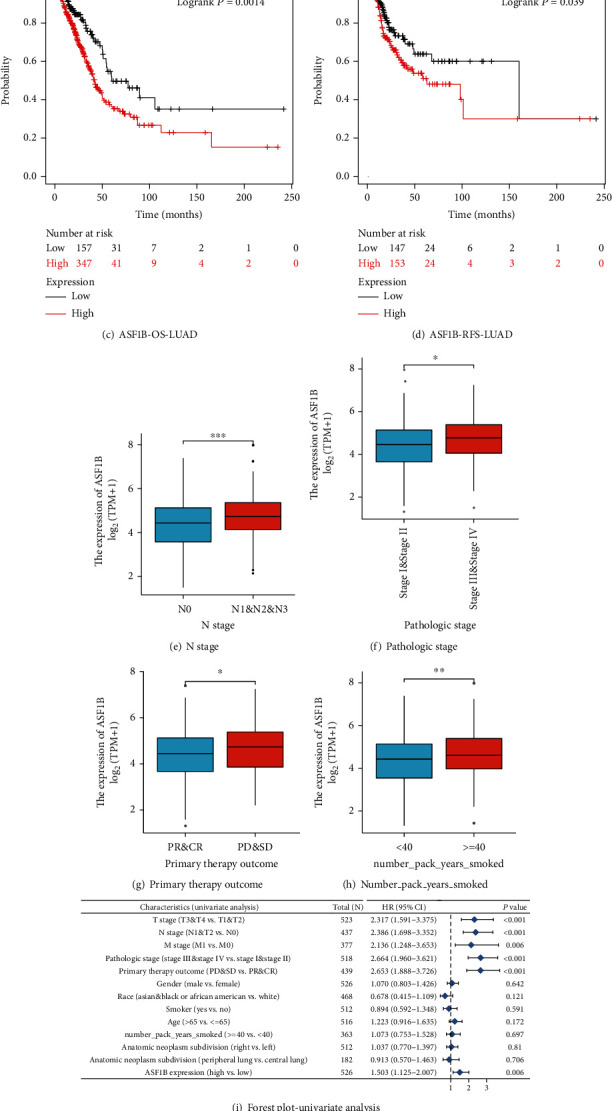
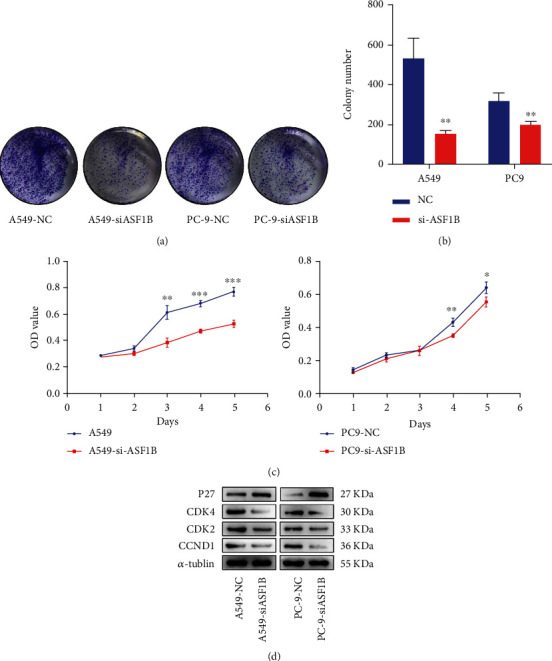
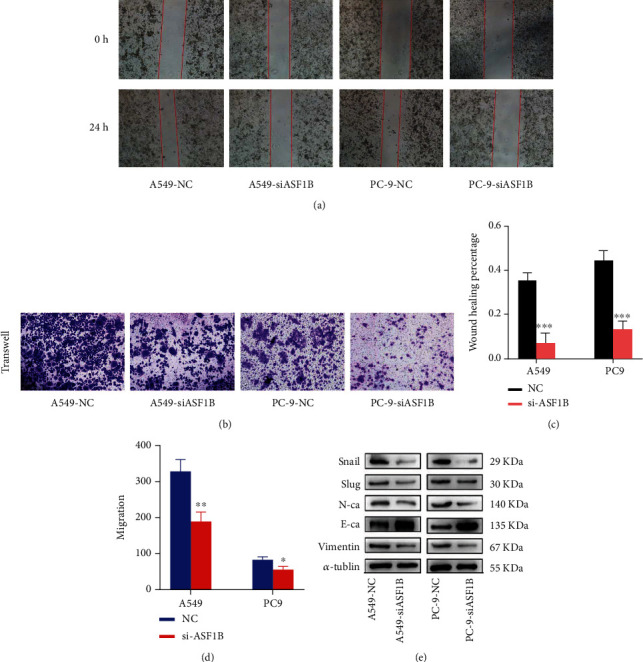
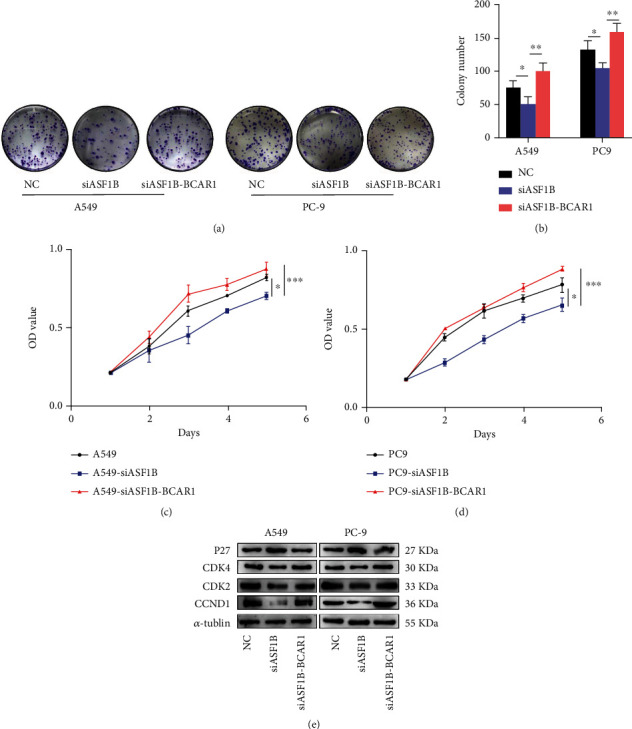
ASF1B was found to be significantly elevated in LUAD and the majority of cancer types, except PCPG (pheochromocytoma and paraganglioma). The overexpression of ASF1B was associated with worse prognostic outcomes in most cancer types including LUAD. ASF1B was associated with lymph node metastasis, and , it promoted the proliferation and migration of LUAD cells. ASF1B knockdown suppressed LUAD cell proliferation and migration and also diminished the expression of cell cycle, metastasis, and EMT signaling-associated proteins. BCAR1 was found positively correlated and interacting with ASF1B, and BCAR1 overexpression reversed the effects of ASF1B knockdown in LUAD cells.
These findings indicated that ASF1B plays a significant role in the tumor progression of LUAD and BCAR1 mediates the tumor-promotive effects of ASF1B, acting as an intermediate protein. Therefore, the ASF1B/BCAR1 axis might be regarded as a putative therapeutic target for LUAD.
ASF1B 是组蛋白 H3-H4 伴侣抗沉默特征 1(ASF1)的成员。据报道,ASF1B 在包括乳腺癌和宫颈癌在内的几种癌症中作为癌基因发挥作用。迄今为止,ASF1B 在肺腺癌(LUAD)中的作用尚未阐明。
使用包含 33 种癌症类型数据的 TCGA 数据库,探讨 ASF1B 基因在泛癌数据中的失调及其对预后的影响。使用 R 软件包和公共数据库/网络服务器进行生物信息学和统计分析。使用 模型、免疫沉淀和免疫荧光法研究 BCAR1 是否与 LUAD 中的 ASF1B 相互作用。进一步通过转染实验验证 ASF1B 在 LUAD 中的表达模式,并研究其在肿瘤相关过程中的调节作用,包括肿瘤细胞增殖和迁移。
发现 ASF1B 在 LUAD 和大多数癌症类型中显著上调,除 PCPG(嗜铬细胞瘤和副神经节瘤)外。ASF1B 的过表达与大多数癌症类型(包括 LUAD)的预后不良相关。ASF1B 与淋巴结转移相关,并且促进 LUAD 细胞的增殖和迁移。ASF1B 敲低抑制 LUAD 细胞增殖和迁移,并减少细胞周期、转移和 EMT 信号相关蛋白的表达。发现 BCAR1 与 ASF1B 呈正相关并相互作用,BCAR1 过表达逆转了 LUAD 细胞中 ASF1B 敲低的作用。
这些发现表明 ASF1B 在 LUAD 的肿瘤进展中发挥重要作用,BCAR1 介导 ASF1B 的促肿瘤作用,作为中间蛋白。因此,ASF1B/BCAR1 轴可能被视为 LUAD 的潜在治疗靶点。