Department of Radiation Oncology, David Geffen School of Medicine, University of California, Los Angeles, Los Angeles, California, USA.
Jonsson Comprehensive Cancer Center, University of California, Los Angeles, Los Angeles, California, USA.
Mol Carcinog. 2022 Feb;61(2):200-224. doi: 10.1002/mc.23379. Epub 2021 Dec 27.
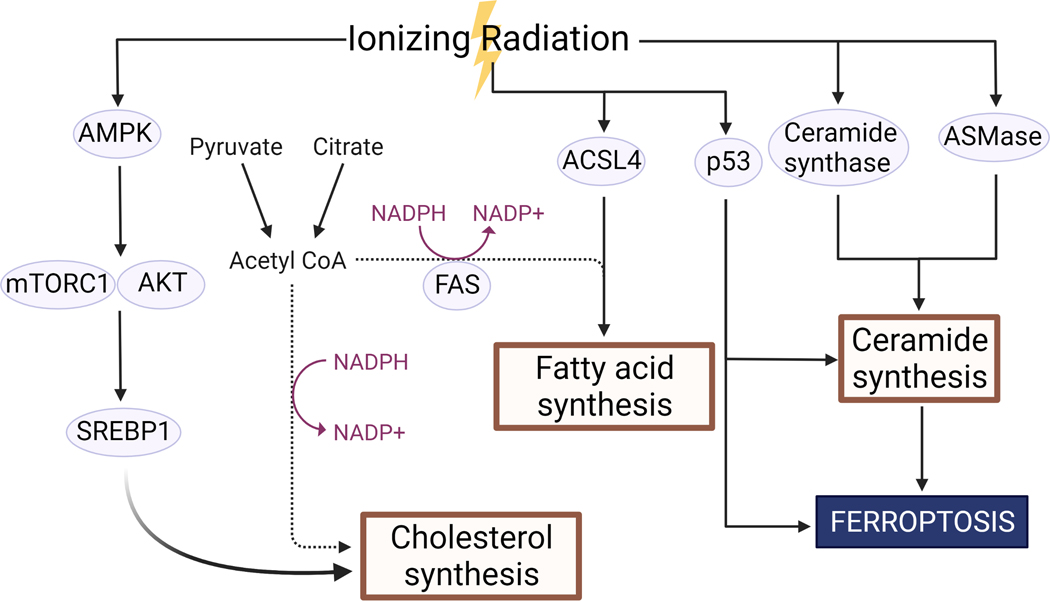
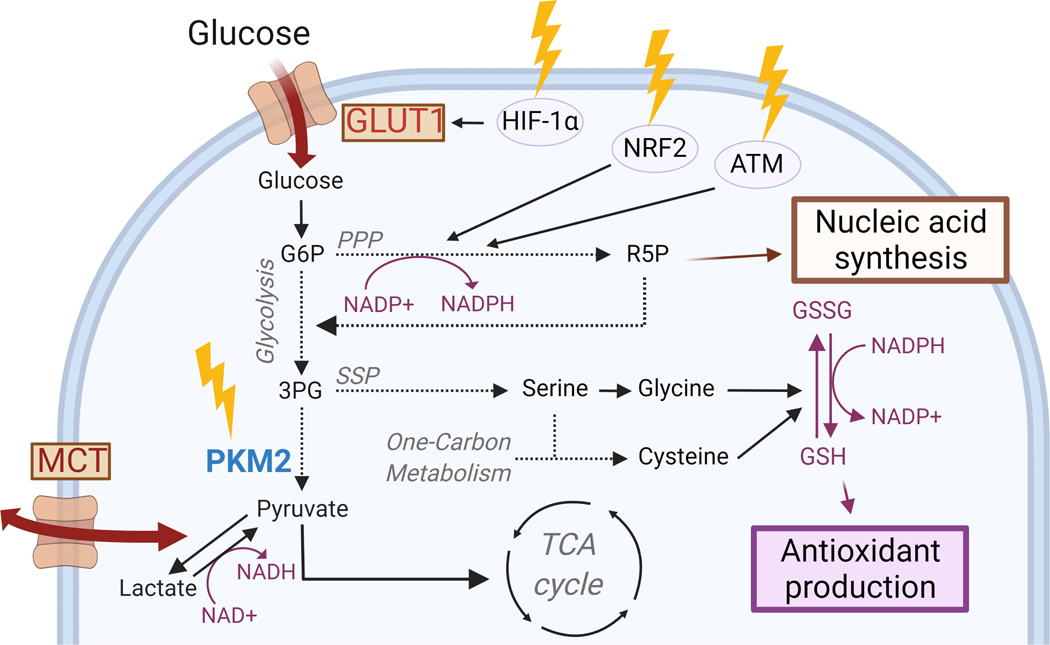
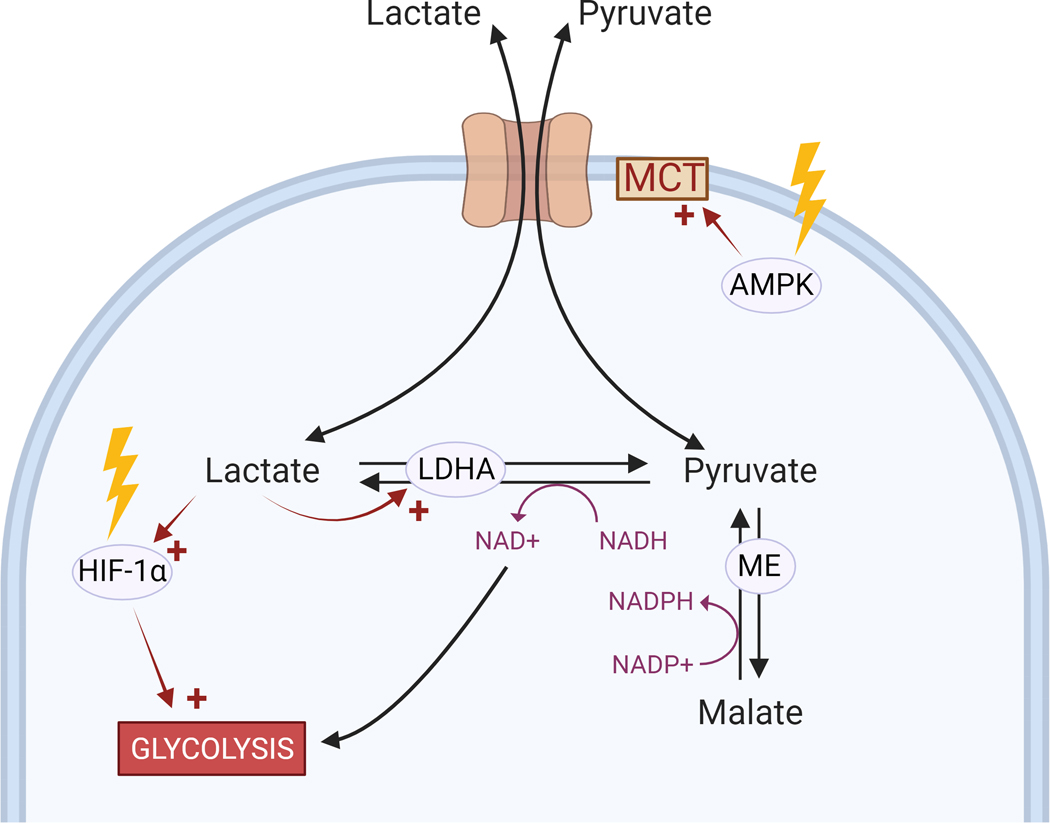
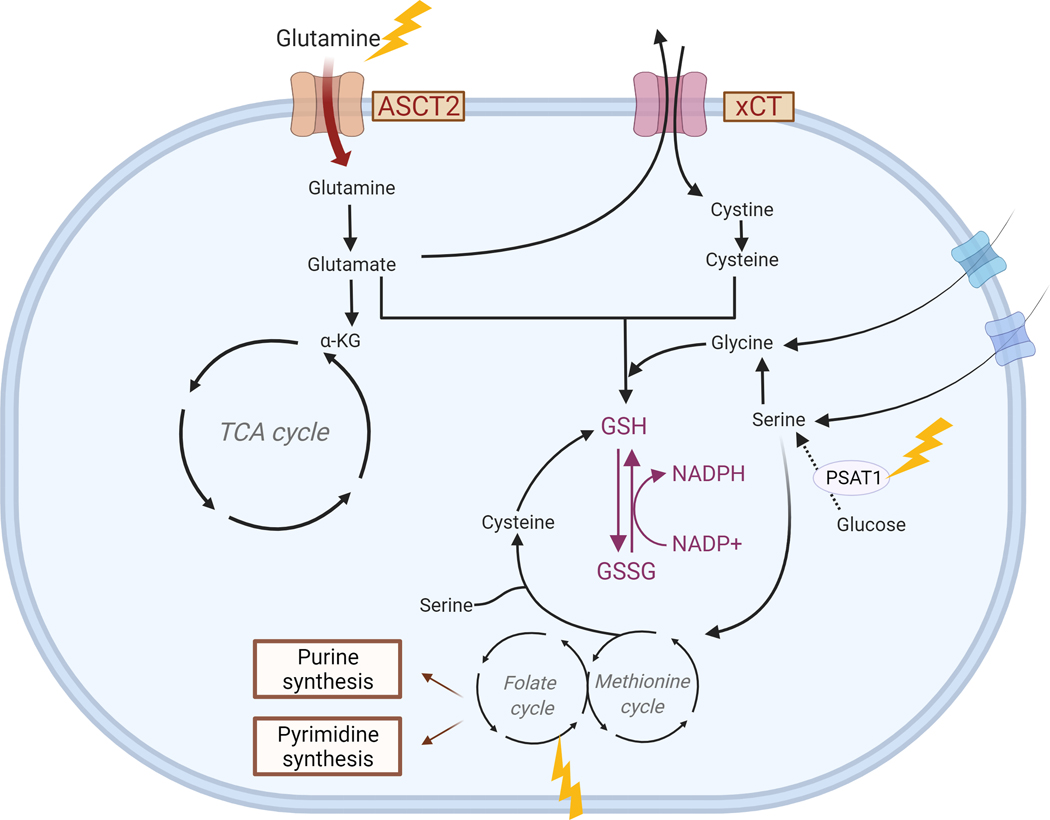
Tumor metabolism has emerged as a hallmark of cancer and is involved in carcinogenesis and tumor growth. Reprogramming of tumor metabolism is necessary for cancer cells to sustain high proliferation rates and enhanced demands for nutrients. Recent studies suggest that metabolic plasticity in cancer cells can decrease the efficacy of anticancer therapies by enhancing antioxidant defenses and DNA repair mechanisms. Studying radiation-induced metabolic changes will lead to a better understanding of radiation response mechanisms as well as the identification of new therapeutic targets, but there are few robust studies characterizing the metabolic changes induced by radiation therapy in cancer. In this review, we will highlight studies that provide information on the metabolic changes induced by radiation and oxidative stress in cancer cells and the associated underlying mechanisms.
肿瘤代谢已成为癌症的一个标志,参与了癌症的发生和肿瘤的生长。肿瘤代谢的重编程对于癌细胞维持高增殖率和增强对营养物质的需求是必要的。最近的研究表明,癌细胞的代谢可塑性可以通过增强抗氧化防御和 DNA 修复机制来降低抗癌疗法的疗效。研究辐射诱导的代谢变化将有助于更好地理解辐射反应机制以及确定新的治疗靶点,但目前很少有强有力的研究描述放射治疗诱导的癌症代谢变化。在这篇综述中,我们将重点介绍提供有关辐射和癌细胞中氧化应激诱导的代谢变化及其相关潜在机制信息的研究。