Mazor Raphael D, Topping Brian J, Nadeau Tracie-Lynn, Fritz Ken M, Kelso Julia E, Harrington Rachel A, Beck Whitney S, McCune Kenneth S, Allen Aaron O, Leidy Robert, Robb James T, David Gabrielle C L
Southern California Coastal Water Research Project, Costa Mesa, CA 92626, USA.
Office of Wetlands, Oceans, and Watersheds, U.S. Environmental Protection Agency, Washington, DC 20460, USA.
Water (Basel). 2021 Nov 22;13(22):1-40. doi: 10.3390/w13223310.
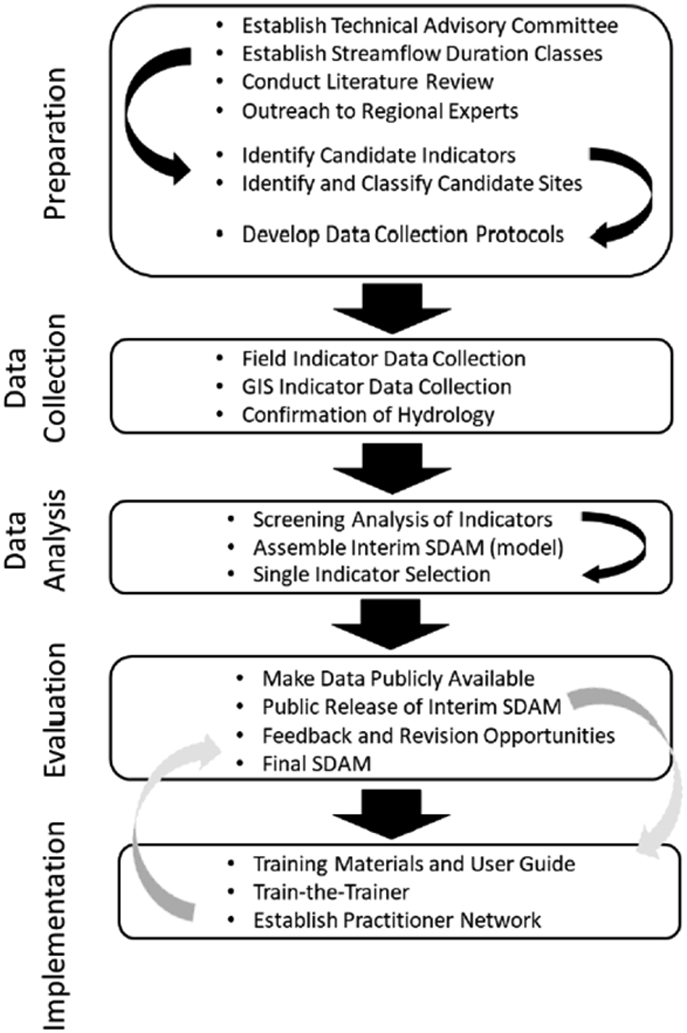
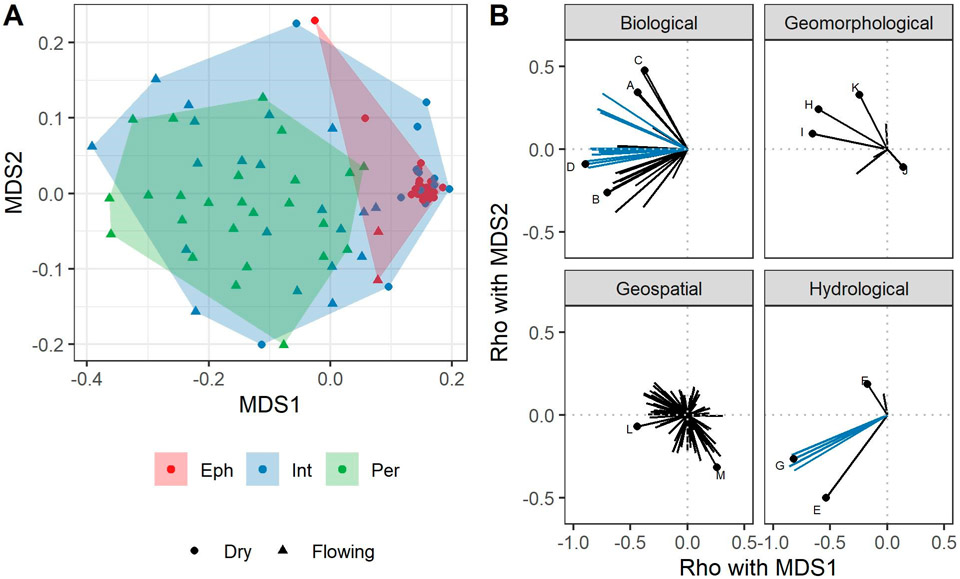
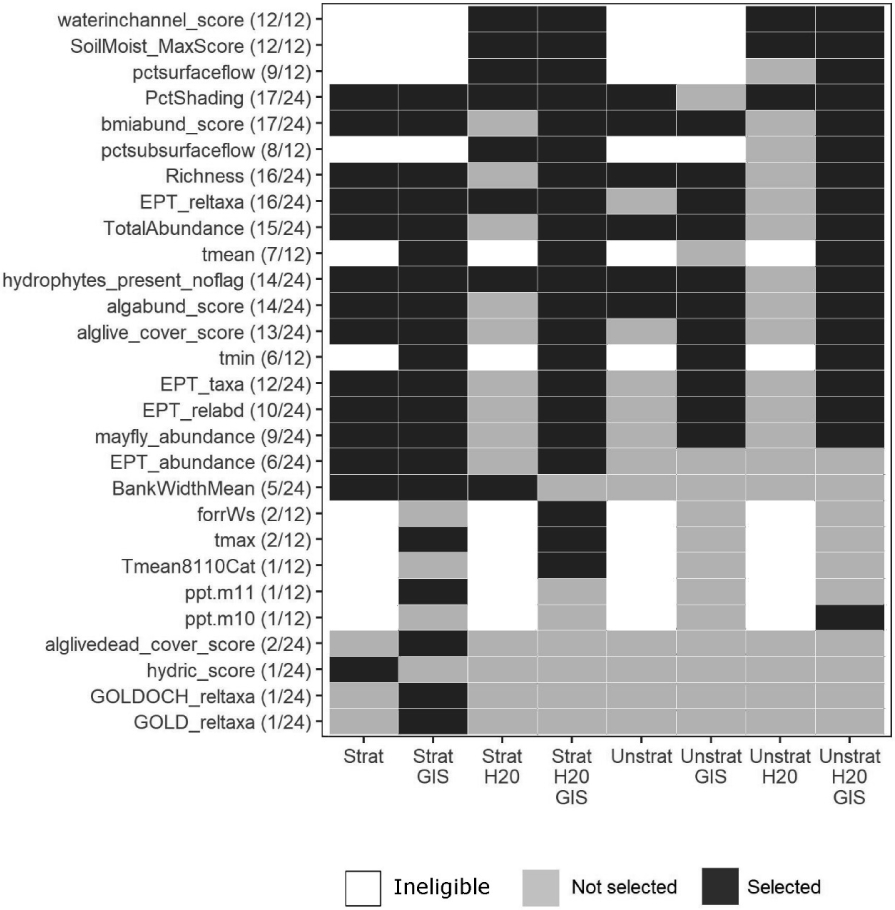
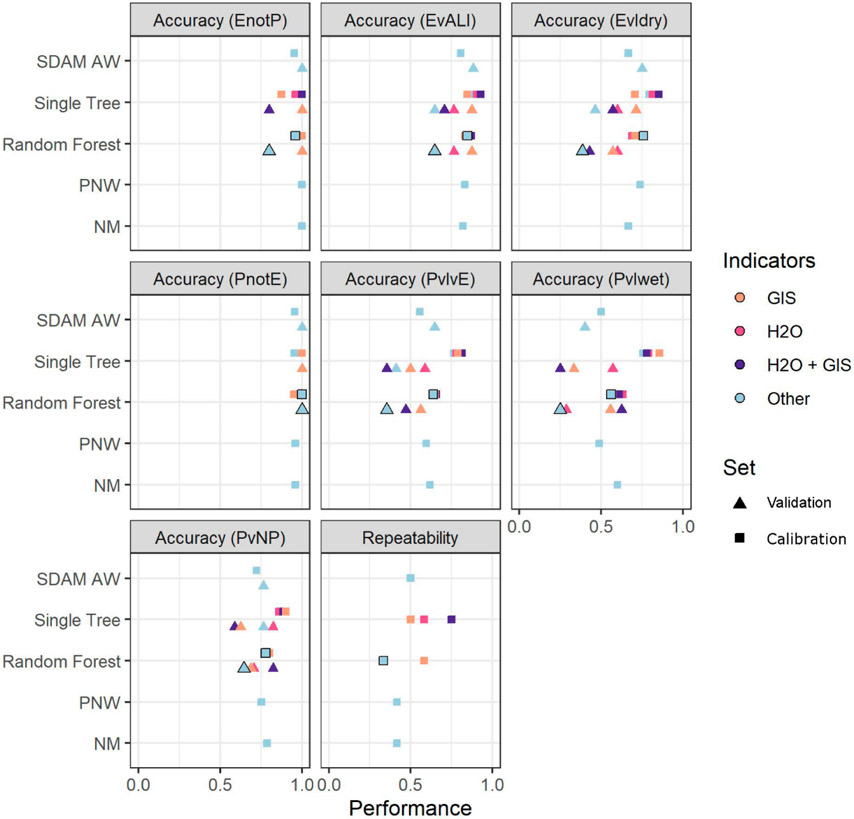
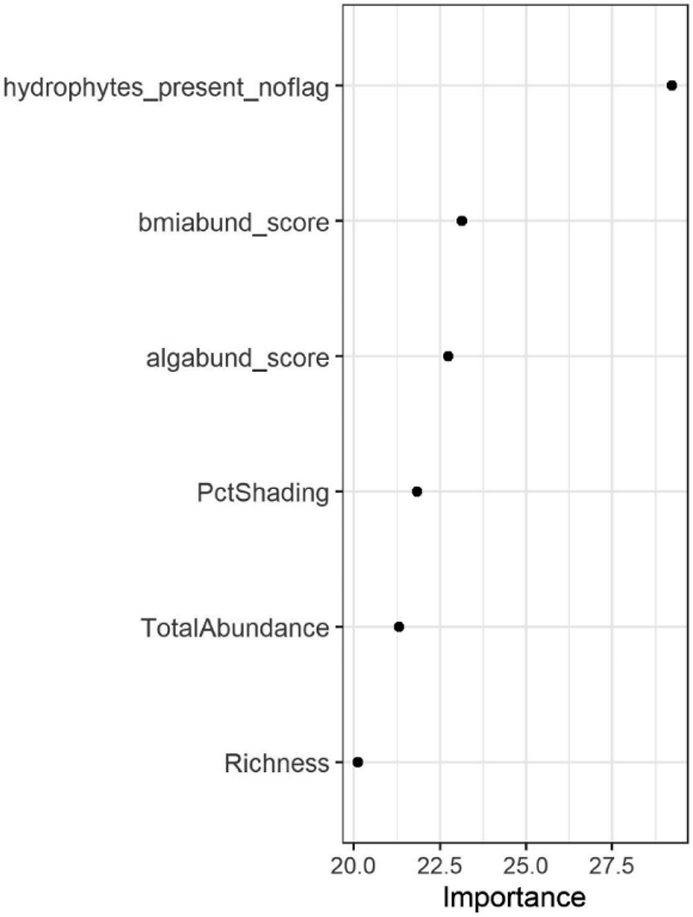
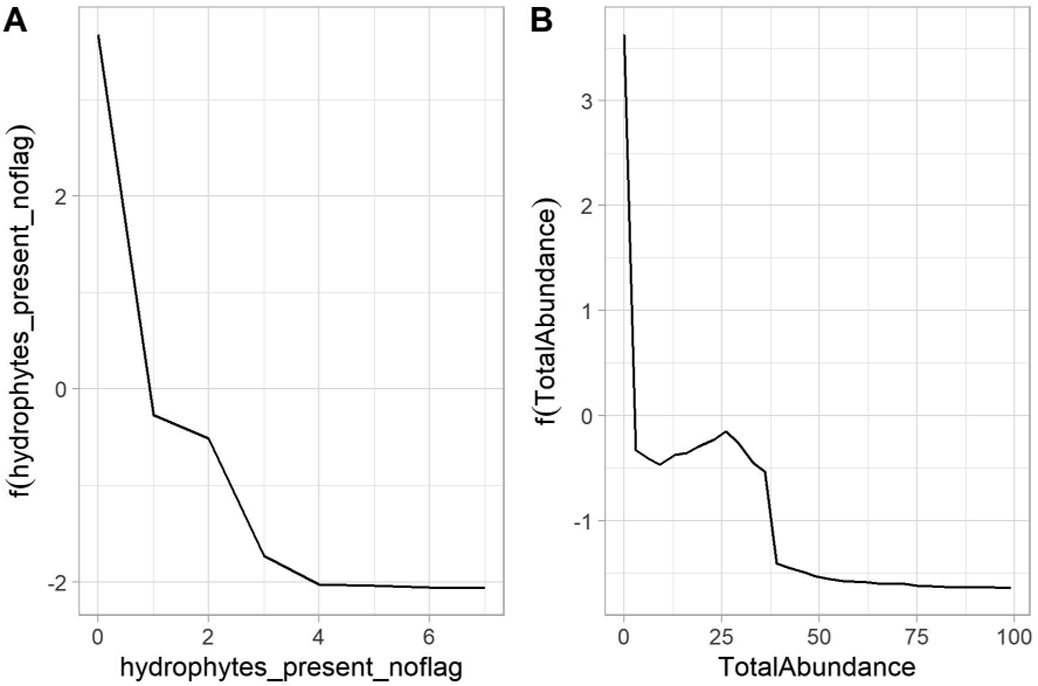
Streamflow duration information underpins many management decisions. However, hydrologic data are rarely available where needed. Rapid streamflow duration assessment methods (SDAMs) classify reaches based on indicators that are measured in a single brief visit. We evaluated a proposed framework for developing SDAMs to develop an SDAM for the Arid West United States that can classify reaches as perennial, intermittent, or ephemeral. We identified 41 candidate biological, geomorphological, and hydrological indicators of streamflow duration in a literature review, evaluated them for a number of desirable criteria (e.g., defensibility and consistency), and measured 21 of them at 89 reaches with known flow durations. We selected metrics for the SDAM based on their ability to discriminate among flow duration classes in analyses of variance, as well as their importance in a random forest model to predict streamflow duration. This approach resulted in a "beta" SDAM that uses five biological indicators. It could discriminate between ephemeral and non-ephemeral reaches with 81% accuracy, but only 56% accuracy when distinguishing 3 classes. A final method will be developed following expanded data collection. This Arid West study demonstrates the effectiveness of our approach and paves the way for more efficient development of scientifically informed SDAMs.
径流历时信息是许多管理决策的基础。然而,水文数据在需要的地方却很少能获取到。快速径流历时评估方法(SDAMs)基于在一次简短考察中测量的指标对河段进行分类。我们评估了一个用于开发SDAMs的提议框架,以开发一个适用于美国西部干旱地区的SDAM,该SDAM能够将河段分类为常年性、间歇性或临时性。我们在文献综述中确定了41个径流历时的候选生物、地貌和水文指标,根据一些理想标准(如可辩护性和一致性)对它们进行评估,并在89个已知径流历时的河段测量了其中21个指标。我们基于方差分析中区分径流历时类别的能力以及在预测径流历时的随机森林模型中的重要性,为SDAM选择指标。这种方法产生了一个使用五个生物指标的“beta”SDAM。它区分临时性和非临时性河段的准确率为81%,但区分三类时准确率仅为56%。在扩大数据收集后将开发最终方法。这项美国西部干旱地区的研究证明了我们方法的有效性,并为更高效地开发基于科学的SDAMs铺平了道路。