Department of Biochemistry, Faculty of Science, University of Tabuk, Tabuk, Saudi Arabia.
Biochemistry Unit, Chemistry Department, Faculty of Science, Ibb University, Ibb, Yemen.
Biomed Res Int. 2021 Dec 24;2021:6001885. doi: 10.1155/2021/6001885. eCollection 2021.
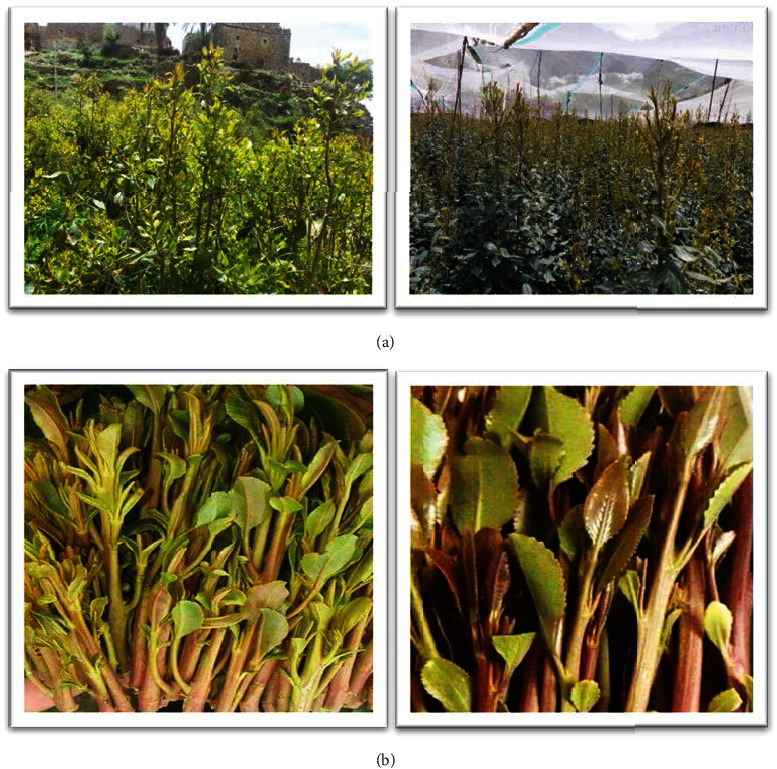
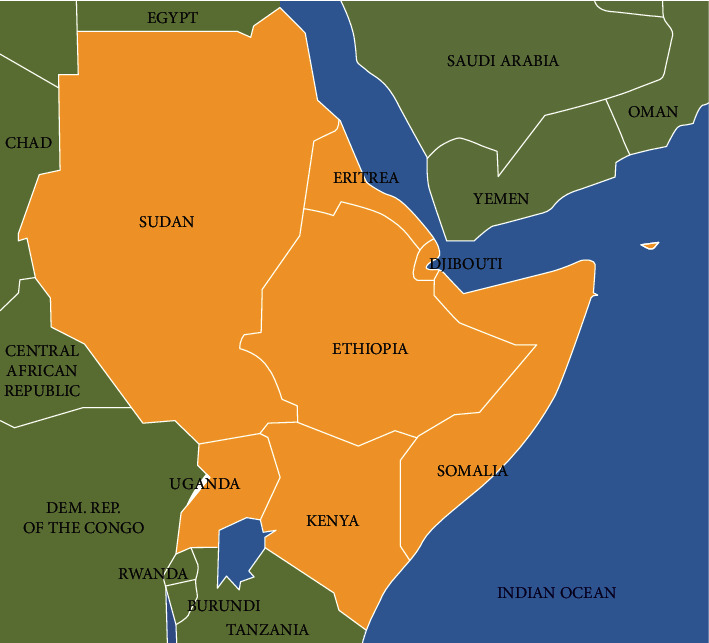
, also known as khat or qat, is a plant that grows in East Africa and southern Arabia. Several millions of people chew the leaves and twigs of khat plant for their central stimulating amphetamine-like effects. Khat chewing is becoming more common in Europe and the United States, owing to worldwide migration.
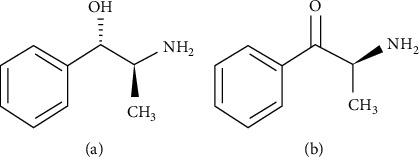
This review examines the khat ingredients, global prevalence, and legal status as well as its effects on lipid profile. . A literature search was performed using PubMed, Scopus, and Google Scholar to collect information within articles published up to April 2021 with the goal of identifying relevant studies. The proposed mechanisms of cathinone effects on total cholesterol and triglyceride were also discussed.
The khat chewing habit is considered as a serious economic and health issue that needs specialized programs to assist those people to quit or reducing this habit.
阿拉伯茶,又称恰特草或巧茶,是一种生长在东非和阿拉伯半岛南部的植物。数百万人咀嚼阿拉伯茶的叶子和小树枝,以获得类似安非他命的中枢兴奋作用。由于全球移民,阿拉伯茶在欧洲和美国越来越普遍。
本综述检查了阿拉伯茶的成分、全球流行率和法律地位,以及它对血脂谱的影响。通过使用 PubMed、Scopus 和 Google Scholar 进行文献检索,收集截至 2021 年 4 月发表的文章中的信息,目的是确定相关研究。还讨论了卡西酮对总胆固醇和甘油三酯的影响的机制。
咀嚼阿拉伯茶的习惯被认为是一个严重的经济和健康问题,需要专门的计划来帮助那些人戒烟或减少这种习惯。