University of Miami School of Medicine, Miami Project to Cure Paralysis, Department of Neurological Surgery, Miami, FL 33136, United States of America.
University of Miami School of Medicine, Miami Project to Cure Paralysis, Department of Neurological Surgery, Miami, FL 33136, United States of America; Department of Medicine Katz Division of Nephrology and Hypertension, University of Miami, Miller School of Medicine, Miami, FL, United States of America; Peggy and Harold Katz Family Drug Discovery Center, University of Miami, Miller School of Medicine, Miami, FL, United States of America; Sylvester Comprehensive Cancer Center, University of Miami, Miller School of Medicine, Miami, FL, United States of America.
Neurobiol Dis. 2022 Feb;163:105608. doi: 10.1016/j.nbd.2021.105608. Epub 2021 Dec 31.
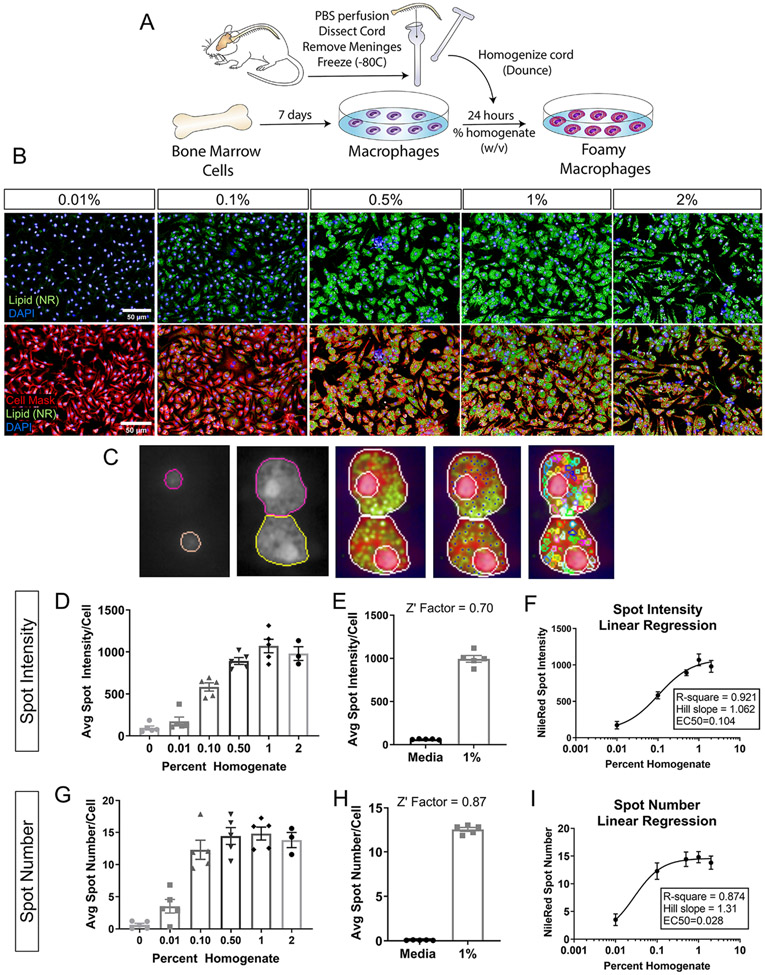
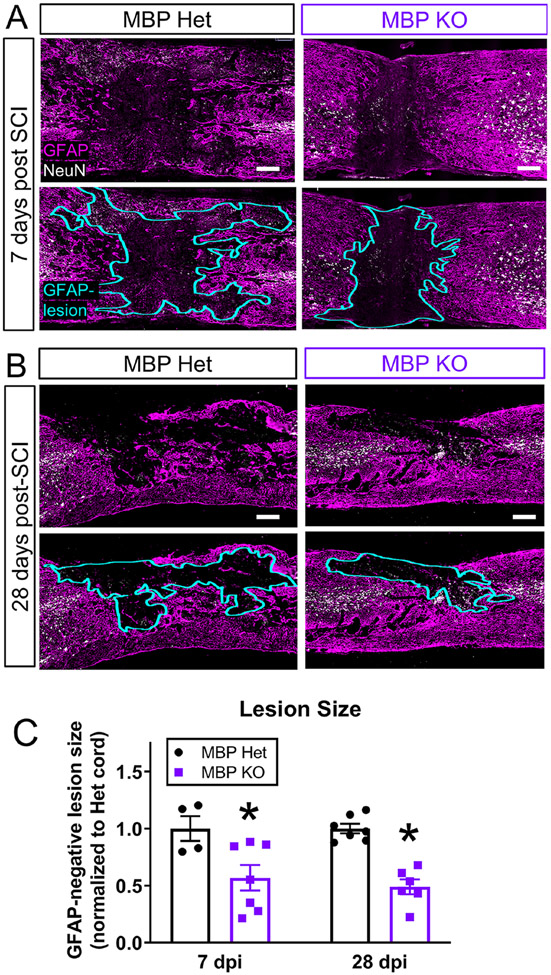
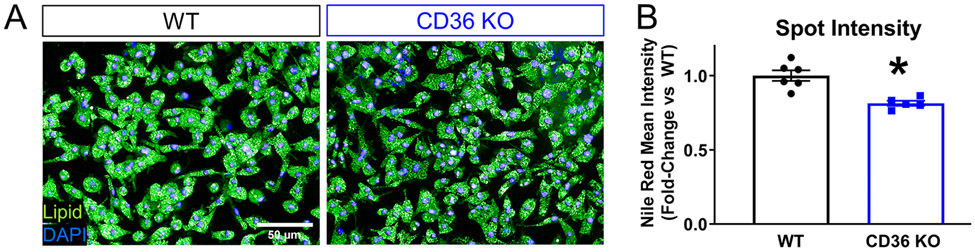
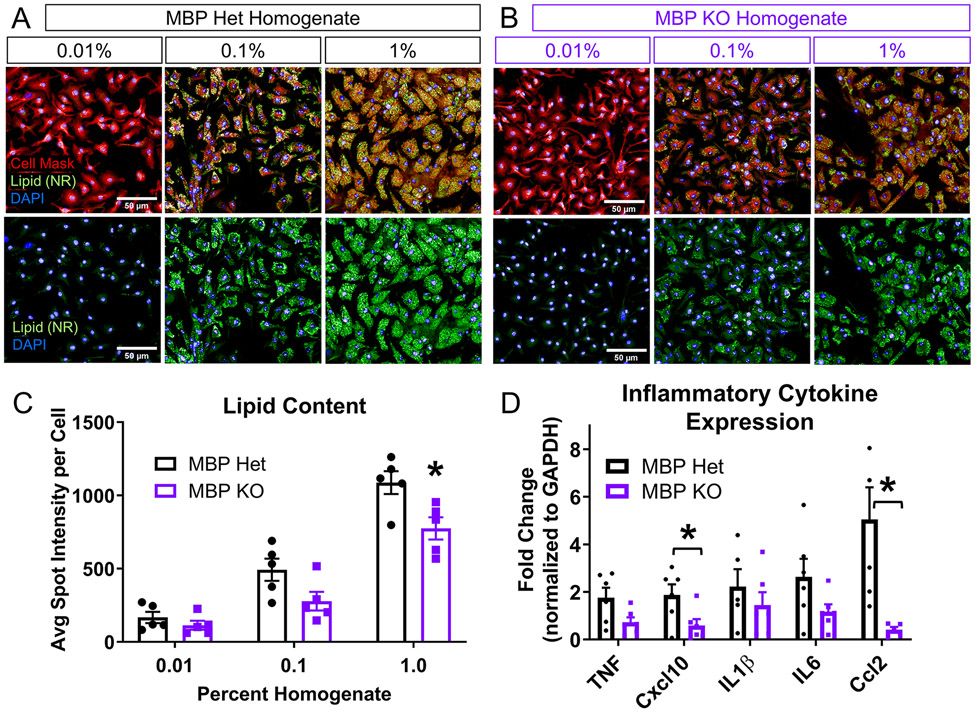
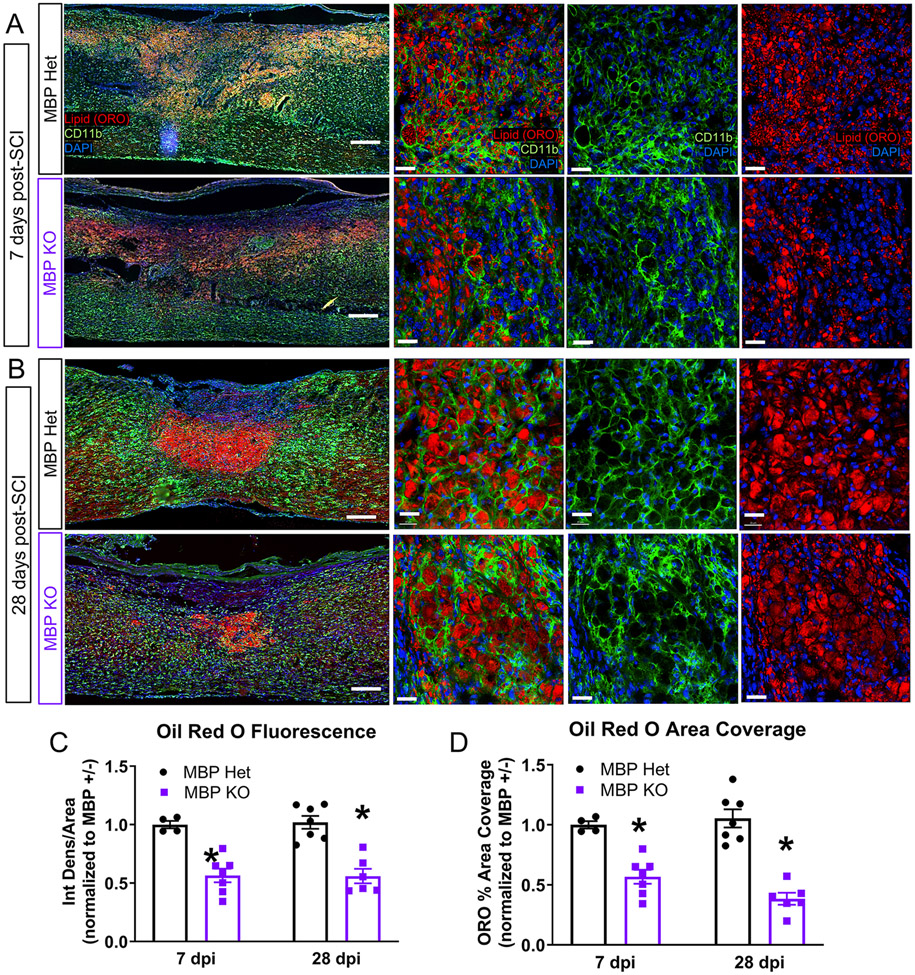
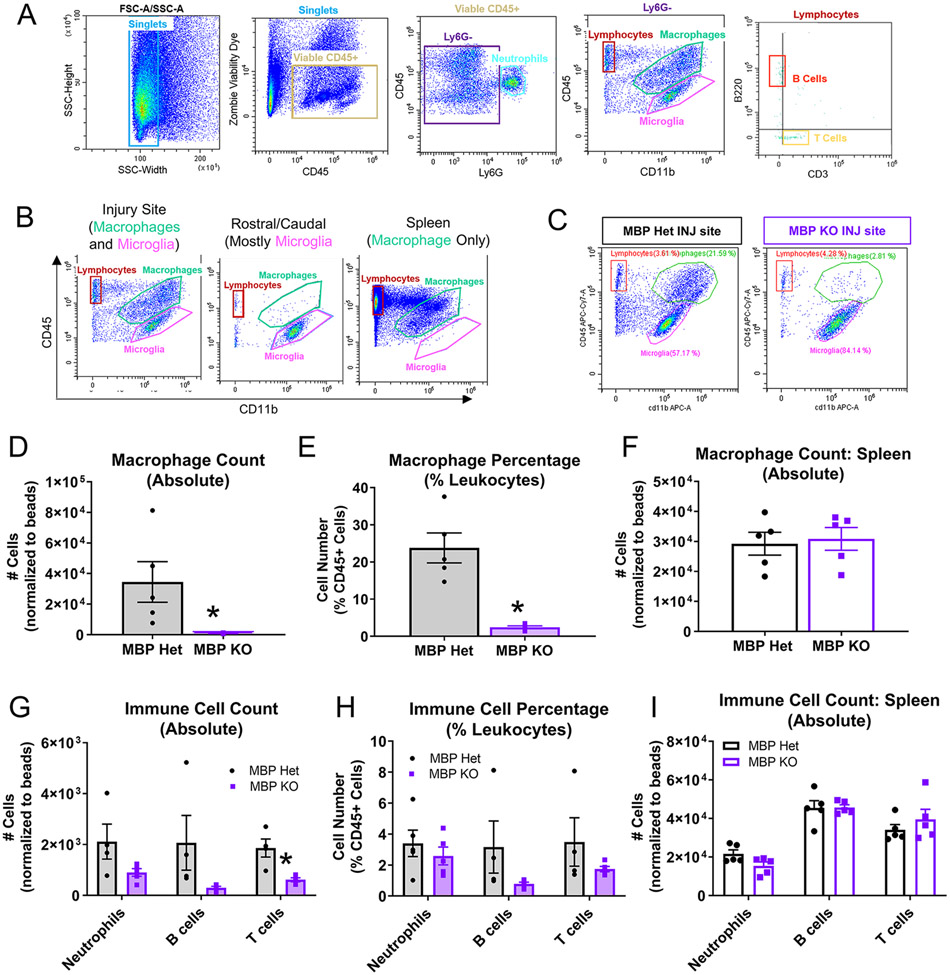
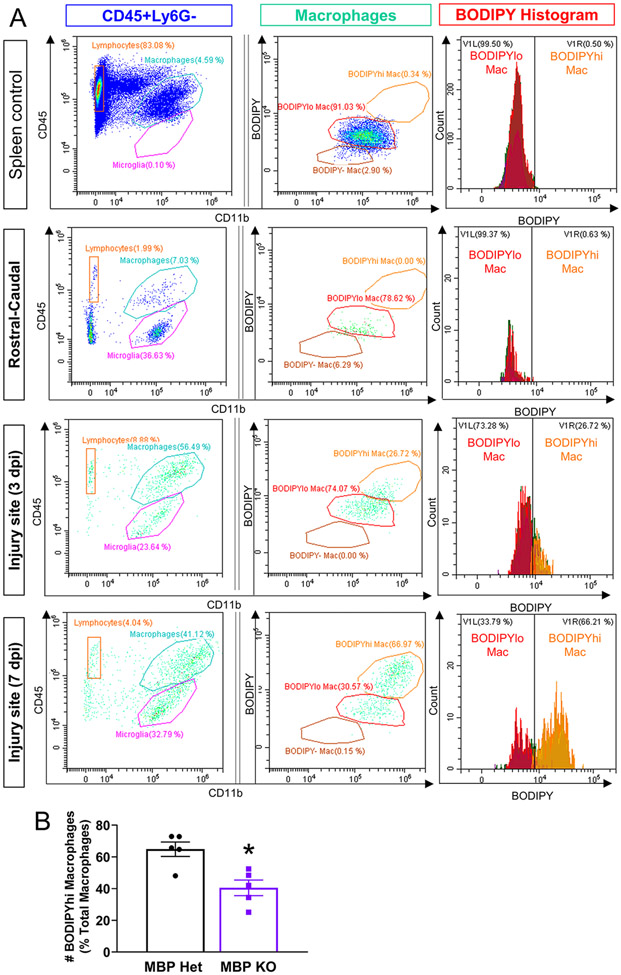
Tissue damage after spinal cord injury (SCI) elicits a robust inflammatory cascade that fails to resolve in a timely manner, resulting in impaired wound healing and cellular regeneration. This inflammatory response is partly mediated by infiltrating immune cells, including macrophages. As professional phagocytes, macrophages initially play an important role in debris clearance at the injury site, which would be necessary for proper tissue regeneration. After SCI, most macrophages become filled with lipid droplets due to excessive uptake of lipid debris, assuming a "foamy" phenotype that is associated with a proinflammatory state. Myelin has been assumed to be the main source of lipid that induces foamy macrophage formation after injury given its abundance in the spinal cord. This assumption has led to the widespread use of purified myelin treatment to model foamy macrophage formation in vitro. However, the assumption that myelin is necessary for foamy macrophage formation remains untested. To this end, we developed a novel foamy macrophage assay utilizing total spinal cord homogenate to include all sources of lipid present at the injury site. Using the myelin basic protein knockout (MBP KO, i.e., Shiverer) mice that lack myelin, we investigated lipid accumulation in foamy macrophages. Primary macrophages treated with myelin-deficient spinal cord homogenate still formed large lipid droplets typically observed in foamy macrophages, although to a lesser degree than cells treated with normal homogenate. Similarly, MBP KO mice subjected to contusive spinal cord injury also formed foamy macrophages that exhibited reduced lipid content and associated with improved histological outcomes and reduced immune cell infiltration. Therefore, the absence of myelin does not preclude foamy macrophage formation, indicating that myelin is not the only major source of lipid that contributes this pathology, even though myelin may alter certain aspects of its inflammatory profile.
脊髓损伤 (SCI) 后的组织损伤会引发强烈的炎症级联反应,如果不能及时解决,会导致伤口愈合和细胞再生受损。这种炎症反应部分是由浸润的免疫细胞介导的,包括巨噬细胞。作为专业的吞噬细胞,巨噬细胞最初在损伤部位的碎片清除中发挥重要作用,这对于适当的组织再生是必要的。SCI 后,由于大量摄取脂质碎片,大多数巨噬细胞充满了脂质滴,呈现出一种与炎症状态相关的“泡沫状”表型。由于髓磷脂在脊髓中含量丰富,因此人们一直认为它是诱导损伤后泡沫状巨噬细胞形成的主要脂质来源。这种假设导致了广泛使用纯化的髓磷脂处理来模拟体外泡沫状巨噬细胞的形成。然而,髓磷脂对于泡沫状巨噬细胞形成是必要的这一假设仍未得到验证。为此,我们开发了一种利用全脊髓匀浆的新型泡沫状巨噬细胞检测方法,以包括损伤部位存在的所有脂质来源。使用缺乏髓磷脂的髓鞘碱性蛋白敲除 (MBP KO,即 Shiverer) 小鼠,我们研究了泡沫状巨噬细胞中的脂质积累。用缺乏髓磷脂的脊髓匀浆处理的原代巨噬细胞仍然形成了通常在泡沫状巨噬细胞中观察到的大脂质滴,尽管程度比用正常匀浆处理的细胞小。同样,接受压迫性脊髓损伤的 MBP KO 小鼠也形成了泡沫状巨噬细胞,其脂质含量减少,与改善的组织学结果和减少的免疫细胞浸润相关。因此,缺乏髓磷脂并不排除泡沫状巨噬细胞的形成,这表明髓磷脂不是导致这种病理的主要脂质来源,尽管髓磷脂可能会改变其炎症特征的某些方面。