Oğlak Süleyman Cemil, Tunç Şeyhmus, Ölmez Fatma
Department of Obstetrics and Gynecology, Health Sciences University, Gazi Yaşargil Training and Research Hospital, Diyarbakır, Turkey.
Department of Obstetrics and Gynecology, Health Sciences University, Kanuni Sultan Süleyman Training and Research Hospital, Istanbul, Turkey.
Ochsner J. 2021 Winter;21(4):364-370. doi: 10.31486/toj.21.0026.
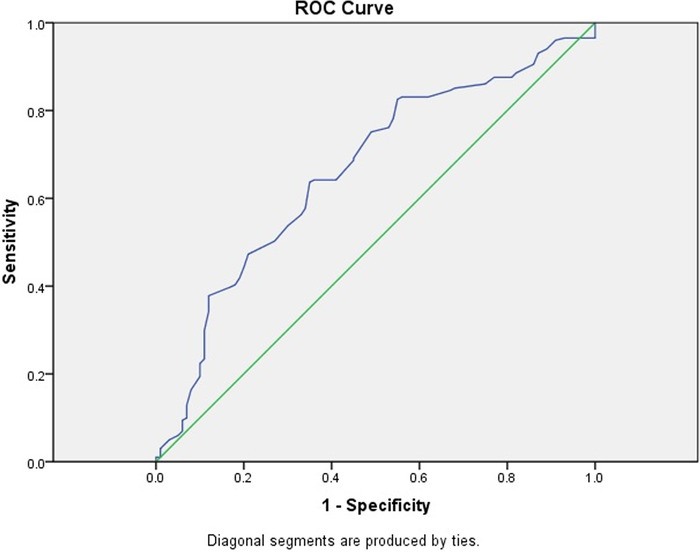
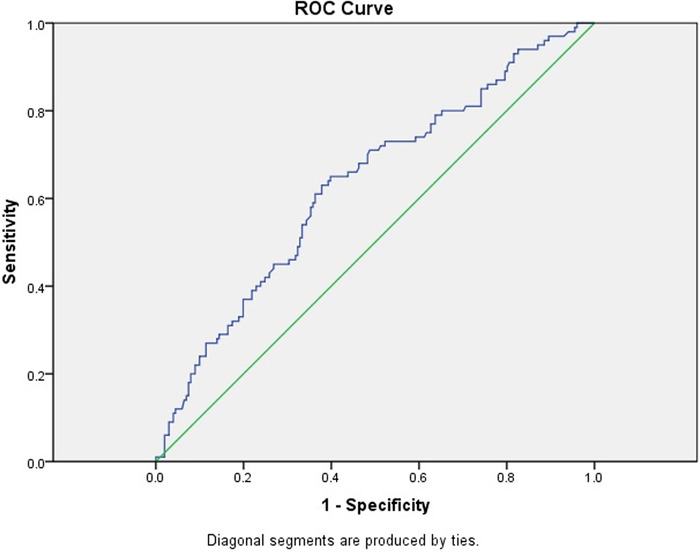
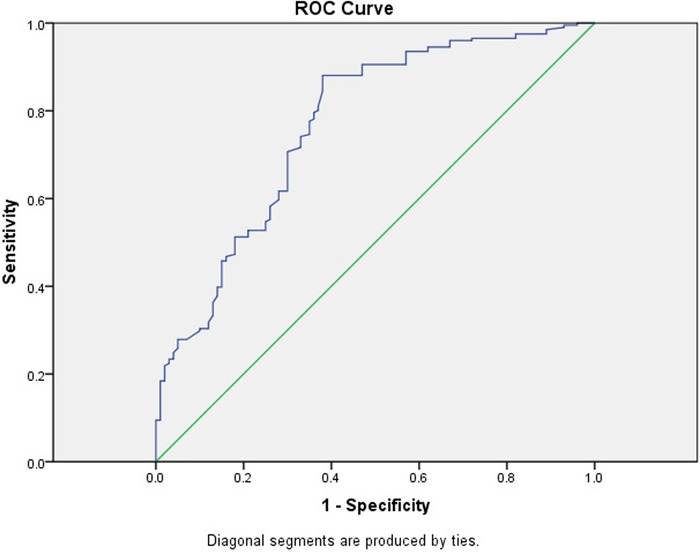
Preeclampsia complicates 2% to 8% of all pregnancies. Systemic inflammatory response (SIR) markers are widely used in the diagnosis of many inflammatory diseases and in the prediction of complicated pregnancies. This study examined the diagnostic value of SIR markers during the first trimester of pregnancy to predict preeclampsia development. This retrospective case-control study was conducted from January 2020 to May 2020. We included 94 patients diagnosed with mild preeclampsia, 107 patients diagnosed with severe preeclampsia, and 100 normotensive pregnant patients as controls. We obtained the first trimester (6 to 14 weeks) complete blood cell counts for all patients. We used a receiver operating characteristic curve to evaluate the cutoff, sensitivity, and specificity values. First trimester mean platelet volume (MPV), neutrophil to lymphocyte ratio (NLR), and platelet to lymphocyte ratio (PLR) values were significantly higher in patients who developed preeclampsia in later pregnancy weeks. The optimal cutoff value for MPV was 10.65 fL, with a sensitivity of 63.7% and a specificity of 65.0%. The best predictor for preeclampsia was NLR at an optimal cutoff value of 4.12, with a sensitivity of 82.1% and specificity of 62.0%. At a cutoff value of 131.8, PLR predicted preeclampsia with a sensitivity rate of 65.0% and a specificity rate of 60.2%. The results of this study suggest that first trimester MPV, NLR, and PLR values are clinically useful markers in the prediction of preeclampsia. The increased first trimester values of MPV, NLR, and PLR also indicate that inflammation may play a crucial role in preeclampsia pathogenesis.
子痫前期在所有妊娠中占比2%至8%。全身炎症反应(SIR)标志物广泛应用于多种炎症性疾病的诊断以及复杂妊娠的预测。本研究探讨了妊娠早期SIR标志物对预测子痫前期发生的诊断价值。这项回顾性病例对照研究于2020年1月至2020年5月进行。我们纳入了94例诊断为轻度子痫前期的患者、107例诊断为重度子痫前期的患者以及100例血压正常的孕妇作为对照。我们获取了所有患者妊娠早期(6至14周)的全血细胞计数。我们使用受试者工作特征曲线来评估临界值、敏感性和特异性值。妊娠早期平均血小板体积(MPV)、中性粒细胞与淋巴细胞比值(NLR)以及血小板与淋巴细胞比值(PLR)在后期妊娠周发生子痫前期的患者中显著更高。MPV的最佳临界值为10.65 fL,敏感性为63.7%,特异性为65.0%。子痫前期的最佳预测指标是NLR,最佳临界值为4.12,敏感性为82.1%,特异性为62.0%。在临界值为131.8时,PLR预测子痫前期的敏感性为65.0%,特异性为60.2%。本研究结果表明,妊娠早期的MPV、NLR和PLR值是预测子痫前期的临床有用标志物。妊娠早期MPV、NLR和PLR值的升高也表明炎症可能在子痫前期发病机制中起关键作用。