Department of Neurology, Technical University of Munich, School of Medicine, Munich, Germany.
Institute of Medical Genetics and Applied Genomics, University of Tübingen, Tübingen, Germany.
J Neurol. 2022 Jun;269(6):2854-2861. doi: 10.1007/s00415-022-10960-z. Epub 2022 Jan 8.
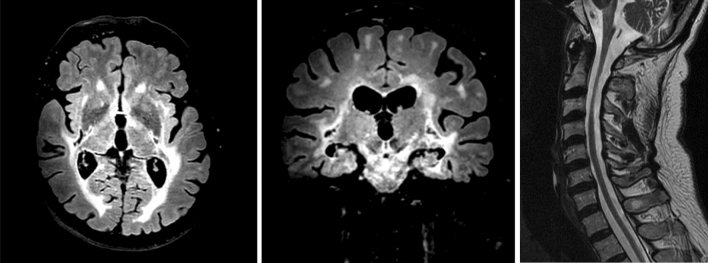
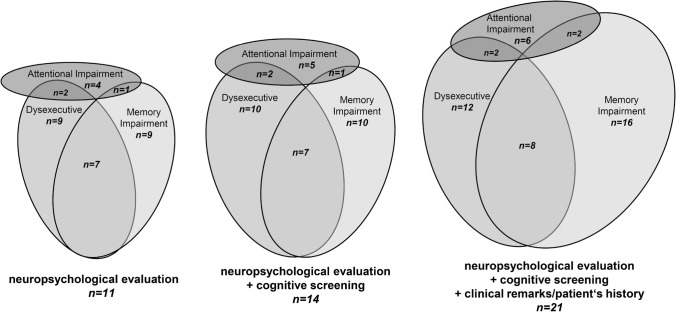
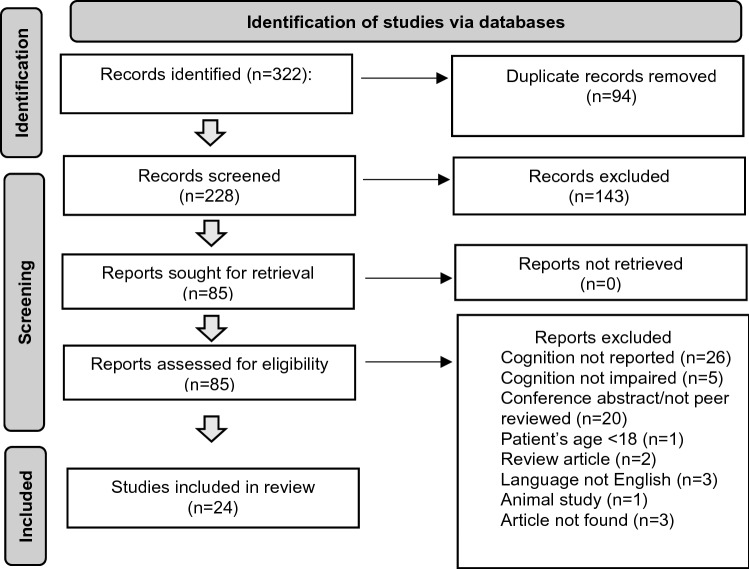
Adult polyglucosan body disease (APBD) is a rare but probably underdiagnosed autosomal recessive neurodegenerative disorder due to pathogenic variants in GBE1. The phenotype is characterized by neurogenic bladder dysfunction, spastic paraplegia, and axonal neuropathy. Additionally, cognitive symptoms and dementia have been reported in APBD but have not been studied systematically. Using exome sequencing, we identified two previously unreported bi-allelic missense GBE1 variants in a patient with severe memory impairment along with the typical non-cognitive symptoms. We were able to confirm a reduction of GBE1 activity in blood lymphocytes. To characterize the neuropsychological profile of patients suffering from APBD, we conducted a systematic review of cognitive impairment in this rare disease. Analysis of 24 cases and case series (in total 58 patients) showed that executive deficits and memory impairment are the most common cognitive symptoms in APBD.
成人多聚糖体病(APBD)是一种罕见但可能被低估的常染色体隐性神经退行性疾病,由 GBE1 中的致病性变异引起。其表型特征为神经性膀胱功能障碍、痉挛性截瘫和轴索性神经病。此外,APBD 还会出现认知症状和痴呆,但尚未进行系统研究。我们通过外显子组测序,在一名伴有严重记忆障碍的患者中发现了两种以前未报道的 GBE1 双等位基因错义变异。我们能够证实血液淋巴细胞中的 GBE1 活性降低。为了描述患有 APBD 的患者的神经心理学特征,我们对这种罕见疾病中的认知障碍进行了系统综述。对 24 例病例和病例系列(共 58 例患者)的分析表明,执行功能缺陷和记忆障碍是 APBD 中最常见的认知症状。